








1. Введение: Эволюция трубопроводов для коммерческих систем противопожарной защиты
По мере того как коммерческие здания становятся всё больше и выше, от систем пожаротушения требуется надежная работа в условиях, которые становятся всё более сложными. От инженеров-проектировщиков всё чаще требуется оценивать не только схему размещения системы, но и механическую прочность каждого компонента как при рабочем, так и при испытательном давлении. При выборе трубопроводов для систем пожаротушения проектировщики теперь уделяют больше внимания пределу текучести, стабильности размеров и давлениестойкости.
Выбор подходящего материала для труб — одно из первых решений, которое влияет на общую надежность системы. Трубопроводная сеть должна сохранять стабильные механические характеристики как при нормальном рабочем давлении, так и при гидростатических испытаниях.
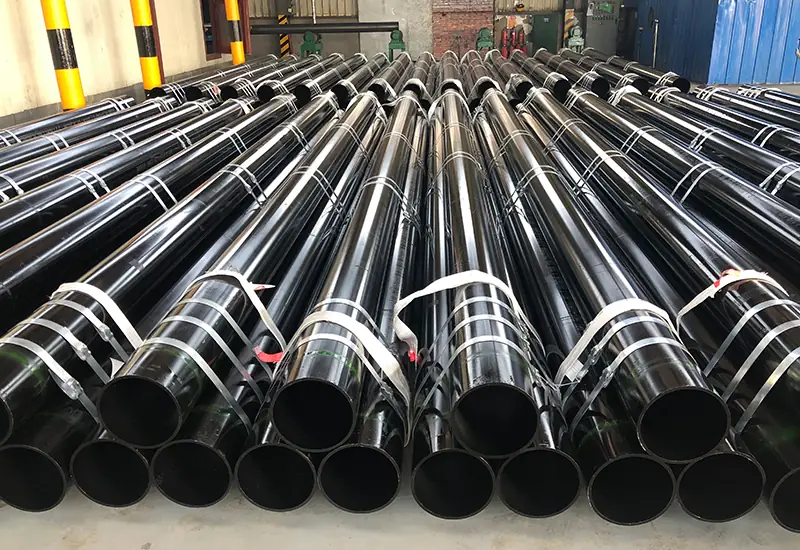
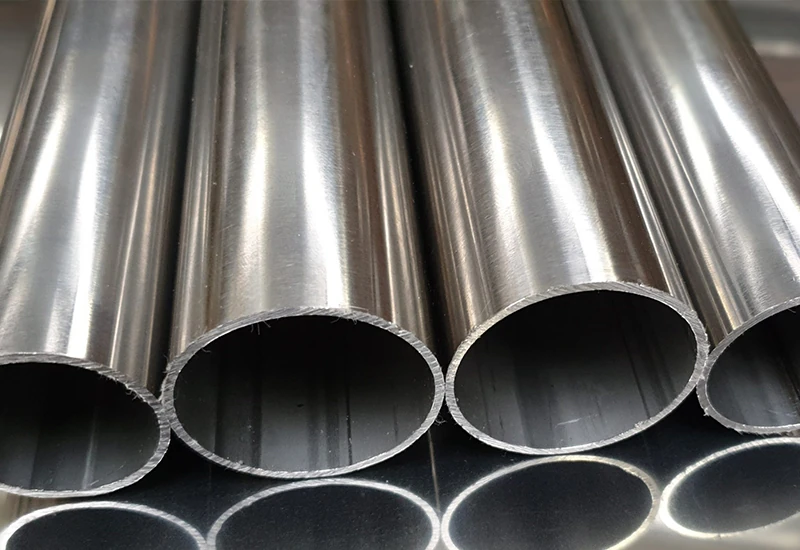
Поэтому многие инженеры полагаются на высококачественные спринклерная стальная труба обладающих проверенными механическими свойствами при выполнении гидравлических и конструктивных расчетов. Использование материалов, соответствующих признанным стандартам, позволяет упростить процесс проектирования и одновременно обеспечить соблюдение требований стандарта NFPA 13 в отношении гидростатических испытаний.
7ЧАВО
2. Почему стандартные черные чугунные трубы постепенно выходят из употребления в современных коммерческих системах пожаротушения
Стандартные черные стальные трубы широко используются уже на протяжении десятилетий, однако в настоящее время многие проектировщики признают их ограничения. Толщина стенок может варьироваться в больших пределах, чем ожидалось, а микроскопические включения или неравномерная структура кристаллической решетки могут снижать как предел прочности при растяжении, так и вязкость. При сейсмических колебаниях или внезапных скачках давления эти отклонения могут повлиять на общую надежность системы.
В настоящее время многие проектные организации указывают в технических заданиях трубы повышенной надежности, изготовленные с соблюдением более строгих требований к контролю производственного процесса. Такая тенденция отражает стремление отрасли к использованию более легких трубопроводов, улучшению свариваемости и обеспечению более стабильного качества продукции.
Если в рамках проекта требуются задокументированные протоколы испытаний на заводе и отслеживаемые номера партий, целесообразно привлечь производители стальных труб которые специализируются именно на рынке противопожарных систем. Эти производители хорошо разбираются в соответствующих стандартах ASTM и могут поставлять материалы с требуемым сочетанием предела текучести и пластичности.

3. Химические свойства углеродистой стали, используемой в противопожарных спринклерах: содержание углерода и предел текучести
В трубопроводах из углеродистой стали даже небольшое увеличение содержания углерода, как правило, приводит к повышению предела текучести и предела прочности на разрыв. Однако слишком высокое содержание углерода одновременно снижает относительное удлинение и затрудняет сварку на месте монтажа, а оба этих фактора имеют большое значение на объектах, где устанавливаются спринклерные системы.
Такие стандарты, как ASTM A53, Стандарты ASTM A135 и ASTM A795 обеспечивают этот баланс за счет установления верхних пределов содержания углерода, марганца, фосфора и серы. Авторитетные металлургические заводы регулируют углеродный эквивалент посредством тщательно контролируемых процессов плавки и горячей прокатки.
Благодаря контролируемым процессам производства стали и прокатки производители получают мелкозернистую микроструктуру, которая обеспечивает достаточную прочность без ущерба для вязкости. Это позволяет гарантировать стабильность механических свойств от одной трубы к другой, что повышает надежность гидравлических расчетов.
4. Стандарты гидростатических испытаний труб для спринклерных систем класса Schedule 40 в соответствии с требованиями стандарта NFPA 13
Стандарт NFPA 13 предписывает, чтобы вновь установленные спринклерные системы проходили гидростатическое испытание под давлением, как правило, 200 psi, которое поддерживается в течение двух часов, при этом не должно наблюдаться видимых утечек или значительного падения давления. Гидростатическое испытание подтверждает, что установленный трубопровод способен выдерживать давление без утечек, прежде чем система будет введена в эксплуатацию.
Поскольку трубы класса Schedule 40 имеют относительно толстую стенку, их теоретическое давление текучести остается значительно выше требуемого давления гидростатических испытаний. Инженеры часто используют формулу Барлоу (P = (2 × S × t) / D) для расчета внутреннего давления текучести. В приведенной ниже таблице представлены теоретические значения давления текучести для труб распространенных размеров Спринклерная труба из сплава 40, исходя из минимального предела текучести 35 000 psi.
| Номинальный размер (дюймы) | Наружный диаметр (дюймы) | Толщина стенки, класс 40 (дюймы) | NFPA 13. Минимальные требования к гидростатическим испытаниям | Теоретическое давление при максимальной производительности (фунты на квадратный дюйм) |
| 1 | 1.315 | 0.133 | 200 psi в течение 2 часов | 7,080 |
| 2 | 2.375 | 0.154 | 200 psi в течение 2 часов | 4,540 |
| 4 | 4.500 | 0.237 | 200 psi в течение 2 часов | 3,690 |
| 6 | 6.625 | 0.280 | 200 psi в течение 2 часов | 2,960 |
Источник: Требования к гидростатическим испытаниям в соответствии со стандартом NFPA 13 «Стандарт по монтажу спринклерных систем», издание 2022 года, Национальная ассоциация пожарной безопасности.
Даже для труб самого большого из указанных диаметров расчетный порог пропускной способности значительно превышает требования стандартного гидростатического испытания. Такой запас прочности особенно важен для резьбовых соединений, поскольку при нарезании резьбы удаляется часть стенки трубы.
Эта дополнительная прочность обеспечивает повышенную устойчивость к колебаниям давления и помогает компенсировать потери давления в резьбовых соединениях. Когда система построена на основе деталей с постоянными габаритами Спринклерная труба из сплава 40, вероятность неудачного результата испытания, связанного с корпусом трубы, становится крайне низкой.
5. Защита от коррозии: оцинковка или эпоксидные покрытия
Внутренняя коррозия постепенно ухудшает гидравлические характеристики любой спринклерной сети. Коррозия, вызванная микроорганизмами, и образование бугорчатых отложений могут привести к снижению коэффициента C по Хазену-Уильямсу, увеличению потерь на трение и даже к закупорке спринклеров с малым диаметром отверстия.
Долгосрочная коррозионная стойкость не менее важна, чем исходная механическая прочность трубы. Для систем с повышенными эксплуатационными требованиями — как «мокрых», так и «сухих», а также систем с предварительным срабатыванием — нанесенные на заводе эпоксидные покрытия, нанесенные методом термоплавкого напыления, обеспечивают эффективную защиту от коррозии.
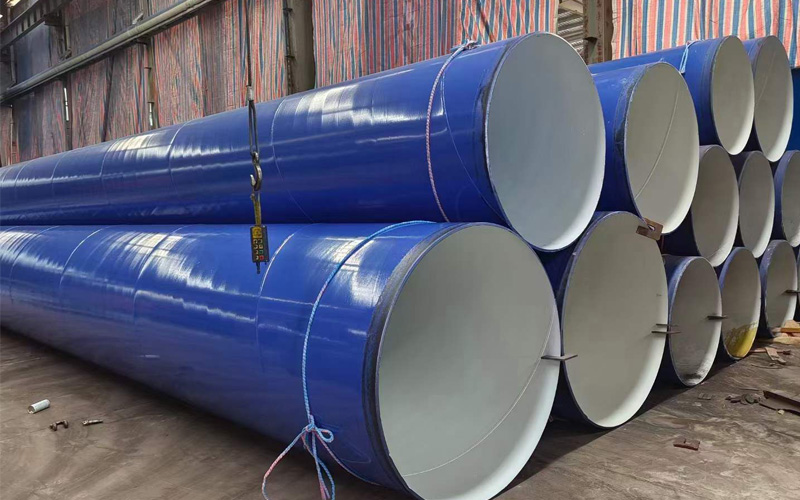
Такие продукты, как Олланд трубы из углеродистой стали с эпоксидным покрытием создают гладкую, химически стойкую внутреннюю поверхность, которая гораздо менее подвержена образованию MIC, чем необработанные или оцинкованные поверхности. После нанесения в условиях заводского контроля эпоксидное покрытие образует прочный барьер, защищающий сталь, не влияя при этом на её прочность.
Преимущество системы с эпоксидным покрытием заключается в её способности сохранять высокий коэффициент C на протяжении десятилетий. Это особенно актуально в тех случаях, когда технические требования предусматривают наличие документально подтверждённой коррозионной защиты наряду с устойчивостью к высокому давлению. A спринклерная стальная труба Использование накладки, изготовленной на заводе, позволяет снизить как риски, связанные с монтажом, так и долгосрочные затраты на техническое обслуживание.
6. Заключение и рекомендации по поиску поставщиков
Грамотная инженерная оценка коммерческих труб для спринклерных систем позволяет установить взаимосвязь между химическим составом, толщиной стенок, соответствием требованиям гидростатических испытаний и мерами по предотвращению внутренней коррозии. Проверка сертифицированного протокола испытаний материала является первым практическим шагом, позволяющим определить фактический предел текучести, относительное удлинение и углеродный эквивалент поставляемой стали.
Когда начинается процесс закупок, рекомендуется найти производитель стальных трубs который может обеспечить полную прослеживаемость и техническую поддержку. Поставщик, разбирающийся в стандартах противопожарной защиты, поможет убедиться, что поставляемая продукция соответствует проектным требованиям системы.
Не менее важен выбор средств внутренней защиты. Полагаясь на проверенные продукты, такие как Олланд трубы из углеродистой стали с эпоксидным покрытием позволяет инженеру учесть как конструктивную, так и гидравлическую долговечность в одной технической спецификации. Такой подход сокращает количество переменных, которые могут повлиять на готовность системы к эксплуатации.
В конечном итоге, тщательно подобранная стальная труба класса Schedule 40, сопровождаемая соответствующими данными производителя и дополненная надлежащим внутренним покрытием, дает проектной группе уверенность в том, что система пожаротушения будет надежно функционировать как в условиях испытаний, так и в чрезвычайных ситуациях.
ЧАВО
Какой минимальный предел текучести ожидается при воздействии огня? спринклерная стальная труба?
A спринклерная стальная труба Продукция, изготовленная в соответствии со стандартами ASTM A53 класса B или ASTM A795, обычно имеет минимальный предел текучести 30 000–35 000 psi. Точное значение всегда следует уточнять в протоколе заводских испытаний.
Могут ли трубы класса Schedule 40 выдерживать рабочее давление свыше 200 psi в высотном здании?
Хотя гидростатические испытания в соответствии со стандартом NFPA 13 проводятся при давлении 200 psi, номинальное рабочее давление зависит от коэффициентов безопасности, предусмотренных нормативом, и конкретного диаметра трубы. Для верхних зон очень высоких зданий может потребоваться использование труб с более толстыми стенками или из материала более высокого класса.
Почему некоторые производители отказываются от использования оцинкованных покрытий для систем сухого пожаротушения?
Несколько производители стальных труб было установлено, что эпоксидные покрытия, нанесенные методом термоплавкого напыления, гораздо лучше противостоят циклам «мокро-сухо», характерным для сухих систем, чем цинковые покрытия. Эпоксидные поверхности остаются гладкими и препятствуют образованию микроскопических трещин (MIC), что способствует сохранению пропускных характеристик трубы на протяжении всего срока службы.
Действительно ли увеличенная толщина стенок труб класса Schedule 40 играет какую-либо роль при проведении гидростатических испытаний?
Да. Потому что Спринклерная труба из сплава 40 имеет относительно толстую стенку, поэтому его теоретическое давление разрушения остается значительно выше требуемого давления гидростатического испытания. Даже с учетом глубины резьбы оставшаяся толщина стенки обеспечивает достаточный запас прочности для стандартного приемочного испытания.

ASTM A53 против API 5L: руководство по выбору и применению
В области промышленных трубопроводов ASTM A53 и API 5L - два ключевых стандарта, которые широко используются, но занимают совершенно разные позиции. ASTM...

Введение:Различия в технологиях определяют успех или неудачу, поэтому отбор должен быть “точным”.”
В нефте- и газотранспортной отрасли, коммунальной инфраструктуре и других крупных проектах разумный выбор процесса сварки стальных труб напрямую влияет на проект...
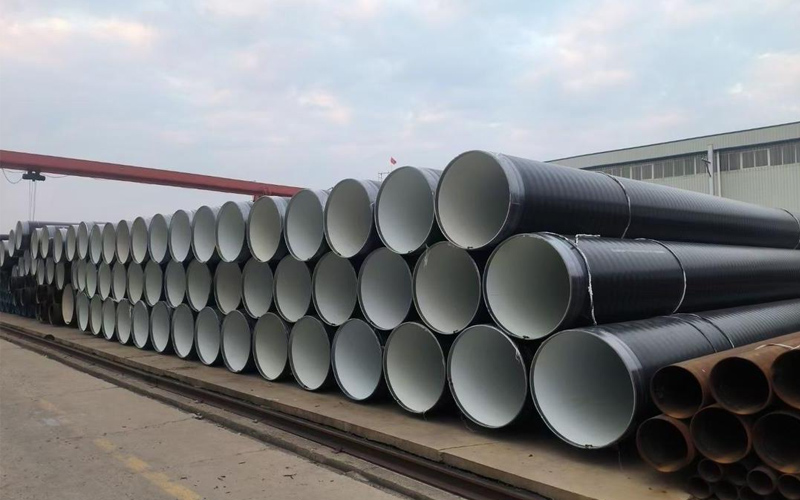
Анализ плотности стали: Основные различия между низкоуглеродистыми и среднеуглеродистыми сталями и их промышленное применение
Плотность стали - один из ключевых параметров, определяющих ее физические свойства и промышленное применение. Теоретическое состояние плотности стали...
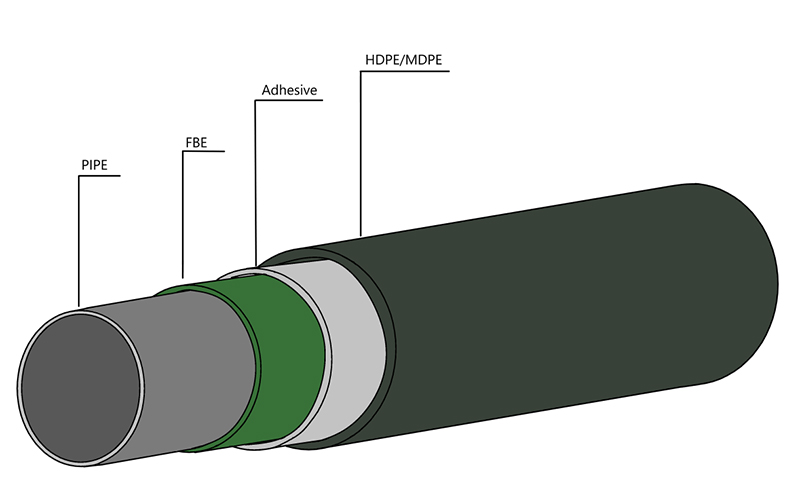
Стальная труба с покрытием 3LPE: надежный барьер в области защиты от промышленной коррозии
В суровых условиях нефтегазовой, химической промышленности, городских трубопроводных сетей и т.д. долговременная надежность и коррозионная стойкость трубопроводной системы...
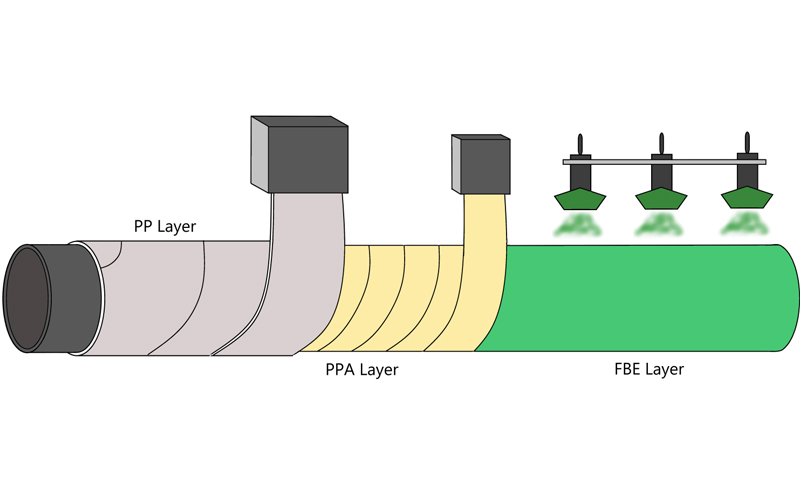
Труба с покрытием 3LPP: антикоррозийная защита в условиях высокой температуры и высокого давления
В некоторых сложных специальных условиях, таких как глубоководная разведка нефти и газа и транспортировка сырой нефти при высоких температурах, традиционные антикоррозионные покрытия сталкиваются со значительными трудностями,...
Стальная труба FBE: технологическая броня стальной линии обороны
I В ледяных водах под трубопроводом в Норвежском море участок трубы из углеродистой стали с футеровкой FBE прослужил 25...