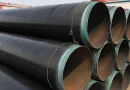
Международный стандарт ISO 3183: Технические условия на стальные трубы для трубопроводов в нефтяной и газовой промышленности
1. Обзор и эволюция стандарта
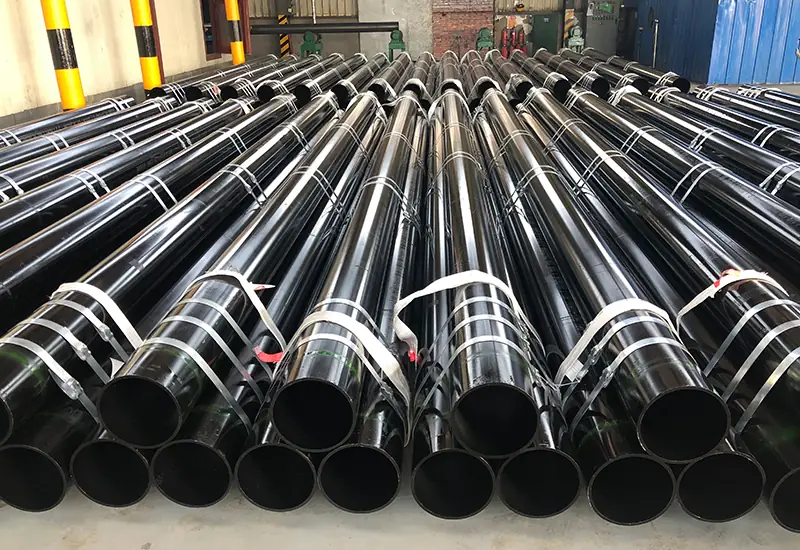
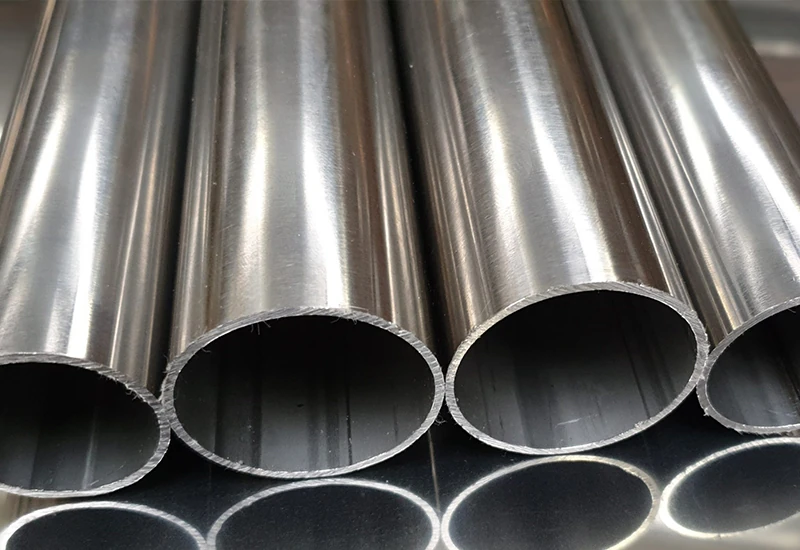
ISO 3183, “Нефтяная и газовая промышленность - Стальные трубы для систем трубопроводного транспорта” - это Стандарт, разработанный ИСО издается совместно с Американским институтом нефти (API) как API SPEC 5L (46-е издание). В нем представлены единые технические требования к бесшовные и сварные стальные трубы используемых в глобальных трубопроводах для транспортировки нефти, газа и углеводородных продуктов. Последнее издание, ISO 3183:2019, Заменяет версию 2012 года и гармонизирует глобальные технические требования к трубопроводам.
Ключевые события:
Издание 2007 года: Консолидированы предыдущие разделенные стандарты, введены уровни спецификации продукции (PSL 1/2) и добавлены высокосортные стали: L625 (X90), L690 (X100), L830 (X120).
Издание 2019 года: Усовершенствованные технические статьи, расширенный охват высокопрочных сталей и улучшенные положения по проектированию на основе деформации для экстремальных сред (Арктика, глубоководные районы, кислые среды).
Давление = 90-95% SMYS (заданный минимальный предел текучести) в течение ≥10 секунд.
Разрушающие испытания:
Растяжение, CVN, DWTT, испытание на изгиб, исследование твердости.
Тесты на кислотность (если применимо):
Тест HIC (NACE TM0284): Раствор A, 96 часов; приемка: CLR ≤15%, CTR ≤5%.
Тест SSC (NACE TM0177): Метод A (растяжение), B (изогнутая балка) или C (С-кольцо).
5. Глобальное применение и техническая ценность
5.1 Тематические исследования
Трубопровод Китай-Мьянма: Трубы PSL 2 X70; конструкция на основе деформации (деформационная способность 0,5%); DWTT при -5°C.
Трубопроводы для кислого газа на Ближнем Востоке: PSL 2 с сопротивлением HIC/SSC; твердость ≤220 HV10; max S=0.001%.
Арктические трубопроводы: X60-X80 с CVN ПРИ -60°C; требования к деформационной способности согласно приложению ISO 3183.
5.2 Экономическое воздействие
Экономия средств: Использование X80 вместо X65 снижает тоннаж стали на 12% (например, экономия $130M на 1 000 км трубопровода).
Безопасность: Трубопроводы, соответствующие стандарту ISO 3183, показывают >50% снижение частоты отказов по сравнению с нестандартизированными системами.
Глобальное соответствие: Гармонизация с API 5L устраняет технические барьеры в трансграничных проектах.
6. Тенденции будущего
Водородные трубопроводы: Потребности в материалах для сопротивления охрупчиванию H₂.
Цифровая интеграция:“Цифровой двойник” пакетов вместе с данными о производстве/НДТ.
Забота об окружающей среде: с минимальными выбросами CO₂ Процесс производства стали с низким содержанием CO₂, совместимый с ISO 3183.
Тяжелая служба: Расширенные возможности для глубоководных (>3 000 м) и арктических (≤-60°C) работ.