







1. Введение
В мировой трубопроводной отрасли стабильность, безопасность и качество являются непреложными требованиями — особенно в таких критически важных сферах, как транспортировка нефти и газа, строительство и водоснабжение. Стандарты ASTM являются основой надежности для мировых производителей, инженеров и руководителей проектов. Эти стандарты, разработанные организацией ASTM International, устанавливают четкие требования к производству, испытаниям и эксплуатационным характеристикам стальных труб, обеспечивая стабильное качество. Для компании Allland Pipes, ведущего производителя труб из углеродистой стали и поставщика труб по стандарту API, соблюдение стандартов ASTM, API 5L и EN ISO 3183 является одной из основных ценностей компании, и каждый продукт разработан с учетом этих строгих стандартов, обеспечивающих стабильную работу.
Стандарт ASTM на стальные трубы охватывает ключевые аспекты производства: состав материала, механические свойства, допуски на размеры, качество сварки и испытания. Соблюдая эти стандарты, производители могут устранить несоответствия, снизить риск выхода из строя и обеспечить совместимость. Для конечного пользователя это означает уверенность в том, что труба безопасна, долговечна и подходит для конкретных целей. Понимание стандартов ASTM является ключом к выбору подходящей стальной трубы для любого проекта.
2. Основной стандарт ASTM на трубы из углеродистой стали
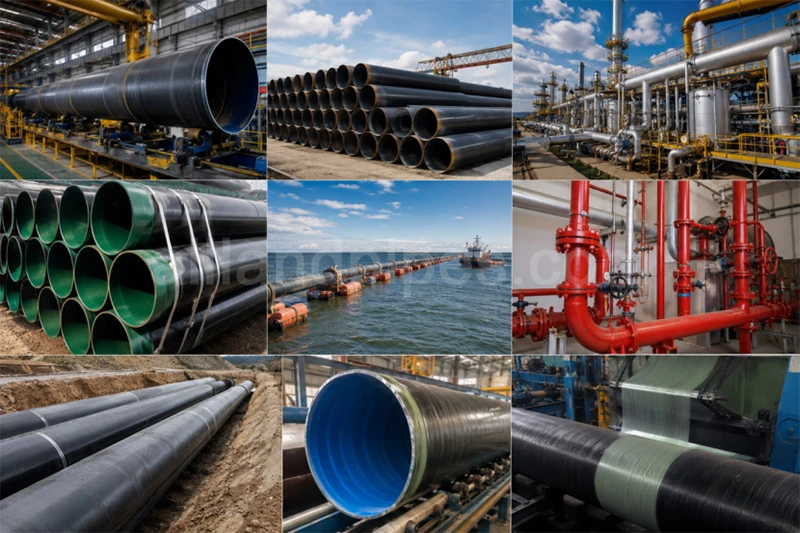
Трубы из углеродистой стали являются основным материалом в промышленности; они применяются в промышленной переработке и инфраструктуре. Организация ASTM разработала основные стандарты для различных условий эксплуатации, требований к давлению и конструктивных требований. Ниже приведены наиболее широко используемые стандарты и их основные области применения.
2.1 ASTM A53 и A106: основные стандарты в отрасли
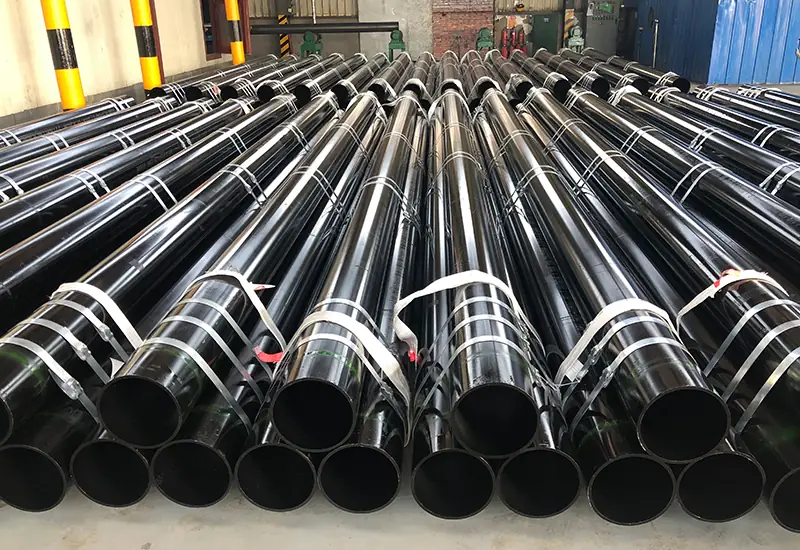
ASTM A53 А также ASTM A106 — два из наиболее широко используемых стандартов для труб из углеродистой стали, которые заслужили доверие благодаря своей универсальности и надежности как в системах под давлением, так и в общепромышленных областях применения. ASTM A53 Grade B Является популярным выбором для систем с низким и средним давлением, включая паропроводы, водопроводы, газопроводы и пневмопроводы. Существует в двух конфигурациях: сварная и бесшовная; распространенным вариантом является труба из черной стали (без покрытия). Стандарт устанавливает строгие требования к химическому составу и механическим свойствам, что гарантирует способность трубы выдерживать умеренные давления и температурные режимы.
Стандарт ASTM A106 разработан для эксплуатации в условиях высоких температур и высокого давления и является идеальным выбором для нефтеперерабатывающих заводов, электростанций и химических предприятий. Как стандарт на бесшовные трубы, он соответствует строгим требованиям к давлению и надежности в экстремальных условиях. Стандарты ASTM A53 и A106 признаны во всем мире, что делает их лучшим выбором для инженеров.
2.2 ASTM A500&A53: Структурное совершенство
Хотя стандарт ASTM A53 в основном применяется в системах, работающих под давлением, он также находит применение в строительных проектах, когда используется в сочетании с ASTM A500, стандарт, разработанный специально для конструкционных труб из углеродистой стали. Стандарт ASTM A500 применим к холоднодеформированным, сварным и бесшовным конструкционным трубам из углеродистой стали, что делает его идеальным выбором для возведения каркасов зданий, мостов и механических конструкций. Стандарт подразделяется на четыре марки (A, B, C и D), которые отличаются пределом текучести стальных труб, что позволяет инженерам выбирать подходящую марку в соответствии с требованиями к конструктивной нагрузке их проекта.
В строительстве аббревиатура HSS обозначает полые конструкционные профили, которые часто изготавливаются для ASTM A500 стандарты. Сталь HSS отличается высоким соотношением прочности к весу, что делает её экономичным и эффективным материалом для строительных конструкций. В сочетании с конструктивной арматурой, соответствующей стандарту ASTM, она позволяет создавать прочные конструкции, рассчитанные на большие нагрузки и эксплуатацию в суровых условиях. В проектах, требующих обеспечения герметичности и конструктивной опоры, сталь ASTM A53 служит дополнением к стали ASTM A500.
2.3 ASTM A252: Сваи и фундаменты
ASTM A252 определяет требования к трубчатым сваям из углеродистой стали, используемым в фундаментах для передачи конструктивных нагрузок на устойчивые слои грунта. Для проектов, в которых неглубокие слои грунта не способны выдержать нагрузку сооружений, надежным решением является применение системы стальных трубчатых свай, соответствующей стандарту ASTM A252.
Трубы ASTM A252 выпускаются в трёх классах, причём класс 3 предназначен для сверхпрочных свай. При забивке стальных свай они обеспечивают стабильное основание. Благодаря своей прочности и возможностям по диаметру, Стальная труба LSAW является лучшим выбором для крупномасштабных проектов, а трубы стандарта ASTM A252 также широко используются при устройстве свайных фундаментов мостов, где предъявляются строгие требования к толщине стенок и качеству сварки.
3. Сравнение технологических процессов LSAW, SSAW и DSAW
Технология производства стальных труб играет решающую роль в определении их эксплуатационных характеристик, долговечности и пригодности для конкретных областей применения. Тремя наиболее распространёнными процессами изготовления стальных труб, соответствующих стандартам ASTM, являются LSAW (продольная сварка под флюсом), SSAW (спиральная сварка под флюсом) и DSAW (двойная сварка под флюсом). Каждый из этих процессов имеет свои уникальные преимущества, и выбор зависит от таких факторов, как диаметр трубы, толщина стенки и требования к применению. Среди труб Allland наши LSAW процесс изготовления труб является основой нашего производства, что позволяет нам изготавливать высококачественные трубы большого диаметра, соответствующие самым строгим стандартам ASTM.
Трубы методом LSAW изготавливаются путем гибки стального листа и его продольной сварки, в результате чего образуется единый прямой шов, обеспечивающий высокую прочность. Они отлично подходят для использования в условиях высокого давления и в морских условиях. Компания Allland использует передовую технологию LSAW для производства труб диаметром до 60 дюймов, которые соответствуют ASTM A671, A672 и A252.
Трубы SSAW изготавливаются путем спиральной намотки стальной ленты и сварки шва. Они являются экономически выгодным решением для труб большого диаметра и подходят для водопроводов и свайных конструкций, соответствуют стандартам ASTM A 139, A252. Трубы со спиральной сваркой эффективно применяются в крупномасштабных инфраструктурных проектах.
DSAW — это разновидность метода LSAW, при которой свариваются обе стороны шва трубы, что повышает прочность и долговечность. Трубы, изготовленные методом DSAW, подходят для применения в условиях высокого давления и высоких нагрузок, например, в нефте- и газопроводах. Несмотря на высокую стоимость, в ключевых областях применения в них все же стоит инвестировать.
| Характеристика | LSAW (SAWL) | SSAW (SSAW) | Бесшовные |
| Стандарты ASTM | A671, A672, A252 | A139, A252 | A53, A106, A333 |
| Диапазон диаметров | Труба большого диаметра (до 60″) | Стальная труба большого диаметра | От небольших до средних |
| Стандартное покрытие | 3LPE, FBE, 3LPP | 3PE, внутреннее FBE-покрытие | Черная краска, оцинкованный |
| Основные области применения | Морские нефтепроводы | Водопровод, забивка свай | Трубки высокого давления |
4. Специальные области применения и стандарты ASTM Rтребования
Steel pipes are suitable for various professional applications, each of which has its own unique ASTM requirements. Understanding these requirements, from offshore pipelines to fire sprinklers, is key to selecting the right pipes and ensuring the success of the project. The following are common professional applications and the corresponding ASTM standards.
4.1 Onshore vs. оффшор Pipeline Solutions
Onshore and offshore pipelines are facing very different environmental and operational challenges, and ASTM standards are customized to solve these differences. For example, submarine pipes must be able to withstand harsh marine environments, including saltwater corrosion, strong currents and extreme pressure. Because of their high strength and durability, LSAW pipes for морской трубопроводs are usually the first choice for these applications, and they must conform to ASTM standards such as 671 and 672. Additionally, some offshore natural gas pipelines also use ASTM A53 Grade B pipes in specific sections requiring moderate pressure and corrosion resistance.
Onshore pipes transport oil, natural gas or water over land, which conforms to ASTM soil conditions and temperature change standards. There is a difference in coating between black steel pipes on land and offshore; simpler coatings are used on land, such as black paint or electroplating. API 5L X52 is both universal and meets strict strength requirements.
4.2 Potable Water and Drainage Systems
According to ASTM standards, drinking water and drainage systems require safe and corrosion-resistant steel pipes. Drinking water pipes must be non-toxic and conform to ASTM A53/A106 standards, ensuring no harmful pollutants, smooth inside and preventing bacterial growth. Epoxy coating improves the corrosion resistance for water safety.
China’s high-quality drinking water steel pipes meet the global ASTM health standards. The LSAW pipe for tap water has strict requirements on size and coating, while the drain pipes are made of corrosion-resistant steel, and their thickness and durability are controlled by ASTM.
4.3 Fire Sprinkler Pipe Systems
Fire sprinkler systems are very important to protect buildings and lives. The steel pipes used in these systems must meet strict ASTM standards to ensure that they can withstand high pressure and extreme temperatures. Steel pipe for fire sprinkler systems is usually manufactured according to ASTM A53 or A106 standards, and the most common choice is schedule 40 spray pipe. The wall of the Расписание 40 труба is thicker than a standard pipe, and it can withstand the high water pressure required by the fire sprinkler systems.
Fire sprinkler fittings must also conform to the compatibility and reliability of ASTM standards, connect pipes, control flow, and withstand the same pressure and temperature as pipes. The ASTM standards specify the requirements for material, welding and pressure testing for system safety.
4.4 Floating and Dredging Pипеs
Floating and dredging pipes are used in marine and coastal applications, such as dredging operations, offshore construction and temporary water transportation. These pipes must be durable, corrosion-resistant, and can float on water when bearing heavy loads. Floating pipe, LSAW pipes are often used for these applications, because LSAW pipes provide high strength and can be made into large diameters to handle high flow rates.
The floating body of the dredging pipe uses steel pipes as the core of its durability, and the floating body of the pipe provides buoyancy. The entire system complies with ASTM standards for corrosion resistance, strength, and buoyancy, requiring robust coatings for harsh marine conditions.
5. Антикоррозионные покрытия: продление срока службы в соответствии с рекомендациями ASTM
Corrosion is one of the biggest threats to steel pipes, which can shorten the service life of steel pipes and increase the risk of failure of steel pipes. ASTM standards include strict requirements for anti-corrosion coatings, ensuring that steel pipes can withstand harsh environments and maintain their performance over time. For Allland pipes, we provide a series of anti-corrosion coatings in accordance with ASTM guidelines, including 3LPE, 3LPP and fusion bond epoxy resin, to prolong the service life of our pipes and protect the investment of our customers.
Two of the most common anti-corrosion coatings for steel pipes are 3LPE (Three-Layer Polyethylene) and 3LPP (Three-Layer Polypropylene). The difference between 3LPE and 3LPP coatings lies in their material characteristics: 3LPE is more flexible and impact-resistant, making it an ideal choice for offshore and harsh environments, while 3LPP provides better high-temperature resistance and is suitable for onshore pipes and industrial applications. These two coatings meet ASTM standards and provide a barrier against corrosion, moisture and chemicals.
External 3LPP coating should be applied to the outside of the pipe to prevent external corrosion, such as corrosion caused by salt water, soil or chemicals. Fusion bond epoxy coating (FBE) is another popular choice, which melts and adheres to the surface of the pipe in the form of powder, forming a hard and durable barrier. 3LPE coated pipes (sometimes referred to as 3PE locally) are often used in oil and gas pipes, providing excellent corrosion resistance and durability. An epoxy-lined pipe is used to protect the inside of the pipe from internal corrosion, which is common in water and chemical pipes.
At Allland Pipes, our fusion-bonded epoxy powder coating is applied using advanced technology, ensuring uniform coverage and compliance with ASTM standards. As one of the leading suppliers, we provide customized coating solutions to meet the specific needs of each project, whether it is a submarine pipe that needs 3LPE coating or a water pipe that needs epoxy resin lining.
6. Технические характеристики: размер трубы и толщина стенки
When selecting steel pipes for a project, it is very important to know the technical data (including the pipe sizes, wall thickness and size) to ensure compatibility and performance. The ASTM standard sets strict requirements for стандартные размеры стальных труб and wall thickness, and engineers rely on these data to design and install piping systems that meet their project requirements. Below, we provide key technical data for common steel pipe sizes, including the chart of pipe wall thickness and schedule 40 steel pipe size.
Schedule 40 Black pipe size is widely used in the industry. Schedule 40 refers to wall thickness. For a given schedule, as the pipe diameter increases, the wall thickness also increases to maintain proportional pressure-bearing capacity. For example, a 1-inch schedule 40 pipe has an outer diameter of 33.4 mm and a wall thickness of 3.38 mm; A 6-inch pipe has an outside diameter of 168.3 mm and a wall thickness of 7.11 mm. ASTM standards ensure the consistency of these dimensions.
A steel pipe dimension drawing is a valuable tool for engineers and project managers, which provides a quick reference for the diameters, wall thicknesses and weights of the pipe. ASTM standards like 53 and A106 specify the allowable tolerances for these dimensions, ensuring that pipes from different manufacturers are compatible. Like Allland pipes, industrial pipe manufacturers follow these tolerances to produce pipes that meet the most stringent project requirements.
Other key technical data include the steel density (7.85 g/cm³ for carbon steel) and the hardness of carbon steel based on composition and heat treatment. These details will help engineers to choose the pipe suitable for specific applications and ensure that it meets ASTM standards.
7. Заключение
Стандарты ASTM are the basis of the quality and reliability of steel pipes, and the selection of a manufacturer meeting the standard is key to the success of the project. As a leading large-diameter pipe company, Allland Pipes produces high-quality steel pipes that meet or exceed the standards of ASTM, API 5L and EN ISO 3183, with a full range of products to meet unique project requirements.
Allland Pipes is known for their quality, innovation and service. Our state-of-the-art LSAW Pipe manufacturing process produces precise, strong, large-diameter pipes, plus anti-corrosion coatings to extend pipe life. We have the expertise for offshore, basic or drinking water projects.

ASTM A53 против API 5L: руководство по выбору и применению
В области промышленных трубопроводов ASTM A53 и API 5L - два ключевых стандарта, которые широко используются, но занимают совершенно разные позиции. ASTM...

Введение:Различия в технологиях определяют успех или неудачу, поэтому отбор должен быть “точным”.”
В нефте- и газотранспортной отрасли, коммунальной инфраструктуре и других крупных проектах разумный выбор процесса сварки стальных труб напрямую влияет на проект...
Анализ плотности стали: Основные различия между низкоуглеродистыми и среднеуглеродистыми сталями и их промышленное применение
Плотность стали - один из ключевых параметров, определяющих ее физические свойства и промышленное применение. Теоретическое состояние плотности стали...
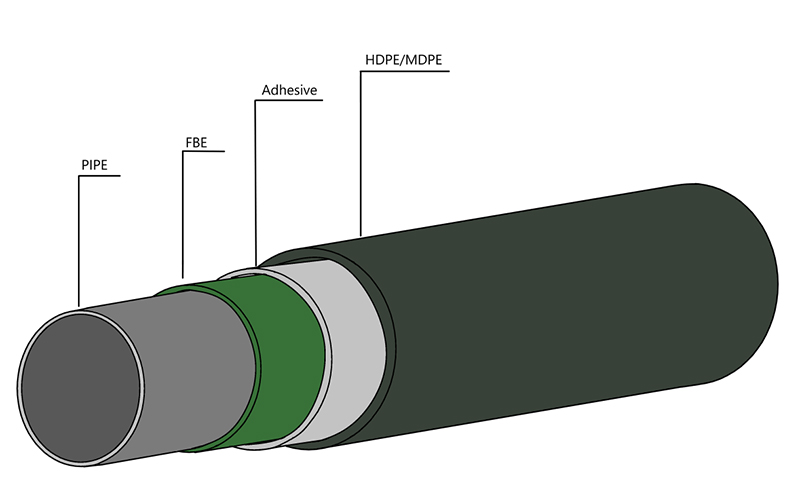
Стальная труба с покрытием 3LPE: надежный барьер в области защиты от промышленной коррозии
В суровых условиях нефтегазовой, химической промышленности, городских трубопроводных сетей и т.д. долговременная надежность и коррозионная стойкость трубопроводной системы...
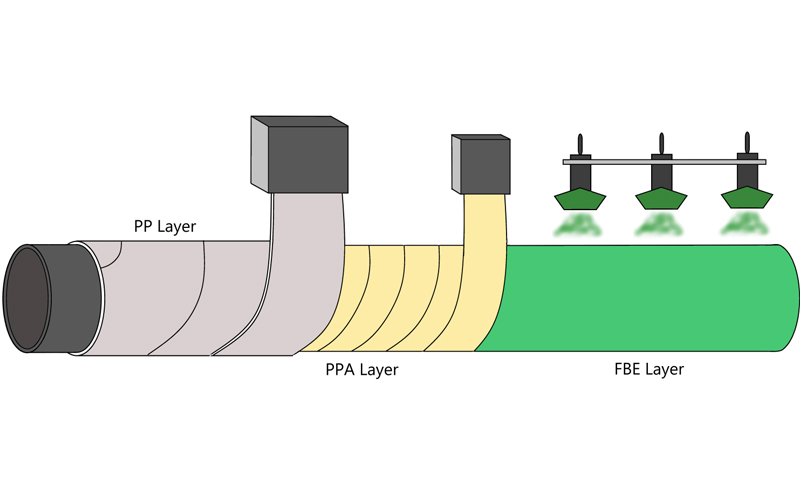
Труба с покрытием 3LPP: антикоррозийная защита в условиях высокой температуры и высокого давления
В некоторых сложных специальных условиях, таких как глубоководная разведка нефти и газа и транспортировка сырой нефти при высоких температурах, традиционные антикоррозионные покрытия сталкиваются со значительными трудностями,...
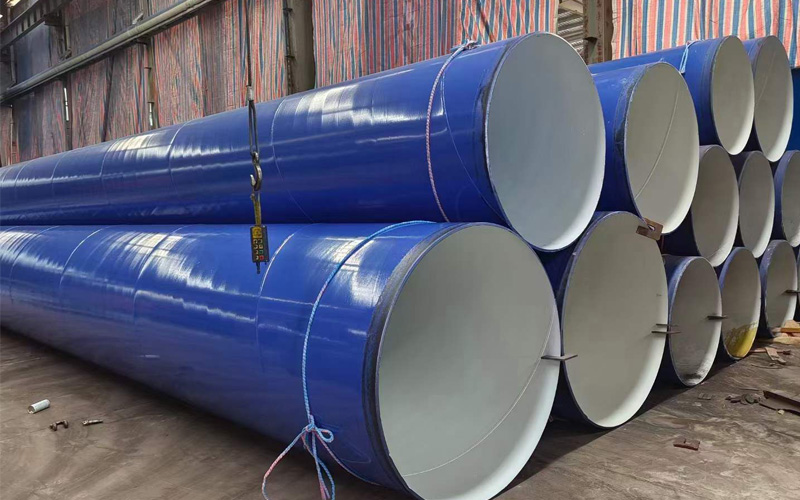
Стальная труба FBE: технологическая броня стальной линии обороны
I В ледяных водах под трубопроводом в Норвежском море участок трубы из углеродистой стали с футеровкой FBE прослужил 25...