









Что такое буровые сваи и забивные стальные трубчатые сваи?
Что такое буровой свай?
A буровой свай — также называемый буровой свая или буровой шахтой — представляет собой элемент фундамента, изготавливаемый методом монолитного бетонирования. В грунт пробуривается цилиндрическое отверстие на требуемую глубину, в него опускается арматурная корзина, после чего заливается бетон для формирования сваи. Для стабилизации скважины в рыхлых или водоносных грунтах могут использоваться временная обсадная колонна или подпорная жидкость. Сверловые сваи широко применяются в городском строительстве, при возведении высотных зданий, а также в проектах, требующих фундаментов большого диаметра или очень большой глубины.
Что такое забивная стальная трубчатая свая?
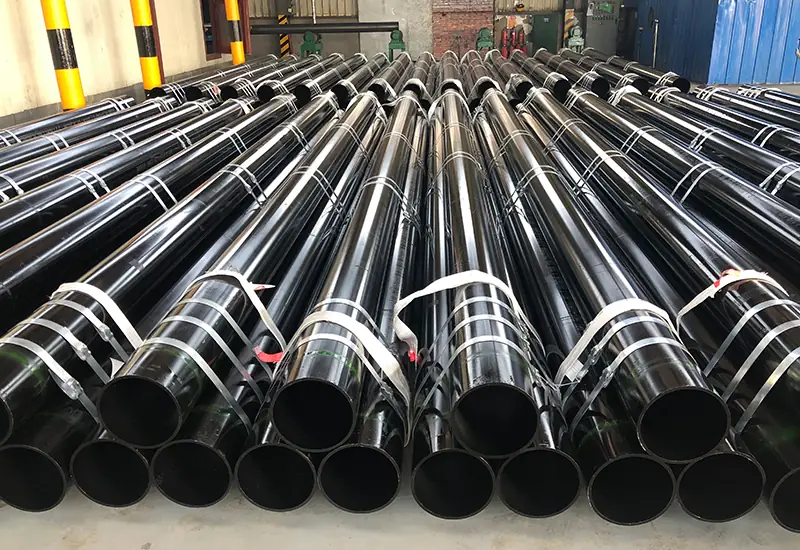
Забивная стальная трубчатая свая представляет собой готовую стальную трубу, которую устанавливают путем забивки молотом или вибрации непосредственно в грунт до достижения расчетной глубины или заданного сопротивления забивке. Стальные трубчатые сваи, выпускаемые в широком диапазоне диаметров и толщин стенок, являются стандартным решением для мостов, морских сооружений, портовых комплексов и крупномасштабных инфраструктурных проектов.
Сверловые сваи и забивные стальные трубчатые сваи: основные различия
Условия почвы
Вбиваемые сваи демонстрируют особенно высокую эффективность в мягких и среднеплотных грунтах, где смещение грунта способствует повышению устойчивости. Процесс забивки уплотняет сыпучие грунты, увеличивая несущую способность за счет уплотнения, и является весьма эффективным в песке, гравии и мягких горных породах. Однако в очень плотных грунтах или твердых горных породах для достижения заданной проектной глубины может потребоваться предварительное бурение.
Сверловые сваи отлично подходят для сложных грунтовых условий, таких как мягкие или рыхлые грунты, и часто предпочтительны для проектов, требующих очень глубокого фундамента или элементов большого диаметра. Они могут адаптироваться к различным профилям грунта и, по сравнению с забивными сваями, в меньшей степени подвержены воздействию грунтовых вод.
Скорость установки
Забивные сваи устанавливаются значительно быстрее, чем буровые. Поскольку они изготавливаются заранее и не требуют времени на отвердевание, подрядчики могут устанавливать их последовательно без задержек. При подходящих грунтовых условиях установка забивных свай позволяет значительно сократить сроки строительства по сравнению с буровыми скважинами в аналогичных условиях.
Установка буровых свай включает в себя несколько этапов: выемку грунта, установку обсадной колонны или стабилизацию грунта с помощью жидкости, установку арматурной корзины и заливку бетона. Перед тем как свая сможет выдерживать нагрузку, бетону необходимо время для отвердевания, что делает весь процесс значительно более длительным, чем при установке забивных свай.
Грузоподъёмность
Незаглубленные стальные сваи развивают несущую способность за счет сочетания трения по стволу и сопротивления опоры на конце. Поскольку при забивке сваи происходит вытеснение и уплотнение окружающего грунта, несущая способность зачастую может быть эффективно задействована уже на этапе монтажа.
Сверловые сваи также могут обеспечивать высокую несущую способность и часто выбираются в тех случаях, когда требуются очень большие диаметры. В некоторых случаях одна сверловая свая большого диаметра может выдерживать нагрузки, для которых в противном случае потребовалось бы несколько забивных свай.
В результате забивные стальные трубчатые сваи обычно предпочитают использовать при строительстве мостов, морских сооружений и крупных инфраструктурных проектов, тогда как буровые сваи чаще всего применяются в тех случаях, когда требуются крупные отдельные элементы фундамента.
Ограничения, связанные со стоимостью и местоположением
Забивные стальные трубчатые сваи зачастую являются более экономичным решением для проектов, предполагающих использование большого количества свай, особенно в тех случаях, когда важную роль играет производительность монтажа. Отсутствие необходимости вывоза вынутого грунта и возможность приступить к последующим строительным работам сразу после установки свай также позволяют снизить общие затраты на проект.
Сверловые сваи, как правило, требуют более масштабных земляных работ, вывоза грунта и укладки бетона, что может привести к увеличению сроков и стоимости строительства. Однако в городских условиях, где действуют ограничения по уровню шума и вибрации, сверловые сваи иногда могут стать более практичным решением, несмотря на более высокую стоимость их установки.
Шум и вибрация
На строительных площадках, расположенных рядом с уязвимыми сооружениями или в густонаселённых городских районах, уровень шума и вибрации зачастую становится решающим фактором при выборе между этими двумя методами. Сверловые сваи создают минимальный шум и вибрацию, что делает их идеальным решением для городского строительства, площадок, прилегающих к уязвимым сооружениям, или проектов со строгими экологическими требованиями. Забивка свай, напротив, сопровождается высоким уровнем шума — например, ударные молоты могут легко превышать пределы, установленные местными нормативными актами, — и вызывает значительные вибрации грунта.
Тем не менее, современные технологии забивки свай значительно усовершенствовались. В настоящее время доступны гидравлические молоты с закрытой конструкцией, позволяющие свести к минимуму шумовое воздействие, а вибрационные молоты работают тише, чем традиционные ударные. В случаях, когда шума и вибрации избежать невозможно, можно применять меры по их снижению, такие как предварительное бурение или забивка с пониженной энергией удара.
Когда следует выбирать тот или иной метод?
Выбирайте стальные сваи с приводным механизмом, если:
- Ваш проект отличается большими размерами и повторяющимися схемами расположения свай, например, мосты, портовые сооружения, морские сооружения или высотные здания.
- Быстрая установка и оперативное продолжение строительных работ имеют решающее значение для соблюдения вашего графика.
- Условия на участке включают грунты от рыхлых до средней плотности, песок, гравий или мягкую породу.
- Вам нужно экономичное решение, которое позволит избавиться от необходимости утилизации отходов и сократить общие затраты на проект.
- Снизить уровень шума и вибрации можно за счет правильного выбора оборудования (гидравлические молоты в закрытом корпусе, вибрационные молоты) или грамотного планирования работ.
Выбирайте буровые сваи, если:
- Ваш проект расположен в густонаселённом городском районе, где действуют строгие ограничения по уровню шума и вибрации.
- К условиям грунта относятся очень плотные пласты, твердая горная порода или рыхлые грунты, требующие использования обсадных труб.
- Вам потребуются сваи очень большого диаметра или глубокие фундаменты глубиной более 80 метров.
- Подземные препятствия или изменчивый профиль грунта затрудняют установку готовых свай.
- Вам требуется точное регулирование глубины и возможность осмотра несущего слоя перед бетонированием.
Почему стальные трубчатые сваи широко используются в забивных фундаментах
Высокая прочность и надежная работа
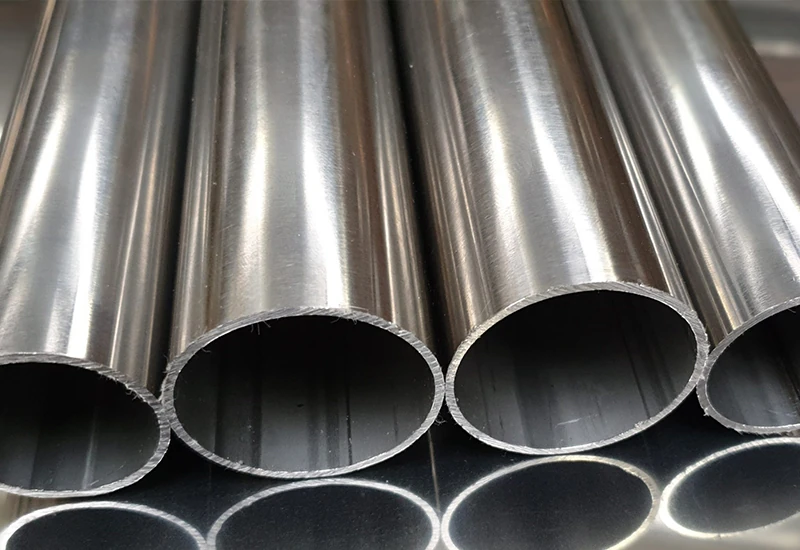
Стальные трубчатые сваи обладают исключительной способностью выдерживать осевую нагрузку и сопротивляться изгибу. Изготовлены в соответствии с ASTM A252 соответствующие стандартам (классы 1, 2 или 3) или спецификациям API 5L, они обеспечивают стабильные значения предела текучести и предела прочности на разрыв, подходящие для применения в сложных конструкциях. Их круглое поперечное сечение обеспечивает одинаковую устойчивость к поперечным нагрузкам из любого направления, а полый сердечник можно заполнить бетоном для увеличения несущей способности.
Эффективный монтаж для крупных проектов
Стальные сваи, вбиваемые в грунт, можно устанавливать с помощью ударных молотов, вибрационных молотов или гидравлических силовых установок. При установке они вытесняют грунт — уплотняя окружающий грунт, а не удаляя его, — что при подходящих грунтовых условиях может значительно сократить сроки строительства по сравнению с буровыми скважинами.
Применение в морском, мостовом и инфраструктурном строительстве
Стальные трубчатые сваи широко применяются в глубоком фундаментостроении для мостов, морских сооружений, морских платформ, высотных зданий и промышленных объектов. Забивные стальные трубчатые сваи большого диаметра по-прежнему остаются предпочтительным решением при устройстве фундаментов портов и мостов, поскольку сочетают в себе прочность, универсальность и проверенную долговечность.
Стальные трубчатые сваи LSAW и SSAW: какой вариант лучше?
Стальные трубчатые сваи LSAW
Трубы, изготовленные методом продольной сварки под флюсом (LSAW), формуются из отдельных стальных листов с использованием технологий JCOE или UOE. Сварной шов проходит ровно и параллельно оси трубы, что обеспечивает стабильную геометрию сварного шва и высокую конструкционную жесткость.
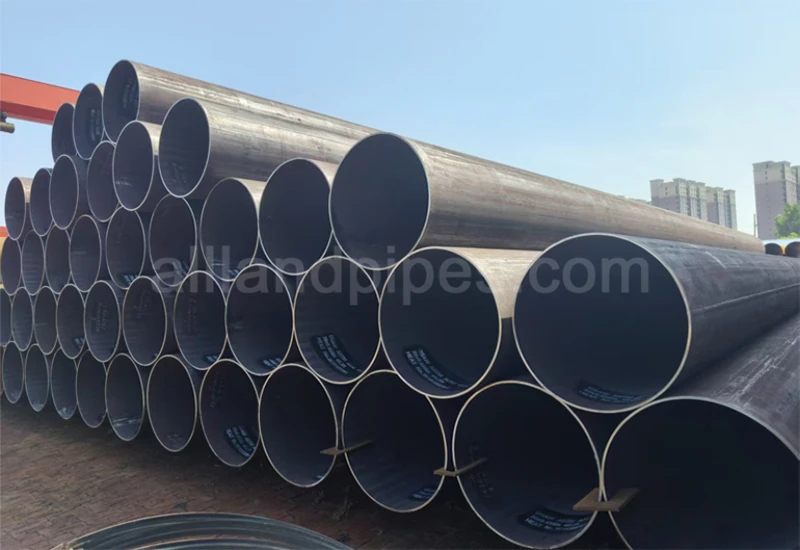
Основные технические характеристики:
- Диаметры: 406 мм – 1524 мм (16″ – 60″)
- Толщина стенки: до 60 мм
- ASTM A252, марки 1, 2, 3; API 5L Классы до X80
- Наилучшие области применения: моноопорные опоры для морских ветряных электростанций, мосты с высокой нагрузкой, глубоководные трубопроводы, тяжелая инфраструктура. Крупнейшие морские операторы требуют применения технологии LSAW с покрытием 100% UT+RT и DWTT для критически важных объектов.
Стальные трубчатые сваи SSAW
Трубы, изготовленные методом спиральной сварки под флюсом (SSAW), производятся из непрерывных стальных рулонов, сформированных в спиральную форму. Спиральный сварной шов огибает трубу под углом, что обеспечивает лучшую адаптацию к неравномерным перемещениям грунта и снижает производственные затраты.
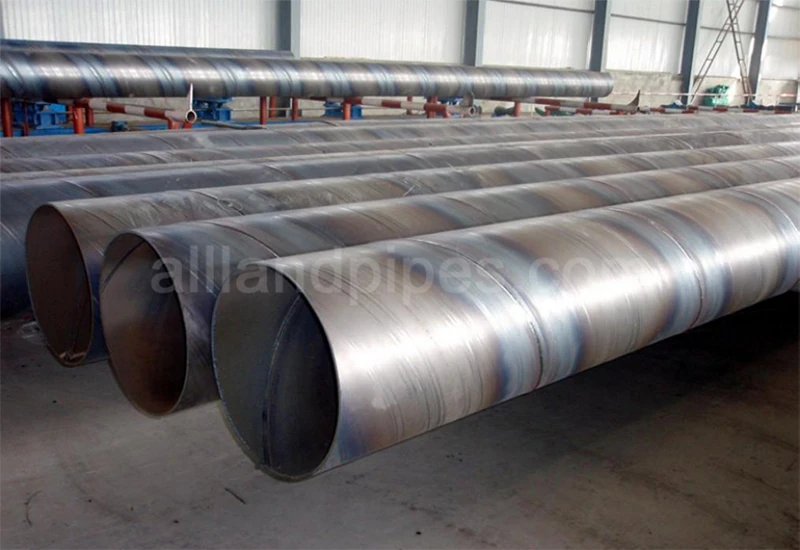
Основные технические характеристики:
- Диаметры: 219 мм – 2540 мм (8″ – 100″)
- Толщина стенки: до 25,4 мм
- Наилучшие области применения: порты, мелиорация земель, волнорезы, речные сооружения, трубопроводы низкого и среднего давления, временные сооружения.
Основные факторы, которые следует учитывать при выборе трубчатых свай
Требования к нагрузкам: для критически важных объектов инфраструктуры, подверженных высоким нагрузкам, таких как морские ветряные электростанции или мосты с большим весом, технология LSAW обеспечивает превосходную жесткость и целостность сварного шва. Для объектов с умеренными нагрузками или морских проектов с использованием труб большого диаметра технология SSAW представляет собой экономически эффективную альтернативу.
Характеристики грунта: При устройстве фундаментов на мягких грунтах, где существует вероятность неравномерной осадки, спиральный шов технологии SSAW обеспечивает более равномерное распределение напряжений, что позволяет фундаменту лучше адаптироваться к движениям грунта. Для стабильных конструкций, работающих под высоким давлением, прямой шов технологии LSAW обеспечивает большую конструктивную жесткость.
Диаметр и толщина стенки: Метод LSAW позволяет изготавливать трубы с большей толщиной стенки (до 60 мм), что необходимо для эксплуатации в условиях глубоководных или высоконагруженных сред. Метод SSAW более экономичен при изготовлении труб очень большого диаметра (до 100″), где толстые стенки не требуются.
Бюджет и график: SSAW значительно экономичнее, чем LSAW при сопоставимых диаметрах, что делает его оптимальным выбором для проектов с ограниченным бюджетом, в которых не требуется большая толщина стенок.
Заключение: выбор подходящего метода создания фундамента с учетом требований вашего проекта
Выбор между буровыми сваями и забивными стальными трубчатыми сваями, как правило, сводится к двум вопросам: каковы характеристики грунта и какие возможности предоставляет конкретная площадка?
На открытых строительных площадках с почвами от мягких до средней плотности и при сжатых сроках выполнения работ стальные трубчатые сваи, вбиваемые в грунт, практически не имеют себе равных. В городских условиях или при сложных грунтовых условиях буровые сваи обеспечивают тот уровень контроля, которого невозможно достичь при использовании методов вбивания.
Как только вы примете это решение, выбор типа труб — LSAW для критически важных применений с высокими нагрузками, SSAW для проектов с использованием труб большого диаметра, где важна экономичность — естественным образом вытекает из тех же проектных ограничений.
Если есть сомнения, пусть решает геотехнический отчет. Обычно он и решает.

ASTM A53 против API 5L: руководство по выбору и применению
В области промышленных трубопроводов ASTM A53 и API 5L - два ключевых стандарта, которые широко используются, но занимают совершенно разные позиции. ASTM...

Введение:Различия в технологиях определяют успех или неудачу, поэтому отбор должен быть “точным”.”
В нефте- и газотранспортной отрасли, коммунальной инфраструктуре и других крупных проектах разумный выбор процесса сварки стальных труб напрямую влияет на проект...
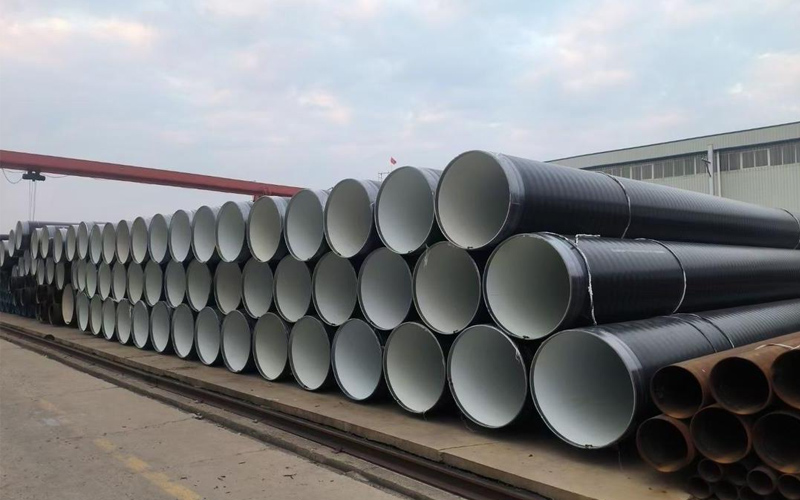
Анализ плотности стали: Основные различия между низкоуглеродистыми и среднеуглеродистыми сталями и их промышленное применение
Плотность стали - один из ключевых параметров, определяющих ее физические свойства и промышленное применение. Теоретическое состояние плотности стали...
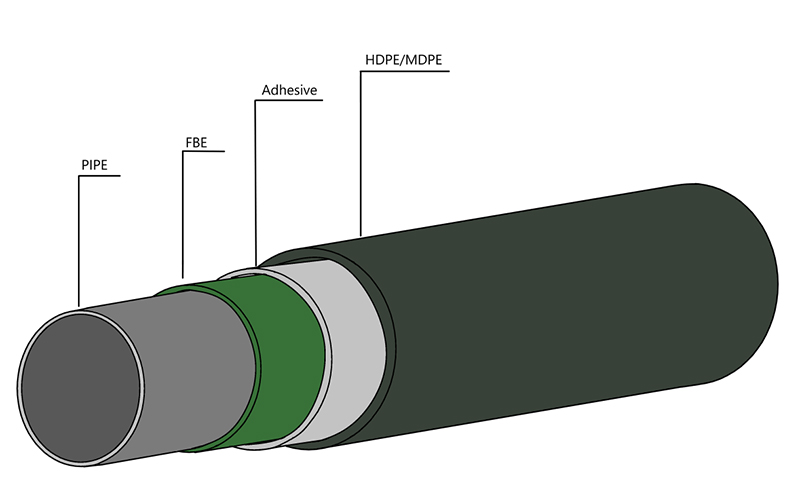
Стальная труба с покрытием 3LPE: надежный барьер в области защиты от промышленной коррозии
В суровых условиях нефтегазовой, химической промышленности, городских трубопроводных сетей и т.д. долговременная надежность и коррозионная стойкость трубопроводной системы...
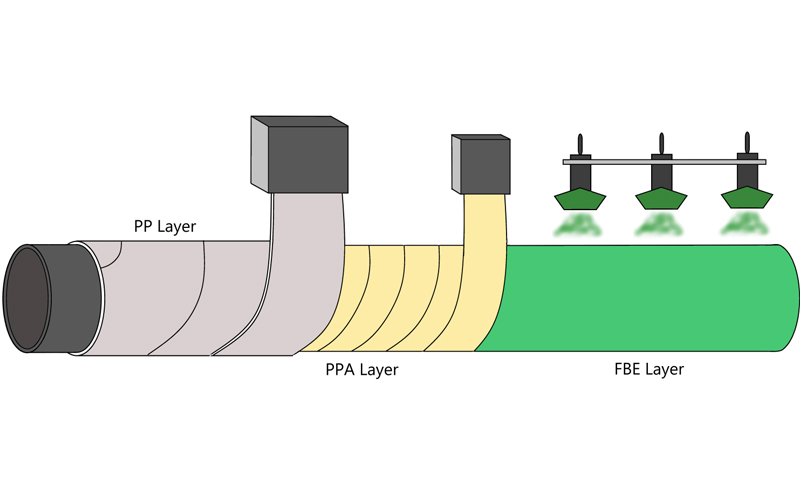
Труба с покрытием 3LPP: антикоррозийная защита в условиях высокой температуры и высокого давления
В некоторых сложных специальных условиях, таких как глубоководная разведка нефти и газа и транспортировка сырой нефти при высоких температурах, традиционные антикоррозионные покрытия сталкиваются со значительными трудностями,...
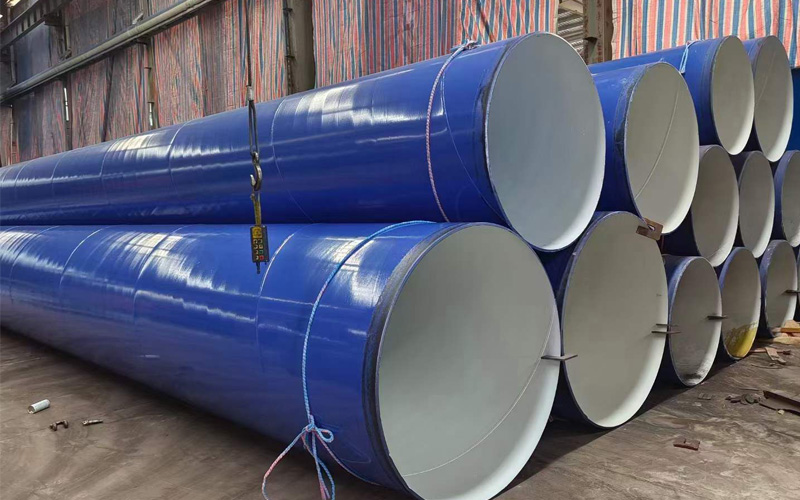
Стальная труба FBE: технологическая броня стальной линии обороны
I В ледяных водах под трубопроводом в Норвежском море участок трубы из углеродистой стали с футеровкой FBE прослужил 25...