








Введение
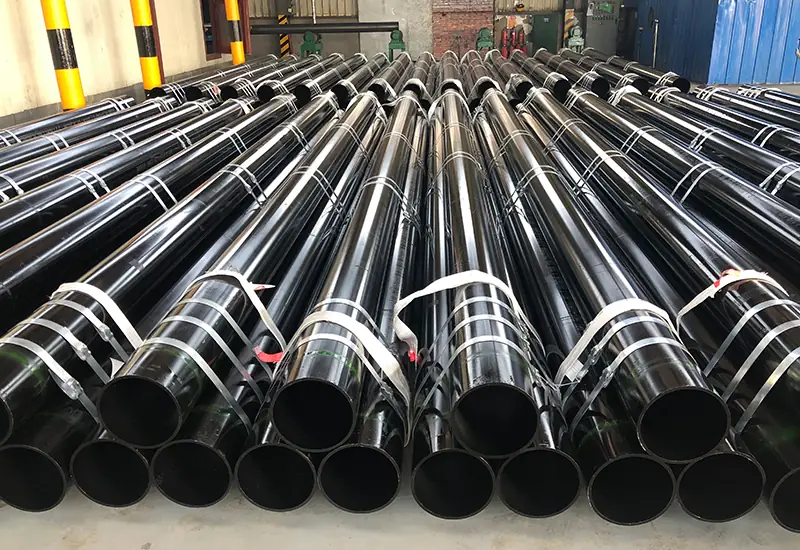
В сложной сети промышленных трубопроводов по всей Азии надежность и безопасность не подлежат обсуждению - особенно при транспортировке таких ключевых жидкостей, как вода, нефть и природный газ. Именно здесь JIS G 3454 выступает в качестве краеугольного стандарта, регулирующего производство и применение труба из углеродистой стали для работы под давлением. Для инженеров, руководителей проектов и специалистов по закупкам понимание этого стандарта очень важно для обеспечения целостности, соответствия и долгосрочной эксплуатационной эффективности системы.
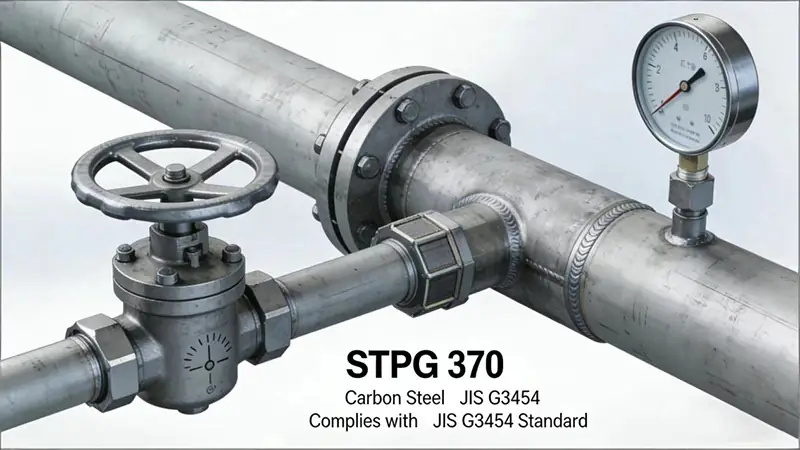
JIS G 3454 - это не просто набор технических спецификаций; это гарантия качества, которой доверяют в самых разных отраслях промышленности - от нефтехимии до энергетики. Поскольку спрос на безопасные и эффективные системы напорных трубопроводов продолжает расти, роль JIS G 3454-совместимого оборудования возрастает. стальная труба становится все более жизненно важным. В этом исчерпывающем руководстве вы узнаете все, что нужно знать о JIS G 3454, начиная с его основных определений и заканчивая практическим применением.
Что такое JIS G 3454?
JIS G 3454 - это японский промышленный стандарт (JIS), который определяет трубы из углеродистой стали для эксплуатации под давлением при самой высокой температуре около 350 градусов Цельсия. Эти трубы носят название “STPG” (общее давление стальных труб), что является обязательным для систем, в которых необходимо проводить гидравлические испытания.
Основные моменты
- Область применения: специально разработан для жидкостей под давлением с температурой ниже 350.
- Марки: две наиболее часто используемые марки - STPG 370 и STPG 410.
- Тестирование: В отличие от конструктивные трубопроводы (STK), JIS G 3454 требует испытания давлением воды для обеспечения герметичности.
- Размер: Для определения толщины стенки используется система нумерации труб (например, Sch 40, Sch 80).
Поймите это название: что такое STPG?
Обозначение “STPG” является ключевым для понимания соответствия стандарту JIS G 3454. стальная труба. Это аббревиатура, образованная от “Steel Tube Pressure General”, четко указывающая на то, что эти трубы предназначены для эксплуатации под давлением общего назначения.
Числа, следующие сразу за STPG-370 и 410, не менее важны. Они обозначают минимальную прочность на разрыв труба из углеродистой стали в н/мм² (мегапаскалях, МПа). В частности, STPG 370 имеет минимальную прочность на разрыв 370 н/мм², а STPG 410 - минимальную прочность на разрыв 410 н/мм². Этот показатель прочности на разрыв является ключевым фактором при выборе подходящей марки для конкретного применения.
Марки и методы производства JIS G 3454
Сравнение: STPG 370 против STPG 410
При выборе JIS G 3454 труба из углеродистой стали, Выбор между STPG 370 и STPG 410 зависит от конкретных требований проекта.
STPG 370 часто сравнивают с ASTM A 53 Grade A. Он обладает отличной пластичностью и обрабатываемостью, что делает его идеальным для применения в системах низкого и среднего давления, где простота установки и обработки является приоритетом. К числу распространенных областей применения относятся водопроводы, системы сжатия воздуха и общая транспортировка нефти в сценариях, не связанных с высоким давлением.
С другой стороны, STPG 410 аналогична ASTM A 53. Она имеет более высокие пределы прочности на растяжение и текучести, что делает ее пригодной для трубопроводов высокого давления с повышенными требованиями. Эта марка часто используется на нефтехимических заводах, электростанциях и в других промышленных условиях, где стальная труба должны выдерживать большую нагрузку.
Производство (бесшовное и ERW)
JIS G 3454 охватывает два основных производственных процесса для труба из углеродистой сталиБесшовная и электрическая сварка сопротивлением (ERW).
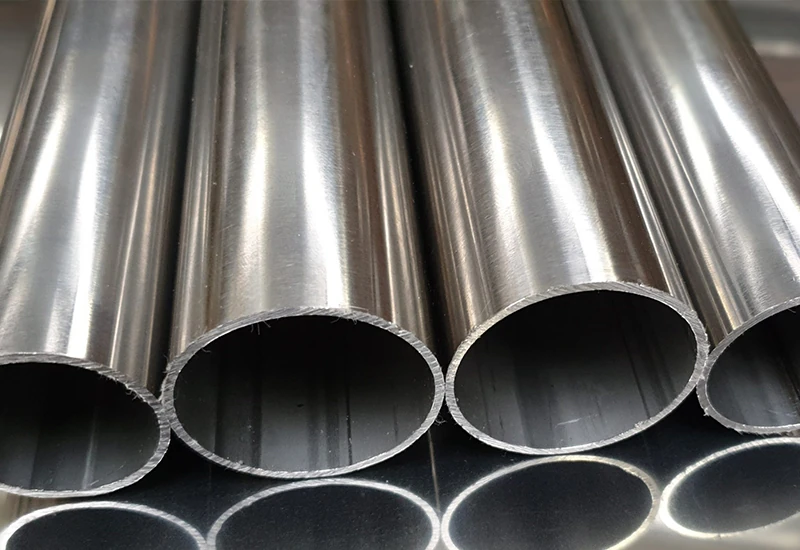
Бесшовные стальные трубы производятся путем экструзии цельной стальной заготовки в полую трубу, в результате чего получается труба без сварного шва. Такой метод производства повышает структурную целостность и устойчивость трубопровода к давлению, что делает бесшовные трубы JIS G 3454 идеальным выбором для применения в условиях высокого давления и высоких температур (до 350 градусов Цельсия).
ERW труба из углеродистой стали изготавливается путем прокатки стальных полос в форму трубы и сварки краев током. Трубопроводы ERW экономически эффективны и подходят для многих применений среднего напряжения. Однако они должны проходить строгий контроль качества, включая неразрушающий контроль, чтобы гарантировать целостность сварки.
Технические характеристики (химия и оборудование)
Химические и механические свойства JIS G 3454 стальная труба строго регламентированы для обеспечения стабильной производительности и безопасности. В следующей таблице приведено сравнение основных технических характеристик STPG 370 и STPG 410. Данные взяты из официальных документов JIS и отраслевых стандартов.
| Класс | Углерод (макс.) | Предел текучести (мин.) | Прочность на разрыв (мин.) | Типовое применение |
| STPG 370 | 0.25% | 215 Н/мм² | 370 Н/мм² | Вода, воздух, транспортировка нефти |
| STPG 410 | 0.30% | 245 Н/мм² | 410 Н/мм² | Нефте- и газопровод высокого давления, нефтехимический завод |
Источник: Японские промышленные стандарты (JIS)
Требования к испытанию трубопроводов JIS G 3454 гидростатическим давлением
Одним из важнейших требований стандарта JIS G 3454 является обязательное проведение гидростатических испытаний для всех трубопроводы из углеродистой стали на которые распространяется действие настоящего стандарта. Этот процесс испытаний предназначен для проверки способности трубы выдерживать давление без утечек, что является критически важным показателем безопасности при эксплуатации под давлением. Помимо элементарного обнаружения утечек, гидростатические испытания также помогают выявить потенциальные дефекты материала или производственные недостатки, которые могут ухудшить характеристики трубы в реальных условиях эксплуатации. Для промышленных проектов прохождение такого испытания является не только требованием соответствия, но и ключевым шагом к снижению эксплуатационных рисков, поскольку неисправные напорные трубопроводы могут привести к дорогостоящим простоям, экологическим угрозам и даже угрозе безопасности персонала. В практическом применении сторонние испытательные организации часто контролируют процесс испытаний, чтобы обеспечить строгое соответствие стандартам JIS G 3454 и еще больше повысить надежность стальные трубные изделия.
Этапы испытания стальной трубы JIS G 3454 на давление воды следующие:
1. Полностью заполните трубопровод водой, чтобы в ней не осталось пузырьков (пузырьки могут повлиять на точность теста).
2. Приложите указанное гидростатическое давление, которое зависит от номера трубы (Sch). Например, для труб Sch 40 требуется минимальное давление 6,0 МПа, а для труб Sch 80 - 12,0 МПа.
3. Поддерживайте давление в течение не менее 5 секунд, чтобы обнаружить возможную утечку.
4. Проверьте, нет ли в трубопроводе утечек, деформации или других признаков повреждения. Если проблем не обнаружено, трубопровод проходит испытание.
Почему JIS G 3454 не используется для конструкционных целей (СТК запутался)
Распространенным и опасным заблуждением в промышленности является то, что JIS G 3454 (STPG) труба из углеродистой стали и JIS G 3444 (STK) трубы из конструкционной стали могут использоваться как взаимозаменяемые. Такая путаница может привести к серьезным рискам безопасности, поскольку эти два стандарта предназначены для совершенно разных целей.
Основное различие заключается в требованиях к безопасности: JIS G 3454 стальная труба был разработан с учетом инженерных требований для обеспечения герметичности. Обязательное испытание на гидростатическое давление и строгие спецификации материалов гарантируют, что трубопровод не даст течи при транспортировке жидкости под давлением, что является ключевой характеристикой безопасности для любой системы обслуживания под давлением.
В отличие от них, структурные трубы STK (JIS G 3444) специально разработаны для применения в несущих конструкциях. Они не требуют гидростатических испытаний, а свойства их материала оптимизированы для обеспечения прочности конструкции, а не герметичности. Использование труб STK в условиях эксплуатации под давлением, указанных в JIS G 3454, является серьезным нарушением техники безопасности, которое может привести к утечке, разрыву трубы и возможным катастрофическим авариям.
Часто задаваемые вопросы JIS G 3454
Вопрос: какой стандарт ASTM эквивалентен стандарту JIS G 3454?
A: JIS G 3454 обычно эквивалентен ASTM A 53 или API 5L。 STPG 370 эквивалентен ASTM A 53 A, а STPG 410 соответствует ASTM A 53 B.
Вопрос: Могу ли я использовать трубный пар JIS G 3454?
О: Да, но она применима только для паровых систем, где температура не превышает 350 градусов Цельсия. При более высоких температурах пара вместо него следует использовать JIS G 3456 (трубы из легированной стали с покрытием).
Вопрос: что означает “Sch 40” в JIS G 3454?
О: “Sch 40” относится к классу толщины стенки труба из углеродистой стали. Хотя система нумерации графиков схожа с американскими стандартами, удельная толщина стенки (в миллиметрах) зависит от диаметра трубы, поэтому мы должны обратиться к официальным таблицам размеров JIS G 3454.
Выводы и CTA
JIS G 3454 (STPG) является предпочтительным стандартом для обеспечения безопасности и надежности систем транспортировки жидкостей среднего и низкого давления во всей Азии. Его строгие спецификации для трубы из углеродистой стали, В результате, включая определенные марки, обязательные испытания гидростатическим давлением и четкие стандарты размеров, он стал краеугольным камнем целостности промышленных трубопроводов.
Правильный выбор марки (STPG 370 для общего применения и STPG 410 для высокого давления) и технологии производства (бесшовная или ERW) очень важен для удовлетворения требований проекта и обеспечения долгосрочных эксплуатационных характеристик. Следуя стандартам JIS G 3454, вы сможете избежать распространенных ловушек, таких как замена труб STK, работающих под давлением, на конструкционные трубы STK, тем самым защищая вашу систему, персонал и инвестиции. Ищете высококачественный трубопровод JIS G 3454 для вашего проекта? Allland предлагает полный ассортимент труб STPG 370 и 410, прошедших строгие испытания давлением воды. Наш стальная труба Продукция полностью соответствует стандартам JIS G 3454, обеспечивая надежность и безопасность, необходимые для вашего проекта. Свяжитесь с нами прямо сейчас, чтобы узнать больше о нашей линейке продукции и получить индивидуальное предложение.

ASTM A53 против API 5L: руководство по выбору и применению
В области промышленных трубопроводов ASTM A53 и API 5L - два ключевых стандарта, которые широко используются, но занимают совершенно разные позиции. ASTM...

Введение:Различия в технологиях определяют успех или неудачу, поэтому отбор должен быть “точным”.”
В нефте- и газотранспортной отрасли, коммунальной инфраструктуре и других крупных проектах разумный выбор процесса сварки стальных труб напрямую влияет на проект...
Анализ плотности стали: Основные различия между низкоуглеродистыми и среднеуглеродистыми сталями и их промышленное применение
Плотность стали - один из ключевых параметров, определяющих ее физические свойства и промышленное применение. Теоретическое состояние плотности стали...
Стальная труба с покрытием 3LPE: надежный барьер в области защиты от промышленной коррозии
В суровых условиях нефтегазовой, химической промышленности, городских трубопроводных сетей и т.д. долговременная надежность и коррозионная стойкость трубопроводной системы...
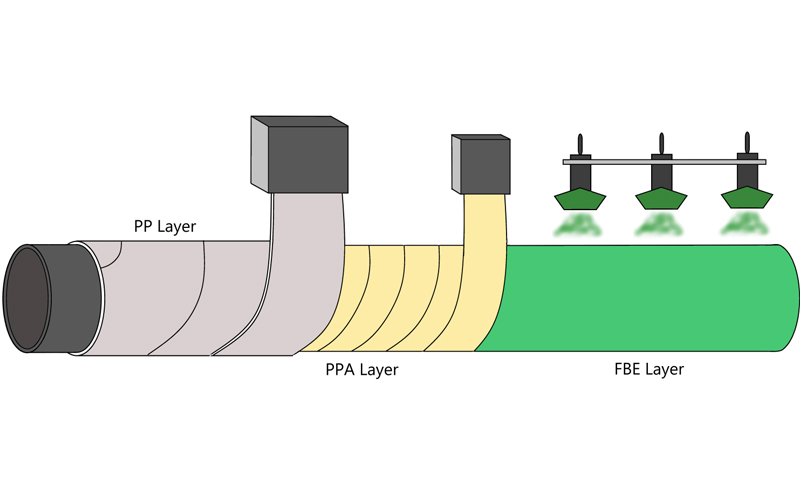
Труба с покрытием 3LPP: антикоррозийная защита в условиях высокой температуры и высокого давления
В некоторых сложных специальных условиях, таких как глубоководная разведка нефти и газа и транспортировка сырой нефти при высоких температурах, традиционные антикоррозионные покрытия сталкиваются со значительными трудностями,...
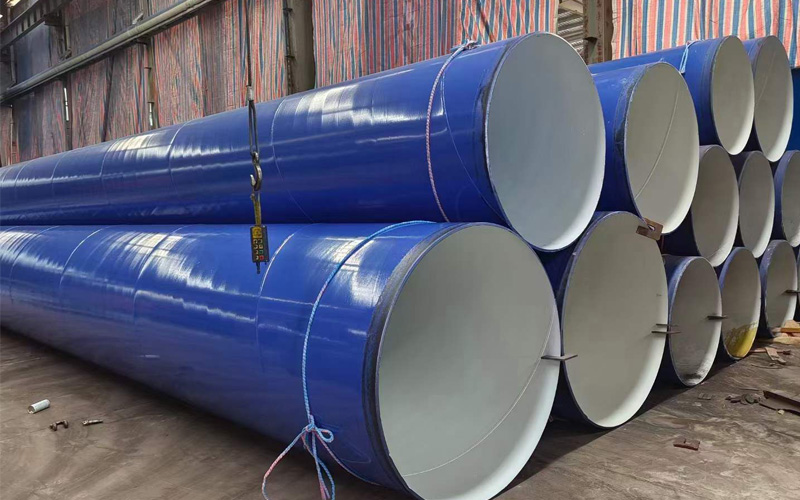
Стальная труба FBE: технологическая броня стальной линии обороны
I В ледяных водах под трубопроводом в Норвежском море участок трубы из углеродистой стали с футеровкой FBE прослужил 25...