








В промышленном и строительном секторах немногие термины встречаются так часто, как “Schedule 40” - спецификация, которая служит основой бесчисленных трубопроводных систем по всему миру. Независимо от того, занимаетесь ли вы городским водоснабжением, транспортировкой нефти и газа или строительством коммерческих объектов, понимание Труба 40-го калибра является необходимым для обеспечения структурной целостности, экономичности и соответствия промышленным стандартам. Но что на самом деле означает термин “Schedule 40”? Вопреки распространенному заблуждению, это не мера диаметра трубы, а стандартизированный класс, определяющий толщину стенки и несущую способность стальных труб. Будучи самой распространенной спецификацией труб в промышленности, трубы Schedule 40 сочетают в себе прочность и цену и являются первым выбором для обычных и крупных применений. В этой статье мы подробно рассмотрим технические характеристики труб Schedule 40, изучим их размеры и номинальное давление, а также подчеркнем важнейшую роль, которую играют Стальная труба SSAW играет роль в соблюдении стандартов Schedule 40 для тяжелых промышленных проектов. Кроме того, мы поможем вам разобраться в выборе материала, областях применения и в том, как выбрать подходящую трубу для вашего проекта.
Что на самом деле означает термин “Schedule 40”?
Для того чтобы полностью понять значение трубы Schedule 40, необходимо уточнить значение термина “Schedule” в трубной среде. Сорт“ трубы - это числовое название, установленное отраслевыми стандартами, которое используется для обозначения соотношения между номинальным диаметром трубы и толщиной ее стенки, а не диаметром. Другими словами, две трубы с одинаковым номинальным диаметром, но разного сортамента, будут иметь разную толщину стенки, что напрямую влияет на их несущую способность и прочность конструкции. Труба Schedule 40 имеет умеренную толщину стенки, что обеспечивает баланс между долговечностью и стоимостью, делая ее наиболее распространенной и широко используемой в жилых, коммерческих и промышленных помещениях.
Ключевое различие, которое необходимо понять, - это разница между номинальным размером трубы (NPS) и графиком. NPS - это безразмерный показатель, который описывает приблизительный размер трубы, в то время как график определяет толщину стенки относительно NPS. Например, наружный диаметр трубы NPS 4 Schedule 40 составляет 4,5 дюйма (114,3 мм), а толщина стенки - 0,237 дюйма (6,02 мм), в то время как наружный диаметр трубы NPS 10 Schedule 40 составляет 10,75 дюйма (273 мм), а толщина стенки - 0,365 дюйма (9,27 мм) Это соотношение обеспечивает единообразие различных размеров труб и позволяет инженерам и подрядчикам выбрать подходящую трубу Schedule 40 в зависимости от конкретных требований к давлению и нагрузке.
Стандартизация труб Schedule 40 осуществляется двумя основными промышленными стандартами: ASME B36.10M и ASTM. ASME B36.10M определяет размеры, допуски и вес сварных и бесшовных кованых стальных труб, включая трубы Schedule 40, в то время как стандарты ASTM (такие как ASTM A53 и ASTM A106) определяют требования к материалам и стандарты эксплуатационных характеристик труб из углеродистой стали, используемых в системах Schedule 40. Эти стандарты гарантируют, что трубы Schedule 40, произведенные SSAW труба производители и другие поставщики соблюдают единые стандарты качества и безопасности, независимо от метода производства или материала.
Расписание 40 Pипе Dрасширения и Wвосемь
Трубы Schedule 40 часто называют “стандартной толщиной стенки”, поскольку их толщина оптимизирована для удовлетворения требований к давлению в большинстве распространенных областей применения без чрезмерного использования материала. Толщина стенки труб Schedule 40 увеличивается с увеличением номинального диаметра, чтобы сохранить структурную целостность и способность выдерживать давление - трубы большего диаметра должны иметь более толстые стенки, чтобы выдерживать то же внутреннее давление, что и трубы меньшего диаметра. Например, толщина стенки трубы NPS 1/8 Schedule 40 составляет 0,068 дюйма (1,73 мм), а толщина стенки трубы NPS 24 Schedule 40 составляет 0,688 дюйма (17,48 мм). Такое постепенное увеличение толщины стенки гарантирует, что труба сможет надежно выдерживать внутреннее давление без изгибов и разрывов.
Вес труб Schedule 40 также зависит от диаметра и материала, поскольку чем больше толщина стенок и плотность материала, тем тяжелее труба. Например, труба Schedule 40 из углеродистой стали с плоским концом NPS 4 весит примерно 10,8 фунта на фут (16,08 кг/м), а труба Schedule 40 NPS 10 весит 40,52 фунта на фут (60,29 кг/м). Эта разница в весе очень важна для транспортировки, монтажа и проектирования конструкций, поскольку тяжелым трубам может потребоваться специальное оборудование для перемещения и поддержки.
Номинальное давление Труба 40-го калибра напрямую зависит от толщины стенки, материала и рабочей температуры. В целом, трубы Schedule 40 из углеродистой стали могут легко выдерживать стандартное рабочее давление, необходимое для большинства коммерческих и промышленных систем, но точное значение давления зависит от диаметра трубы и температуры. Класс давления рассчитывается по модифицированной формуле Барлоу, которая учитывает толщину стенки, внешний диаметр, допустимое напряжение и качество соединения, и гарантирует, что труба сможет надежно выдержать ожидаемое давление жидкости без каких-либо повреждений. Это делает трубы Schedule 40 идеальным выбором для применения в системах среднего и низкого давления, таких как коммунальное водоснабжение и транспортировка нефти и газа под низким давлением.
SSAW SТиль Pипе и Sзубец 40 Sтандем
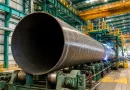
Стальная труба SSAW (спиральная стальная труба, сваренная дуговой сваркой под флюсом) обычно является первым выбором, когда речь идет о крупных промышленных проектах, требующих труб большого диаметра Schedule 40. Стальная труба SSAW изготавливается путем сгибания непрерывной стальной полосы в спиральную форму и сварки шва под флюсом. Этот процесс обеспечивает прочные и равномерные сварные швы и отличную структурную целостность. Процесс спиральной формовки позволяет гибко изменять диаметр и длину трубы, что дает возможность производить трубы большого диаметра Стальная труба SSAW (с внешним диаметром от 219 мм до 2032 мм), отвечающие стандарту толщины стенки Schedule 40.
Одним из главных преимуществ стальных труб SSAW является то, что они могут соответствовать стандартам Schedule 40 для специальных применений. В крупных проектах, таких как муниципальные водоочистные сооружения, транснациональные трубопроводные системы и фундаментные сваи, стальные трубы SSAW часто изготавливаются на заказ, чтобы соответствовать требованиям к толщине стенки по стандарту Schedule 40, чтобы сбалансировать прочность и стоимость. Например, в водопроводе большого диаметра, по сравнению с бесшовными или прямошовными трубами, стальные трубы SSAW с толщиной стенки Schedule 40 могут обеспечить достаточную несущую способность для транспортировки воды на большие расстояния при сохранении экономической целесообразности.
Стальные трубы SSAW имеют ряд очевидных преимуществ, особенно для труб большого диаметра. Во-первых, спиральный сварной шов равномерно распределяет нагрузку на всю трубу, делая ее более устойчивой к внутреннему давлению и внешним нагрузкам, чем прямошовные трубы. Во-вторых, непрерывный процесс производства стальных труб SSAW снижает отходы материалов и производственные затраты, что делает их экономически эффективным выбором для крупномасштабных проектов. В-третьих, стальные трубы SSAW могут производиться большой длины (до 12 метров и более), что уменьшает количество необходимых стыков и минимизирует риск утечки. Эти преимущества делают стальные трубы SSAW лучшим выбором для Производители труб SSAW и инженеры, работающие над крупными проектами Schedule 40.
Как ведущий производитель труб и производитель SSAW труб в Китае, Allland Pipes специализируется на производстве высококачественных стальных труб SSAW, которые соответствуют стандартам Schedule 40. Allland трубы используют высококачественные ленты углеродистой стали и передовые технологии сварки под флюсом, чтобы гарантировать, что каждая стальная труба SSAW имеет постоянную толщину стенки, однородное качество сварки и надежную несущую способность давления. Кроме того, компания Allland Pipes предлагает индивидуальные решения по изготовлению труб SSAW по стандарту Schedule 40, включая трубы SSAW большого диаметра (до DN 900 и более), изготовленные в соответствии с конкретными требованиями промышленных, муниципальных и инфраструктурных проектов. Трубы Schedule 40 имеют множество материалов на выбор, и каждый материал подходит для различных применений, в зависимости от коррозионной стойкости, термостойкости и стоимости.
Общий Mматериалы Sch 40 Pипе
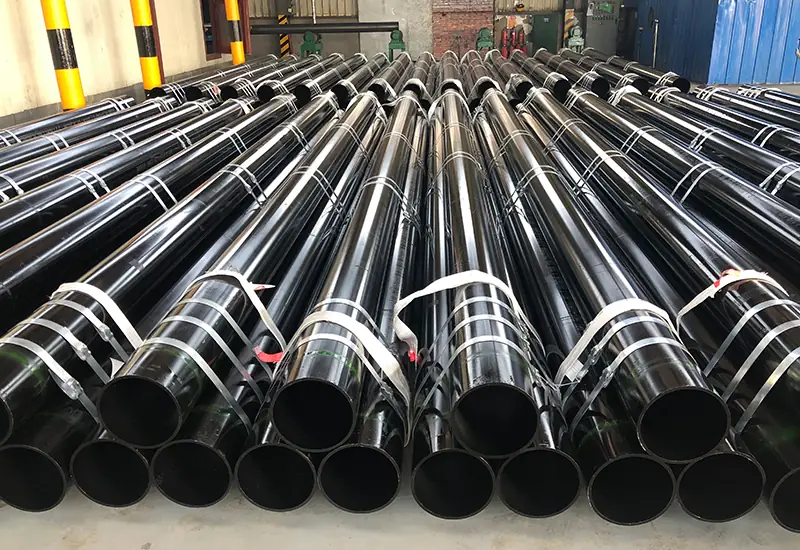
Трубы Schedule 40 изготавливаются из различных материалов, каждый из которых подходит для разных областей применения, в зависимости от коррозионной стойкости, термостойкости и стоимости. Наиболее часто используемым материалом для изготовления труб по графику 40 является углеродистая сталь, особенно ASTM A53 и ASTM A106. Трубы ASTM A53 из углеродистой стали с сечением 40 широко используются в водоснабжении, транспортировке нефти и газа, а также в конструкциях благодаря своей отличной прочности и доступной цене. Труба ASTM A106 из углеродистой стали марки Schedule 40 предназначена для высокотемпературных применений, что делает ее пригодной для паропроводов и промышленных процессов, протекающих при высоких температурах.
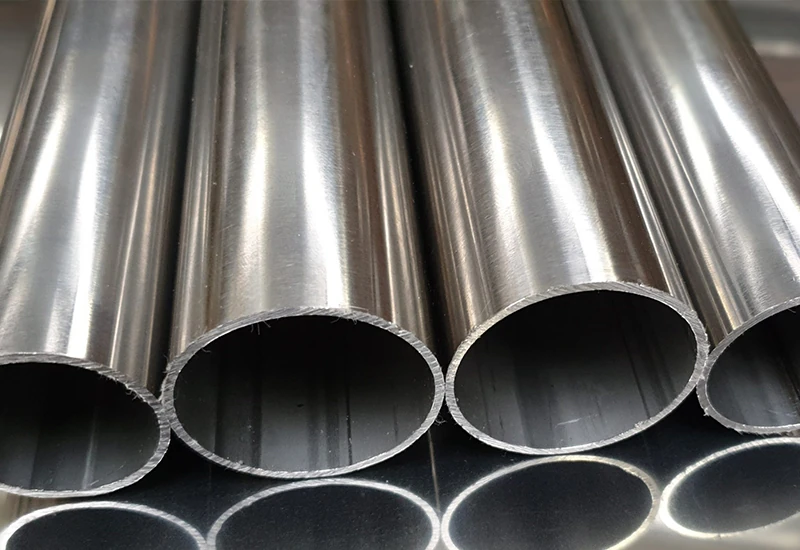
Нержавеющая сталь - еще один популярный материал для труб Schedule 40, особенно в тех областях, где коррозионная стойкость имеет решающее значение. Трубы Schedule 40 из нержавеющей стали (обычно соответствующие стандарту ASTM A312) используются в химической промышленности, производстве продуктов питания и напитков, а также в судостроении, поскольку они способны противостоять ржавчине, коррозии и химическим повреждениям. Хотя трубы из нержавеющей стали Schedule 40 стоят дороже, чем из углеродистой стали, их долговечность и низкая потребность в обслуживании делают их экономичным и эффективным выбором для долгосрочного применения в суровых условиях.
Неметаллические материалы, такие как ПВХ (поливинилхлорид), также используются для изготовления труб по графику 40, в основном для жилых и легких коммерческих помещений. Труба ПВХ Schedule 40 легка, устойчива к коррозии и проста в установке, что делает ее идеальной для водопровода, ирригации и дренажных систем. В отличие от металлической трубы Schedule 40, труба ПВХ не подходит для применения при высоких температурах или высоком давлении, но она представляет собой экономичный и эффективный альтернативный продукт для низкого давления и неиндустриальных применений. Ее также можно визуально отличить от металлической трубы Schedule 40, которая обычно имеет белый цвет.
Расписание 40 Aприменения Pipes
Универсальность трубы Schedule 40 делает ее пригодной для широкого спектра применений во всех сферах жизни, от жилых домов до крупных промышленных объектов. Одно из самых распространенных применений - это трубы для городского водоснабжения. По трубам Schedule 40 (обычно из углеродистой стали или ПВХ) питьевая вода поступает от водоочистных станций в жилые дома, на предприятия и в общественные учреждения. Умеренная толщина стенок и способность выдерживать давление трубы Schedule 40 обеспечивают ее соответствие потребностям крупномасштабного водоснабжения при сохранении экономической эффективности.
В нефтяной и газовой промышленности трубы Schedule 40 используются для транспортировки нефти и природного газа под низким давлением, особенно в сборных трубопроводах и распределительных системах. Стальная труба SSAW, соответствующая стандартам Schedule 40, обычно является первым выбором для этих целей, поскольку ее большой диаметр и прочный сварной шов позволяют использовать ее для транспортировки нефти и природного газа на большие расстояния с минимальным риском утечки. Кроме того, трубы стандарта Schedule 40 используются для вспомогательных систем нефтегазоперерабатывающих предприятий, таких как закачка воды и очистка сточных вод.
Строительство и забивка свай - еще одна ключевая область применения стальных труб Schedule 40, особенно стальных труб SSAW. Стальные трубы SSAW с толщиной стенки Schedule 40 используются в качестве свайных фундаментов зданий, мостов и морских сооружений в строительном строительстве. Спиральный шов стальной трубы SSAW обеспечивает отличную структурную прочность, позволяя ей выдерживать вес больших конструкций и противостоять давлению грунта и гидравлическому давлению. Благодаря этому трубы Расписания 40 Труба SSAW надежный выбор для свайных фундаментов на суше и на шельфе.
Системы HVAC (отопления, вентиляции и кондиционирования воздуха) также используют трубы Schedule 40 для циркуляции горячей и холодной воды. Трубы Schedule 40 из углеродистой стали обычно используются в коммерческих и промышленных системах HVAC, поскольку они способны выдерживать умеренные давления и температуры, связанные с системами отопления и охлаждения. Прочность и коррозионная стойкость труб Schedule 40 обеспечивают эффективную и надежную работу систем HVAC в течение многих лет.
Расписание 40 vs. Расписание 80: Что такое Dификацию?
Хотя Расписание 40 труба является наиболее широко используемым сортом труб, его часто сравнивают с трубой Schedule 80, которая предназначена для применения при высоком давлении. Основное различие между трубами Schedule 40 и Schedule 80 заключается в толщине стенки: при одинаковом номинальном диаметре толщина стенки труб Schedule 80 больше, чем у труб Schedule 40. Например, толщина стенки трубы NPS 4 Schedule 40 составляет 0,237 дюйма (6,02 мм), в то время как толщина стенки трубы NPS 4 Schedule 80 составляет 0,337 дюйма (8,56 мм). Такая толстая стенка делает трубы Schedule 80 более тяжелыми и дорогими, чем Schedule 40.
Более толстая стенка труб Schedule 80 также обеспечивает более высокую пропускную способность. Благодаря более толстым стенкам трубы Schedule 80 выдерживают значительно большее давление, чем трубы Schedule 40 при тех же условиях. Это делает трубы Schedule 80 пригодными для применения в системах высокого давления, таких как химическая обработка, газопроводы высокого давления и промышленные системы, работающие при высоком давлении. В отличие от них, трубы Schedule 40 больше подходят для применения в системах среднего и низкого давления, а их низкая стоимость и малый вес являются их очевидными преимуществами.
Еще одно ключевое различие между трубами Schedule 40 и Schedule 80 - визуальное распознавание, особенно для труб из ПВХ. Трубы ПВХ Schedule 40 обычно белые, а трубы ПВХ Schedule 80 - серые, поэтому их легко отличить на строительных площадках. Для металлических труб разница менее очевидна, но трубы Schedule 80 заметно тяжелее и имеют меньший внутренний диаметр (за счет более толстой стенки), чем трубы Schedule 40 того же номинального диаметра. Этот меньший внутренний диаметр снижает циркуляционную способность, что является еще одним фактором, который следует учитывать при выборе между двумя схемами.
Как выбрать A. Pипе для Yнаш проект?
Выбор подходящей трубы для вашего проекта требует тщательного учета нескольких ключевых факторов, включая рабочее давление, температуру, тип жидкости и размер проекта. Прежде всего, необходимо определить максимальное рабочее давление в системе, поскольку от этого будут зависеть требуемые характеристики трубопровода. Если ваш проект предполагает среднее и низкое давление (до 40 бар), то Расписание 40 труба может быть наиболее экономичным и подходящим выбором. Для применения при высоком давлении (свыше 40 бар) могут потребоваться трубы Schedule 80 или более высокого класса.
Рабочая температура - еще один ключевой фактор, поскольку высокие температуры могут снизить несущую способность труб Schedule 40. Например, труба Schedule 40 из углеродистой стали может не подойти для применения в условиях, где температура превышает 200 градусов Цельсия, поскольку прочность материала при высоких температурах снижается. В этом случае для обеспечения целостности конструкции может потребоваться труба Schedule 40 из нержавеющей стали или материал более высокого класса.
Тип транспортируемой жидкости также влияет на выбор трубы. Для коррозийных жидкостей (таких как химикаты или соленая вода) рекомендуется использовать трубы из нержавеющей стали или ПВХ по стандарту Schedule 40, чтобы предотвратить коррозию и продлить срок службы трубы. Для некоррозионных жидкостей (таких как питьевая вода или воздух) экономичным и эффективным вариантом является труба из углеродистой стали марки Schedule 40. Кроме того, если жидкость содержит твердые частицы или мусор, может потребоваться труба Schedule 40 с большим внутренним диаметром для предотвращения засорения.
Для проектов большого диаметра (таких как муниципальные водопроводы, трубы повышенной проходимости или фундаментные сваи) настоятельно рекомендуется использовать стальные трубы SSAW, соответствующие стандартам Schedule 40. Стальные трубы SSAW обеспечивают ряд преимуществ для применения в трубопроводах большого диаметра, включая экономическую эффективность, структурную прочность и гибкость в отношении длины и диаметра. Будучи надежным производителем труб SSAW, компания Allland Pipes может обеспечить индивидуальное изготовление труб большого диаметра SSAW труба решения в соответствии со стандартами Schedule 40, обеспечивая надежность и экономичность ваших масштабных проектов.
Заключение
Труба Schedule 40 является краеугольным камнем промышленной и строительной индустрии, обеспечивая идеальный баланс прочности, цены и универсальности. Стандартизированная толщина стенки стальной трубы и несущая способность делают ее пригодной для широкого спектра применений - от бытовых трубопроводов до крупных промышленных проектов. Очень важно знать технические детали труб Schedule 40, включая их размеры, класс давления и варианты материалов, чтобы выбрать подходящую трубу для вашего проекта.
Стальные трубы SSAW играют ключевую роль в крупномасштабных проектах, где требуются стальные трубы большого диаметра Schedule 40. Уникальная технология производства, прочность конструкции и экономичность делают ее первым выбором для Производитель стальных труб SSAWи инженеров. Allland Pipes является ведущим производителем труб и SSAW труб в Китае, специализируется на производстве высококачественных стальных труб SSAW, соответствующих стандартам Schedule 40, и предоставляет индивидуальные решения для промышленных, муниципальных и инфраструктурных проектов.
Независимо от того, работаете ли вы над небольшим жилым проектом или крупным промышленным объектом, выбор правильной трубы Schedule 40 и стальной трубы SSAW имеет решающее значение для обеспечения долгосрочного успеха и безопасности вашего проекта. Как и в случае с трубами Allland, обладая правильными знаниями и надежным производителем труб SSAW, вы сможете выбрать идеальное решение в соответствии с вашими потребностями.

ASTM A53 против API 5L: руководство по выбору и применению
В области промышленных трубопроводов ASTM A53 и API 5L - два ключевых стандарта, которые широко используются, но занимают совершенно разные позиции. ASTM...

Введение:Различия в технологиях определяют успех или неудачу, поэтому отбор должен быть “точным”.”
В нефте- и газотранспортной отрасли, коммунальной инфраструктуре и других крупных проектах разумный выбор процесса сварки стальных труб напрямую влияет на проект...
Анализ плотности стали: Основные различия между низкоуглеродистыми и среднеуглеродистыми сталями и их промышленное применение
Плотность стали - один из ключевых параметров, определяющих ее физические свойства и промышленное применение. Теоретическое состояние плотности стали...
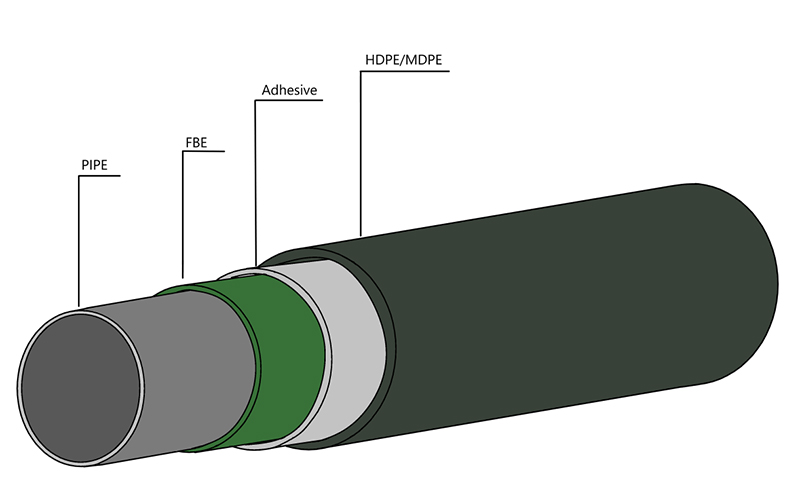
Стальная труба с покрытием 3LPE: надежный барьер в области защиты от промышленной коррозии
В суровых условиях нефтегазовой, химической промышленности, городских трубопроводных сетей и т.д. долговременная надежность и коррозионная стойкость трубопроводной системы...
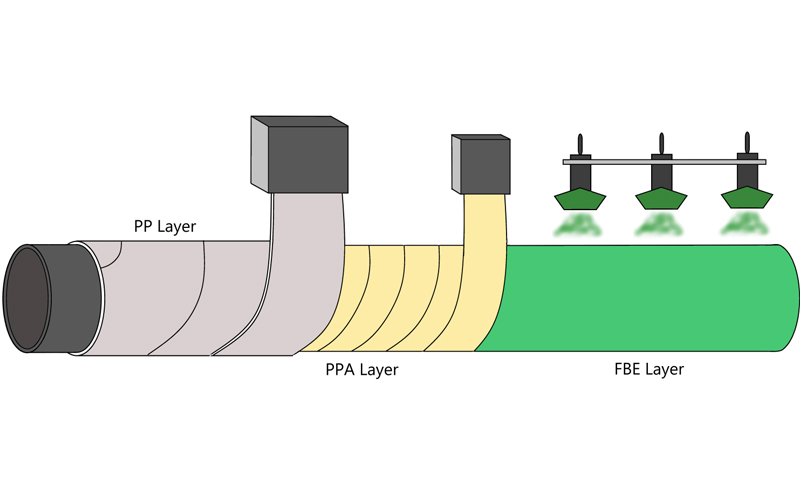
Труба с покрытием 3LPP: антикоррозийная защита в условиях высокой температуры и высокого давления
В некоторых сложных специальных условиях, таких как глубоководная разведка нефти и газа и транспортировка сырой нефти при высоких температурах, традиционные антикоррозионные покрытия сталкиваются со значительными трудностями,...
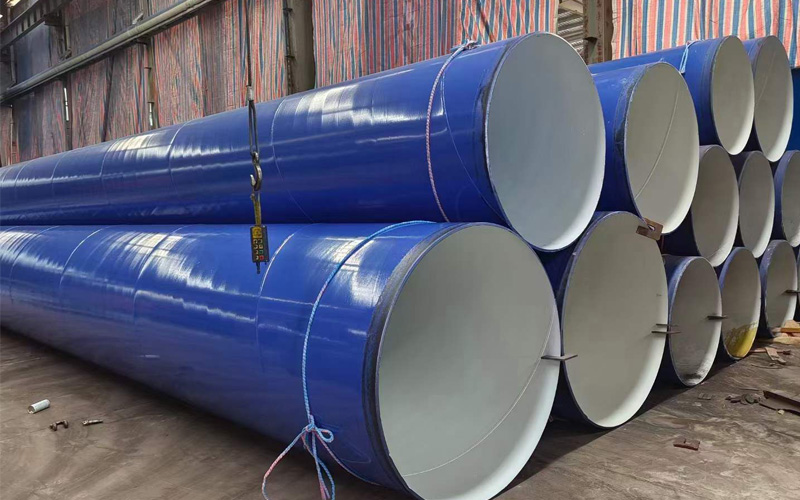
Стальная труба FBE: технологическая броня стальной линии обороны
I В ледяных водах под трубопроводом в Норвежском море участок трубы из углеродистой стали с футеровкой FBE прослужил 25...