






مقدمة
في مجالات النفط والغاز والإنشاءات والسلامة من الحرائق ومعالجة السوائل الصناعية، غالبًا ما يتناقش المشترون والمهندسون حول ما إذا كان يجب استخدام أنابيب جدول 40 أو جدول 80. من سوء الفهم الشائع أن جدول الأنابيب يشير فقط إلى القطر الخارجي. في الواقع، يحدد الجدول الزمني سمك الجدار وفئة الضغط والقوة الهيكلية والتكلفة الإجمالية للملكية. غالبًا ما يؤدي هذا الخلط إلى الإفراط في الهندسة - باستخدام أنبوب الجدول 80 حيث يكون الجدول 40 كافيًا - أو التصميم الناقص، مما يزيد من خطر فشل النظام في بيئات الضغط العالي
يقارن هذا الدليل بين الحجم والسُمك وقدرة تحمل الضغط والوزن والتكلفة وحالات الاستخدام الحقيقية لأنابيب الجدول 80 والجدول 40. نحن نستخدم المعايير الرسمية من ASME و ASTM لمساعدتك في اختيار الأنبوب الصحيح وفقًا للسلامة والأداء والميزانية. سواء كنت تشتري أنابيب لمشروع إمدادات المياه البلدية, أو مصنع كيماويات أو أنبوب نفط، فإن هذا التقسيم الفرعي الشامل يقضي على المضاربة ويضمن الامتثال لمعايير الصناعة.
ما هي أنابيب الجدول 80؟
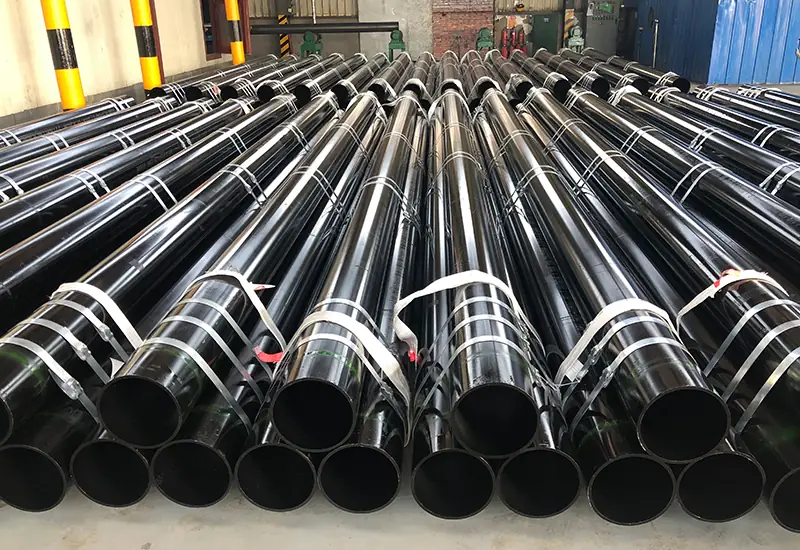
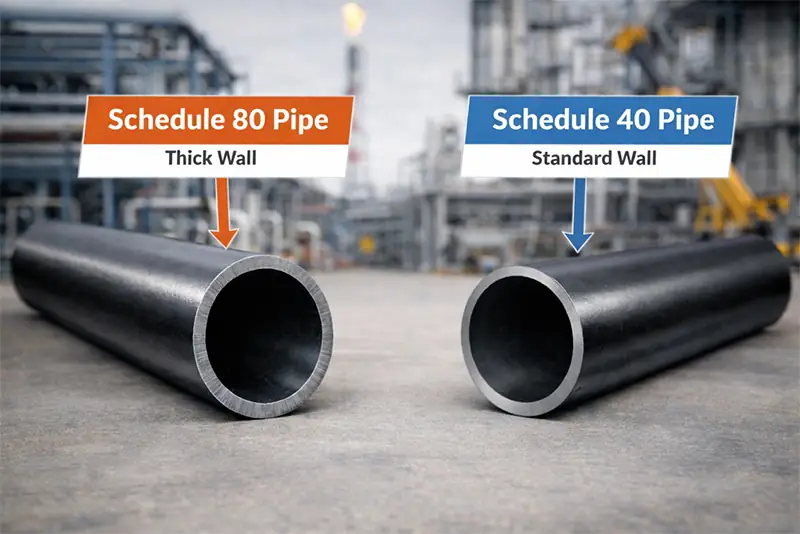
أنبوب الجدول 80 هو نوع من الأنابيب ذات الجدران السميكة الأنابيب الفولاذية, وهو مصمم للبيئة الصناعية ذات الضغط العالي والإجهاد العالي. وهي تندرج تحت ASME B36.10M و ASTM A53 المعايير الخاصة بأنابيب الصلب الكربوني الملحومة وغير الملحومة، والتي تضع مبادئ توجيهية صارمة لتركيب المواد، وتفاوت سماكة الجدار، واختبار الأداء لضمان الموثوقية في التطبيقات الحرجة.
وباعتباره أنبوب سميك الجدران، يوفر أنبوب الجدول 80 سماكة إضافية للمواد لتحمل الضغط الداخلي والصدمات الخارجية والتآكل والدورات الحرارية طويلة الأجل. ميزاته الرئيسية هي:
- يعزز المقطع العرضي للجدار الأكثر سمكًا من سلامة الهيكل ومقاومة الانحناء أو مقاومة التشقق.
- تصنيف ضغط أعلى بكثير يجعلها مناسبة للأنظمة التي تعمل فوق 1000 رطل في البوصة المربعة (حسب حجم الأنبوب ومادته.
- يعمل بدل التآكل الإضافي على إطالة عمر الخدمة في البيئة القاسية للمواد الكيميائية أو المياه المالحة أو السوائل الحمضية.
- يتطلب الوزن الأعلى للوحدة معدات مناولة خاصة أثناء النقل والتركيب.
- صلابة هيكلية أكبر، وهي مناسبة جدًا للتطبيقات التي يعمل فيها الأنبوب كدعامة هيكلية حاملة للحمل.
التطبيقات النموذجية هي كما يلي:
- أنابيب النفط والغاز في البر والبحر، حيث يتطلب الضغط العالي والظروف البيئية القاسية أن تكون الأنابيب متينة.
- تتطلب أنظمة البخار والغلايات ذات الضغط العالي في محطات الطاقة، مع درجات الحرارة والضغط الشديدين، حلول أنابيب قوية.
- في مصانع المعالجة الكيميائية ومصانع تكرير النفط، تنقل الأنابيب السوائل المسببة للتآكل أو السامة، والتي يمكن أن تتسرب وتؤدي إلى حوادث تتعلق بالسلامة.
- الدعم الهيكلي الثقيل والمكونات الميكانيكية في المنشآت الصناعية، مثل أنظمة السيور الناقلة في المصانع أو البنية التحتية للجسور.
مصدر البيانات 1: ASME B36.10M-2022، أنابيب الصلب الملحومة وغير الملحومة من الصلب المطاوع https://www.asme.org/codes-standards/find-codes-standards/b36-10-welded-seamless-wrought-steel-pipe
ما هي أنابيب الجدول 40؟
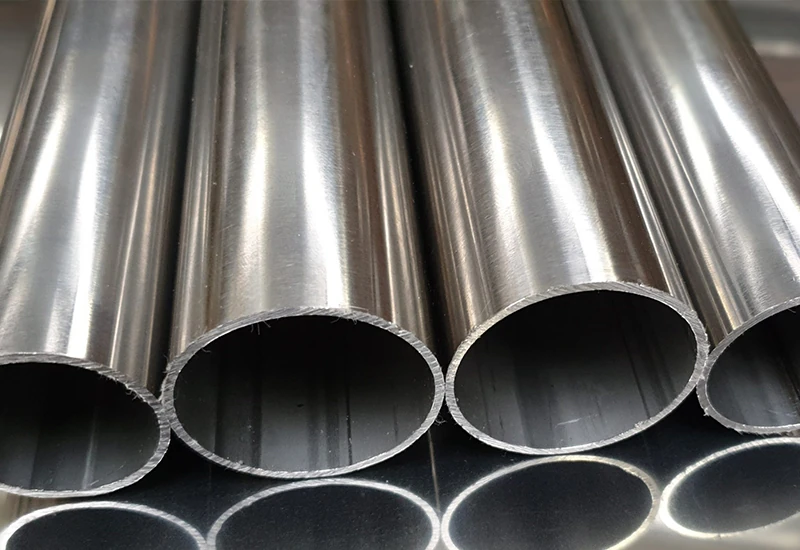
أنبوب الجدول 40 هو أكثر درجات سماكة الجدار القياسية استخدامًا على نطاق واسع في الصناعة العامة والهندسة المعمارية. فهو يوازن بين القوة والتوافر والتكلفة في تطبيقات الضغط المتوسط، وهو الخيار الأفضل لمعظم الأنظمة غير الحرجة التي لا تتطلب مقاومة عالية للضغط. تنبع شعبيته من تعدد استخداماته - حيث يمكن استخدامه في مختلف أحجام الأنابيب الاسمية (NPS) التي تتراوح من 1/2 بوصة إلى 24 بوصة - وتوافقه مع التركيبات القياسية, مما يبسّط عملية التركيب ويقلل من أوقات التسليم، ومن السمات الحاسمة سُمك أنبوب الجدول 40 المتناسق لأحجام الأنابيب الاسمية (NPS)، مما يجعلها قابلة للتبديل وسهلة الشراء في العالم.
المزايا الرئيسية:
- سمك الجدار القياسي، مناسب لمعظم الأنظمة غير الحرجة، بما في ذلك الأنظمة السكنية والتجارية والصناعات الخفيفة.
- تكون تكلفة المواد والتركيب أقل، لأن كمية أقل من الفولاذ المستخدم في الإنتاج وأخف وزناً، مما يقلل من تكاليف العمالة والنقل.
- مخزون كبير وأوقات تسليم سريعة، حيث تقوم معظم متاجر الأجهزة والموردين الصناعيين بتخزين أنابيب جدول 40 بمقاسات شائعة.
- من السهل قطعها ونقرها ولحامها وتصنيعها. وبالمقارنة مع أنابيب الجدول 80 الأكثر سمكًا، فإنه يقلل من وقت التركيب وتكاليف العمالة.
تشمل التطبيقات النموذجية ما يلي:
- أنظمة الإمداد بالمياه البلدية ومياه الصرف الصحي، يمكن لأنابيب الجدول 40 نقل مياه الشرب ومياه الصرف الصحي المعالجة بفعالية عند ضغط منخفض إلى متوسط.
- بالنسبة لأنابيب HVAC وأنابيب الهواء المضغوط في المباني التجارية، يمكن أن تلبي سماكة الجدار القياسية متطلبات تدفق الهواء المستقر والضغط المتوسط.
- هياكل المباني وإطارات الدعم، مثل الدرابزين والسقالات والأعمدة الخفيفة، حيث توفر أنابيب الجدول 40 قوة كافية دون زيادة الوزن.
- نقل السوائل الصناعية العامة، بما في ذلك السوائل والغازات غير الخطرة في مرافق الإنتاج والمستودعات والورش.
مصدر البيانات 2: ASTM A53/A53M-2023، المواصفات القياسية للأنابيب الفولاذية السوداء والمطلية بالزنك والمغلفة بالزنك والملحومة وغير الملحومة https://www.astm.org/Standards/A53.htm
الجدول 40 مقابل الجدول 80: الاختلافات الرئيسية
يلخص الجدول التالي الاختلافات الرئيسية في نفس حجم الأنبوب الاسمي (NPS). يجب أن يكون القطر الخارجي (OD) متناسقًا؛ فقط سمك الجدار والقطر الداخلي (ID) والوزن والضغط سيتغير. هذا الاتساق في القطر الخارجي (OD) أمر بالغ الأهمية لتوافق التركيبات - يمكن لكلا الجدولين استخدام نفس التركيبات، ولكن معدل ضغط النظام محدود بسبب الأنبوب الأقل سمكًا.
| عنصر المقارنة | أنابيب جدول 40 | أنابيب الجدول 80 |
| سُمك الجدار | أرق | أكثر سمكاً |
| وزن الوحدة | أخف وزناً | أثقل |
| تصنيف الضغط | متوسط (500-1000 رطل لكل بوصة مربعة، حسب الحجم) | عالية (1000-2000 رطل لكل بوصة مربعة، حسب الحجم) |
| التكلفة المادية | أقل (15-30% أقل من الجدول 80) | أعلى (الصلب الإضافي يزيد من تكاليف الإنتاج) |
| حالة الاستخدام النموذجي | المياه، والتدفئة والتهوية وتكييف الهواء، والهيكل | الضغط العالي والخدمة الشاقة |
| القطر الداخلي | أكبر (معدل تدفق أفضل) | أصغر (معدل تدفق أقل) |
التفسيرات الرئيسية
- بالنسبة لنفس NPS، يكون سمك أنبوب الجدول 40 أرق بشكل ملحوظ من الجدول 80، مما يقلل مباشرة من قدرة الضغط. على سبيل المثال، يبلغ سمك أنبوب جدول 40 NPS مقاس 4 بوصة 0.237 بوصة، بينما يبلغ سمك أنبوب الجدول 80 0.337 بوصة، أي ما يقرب من 42% أكثر سمكًا.
- يقلل الجدار الأكثر سُمكًا للجدول 80 من مساحة التدفق الداخلي، ولكنه يحسن بشكل كبير من مقاومة الانفجار والمتانة. في تطبيقات الضغط العالي حيث تكون السلامة أمرًا بالغ الأهمية، تكون هذه المفاضلة ضرورية، حتى لو كان ذلك يعني أن كفاءة التدفق أقل قليلاً.
- يزيد الجدول 80 الأثقل وزنًا من تكاليف العمالة الخاصة بالنقل والمناولة والتركيب. قد يحتاج المقاولون إلى استخدام رافعة أو رافعة شوكية لنقل أنابيب الجدول 80، بينما يمكن عادةً نقل أنابيب الجدول 40 الأصغر يدويًا.
نشير أيضًا إلى حجم أنبوب الجدول 80 في ASME B36.10M: يزداد سمك الجدار بشكل حاد مع زيادة NPS، وبالتالي يزداد مستوى الضغط أيضًا. على سبيل المثال، يبلغ سُمك أنبوب الجدول 80 مقاس 1 بوصة 0.180 بوصة، بينما يبلغ سُمك أنبوب الجدول 80 مقاس 10 بوصة 0.593 بوصة - أكثر من ثلاثة أضعاف - مما يسمح له بالتعامل مع ضغط أعلى بكثير.
فهم أبعاد أنبوب الجدول 80 وسُمك أنبوب الجدول 40
لا يغير جدول الأنابيب القطر الخارجي، ولكنه يحدد سمك الجدار فقط. هذا أمر بالغ الأهمية لتوافق الملحقات، لأنه يسمح للمهندسين بخلط الجداول (إذا لزم الأمر) في نظام واحد، دون القلق بشأن عدم تطابق الملحقات. مقاس الأنبوب الاسمي (NPS) هو مقياس قياسي يحدد القطر الخارجي، ويحدد الجدول كمية المواد المستخدمة في الجدار.
مثال: أنبوب بمقاس 2 بوصة NPS (OD = 2.375 بوصة / 60.3 مم)
- سمك أنبوب الجدول 40: 0.154 بوصة (3.91 مم)
- سمك أنبوب الجدول 80: 0.218 بوصة (5.54 مم)
بالنسبة للأنبوب مقاس 2 بوصة NPS، يكون الجدول 80 أكثر سمكًا بحوالي 41% من الجدول 40. وهذا يزيد من القوة، ولكنه يقلل من القطر الداخلي - من 2.067 بوصة في الجدول 40 إلى 1.939 بوصة في الجدول 80. يمكن أن يؤثر انخفاض القطر الداخلي على التدفق، لذلك يجب على المهندسين حساب الطلب على التدفق والطلب على الضغط عند اختيار جدول الأنابيب.
أفضل الممارسات الهندسية: قبل اختيار الجدول، قم دائمًا بحساب الضغط التصميمي وفقًا لكود أنابيب المعالجة ASME B31.3. لا تعتمد فقط على الخبرة الميدانية. تؤثر عوامل مثل درجة حرارة المائع والتركيب الكيميائي وضغط التشغيل على الجدول الزمني المطلوب، ويمكن أن يؤدي الاختيار غير الصحيح إلى فشل الأنابيب والإصلاحات المكلفة ومخاطر السلامة.
متى يجب عليك اختيار أنابيب الجدول 80؟
الجدول 80 ليس “أفضل” لكل مشروع - فهو مصمم للظروف الصعبة. اختر أنبوب الجدول 80 عندما:
- يتجاوز ضغط العمل الحد المسموح به في أنابيب الجدول 40، على سبيل المثال، في أنابيب الغاز عالية الضغط أو أنظمة إمداد مياه الغلايات.
- السوائل أكالة أو كاشطة أو سامة، ويوفر الجدار السميك حماية إضافية لمنع التسرب والتآكل.
- يوجد تأثير خارجي أو اهتزازات أو أحمال ثقيلة، على سبيل المثال، في المناطق الصناعية أو مناطق البناء التي توجد بها آلات ثقيلة.
- يعمل النظام في درجات حرارة عالية باستمرار، ومع مرور الوقت يصبح جدار الأنبوب هشًا. يمكن للجدار السميك للجدول 80 أن يحافظ على قوته في درجات الحرارة العالية.
- تحتاج إلى عمر تشغيلي طويل وأقل قدر من الصيانة. على سبيل المثال، استبدال الأنابيب مكلف ويستغرق وقتاً طويلاً في منصات النفط البحرية أو المنشآت الصناعية النائية.
بالنسبة للضغط العالي أو البيئة الصناعية الثقيلة، تتميز الأنابيب الفولاذية من الجدول 80 بقوة أعلى ومعامل أمان أعلى.
متى تكون أنابيب الجدول 40 أكثر تكلفة-هل هي فعالة؟
بالنسبة لمعظم الاستخدامات القياسية، يمكن أن توفر أنابيب الجدول 40 قيمة ممتازة بدون هندسة زائدة. عند اختيار أنبوب الجدول 40.
- تكون متطلبات الضغط منخفضة إلى متوسطة، وعادةً ما تكون أقل من 1000 رطل في البوصة المربعة وتغطي معظم الأنظمة السكنية والتجارية والصناعية الخفيفة.
- تشمل السوائل الماء أو الهواء أو السوائل غير الخطرة، ومخاطر تسربها منخفضة للغاية، كما أن عواقب الفشل صغيرة جدًا أيضًا.
- يحتوي المشروع على ضوابط صارمة للتكاليف، لأن أنابيب الجدول 40 أرخص بكثير من أنابيب الجدول 80، مما يمكن أن يقلل من التكلفة الإجمالية للمشروع بنسبة 15-30%.
- إن التسليم السريع والتوريد الجاهز مهمان للغاية، لأن معظم الموردين لديهم مخزون من أنابيب الجدول 40، والتي يمكن تسليمها في غضون أيام قليلة وليس أسابيع.
- يحتاج التركيب إلى قطع أو نقر أو لحام متكرر، لأن جدار الأنبوب 40 الأرق من الجدول 40 أسهل في التشغيل ويقلل من وقت العمل.
توفر أنابيب الجدول 40 حلاً عملياً واقتصادياً للاستخدام الصناعي العام والتطبيقات الإنشائية. وهي أيضًا الخيار الأكثر شيوعًا لمشاريع الأعمال اليدوية والمباني الصغيرة، حيث تكون سهولة الاستخدام والقدرة على تحمل التكاليف هي الأكثر أهمية.
الأسئلة الشائعة
السؤال 1: هل جميع المواد لها نفس الجدول الزمني 40 الأنابيب السُمك
الإجابة: لا. يستخدم الفولاذ المقاوم للصدأ الجدول 40S (وفقًا للمعيار ASME B36.19M). طبقًا للمعيار ASME B36.10M، يستخدم الجدول 40 القياسي للصلب الكربوني. قيم السماكة متقاربة ولكن ليست متطابقة. على سبيل المثال، يبلغ سمك أنبوب الجدول 40 من الفولاذ الكربوني مقاس 2 بوصة 0.154 بوصة، بينما يبلغ سمك أنبوب الجدول 40 من الفولاذ المقاوم للصدأ مقاس 2 بوصة 0.145 بوصة. هذا الاختلاف ناتج عن الاختلاف في القوة ومقاومة التآكل للمواد المختلفة.
السؤال 2: هل يمكنني لحام أنبوب الجدول 40 بالجدول الزمني 80 أنبوب؟
الإجابة: نعم، إذا كانت تشترك في نفس NPS و OD. ومع ذلك، فإن معدل الضغط يقتصر على أنابيب الجدول 40 الأقل سمكًا. يتطلب اللحام بجداول زمنية مختلفة إعدادًا دقيقًا لضمان وجود وصلة قوية ومانعة للتسرب، حيث يمكن أن يتسبب اختلاف السماكة في توزيع غير متساوٍ للحرارة أثناء اللحام. يُقترح أن يقوم باللحام عامل لحام مؤهل، وذلك للحفاظ على سلامة النظام.
السؤال 3: ما هو الجدول الزمني المستخدم لأنظمة مكافحة الحرائق؟
الإجابة: نظرًا للتكلفة والتوافر، تحدد معظم أنظمة رشاشات الحريق استخدام أنابيب الجدول 40. قد يُستخدم الجدول 80 في الأنظمة الشاهقة أو عالية الطلب، خاصةً في المناطق التي تتعرض فيها الأنابيب للتلف الخارجي أو متطلبات الضغط العالي. عادةً ما تنص لوائح مكافحة الحرائق على حد أدنى للجدول الزمني بناءً على ارتفاع المبنى ومعدل الإشغال، لذلك من المهم التحقق من اللوائح المحلية قبل الاختيار.
السؤال 4: هل سيؤثر الجدول الزمني على القطر الخارجي لـ الأنابيب?
الإجابة: لا. يتم تحديد OD بواسطة NPS. لن يتغير سوى سمك الجدار والقطر الداخلي والوزن والضغط المقدر. هذا التوحيد القياسي ضروري لتوافق التجهيزات والصمامات ومكونات الأنابيب الأخرى، لأنه يسمح بإمكانية التبادل بين مختلف المصنعين والجداول الزمنية.
الاستنتاجات
يعتمد الاختيار بين الجدول 80 والجدول 40 على ثلاثة عوامل: ضغط التصميم وبيئة التشغيل وميزانية المشروع. لا يوجد حل “واحد يناسب الجميع” - فكل جدول يخدم غرضًا محددًا، ويمكن أن يضمن اختيار الجدول المناسب السلامة والأداء والفعالية من حيث التكلفة.
- الضغط العالي، أو التآكل، أو الحمل الثقيل → أنبوب الجدار الثقيل من الجدول 80
- ضغط متوسط، استخدام عام، حساس للتكلفة → أنبوب جدول 40
يعتمد جدول الأنابيب الصحيح على متطلبات الضغط وظروف التشغيل وميزانية المشروع. من خلال اتباع معايير ASME و ASTM والنظر في متطلبات التطبيق الخاصة بك، يمكنك تجنب الإفراط في التصميم أو التقليل من التصميم واختيار أفضل الأنابيب لمشروعك.

ASTM A53 مقابل API 5L: دليل للاختيار والتطبيق
في مجال الأنابيب الصناعية، ASTM A53 وAPI 5L هما معياران رئيسيان يستخدمان على نطاق واسع، ولكنهما مختلفان تمامًا في الوضعيات. ASTM...

مقدمة: تحدد الاختلافات التكنولوجية النجاح أو الفشل، ويجب أن يكون الاختيار “دقيقًا”
في مشاريع نقل النفط والغاز والبنية التحتية البلدية وغيرها من المشاريع الكبرى، يؤثر الاختيار المعقول لعملية لحام الأنابيب الفولاذية بشكل مباشر على المشروع...
تحليل كثافة الفولاذ: الاختلافات الأساسية بين الفولاذ الكربوني الطري والمتوسط والتطبيقات الصناعية
تُعد كثافة الفولاذ أحد العوامل الرئيسية التي تحدد خصائصه الفيزيائية وتطبيقاته الصناعية. الحالة النظرية لكثافة الفولاذ...
أنابيب الصلب المطلي ب 3LPE: حاجز صلب في مجال الحماية من التآكل الصناعي
في البيئة القاسية للنفط والغاز، والصناعات الكيميائية، وشبكة الأنابيب الحضرية، وما إلى ذلك، فإن موثوقية ومقاومة التآكل على المدى الطويل لنظام خطوط الأنابيب...
الأنابيب المطلية بـ 3LPP: واقي مضاد للتآكل في درجات الحرارة العالية وبيئة الضغط العالي
في بعض البيئات الخاصة الصعبة مثل التنقيب عن النفط والغاز في أعماق البحار ونقل النفط الخام في درجات حرارة عالية، تواجه الطلاءات التقليدية المضادة للتآكل تحديات كبيرة في بعض البيئات الخاصة الصعبة مثل التنقيب عن النفط والغاز في أعماق البحار ونقل النفط الخام في درجات حرارة عالية...
أنابيب الصلب FBE: الدرع التكنولوجي لخط الدفاع الصلب
I في المياه الجليدية تحت خط أنابيب بحر النرويج، يوجد قسم من أنابيب الصلب الكربوني المبطنة من الصلب الكربوني FBE في الخدمة منذ 25...