









Introduction
In the fields of oil and gas, construction, fire safety and industrial fluid treatment, buyers and engineers often debate whether to use Schedule 40 or Schedule 80 pipe. A common misunderstanding is that pipe schedule only refers to the outside diameter. In fact, schedule determines the wall thickness, pressure class, structural strength and total cost of ownership. This confusion often leads to over-engineering — using Schedule 80 pipe where Schedule 40 is sufficient — or under-design, increasing the risk of system failure in high-pressure environments
This guide compares the size, thickness, pressure bearing capacity, weight, cost and real use cases of Schedule 80 and schedule 40 pipe. We use official standards from ASME and ASTM to help you choose the correct pipe according to safety, performance and budget. Whether you are buying pipes for a municipal water supply project, a chemical plant or an oil pipe, this comprehensive subdivision eliminates speculation and ensures compliance with industry standards.
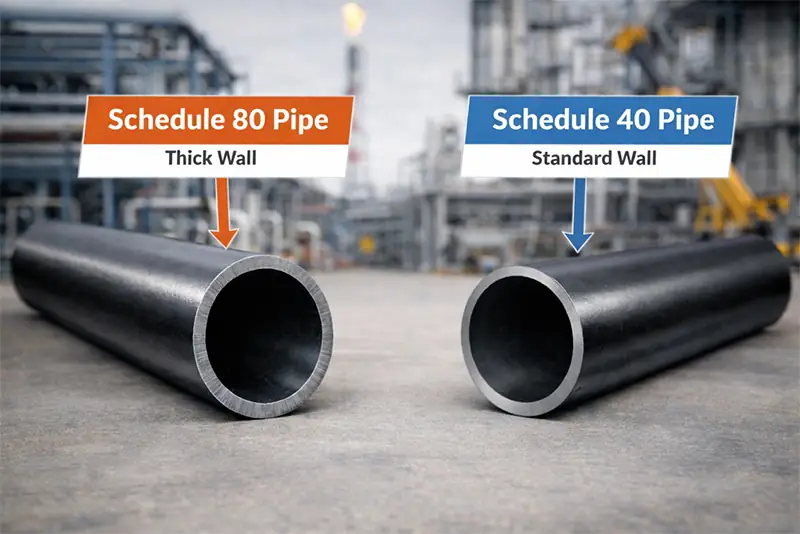
What Is Schedule 80 Pipe?
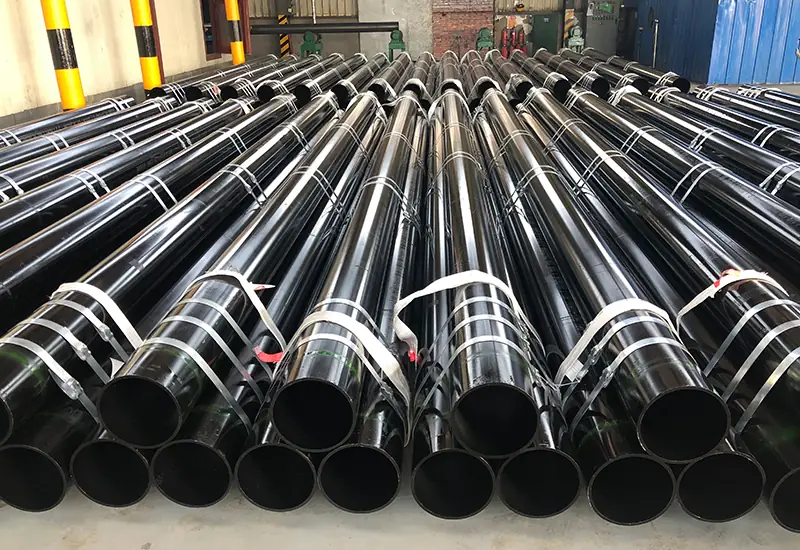
Schedule 80 pipe is a kind of thick-walled steel pipe, which is designed for high pressure and high stress industrial environment. It falls under the ASME B36.10M and ASTM A53 standards for welded and seamless carbon steel pipe, which set strict guidelines for material composition, wall thickness tolerance, and performance testing to ensure reliability in critical applications.
As a thick-walled pipe, Schedule 80 provides extra material thickness to withstand internal pressure, external impact, corrosion and long-term thermal cycling. Its main features are:
- Thicker wall cross-section enhances the integrity and bending resistance or cracking resistance of the structure.
- Significantly higher pressure rating makes it suitable for systems operating above 1000 psi (depending on the size and material of the pipe.
- Extra corrosion allowance prolongs the service life in harsh environment of chemicals, salt water or acid fluids.
- Higher unit weight requires special handling equipment during transportation and installation.
- Greater structural stiffness, which is very suitable for applications where the pipe functions as a load-bearing structural support.
Typical applications are as follows:
- Oil and gas pipes on land and at sea, in which high pressure and harsh environmental conditions require the pipe to be durable.
- The high-pressure steam and boiler systems in power plants, with extreme temperatures and pressure, require robust piping solutions.
- In chemical processing and oil refining plants, pipes transport corrosive or toxic fluids, which could leak and lead to safety accidents.
- Heavy structural support and mechanical components in industrial facilities, such as factory conveyor belt systems or bridge infrastructure.
Data Source 1: ASME B36.10M‑2022, Welded and Seamless Wrought Steel Pipe https://www.asme.org/codes-standards/find-codes-standards/b36-10-welded-seamless-wrought-steel-pipe
What Is Schedule 40 Pipe?
Schedule 40 pipe is the most widely used standard wall thickness grade in general industry and architecture. It balances strength, availability and cost of medium-pressure applications, and is the best choice for most non-critical systems that do not require high pressure resistance. Its popularity stems from its versatility-it can be used in various nominal pipe sizes (NPS) ranging from 1/2 inch to 24 inches-and its compatibility with standard fittings, which simplifies installation and shortens delivery times.A decisive feature is the consistent schedule 40 pipe thickness of its nominal pipe sizes (NPS), making it interchangeable and easy to purchase in the world.
Main advantages:
- Standard wall thickness, suitable for most non-critical systems, including residential, commercial and light industry.
- The cost of material and installation is lower, because less steel is used in production and the weight is lighter, thus reducing the labor and transportation costs.
- Wide inventory and fast lead times, with most hardware stores and industrial suppliers stocking schedule 40 pipe in common sizes.
- It is easy to cut, tap, weld and manufacture. Compared with the thicker Schedule 80 pipe, it reduces installation time and labor costs.
Typical applications include:
- Municipal water supply and waste water systems, schedule 40 pipe can effectively transport drinking water and treated sewage at low to medium pressure.
- For HVAC and compressed air pipes in commercial buildings, the standard wall thickness can meet the requirements of stable airflow and medium pressure.
- Building structures and support frames, such as handrails, scaffolding, and light-duty columns, where schedule 40 pipe provides adequate strength without excess weight.
- Transportation of general industrial fluid, including non-hazardous liquids and gases in production facilities, warehouses and workshops.
Data Source 2: ASTM A53/A53M‑2023, Standard Specification for Pipe, Steel, Black and Hot‑Dipped, Zinc‑Coated, Welded and Seamless https://www.astm.org/Standards/A53.htm
Schedule 40 vs. Schedule 80: Key Differences
The following table summarizes the key differences at the same nominal pipe size (NPS). The outside diameter (OD) shall be consistent; Only wall thickness, internal diameter (ID), weight and pressure will change. This consistency in OD is crucial for fitting compatibility—both schedules can use the same fittings, but the pressure rating of the system is limited by the thinner pipe.
| Comparison Item | Schedule 40 Pipe | Schedule 80 Pipe |
| Wall Thickness | Thinner | Thicker |
| Unit Weight | Lighter | Heavier |
| Pressure Rating | Medium (500–1000 psi, depending on size) | High (1000–2000 psi, depending on size) |
| Material Cost | Lower (15–30% less than Schedule 80) | Higher (extra steel increases production costs) |
| Typical Use Case | Water, HVAC, structure | High pressure, heavy duty |
| Inner Diameter | Larger (better flow rate) | Smaller (reduced flow rate) |
Key Explanations
- For the same NPS, schedule 40 pipe thickness is noticeably thinner than Schedule 80, directly lowering pressure capacity. For example, the thickness of a 4-inch NPS schedule 40 pipe is 0.237 inches, while the thickness of Schedule 80 is 0.337 inches, which is nearly 42% thicker.
- Thicker wall of Schedule 80 reduces the internal flow area, but greatly improves the bursting resistance and durability. In high pressure applications where safety is paramount, this trade-off is necessary, even if it means that the flow efficiency is slightly lower.
- Heavier schedule 80 increases the labor costs of transportation, handling and installation. Contractors may need to use a crane or forklift to move Schedule 80 pipe, while the smaller schedule 40 pipe can usually be moved manually.
We also refer to the schedule 80 pipe size in ASME B36.10M: wall thickness increases sharply with the increase of NPS, so pressure level also increases. For instance, a 1-inch Schedule 80 pipe has a thickness of 0.180 inches, while a 10-inch Schedule 80 pipe has a thickness of 0.593 inches—more than three times thicker—allowing it to handle much higher pressure.
Understand Schedule 80 pipe Dimensions and Schedule 40 pipe thickness
Pipe schedule does not change the outside diameter, but only defines wall thickness. This is critical for accessory compatibility, because it allows engineers to mix schedules (if necessary) in a single system, without worrying about accessory mismatch. The nominal pipe size (NPS) is a standard measurement that specifies the outside diameter, and the schedule determines the amount of material used for the wall.
Example: 2‑inch NPS Pipe (OD = 2.375 in / 60.3 mm)
- Schedule 40 pipe thickness: 0.154 in (3.91 mm)
- Schedule 80 pipe thickness: 0.218 in (5.54 mm)
For a 2-inch NPS pipe, Schedule 80 is approximately 41% thicker than Schedule 40. This increases the strength, but reduces the inner diameter-from 2.067 inches in the Schedule 40 to 1.939 inches in the Schedule 80. The decrease of the inner diameter can affect the flow, so engineers must calculate flow demand and pressure demand when selecting the pipe schedule.
Engineering best practice: Before selecting the schedule, always calculate design pressure according to ASME B31.3 Process Piping Code. Do not rely only on field experience. Factors such as fluid temperature, chemical composition, and operating pressure all influence the required schedule, and improper selection can lead to pipe failure, costly repairs, and safety risks.
When Should You Choose Schedule 80 Pipe?
Schedule 80 is not “better” for every project-it is designed for demanding conditions. Choose Schedule 80 pipe when:
- Working pressure exceeds the limit of schedule 40 pipe, for example, in high-pressure gas pipe or boiler water supply systems.
- Fluids are corrosive, abrasive or toxic, and the thicker wall provides additional protection to prevent leakage and corrosion.
- There is external impact, vibration or heavy loads, for example, in industrial areas or construction areas with heavy machinery.
- The system runs at a continuously high temperatures, and with the passage of time, the pipe wall will become fragile. The thicker wall of Schedule 80 can still maintain its strength at high temperatures.
- It needs a long service life and minimal maintenance. For example, pipe replacement is expensive and time-consuming on offshore oil platforms or remote industrial facilities.
For high pressure or heavy industrial environment, Schedule 80 steel pipe has higher strength and safety coefficient.
When is Schedule 40 Pipe More Cost–Effective?
For most standard applications, schedule 40 pipe can provide excellent value without excessive engineering. When selecting the schedule 40 pipe.
- Pressure requirements are low to medium, usually less than 1000 psi, covering most residential, commercial and light industrial systems.
- Fluids include water, air or non-hazardous liquids, and its leakage risk is very low, and the consequences of failure are also very small.
- The project has strict cost controls, because schedule 40 pipe is much cheaper than Schedule 80 pipe, which can reduce the total cost of the project by 15-30%.
- Fast delivery and off-the-shelf supply are very important, because most suppliers have Schedule 40 pipe inventory, which can be delivered within a few days, not weeks.
- Installation needs frequent cutting, tapping or welding, because the thinner schedule 40 pipe wall is easier to operate and reduces labor time.
Schedule 40 pipe provides a practical and economical solution for general industrial use and structural applications. It is also the most common choice for DIY projects and small-scale buildings, in which ease of use and affordability are the most important.
FAQ
Question 1: Do all materials have the same schedule 40 pipe thickness?
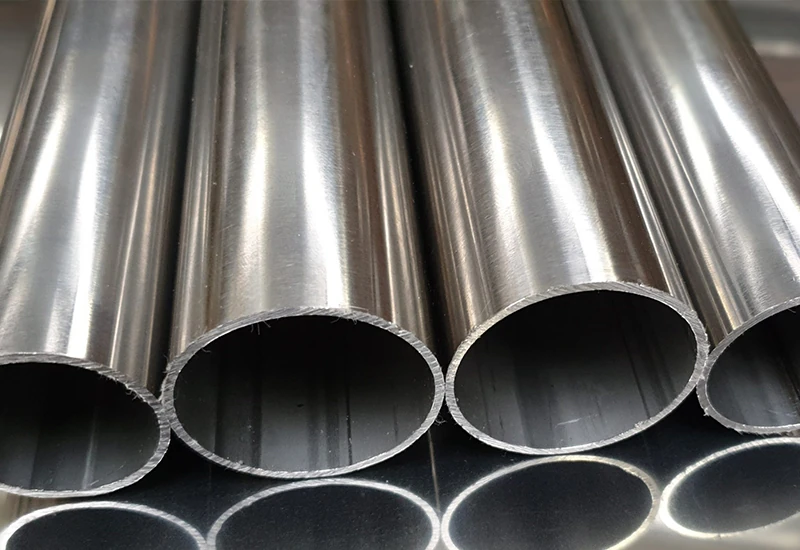
Answer: No. Stainless steel uses Schedule 40S (per ASME B36.19M). According to ASME B36.10M, the standard Schedule 40 is used for carbon steel. The thickness values are close to, but not identical. For example, a 2-inch carbon steel Schedule 40 pipe has a thickness of 0.154 inches, while a 2 – inch stainless steel Schedule 40 pipe has a thickness of 0.145 inches. This difference is caused by the difference in strength and corrosion resistance of different materials.
Question 2: Can I weld schedule 40 pipe to the schedule 80 pipe?
Answer: Yes, if they share the same NPS and OD. However, the pressure rating is limited to thinner Schedule 40 pipe. Welding different schedules requires careful preparation to ensure a strong, leak-proof joint, as the thickness difference can cause uneven heat distribution during welding. It is suggested that a qualified welder should perform the welding, so as to maintain system integrity.
Question 3: Which schedule is used for fire fighting systems?
Answer: Due to the cost and availability, most fire sprinkler systems specify the use of schedule 40 pipe. Schedule 80 may be used in high-rise or high-demand systems, especially in areas where pipes are exposed to external damage or higher pressure requirements. Fire regulations usually stipulate a minimum schedule based on building height and occupancy rate, so it’s important to check local regulations before choosing.
Question 4: Will the schedule affect the outer diameter of the pipe?
Answer: No. The OD is determined by NPS. Only the wall thickness, inner diameter, weight and rated pressure will change. This standardization is essential for the compatibility of fittings, valves and other pipe components, because it allows interchangeability across different manufacturers and schedules.
Conclusions
The choice between Schedule 80 and schedule 40 pipe depends on three factors: design pressure, operating environment and project budget. There is no “one-size-fits-all” solution — each schedule serves a specific purpose, and choosing the right schedule can ensure safety, performance and cost-effectiveness.
- High pressure, corrosion, or heavy load → Schedule 80 heavy wall pipe
- Medium pressure, general use, cost sensitivity → schedule 40 pipe
The correct pipe schedule depends on pressure requirements, operating conditions and project budget. By following ASME and ASTM standards and considering your specific application requirements, you can avoid over-design or under-design and choose the best pipe for your project.

ASTM A53 vs. API 5L: A Guide to Selection and Application
In the field of industrial piping, ASTM A53 and API 5L are two key standards that are widely used, but have very different positions. ASTM...

Introduction:Technology differences determine success or failure, and selection needs to be “precise”
In oil and gas transmission, municipal infrastructure and other major projects, the reasonable choice of steel pipe welding process directly affects the project...
Steel Density Analysis: Core Differences between Mild and Medium Carbon Steels and Industrial Applications
The density of steel is one of the key parameters that determine its physical properties and industrial applications. Theoretical state of steel density...
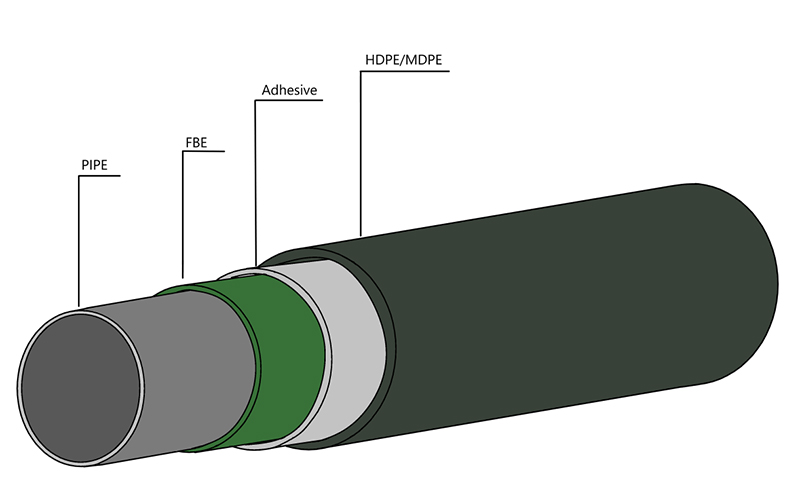
3LPE coated steel pipe: a solid barrier in the field of industrial corrosion protection
In the harsh environment of oil and gas, chemical industry, urban pipe network, etc., the long-term reliability and corrosion resistance of pipeline system...
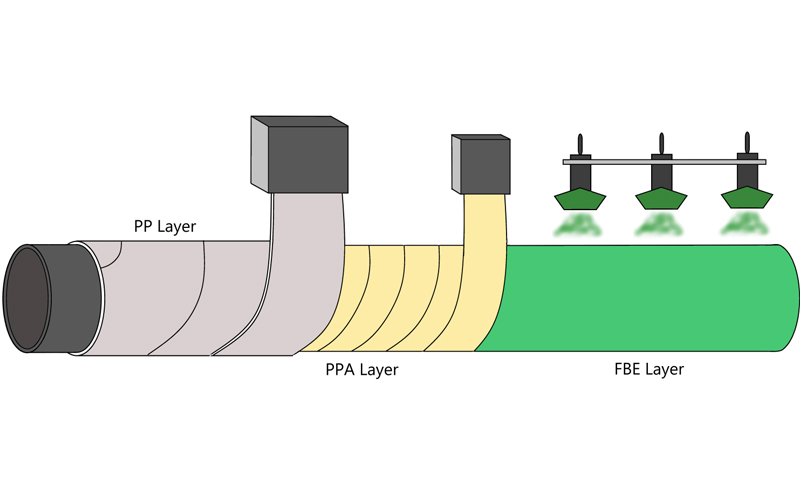
3LPP coated pipe: anti-corrosion guard in high temperature and high pressure environment
In some challenging special environments such as deep-sea oil and gas exploration and high-temperature crude oil transportation, traditional anti-corrosion coatings face significant challenges,...
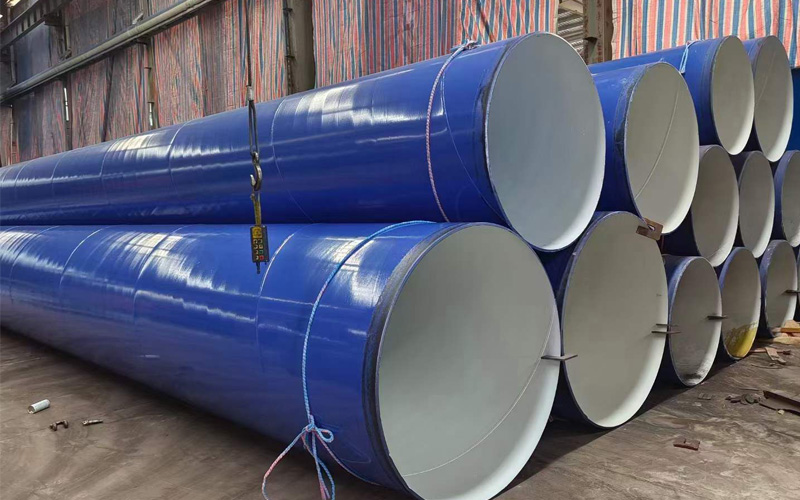
FBE steel pipe: the technological armor of the steel defense line
I In the icy waters beneath the Norwegian Sea pipeline, a section of FBE Lined Carbon Steel Pipe has been in service for 25...