






Introduction
Offshore pipelines operate in some of the most challenging environments. Continuous exposure to seawater, high pressure, wave impact, and mechanical stress can affect pipeline performance over time. Therefore, offshore steel pipes must provide high strength, corrosion resistance, and long-term durability.
Material selection, welding quality, and protective coatings all play important roles in offshore pipeline reliability. This article explains how offshore steel pipes withstand harsh marine conditions and the technologies that help maintain safe and stable underwater operations.
8FAQ
What Is an Offshore Pipeline?
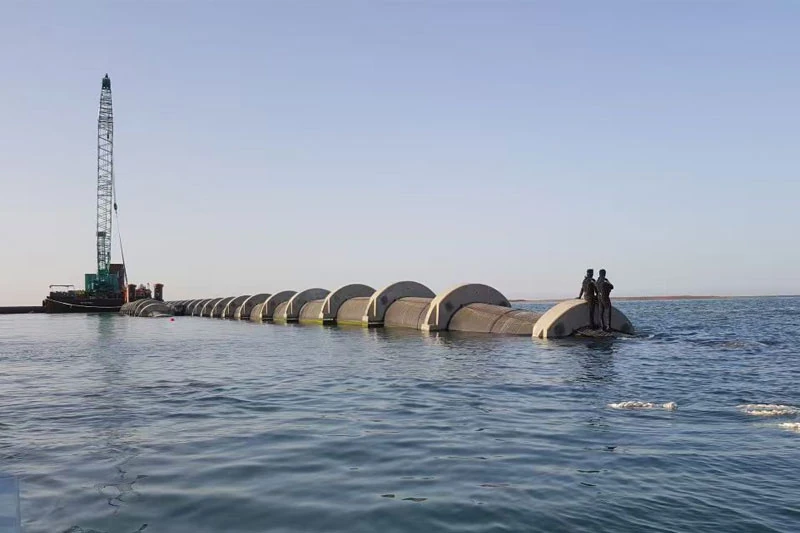
An offshore pipeline is installed on the seabed or below the seabed to transport oil, natural gas, water, and other resources between offshore facilities and onshore processing locations. According to the U.S. Bureau of Ocean Energy Management (BOEM), offshore pipelines are also known as marine, subsea, or submarine pipelines.
Compared with onshore pipelines, offshore pipelines operate in a more demanding environment. They are continuously exposed to seawater, external pressure, and changing ocean conditions. As a result, they require strong structural performance and reliable protection to maintain safe operation over many years.
What Challenges Do Offshore Steel Pipes Face in Marine Environments?
Offshore steel pipes face more severe conditions than pipelines installed on land. They must withstand corrosion, high external pressure, and repeated mechanical loads during long-term service.
Continuous Exposure to Seawater Corrosion
Seawater contains chloride ions and other minerals that can accelerate steel corrosion. Since subsea pipelines remain underwater for extended periods, their surfaces are constantly exposed to corrosive elements.
Without effective protection, corrosion can gradually reduce pipe wall thickness and weaken the overall structure.
High External Pressure and Mechanical Stress
As offshore pipelines are installed in deeper waters, they experience greater pressure from the surrounding seawater. The pipe body must have sufficient strength to prevent deformation and maintain stable operation under high-pressure conditions.
Impact and Fatigue During Long-Term Operation
Offshore pipelines are affected by waves, ocean currents, and seabed movement. These factors create repeated mechanical loads that may cause fatigue over time.
To reduce fatigue risks, offshore pipeline projects need to consider pipe strength, welding quality, installation conditions, and long-term operating loads during the design stage.
How Do Offshore Steel Pipes Improve Corrosion Resistance?
Corrosion protection is one of the most important considerations for offshore pipeline projects. Since these pipes operate underwater for years, effective protection methods are needed to reduce corrosion risks and extend service life.
Advanced External Coating for Seawater Protection
External coatings create a protective barrier between the steel surface and seawater. They help prevent moisture and corrosive substances from reaching the pipe body.
The choice of coating depends on project requirements, including water depth, operating temperature, and mechanical conditions. Among various options, 3LPE and 3LPP coatings are widely used for offshore pipeline protection.
3LPE Coating
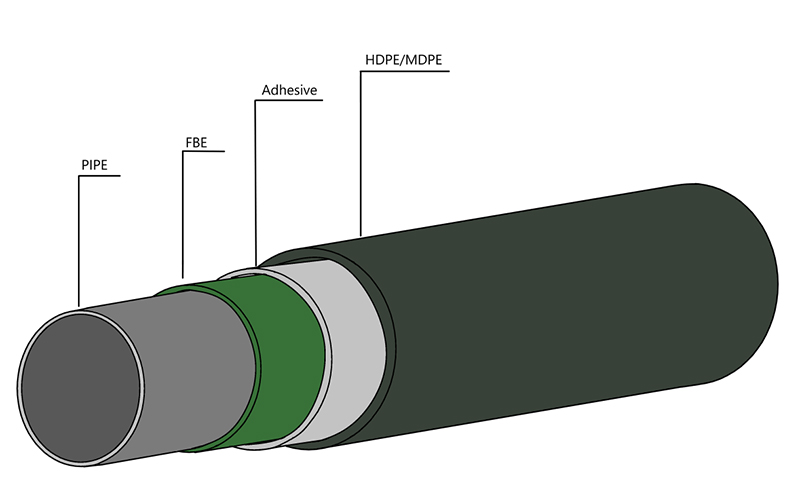
3LPE coating is a three-layer polyethylene coating structure that includes:
- Fusion bonded epoxy (FBE) primer
- Adhesive layer
- High-density polyethylene (HDPE) outer layer
Each layer provides a specific function. The FBE layer offers strong adhesion and basic corrosion protection. The adhesive layer improves bonding between the epoxy and polyethylene layers. The HDPE outer layer protects the pipe from moisture, impact, and mechanical damage.
Because of its excellent corrosion resistance and durability, 3LPE coating is commonly applied to pipelines operating in demanding environments.
3LPP Coating
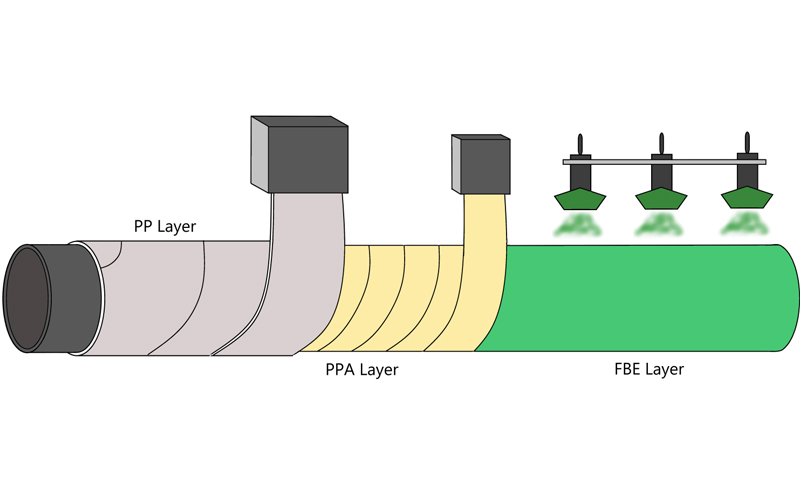
3LPP coating has a similar three-layer structure to 3LPE. However, it uses polypropylene as the outer protective layer.
Compared with polyethylene, polypropylene provides better temperature resistance. Therefore, 3LPP coating is often selected for offshore pipelines that transport high-temperature fluids or operate under more demanding conditions.
The choice between 3LPE and 3LPP depends on factors such as operating temperature, installation environment, and project requirements.
Cathodic Protection for Additional Corrosion Control
Although coatings provide strong protection, small defects may appear during transportation, installation, or long-term operation. These areas may expose the steel surface to seawater.
Cathodic protection helps control electrochemical reactions and reduces corrosion at exposed areas. It is commonly used together with external coatings to provide additional protection for subsea pipelines.
By combining suitable coatings with cathodic protection, offshore steel pipes can achieve better corrosion resistance and longer service life.
What Standards Are Important for Offshore Steel Pipe Manufacturing?
Offshore steel pipes must meet strict requirements because they operate in complex marine environments. International standards help define requirements for materials, manufacturing processes, inspection, and testing to ensure pipeline quality and safety.
API Spec 5L
API Spec 5L is one of the most widely used standards for oil and gas line pipes. It specifies requirements for pipe manufacturing, chemical composition, mechanical properties, testing, and quality control.
DNV-ST-F101
DNV-ST-F101 is a key standard for submarine pipeline projects. It provides requirements for pipeline design, fabrication, installation, and integrity management in offshore environments.
ISO 13623
ISO 13623 defines general requirements for petroleum and natural gas pipeline transportation systems. It covers pipeline design, construction, testing, and operation.
API 5LC and API 5LD
API 5LC and API 5LD specify requirements for corrosion-resistant alloy pipes as well as lined and clad pipe solutions. These products are suitable for offshore projects where additional corrosion resistance is required.
Key Factors to Consider When Selecting Offshore Steel Pipes
Selecting the right offshore steel pipe is essential for ensuring safe operation and long service life. Before purchasing, buyers should evaluate several factors based on project conditions.
Material Grade and Strength Requirements
Offshore pipelines often operate under high pressure, deep water, and complex environmental conditions. Therefore, the selected steel grade should meet project requirements, including operating pressure, water depth, temperature, and transported medium.
The pipe wall thickness and mechanical properties should also match the installation method and service conditions.
Corrosion Protection Requirements
Corrosion protection is another important consideration when selecting offshore steel pipes. The coating type should match the operating environment and temperature requirements.
For standard offshore applications, 3LPE coating may provide sufficient protection. However, projects involving higher temperatures or more severe conditions may require 3LPP coating, concrete weight coating, or additional protection methods.
Manufacturer’s Production Capability
A reliable steel pipe manufacturer should have strong production capabilities, strict quality control procedures, and experience with international standards.
Buyers should consider factors such as manufacturing equipment, inspection processes, technical documentation, and product traceability. These factors help ensure consistent pipe quality throughout the project.
Why Choose Allland for Offshore Pipeline Projects?
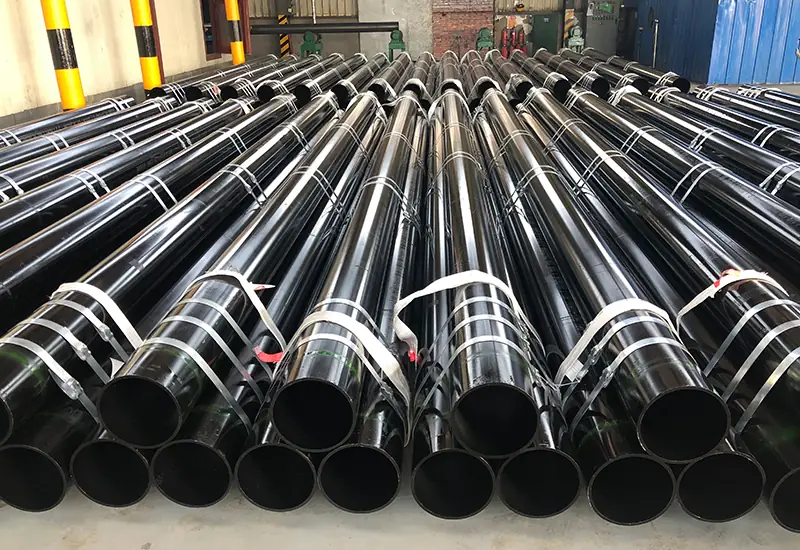
Allland provides offshore pipeline solutions for subsea oil and gas transportation. The pipes are designed for demanding marine environments where corrosion resistance, structural strength, and long-term reliability are essential.
Pipe Specifications
To meet different offshore project requirements, Allland manufactures large-diameter and heavy-wall steel pipes with the following specifications:
| Item | Specification |
| Outer Diameter | 323.9mm–1626mm |
| Wall Thickness | 12.7mm–40mm |
| Standard Length | 12m / 24m |
| Double Joint Length | 24m–48m |
These large-diameter pipes provide strong structural performance and are suitable for offshore applications that require high strength and stability.
Corrosion Protection and Surface Treatment
Since offshore pipelines operate in seawater environments, effective protection is necessary to reduce corrosion risks and extend service life. Allland provides different protection solutions based on project requirements.
3LPP Coating
3LPP coating provides excellent corrosion resistance and mechanical protection. Its polypropylene outer layer offers good performance in high-temperature offshore applications.
FBE + Concrete Weight Coating (CWC)
FBE coating provides corrosion protection, while concrete weight coating increases pipeline stability on the seabed. This combination helps prevent pipeline movement caused by water currents or buoyancy.
Anode Bracelets
Anode bracelets provide additional cathodic protection. They help reduce corrosion risks during long-term underwater operation.
Rock Shield
Rock shield protection helps prevent external damage when pipelines are installed in rocky seabed areas or challenging sections.
Insulation Coating
Insulation coating helps reduce heat loss during subsea transportation. It can also help prevent hydrate formation in certain operating conditions.
Strict Quality Control and Reliable Project Support
Offshore pipeline projects require strict quality management because failures can lead to high repair costs and operational risks.
Allland conducts inspections throughout the manufacturing process to maintain consistent product quality. The company also provides technical documents and product traceability to support project management.
The offshore pipes are manufactured according to international standards, including API 5L PSL2, DNV-ST-F101, ISO 13623, API 5LC, and API 5LD requirements.
With reliable manufacturing capabilities and professional technical support, Allland helps customers improve offshore pipeline performance from production to installation.
FAQ
Q1. What is an offshore pipeline used for?
An offshore pipeline is mainly used to transport oil, natural gas, water, and other fluids between offshore platforms, subsea facilities, and onshore terminals.
Q2. Why are LSAW pipes used for offshore projects?
LSAW pipes are commonly used in offshore projects because they can be produced in large diameters with strong structural performance and reliable weld quality. They are suitable for applications that require high strength and dimensional accuracy.
Q3. What standards are commonly required for offshore pipes?
Common standards include API 5L, ISO 13623, and DNV-ST-F101. These standards define requirements for pipe materials, manufacturing, inspection, and offshore pipeline performance.
Q4. How are offshore steel pipes protected from corrosion?
Offshore steel pipes are usually protected with external coatings such as 3LPE or 3LPP. Cathodic protection methods are also commonly used to provide additional corrosion control.
Conclusion
Offshore steel pipes play an important role in underwater energy transportation. However, they must withstand severe marine conditions, including seawater corrosion, high external pressure, and repeated mechanical stress.
Reliable offshore pipelines require suitable materials, effective coating solutions, and strict manufacturing control. LSAW steel pipes are widely used in offshore projects because they offer strong structural performance and support large-diameter applications.
When selecting an offshore pipe supplier, buyers should evaluate product standards, corrosion protection methods, production capabilities, and quality management. Choosing an experienced manufacturer can help ensure safer and more reliable offshore pipeline operations.
Contact Allland today for high-quality offshore steel pipe solutions and professional support for your next offshore project.

ASTM A53 vs. API 5L: A Guide to Selection and Application
In the field of industrial piping, ASTM A53 and API 5L are two key standards that are widely used, but have very different positions. ASTM...

Introduction:Technology differences determine success or failure, and selection needs to be “precise”
In oil and gas transmission, municipal infrastructure and other major projects, the reasonable choice of steel pipe welding process directly affects the project...
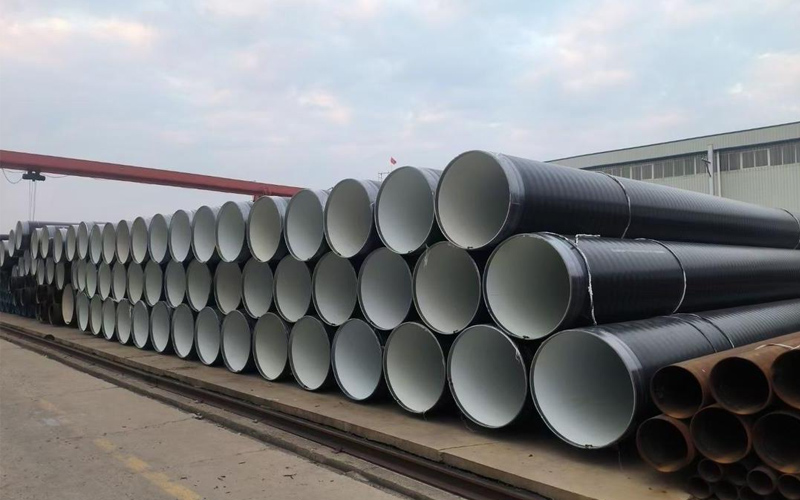
Steel Density Analysis: Core Differences between Mild and Medium Carbon Steels and Industrial Applications
The density of steel is one of the key parameters that determine its physical properties and industrial applications. Theoretical state of steel density...
3LPE coated steel pipe: a solid barrier in the field of industrial corrosion protection
In the harsh environment of oil and gas, chemical industry, urban pipe network, etc., the long-term reliability and corrosion resistance of pipeline system...
3LPP coated pipe: anti-corrosion guard in high temperature and high pressure environment
In some challenging special environments such as deep-sea oil and gas exploration and high-temperature crude oil transportation, traditional anti-corrosion coatings face significant challenges,...
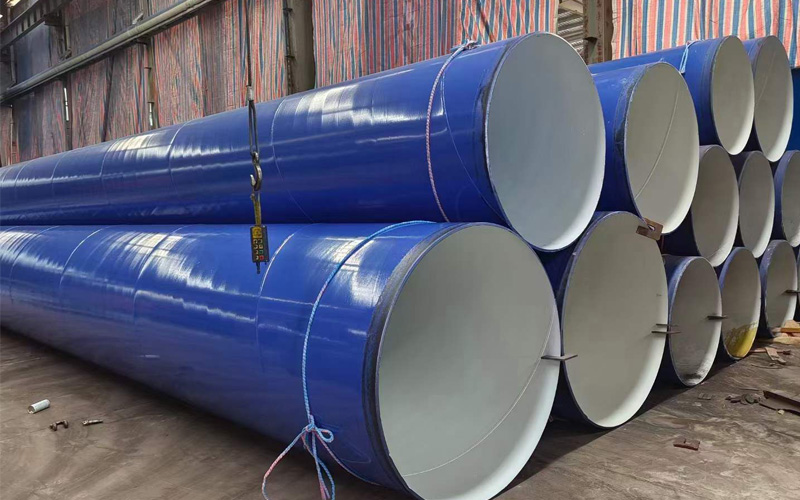
FBE steel pipe: the technological armor of the steel defense line
I In the icy waters beneath the Norwegian Sea pipeline, a section of FBE Lined Carbon Steel Pipe has been in service for 25...