


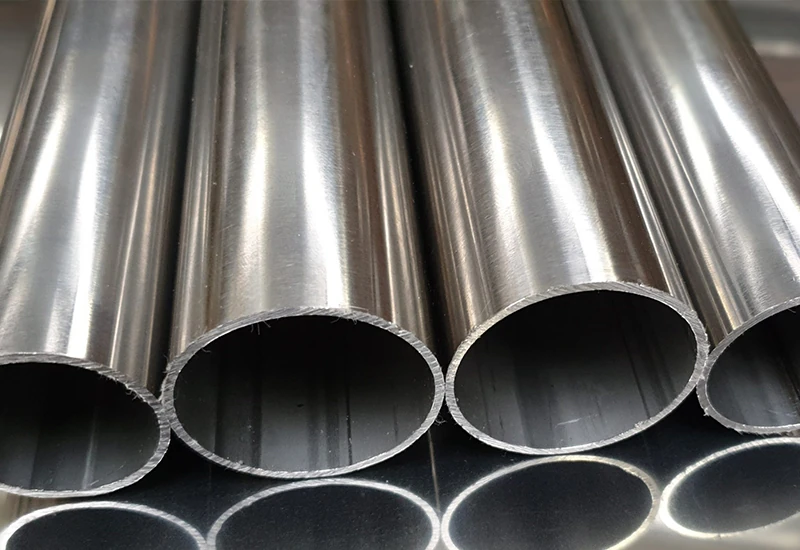

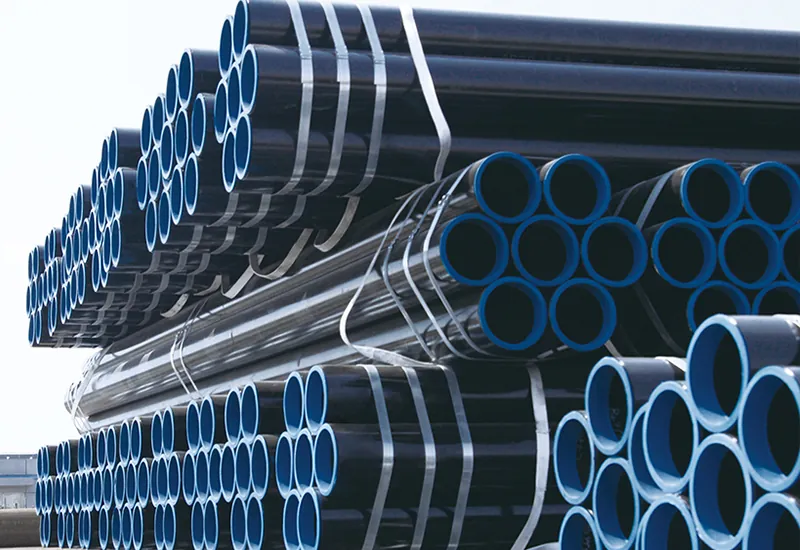
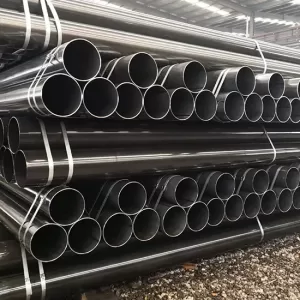
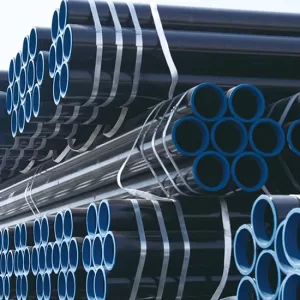
ERW STEEL PIPE – HFI / HFW PROCESS
·Outside Diameter: Φ21.3mm – 660mm (1/2″ – 26″)
UL/FM
·Wall Thickness: 1.0mm – 22mm (Sch 10 – Sch 80)
·Quality Standards: API 5L, ASTM A53, EN 10219, ASTM A500, AS/NZS 1163
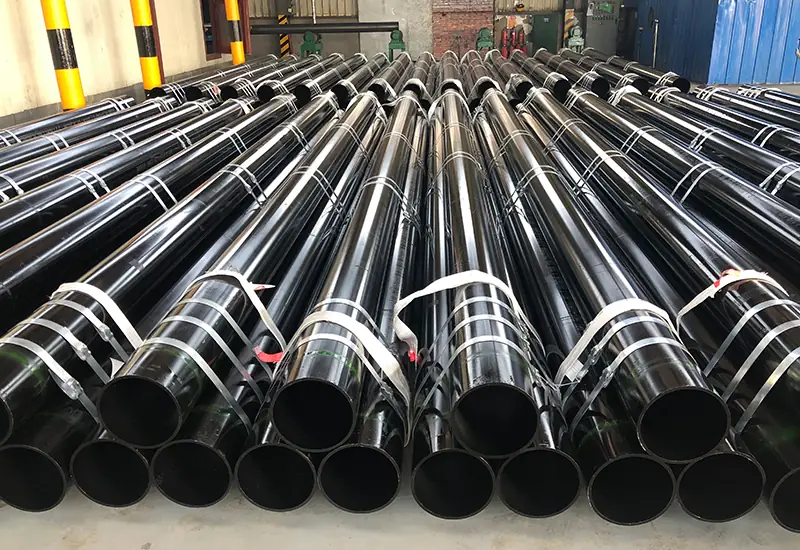
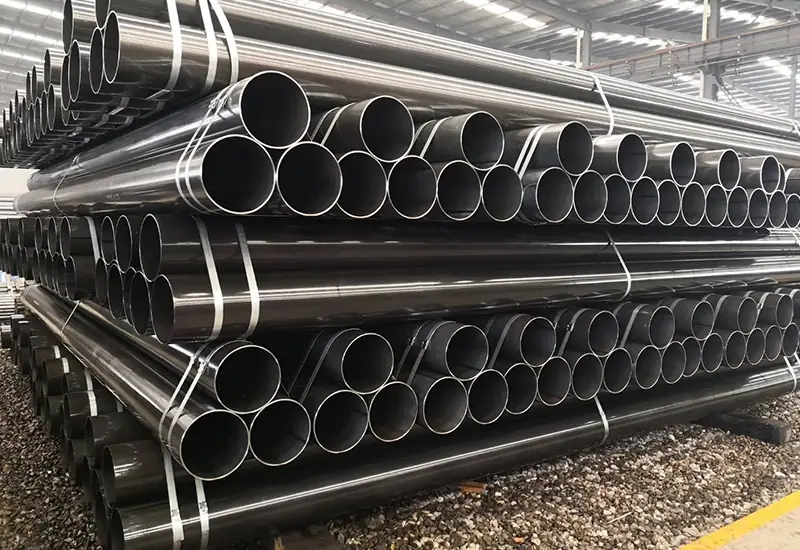
·Length: 5.8m, 6m, 11.8m, 12m, or as per client requirements
·Coating: Bare, Black painted, Galvanized (Hot-dipped), 3LPE, FBE
description
ERW (Electric Resistance Welded) steel pipe is manufactured by cold-forming a ribbon of steel into a cylindrical shape. Utilizing high-frequency induction (HFI) current, the edges are heated and fused together without the addition of filler metal. This process ensures a clean, high-strength weld seam that is virtually invisible after heat treatment.
Our ERW pipes are known for their high dimensional accuracy and uniform wall thickness. They are the preferred choice for cost-effective solutions in oil and gas gathering lines, water transportation, and structural applications where reliable performance and tight tolerances are required.
Product Name: ERW Steel Pipe, HFW Steel Pipe, High Frequency Welded Pipe
Specification
Standard and Steel Grade
Main application
ERW steel pipes are widely used across multiple sectors due to their versatility and efficiency:
advantages
packing
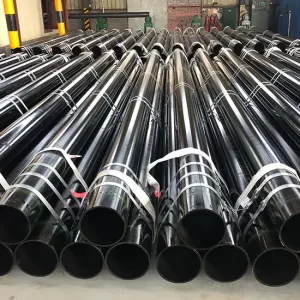
To ensure our ERW pipes reach the site in perfect condition, we follow international shipping standards:
FAQ
ERW (Electric Resistance Welded) is made by cold-forming steel coils and welding via high-frequency induction without filler metal, ideal for diameters up to 26″. LSAW (Longitudinal Submerged Arc Welded) uses filler metal and is designed for larger diameters (up to 60″) and much thicker walls.
ERW pipes offer high dimensional accuracy and are significantly more cost-effective for medium-pressure fluid transport and structural use. Seamless pipes are preferred for ultra-high-pressure or critical thermal applications where a weld seam is not permitted.
For our ERW production lines, the maximum wall thickness is 22.2mm (Sch 80) for larger diameters. If your project requires thicknesses up to 60mm, we recommend our LSAW steel pipe process.
Yes, we offer internal bead removal (scarfed) as a standard service for fluid transportation. This ensures a smooth internal surface, reducing friction and preventing any material buildup, which is essential for water and gas pipelines.
We provide a full range of coatings, including Hot-Dipped Galvanized, Black Painting, FBE (Fusion Bonded Epoxy), and 3LPE (3-Layer Polyethylene) to ensure long-term service life in buried or marine environments.
Standard | Available Steel Grades |
API SPEC 5L | Gr.B, X42, X46, X52, X56, X60, X70 (PSL1 & PSL2) |
ASTM A53 | Grade A, Grade B |
ASTM A500 | Grade A, B, C, D |
EN 10219 / 10217 | S235JR, S275JR, S355JR, S355J0, S355J2 |
AS/NZS 1163 | C250, C350, C350L0 |
ASTM A252 | Grade 1, Grade 2, Grade 3 |
ERW steel pipes are widely used across multiple sectors due to their versatility and efficiency:
To ensure our ERW pipes reach the site in perfect condition, we follow international shipping standards:
ERW (Electric Resistance Welded) is made by cold-forming steel coils and welding via high-frequency induction without filler metal, ideal for diameters up to 26″. LSAW (Longitudinal Submerged Arc Welded) uses filler metal and is designed for larger diameters (up to 60″) and much thicker walls.
ERW pipes offer high dimensional accuracy and are significantly more cost-effective for medium-pressure fluid transport and structural use. Seamless pipes are preferred for ultra-high-pressure or critical thermal applications where a weld seam is not permitted.
For our ERW production lines, the maximum wall thickness is 22.2mm (Sch 80) for larger diameters. If your project requires thicknesses up to 60mm, we recommend our LSAW steel pipe process.
Yes, we offer internal bead removal (scarfed) as a standard service for fluid transportation. This ensures a smooth internal surface, reducing friction and preventing any material buildup, which is essential for water and gas pipelines.
We provide a full range of coatings, including Hot-Dipped Galvanized, Black Painting, FBE (Fusion Bonded Epoxy), and 3LPE (3-Layer Polyethylene) to ensure long-term service life in buried or marine environments.
Provide us with your project details (like application, specifications, quantity). Our experienced team will respond with a tailored solution and competitive quote within 24 business hours.
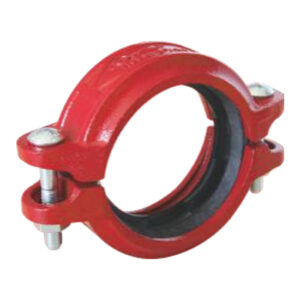
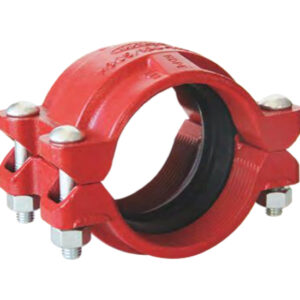
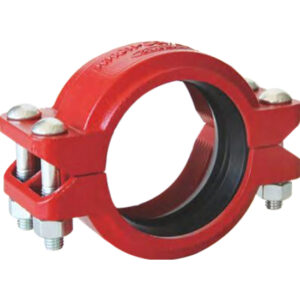
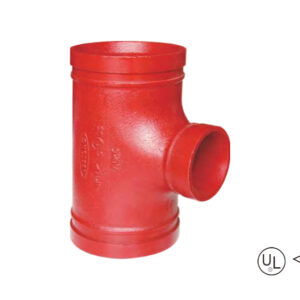
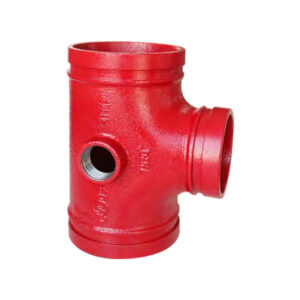
Grooved-increasing-tee-1-300x300.jpg)
We remain steadfast in our mission, driving innovation to deliver exceptional products and services for clients, empower employees with trans-formative growth opportunities, and create sustainable value for society.


