








In high-pressure industrial projects such as oil and natural gas transportation, boiler systems and chemical processing, the selection of pipeline materials is a key decision, which directly affects the operation safety, budget control and long-term reliability. Choosing the wrong material will not only leads to unnecessary cost overruns due to early replacement and maintenance, but also bring catastrophic risks, such as pipeline bursting and explosion, which can lead to serious casualties and environmental damage. According to industry statistics, more than 30% of high pressure pipe failures are attributed to improper material selection. This article aims to conduct an in-depth comparison of three mainstream steel materials for high-pressure pipes—carbon steel, stainless steel, and alloy steel—analyzing their performance characteristics, cost advantages, product specifications, and application scenarios to help professionals make informed decisions.
Carbon Steel Pipe: The Cost-Effective Workhorse
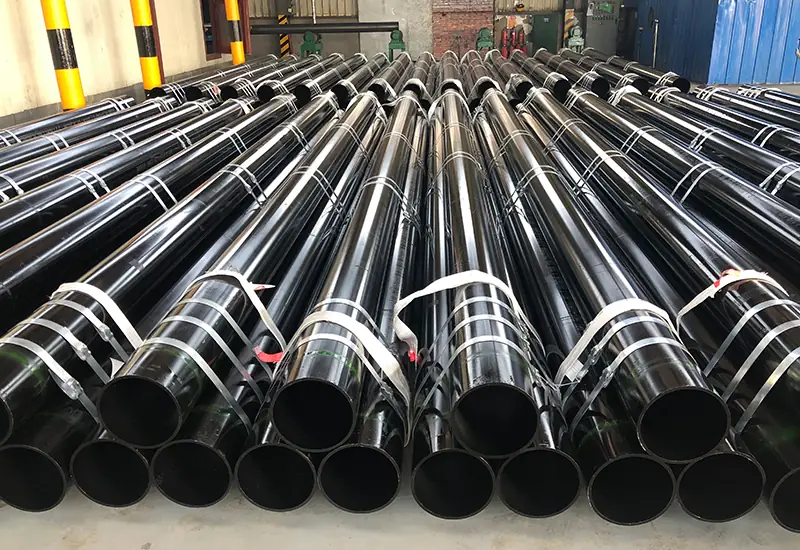
Carbon steel pipe is an iron-carbon alloy mainly composed of iron and carbon, and it also contains trace elements such as manganese and silicon. Known as the “bread and butter” in industry, it is the most widely used material in the application of high-pressure steel pipe because of its balanced performance and economic benefits.
Under the condition of high pressure, the most commonly used standard for carbon steel pipe is ASTM A106, which includes three grades (A, B and C) and has different mechanical properties to meet different pressure and temperature requirements. ASTM A106 Grade B is the most frequently adopted variant, featuring a minimum tensile strength of 415MPa and yield strength of 240MPa, making it suitable for most medium-pressure fluid transmission tasks. Another important standard is API 5L, which is specially designed for oil and natural gas pipeline applications.
The core advantages of carbon steel pipe are its high strength, low cost, excellent weldability and machinability. Compared to stainless steel and alloy steel, the cost of carbon steel pipe is only 1/3 to 1/5 of that of stainless steel and 1/2 of that of alloy steel, thus greatly reducing project investment. Its good weldability allows for flexible on-site installation, improving construction efficiency. However, carbon steel pipe have obvious disadvantages: poor corrosion resistance, requiring anticorrosive coatings such as epoxy resin or polyurethane to prolong their service life, and limited tolerance to extreme temperatures-usually only suitable for working temperatures between-29°C and 427°C(Source: https://www.astm.org/Standards/A106.htm).
Typical applications of ASTM A106 carbon steel pipe include oil and gas pipelines, power plant water supply systems, boiler water supply pipes and mechanical structure components. It is particularly ideal for most medium and low corrosion high pressure fluid transmission situations where budget is a key consideration.
Stainless steel pipe: corrosion warrior
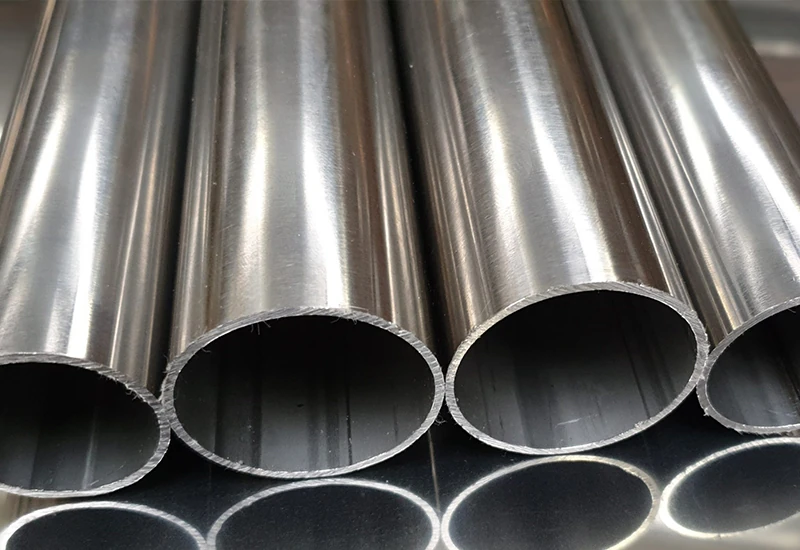
Stainless steel pipe is defined as a steel alloy containing at least 10.5% chromium, which forms a dense passive oxide film on its surface to resist corrosion. This unique chemical composition makes it the first choice for high-pressure applications in corrosive environment.
The main standard for stainless steel high pressure steel pipe is ASTM A312, which covers seamless and welded austenitic stainless steel pipes, including TP304 and TP316 and other common grades. TP304 stainless steel provides basic corrosion resistance, while TP316 adds molybdenum to enhance its chloride corrosion resistance, making it more suitable for harsh environments.
Stainless steel pipe has excellent advantages: excellent corrosion resistance without additional anti-corrosion coatings, excellent hygiene performance (meeting food-grade standards) and excellent low-temperature resistance-TP304 can operate stably at temperatures as low as-270°C, and is suitable for the transmission of low-temperature fluids such as liquefied natural gas (LNG). In addition, its service life is very long, generally 2-3 times that of carbon steel pipe.
The main disadvantage of stainless steel pipe is its high cost, which is usually 3-5 times as high as that of carbon steel pipe. Compared with carbon steel, its relatively high hardness also increases processing difficulty and the complexity of welding.
Common application scenarios include food processing plants, chemical facilities for treating corrosive media, marine engineering (offshore platforms and ship pipelines), pharmaceuticals and LNG storage and transportation systems. This is the best choice when corrosion resistance or low temperature performance are the primary considerations.
Alloy Steel Pipe: The High-Temp Specialist
Alloy steel pipe is a kind of steel pipe in which alloying elements such as chromium (Cr), molybdenum (Mo) and vanadium (V) are added to carbon steel to improve its high temperature resistance, creep resistance and mechanical properties. It is specially designed for industrial environment of high temperature and high pressure (HTHP).
The key standard for alloy steel high-pressure steel pipe is ASTM A335, which classifies pipes according to material grades (such as P11, P22 and P91). P11 alloy steel contains 1.25% Cr and 0.5% Mo, which is suitable for medium temperature and high pressure; P91 contains 9% chromium and 1% molybdenum, which has excellent creep resistance at high temperature and is widely used in ultra-supercritical power plants.
The biggest advantage of alloy steel pipe is its excellent high temperature performance. It can maintain structural integrity and mechanical strength at temperatures exceeding 600°C, with excellent creep resistance—resisting permanent deformation under long-term high-temperature and high-pressure loads. In high temperature environment, it also has better corrosion resistance than carbon steel pipe.
However, the cost of alloy steel pipe is higher than that of carbon steel pipe (although lower than that of stainless steel), and it requires complicated welding processes, usually preheating and post-weld heat treatment to avoid welding defects. Its processing difficulty is also high, requiring professional equipment and technology.
Typical applications include power plant boilers, high-temperature steam pipelines, petrochemical cracking units and high-temperature hydrogenation reactors, where it is very important to resist high temperature and high pressure.
The Ultimate Comparison
| Material Type | Corrosion Resistance | Cost | Pressure/Temp Handling | Common Standard |
| Carbon Steel Pipe | Low | Low | Good ( -29°C to 427°C ) | ASTM A106, API 5L |
| Stainless Steel Pipe | High | High | Excellent for Cryogenic ( -270°C to 871°C ) | ASTM A312 (TP304/316) |
| Alloy Steel Pipe | Medium | Medium | Excellent for High Temp ( Up to 650°C+ ) | ASTM A335 (P11/P22/P91) |
How to Choose?
The selection of suitable high-pressure steel pipe material needs to balance various factors, such as budget, operating environment (corrosion degree, temperature and pressure) and service life. Follow the steps below to make the best choice.
- Evaluate budget constraints: If budget is limited and the operating environment is low corrosive or non-corrosive (e.g., Clean water and dry gas transportation) and carbon steel pipe (e.g., ASTM A106) are the most cost-effective choice. It meets basic high-pressure requirements and minimizes investment.
- Evaluation of temperature conditions: For high temperature conditions (e.g., Alloy steel pipes are essential for power plant boilers, high-temperature steam pipes with working temperatures above 450°C). Choose ASTM A335 P11/P22 at middle temperatures and P91 for ultra-high temperatures.
- Consider corrosion factors: If the medium is corrosive (e.g., Chloride, sulfur compounds) or harsh environment (e.g., Marine and chemical plants), it is recommended to use stainless steel pipe (ASTM A312 TP304/316). For cryogenic applications (e.g., Liquefied natural gas), stainless steel is also the first choice.
- Verify the compliance of standards: ensure that the selected pipeline meets industry standards-carbon steel meets ASTM A106, stainless steel meets ASTM A312 and alloy steel meets ASTM A335 to ensure quality and safety.
FAQ
Q 1:What’s the difference between ASTM A106 Class B and Class C?
A 1: Both of them are ASTM A106 carbon steel pipe grades. Grade B has a tensile strength of ≥ 415MPa and a yield strength of ≥ 240MPa, suitable for medium-pressure applications. Grade C provides higher strength (tensile ≥ 485MPa, yield ≥ 275MPa), and is used in high-pressure situations with higher requirements.
Q 2: Can carbon steel pipe be used in marine environment?
A 2: It is not recommended for long-term use. Carbon steel pipe have low corrosion resistance to salt water and humid marine air, leading to rapid rust. Stainless steel pipe (TP316) or alloy steel pipe with anti-corrosion coatings is more suitable.
Q 3: What is creep strength and why is it important for alloy steel pipe?
A 3: Creep strength refers to the ability of materials to resist permanent deformation under long-term high temperature and high pressure loads. Alloy steel tube is designed for high temperature environment, and its creep resistance can prevent pipeline failure and ensures long-term safety.
Q 4: Is stainless steel tube suitable for high temperature and high pressure steam?
A 4: It depends on the temperature. Stainless steel pipe (ASTM A312) can handle temperatures up to 871°C, but alloy steel pipe offers better creep resistance at temperatures above 600°C, making it more reliable for ultra-high-temperature steam applications.
Conclusions and CTA
There is no “best” material for high-pressure steel pipes, only the material that is most suitable for specific application scenarios. Carbon steel pipe (especially ASTM A106 series) is very cost-effective in low corrosion and medium pressure environment. Stainless steel pipe are unparalleled in corrosion resistance and low temperature performance. Alloy steel pipe are the first choice for high temperature and high pressure work. The key is to make a comprehensive evaluation of operating conditions, budget and safety requirements.Still not sure which material is suitable for your stress requirements? Please contact Allland Steel’s engineers for a free consultation and quotation. Our team of experts will analyze your specific project needs and recommend the optimal high pressure steel pipe solution to ensure safety, reliability, and cost-efficiency.

ASTM A53 vs. API 5L: A Guide to Selection and Application
In the field of industrial piping, ASTM A53 and API 5L are two key standards that are widely used, but have very different positions. ASTM...

Introduction:Technology differences determine success or failure, and selection needs to be “precise”
In oil and gas transmission, municipal infrastructure and other major projects, the reasonable choice of steel pipe welding process directly affects the project...
Steel Density Analysis: Core Differences between Mild and Medium Carbon Steels and Industrial Applications
The density of steel is one of the key parameters that determine its physical properties and industrial applications. Theoretical state of steel density...
3LPE coated steel pipe: a solid barrier in the field of industrial corrosion protection
In the harsh environment of oil and gas, chemical industry, urban pipe network, etc., the long-term reliability and corrosion resistance of pipeline system...
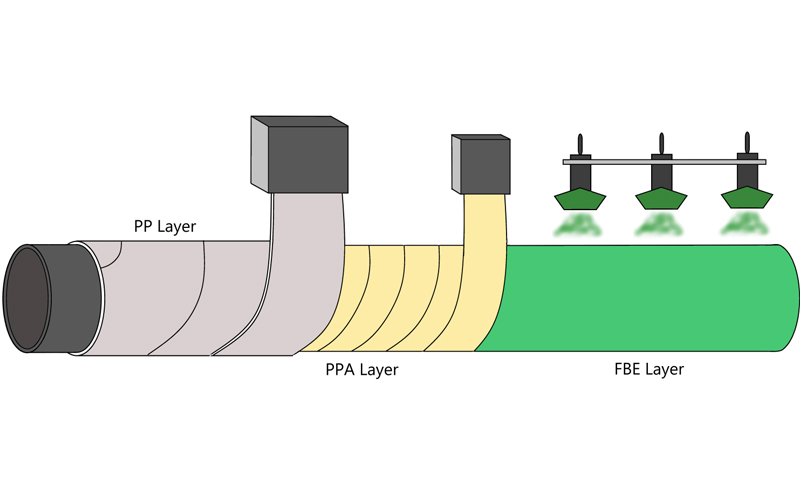
3LPP coated pipe: anti-corrosion guard in high temperature and high pressure environment
In some challenging special environments such as deep-sea oil and gas exploration and high-temperature crude oil transportation, traditional anti-corrosion coatings face significant challenges,...
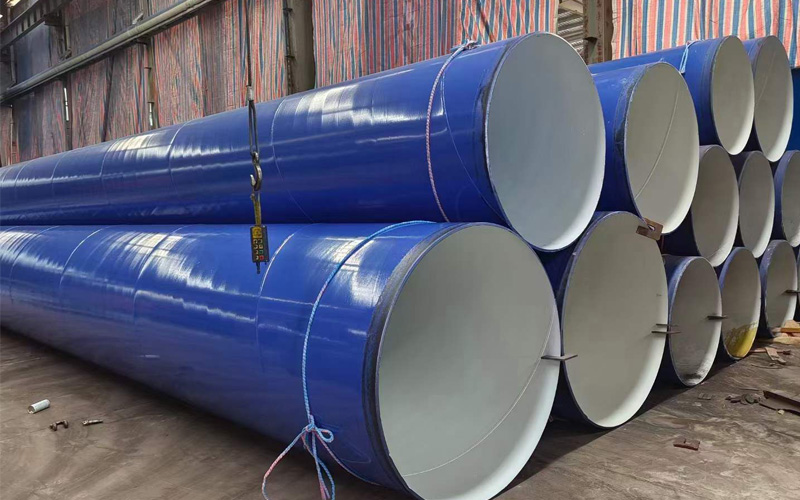
FBE steel pipe: the technological armor of the steel defense line
I In the icy waters beneath the Norwegian Sea pipeline, a section of FBE Lined Carbon Steel Pipe has been in service for 25...