






Introduction
As industries continue to expand and infrastructure projects become more complex, the demand for safe and reliable fluid transportation systems is growing. Industries such as oil and gas, petrochemical processing, power generation, and chemical manufacturing require pipeline systems that can operate under high pressure, extreme temperatures, and challenging conditions.
In these applications, high pressure pipes help maintain stable operation and long-term system reliability. They are designed to transport fluids and gases safely while providing excellent strength and durability in demanding environments.
Selecting the right high pressure pipe can be challenging due to the wide range of specifications, materials, and industry standards available. This buying guide explains the key factors to consider, including pipe types, materials, standards, applications, and supplier selection, helping you make a more informed decision.
What Is a High Pressure Pipe?
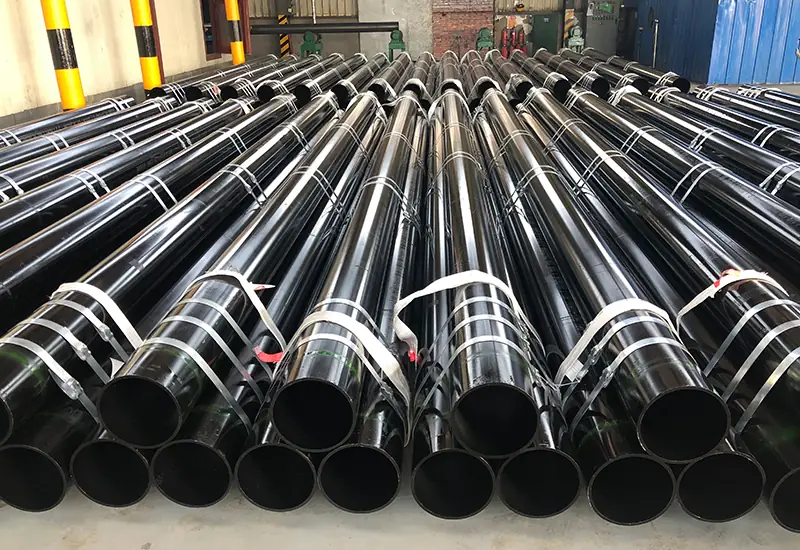
A tuyau à haute pression is a specially designed steel pipe used to transport fluids or gases under elevated pressure conditions. Compared with conventional steel pipes, high-pressure pipes require higher material strength, stricter manufacturing control, and more comprehensive inspection procedures to maintain structural integrity during operation.
Common Types of High Pressure Pipes
Seamless High Pressure Pipe
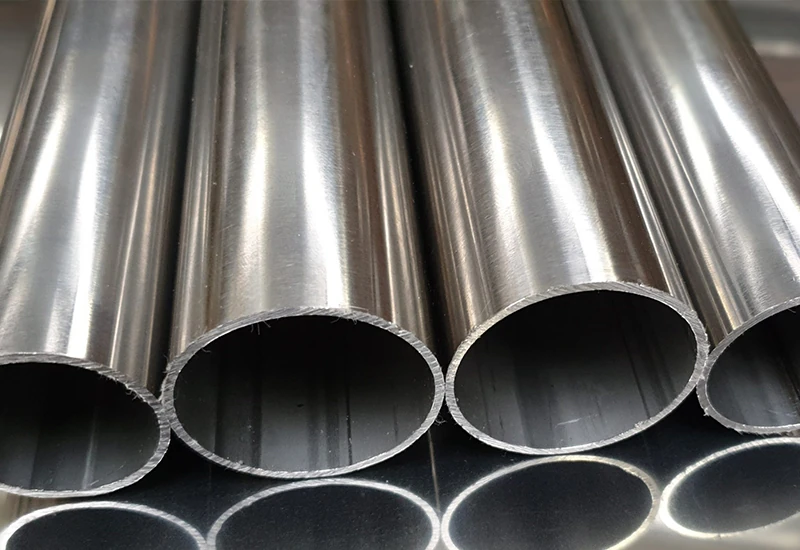
A tuyau sans soudure à haute pression is manufactured without a welded seam, providing uniform strength throughout the pipe body. This structure makes seamless pipes suitable for applications that require high pressure resistance, stable mechanical performance, and reliable service under demanding conditions.
The seamless manufacturing process reduces the risk of weld-related defects. As a result, seamless pipes are widely used in critical industrial applications where safety and reliability are important.
Welded High Pressure Pipe
Welded high-pressure pipes are manufactured by forming steel plates or coils and joining them through welding processes. With advanced welding technology and strict inspection procedures, welded pipes provide efficient solutions for large-diameter pipeline projects.
For large-scale pipeline systems, welded pipes offer advantages in production efficiency, size flexibility, and cost control.
Main Applications of High Pressure Steel Pipe
The demand for high pressure steel pipe applications continues to grow as industries require safer and more efficient fluid transportation systems. Due to their high strength, pressure resistance, and durability, high pressure steel pipes are widely used in energy, chemical processing, power generation, and other industrial sectors.
Oil and Gas Industry
The oil and gas industry is one of the major application areas for high pressure steel pipes. During exploration, production, transportation, and processing, pipeline systems must handle high-pressure fluids while maintaining long-term structural performance.
These pipes are commonly used in:
- Long-distance oil and gas transmission pipelines
- Energy infrastructure and pipeline networks
- Oil and gas processing and refining facilities
Chemical and Petrochemical Industry
Chemical and petrochemical plants often involve complex processes where pipelines transport high-temperature, high-pressure, or corrosive fluids. In these environments, pipe reliability directly affects production efficiency and operational safety.
When selecting high pressure pipes for chemical processing systems, engineers usually consider:
- Compatibility between pipe materials and chemical media
- Resistance to high temperatures and pressure fluctuations
- Long-term durability in corrosive environments
Power Generation Industry
Power generation facilities rely on advanced piping systems for steam circulation, heat transfer, and energy conversion processes. In thermal power plants and other energy facilities, pipes must withstand high temperatures and continuous pressure operation.
Industrial Hydraulic Systems
Beyond large infrastructure projects, high pressure steel pipes are also widely used in industrial hydraulic systems. Hydraulic machinery, automation equipment, and pressure control systems require reliable pipes to safely transfer fluids under high pressure.
In these applications, factors such as pressure capacity, dimensional accuracy, and service life directly affect equipment performance. High-quality piping systems help maintain stable operation and support efficient industrial processes.
High Pressure Pipe Standards and Specifications
Selecting high pressure pipes according to recognized industry standards is essential for ensuring product quality, safety, and long-term performance. Different projects may require different standards depending on the application, operating pressure, transported medium, and regional regulations.
The commonly referenced tuyau à haute pression standards include API 5L, ASME B31.3, EN 10208, and ISO 3183.
API 5L
API 5L is one of the most widely used standards for steel line pipes in the oil and gas industry. It specifies requirements for pipes used to transport oil, natural gas, and other petroleum products.
The standard covers key requirements, including pipe grades, chemical composition, mechanical properties, manufacturing processes, inspection, and testing. API 5L includes two main product specification levels:
- PSL 1: Suitable for general pipeline applications with basic quality requirements.
- PSL 2: Includes stricter requirements for chemical composition, mechanical properties, and inspection. It is commonly used for more demanding pipeline projects.
API 5L pipes are widely used in long-distance oil and gas transmission systems, including both onshore and pipeline offshore applications.
ASME B31.3
ASME B31.3 is a process piping standard developed by the American Society of Mechanical Engineers. It covers requirements for piping design, materials, fabrication, assembly, inspection, and testing in industries such as chemical processing, petroleum, pharmaceutical, and related fields.
For high pressure pipe procurement, ASME B31.3 provides guidance on material selection and piping system design. Following these requirements helps ensure that piping systems meet safety and performance requirements during operation.
ISO 3183
ISO 3183 specifies requirements for seamless and welded steel pipes used in petroleum and natural gas pipeline transportation systems. It covers important aspects such as pipe manufacturing, material performance, quality control, and product inspection.
The standard is widely referenced in international pipeline projects. It provides a common framework for manufacturers and buyers to evaluate pipeline products across different markets.
How to Choose a Reliable High Pressure Pipe Supplier?
Selecting the right high pressure pipe manufacturer is an important step in ensuring pipeline safety and long-term project performance. A reliable supplier should provide not only quality products but also strong manufacturing capabilities, strict quality control, and professional technical support.
Before placing an order, buyers should evaluate several key factors, including manufacturing experience, compliance with industry standards, customization capabilities, and after-sales service. These factors help determine whether a supplier can meet specific project requirements.
Manufacturing Experience and Capability
A supplier’s manufacturing experience directly influences the quality and consistency of high pressure pipes. Manufacturers with extensive industry experience are usually better equipped to handle different operating conditions, material requirements, and project specifications.
Key factors to evaluate include:
- Production equipment and manufacturing processes
- Quality inspection procedures
- Production capacity and delivery capability
These factors help determine whether a supplier can provide stable and reliable products for demanding industrial applications.
Standards and Certifications
High pressure piping systems often operate under strict safety requirements. Therefore, suppliers should be able to manufacture products according to recognized industry standards and provide relevant quality documentation.
Common standards and certifications include:
- API 5L for pipeline applications
- Normes ASTM for material and dimensional requirements
- ASME requirements for pressure-related piping systems
- ISO certifications for quality management systems
Compliance with these standards helps improve product reliability and ensures compatibility with different project requirements.
Customization Options
Industrial projects often have specific requirements for pipe dimensions, materials, and surface protection. A capable supplier should provide flexible solutions based on actual application conditions.
Important customization factors include:
- Pipe diameter and wall thickness
- Pipe length and delivery requirements
- Surface coating and treatment options
- End connections and additional processing requirements
The ability to provide customized solutions allows buyers to select pipes that better match their operating environments.
Why Choose Allland High Pressure Pipe?
Selecting a reliable high pressure pipe supplier requires more than checking basic dimensions. Factors such as pipe specifications, manufacturing standards, material selection, and surface protection options all influence product performance in industrial applications.
Allland provides tube en acier à haute pression solutions for energy, petrochemical, and industrial projects. With flexible specifications, support for international standards, and multiple coating options, Allland helps customers select suitable pipe solutions based on different project requirements.
Flexible Specifications for Different Applications
Different projects have different requirements for pipe diameter, wall thickness, and length. Allland high pressure pipes are available in a wide range of specifications, allowing customers to select suitable products for transportation systems, process pipelines, and other high-pressure applications.
| Specification Item | Allland High Pressure Pipe Range |
| Diamètre extérieur | Φ 50 mm–1500 mm (2″–60″) |
| Épaisseur de la paroi | 6.0 mm–100 mm |
| Longueur | 6 m / 12 m / 18 m (custom lengths up to 24 m) |
This flexible size range enables Allland to provide solutions for projects with different pressure requirements and pipeline designs.
Fabriqué conformément aux normes internationales
For global industrial projects, compliance with recognized standards is an important consideration. Allland high pressure pipes can be manufactured according to major international standards, helping customers meet different engineering and procurement requirements.
| Norme internationale | Supported Grades / Requirements |
| API 5L | X42, X65, X80 |
| ASME B31.3 | ASTM A106 Gr.B, A333 Gr.6 |
| EN 10208 | L245NB, L450MB |
| ISO 3183 | PSL1 / PSL2 |
By supporting multiple international standards, Allland can provide high pressure pipe products suitable for different markets and project specifications.
Multiple Coating Options for Better Protection
High-pressure pipelines may face challenges such as corrosion, moisture, and harsh operating environments. To improve pipeline protection and service life, Allland offers different surface treatment options based on project requirements.
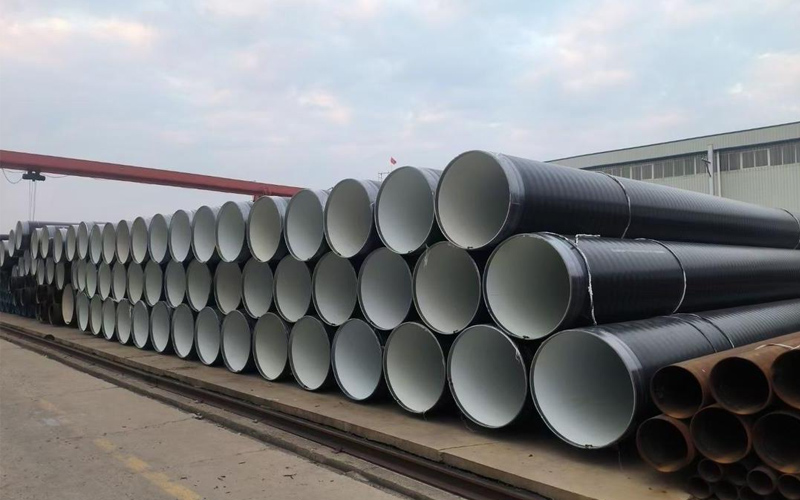
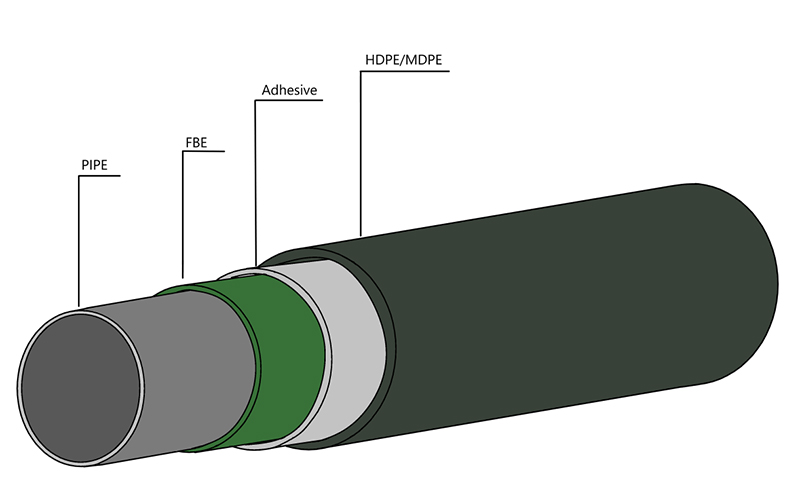
- External Coating: FBE (250–500 μm), 3LPE (2.5–3.5 mm), abrasion-resistant overlay
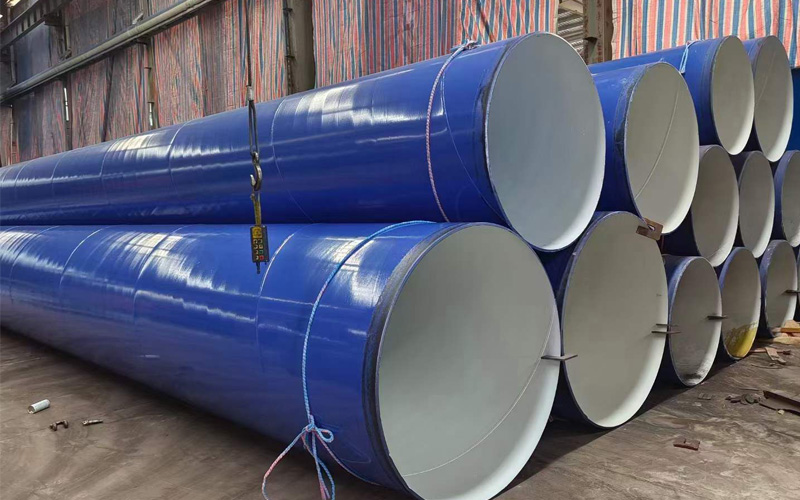
- Internal Coating: FBE, glass-reinforced epoxy, Cr13 cladding for erosion resistance
- Special Applications: Insulated bundles for cryogenic and high-temperature services
With flexible specifications, international standard support, and customized coating options, Allland high pressure pipes provide practical solutions for customers in the energy, industrial, and infrastructure sectors.
FAQ
Q1. What is the difference between seamless and welded high pressure pipe?
A tuyau sans soudure à haute pression is manufactured without welding seams and is commonly selected for applications requiring consistent strength and pressure resistance. Welded high-pressure pipes are produced through welding processes and are often used for large-diameter pipeline projects.
Q2. What standards are commonly used for high pressure pipes?
Communs high pressure pipe standards include API 5L, ASME B31.3, EN 10208, ISO 3183, and ASTM specifications. The appropriate standard depends on the application, industry requirements, and project location.
Q3. How do I choose the right high pressure pipe manufacturer?
Buyers should evaluate factors such as manufacturing experience, compliance with industry standards, inspection capabilities, customization options, and technical support before selecting a supplier.
Conclusion
Choisir le bon tuyau à haute pression is an important decision for any industrial project. The selection process should consider key factors such as pipe type, operating pressure, application environment, applicable standards, and supplier experience.
A suitable pipe solution can improve system reliability, reduce maintenance requirements, and support long-term operation.
High-pressure applications require steel pipes with excellent strength, durability, and corrosion resistance. Industries such as oil and gas, chemical processing, power generation, and hydraulic systems rely on high-quality piping solutions for safe and stable fluid transportation.
En tant que professionnel expérimenté high pressure pipe manufacturer, Allland provides tube en acier à haute pression solutions with a wide specification range, multiple coating options, and compliance with major international standards. Products can be customized according to different project requirements, helping customers find suitable solutions for various industrial applications.

ASTM A53 vs. API 5L : Guide de sélection et d'application
Dans le domaine de la tuyauterie industrielle, l'ASTM A53 et l'API 5L sont deux normes clés largement utilisées, mais dont les positions sont très différentes. L'ASTM...

Introduction:Les différences technologiques déterminent le succès ou l'échec, et la sélection doit être “précise”
Dans le domaine du transport du pétrole et du gaz, des infrastructures municipales et d'autres projets majeurs, le choix raisonnable du processus de soudage des tuyaux en acier a une incidence directe sur le projet...
Analyse de la densité de l'acier : Différences fondamentales entre les aciers doux et moyens au carbone et applications industrielles
La densité de l'acier est l'un des paramètres clés qui déterminent ses propriétés physiques et ses applications industrielles. L'état théorique de la densité de l'acier...
Tube d'acier revêtu de 3LPE : une barrière solide dans le domaine de la protection contre la corrosion industrielle
Dans l'environnement difficile du pétrole et du gaz, de l'industrie chimique, du réseau de canalisations urbaines, etc., la fiabilité à long terme et la résistance à la corrosion du système de canalisations...
Tube revêtu de 3LPP : protection anticorrosion dans un environnement à haute température et à haute pression
Dans certains environnements spéciaux difficiles, tels que l'exploration pétrolière et gazière en eaux profondes et le transport de pétrole brut à haute température, les revêtements anticorrosion traditionnels sont confrontés à des défis importants,...
Tube d'acier FBE : l'armure technologique de la ligne de défense de l'acier
I Dans les eaux glacées du pipeline de la mer de Norvège, une section de tube en acier au carbone revêtu FBE est en service depuis 25...