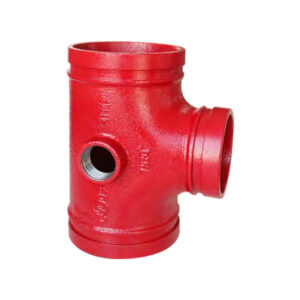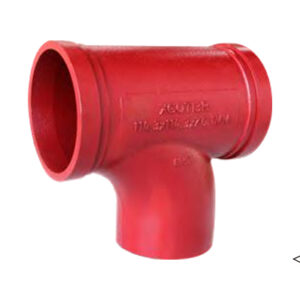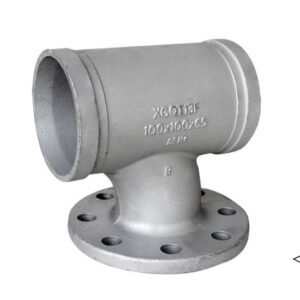







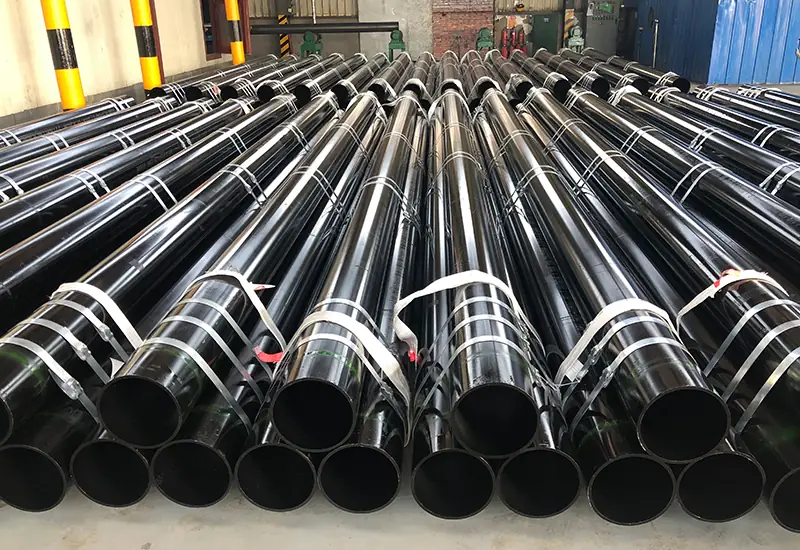


description
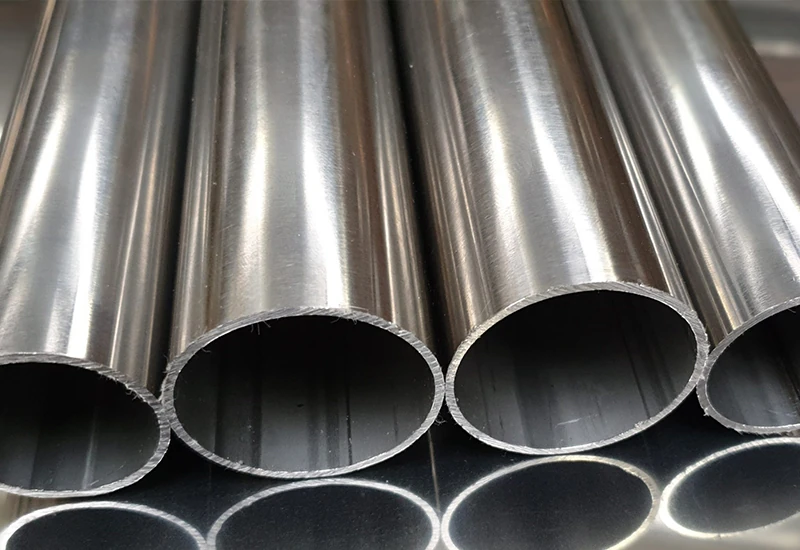
CANALISATION D'EAU POTABLE est conçu pour un transport sûr et efficace de l'eau potable. Fabriqué en acier au carbone (Q235B-Q345B) ou en acier inoxydable (304/316L) résistant à la corrosion, par soudage à l'arc submergé (SAW) ou sans soudure. Les revêtements internes certifiés NSF empêchent la prolifération bactérienne et préservent la pureté de l'eau. Certifié pour une durée de vie de plus de 50 ans dans les réseaux municipaux et les systèmes d'approvisionnement en eau industriels.
Nom du produit : Potable Water Steel Pipe, NSF Water Main
Spécifications:
Diamètre extérieur : 100mm – 2 000 mm (4 pouces – 80 pouces)
Épaisseur de la paroi : 2.0 – 16 mm
Longueur : 6m / 8m / 10m / 12m (longueurs personnalisées jusqu'à 18m)
Standard et la qualité de l'acier :
| AWWA C200 | Grade B/C |
| EN 10312 | 1.4404 (316L), 1.4301 (304) |
| GB/T 17219 | Q235B-Q345B |
| NSF/ANSI 61 | Matériaux certifiés |
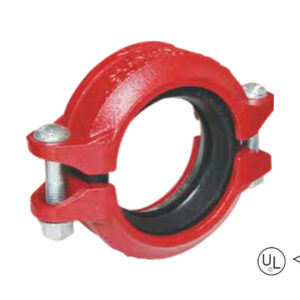
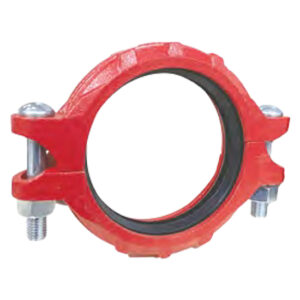
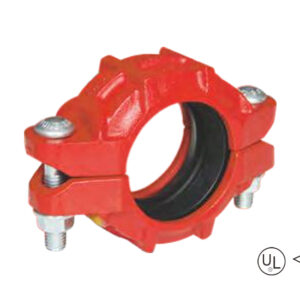
Fin : Extrémités rainurées / Extrémités à brides (EN 1092-1) / Biseau de soudage
Traitement de surface
Revêtement intérieur : Revêtement en mortier de ciment (≥1,5mm), époxy NSF (≥250μm).
Revêtement externe : 3PE (≥2.0mm), Fusion-bonded epoxy (FBE)
Spécial : Électropolissage de tubes en acier inoxydable
Spécifications
CANALISATION D'EAU POTABLE Tableau de référence des plages de spécifications
| Paramètres | Gamme typique | Gamme extrême | Base standard | Contraintes d'ingénierie |
| Diamètre extérieur | ⌀300mm~⌀1200mm | ⌀100mm~⌀2000mm | AWWA C200 | >1800mm nécessite une conception segmentée |
| Epaisseur de la paroi | 4,0 mm~10 mm | 2.0mm~16mm | EN 10312 | Epaisseur <3mm limitée aux systèmes à basse pression |
| Longueur | 10m (standard) | 5m (spécial) ~ 18m | GB/T 17219 | >Les tuyaux de plus de 12 m nécessitent l'appui d'une grue |
CANALISATION D'EAU POTABLE Tableau de comparaison des normes et des applications
| Classification | Standard | Positionnement | Applicabilité |
| Normes de base | AWWA C200 | Norme américaine pour la transmission de l'eau | Obligatoire pour les projets municipaux en Amérique du Nord |
| Normes sanitaires | NSF/ANSI 61 | Certification des effets sur la santé | Systèmes mondiaux d'eau potable |
| Normes de conception | EN 10312 | Spécification européenne des tubes en acier inoxydable | Environnements aqueux corrosifs |
| Norme régionale | GB/T 17219 | Évaluation de la sécurité sanitaire en Chine | Projets d'infrastructures hydrauliques en Asie |
Processus détaillé de fabrication des canalisations d'eau potable
1.Fabrication de tuyaux de support : Les tuyaux à paroi épaisse (LSAW, SSAW, ERW ou en acier inoxydable) sont fabriqués et contrôlés dans le strict respect de la norme AWWA C200, API 5L, ou selon la norme EN 10312.
2.Sablage et prétraitement des surfaces : Les surfaces intérieures et extérieures des tuyaux sont soumises à un sablage centrifuge afin d'atteindre un niveau de propreté Sa 2,5, ce qui permet d'éliminer toute calamine, toute rouille et toute graisse de surface.
3.Application du revêtement interne en mortier de ciment (CML) : Pour les conduites d'eau en acier au carbone, un mortier de ciment à haute densité (AWWA C205 / BS 5328) est projeté par centrifugation à l'intérieur du tuyau en rotation afin de créer un revêtement interne lisse et résistant à la corrosion, garantissant un écoulement hydraulique optimal.
4.Revêtement époxy liquide pour l'intérieur (alternative) : Une résine époxy liquide de qualité alimentaire, sans solvant (certifiée conforme aux normes NSF/ANSI 61 et BS 6920 pour le contact avec l'eau potable) est pulvérisée de manière uniforme afin d'assurer une protection de l'eau non toxique et sans lixiviation.
5.Durcissement et conditionnement environnemental : Les canalisations revêtues de ciment sont soumises à un durcissement à la vapeur ou par pulvérisation d'eau dans des conditions de forte humidité afin d'atteindre une résistance mécanique maximale et d'éliminer les microfissures dues au retrait.
6.Enveloppe externe anticorrosion : L'extérieur des canalisations est recouvert d'un revêtement en 3LPE (polyéthylène à trois couches) ou en époxy lié par fusion (FBE) afin d'isoler le corps de la canalisation des substances chimiques présentes dans le sol, de l'humidité et des courants parasites.
7.Essais hydrostatiques et analyses de la qualité de l'eau : Les tubes finis 100% sont soumis à des essais hydrostatiques à pleine pression, suivis de contrôles de lixiviation à l'eau potable afin de garantir l'absence totale de migration chimique.
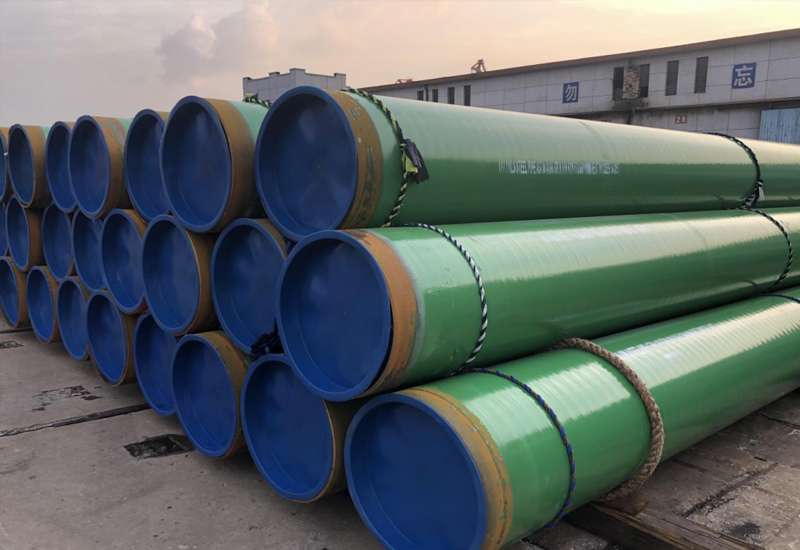
8.Protection des extrémités et emballage propre : Les extrémités des tuyaux sont équipées de capuchons de protection de qualité alimentaire afin d'empêcher la pénétration de poussière, d'insectes et toute contamination sur le chantier pendant le transport ; elles sont ensuite regroupées et préparées pour l'expédition.
application
Les conduites d'eau potable constituent l'épine dorsale des systèmes municipaux et régionaux d'approvisionnement en eau.
Transport et distribution de l'eau par les municipalités : Les conduites principales transportent l'eau traitée des usines vers les réservoirs/tours, et les réseaux de distribution secondaires acheminent l'eau vers les habitations, les entreprises et les institutions.
Tuyauterie interne de l'usine de traitement des eaux : Raccordement des processus au sein des stations d'épuration (clarificateurs, filtres, réservoirs de contact pour la désinfection, stations de pompage).
Tuyaux d'entrée/sortie des réservoirs et des réservoirs surélevés : Raccordement des installations de stockage au réseau de distribution.
Approvisionnement en eau des grands bâtiments et des campus : Conduites spécialisées pour les hôpitaux, les universités, les complexes industriels et les immeubles de grande hauteur.
Programmes d'approvisionnement en eau en milieu rural : L'extension de l'eau potable aux communautés isolées et aux zones agricoles.
Projets d'infrastructure : Canalisations dédiées aux nouveaux développements, aux extensions urbaines et aux projets de reprise après sinistre.
avantages
Protection de la qualité de l'eau : Les revêtements et les matériaux certifiés empêchent la corrosion, la lixiviation des contaminants et la formation de biofilms, ce qui garantit que l'eau reste salubre et agréable sur le plan esthétique (pas de problèmes de goût ou d'odeur).
Efficacité hydraulique : Les revêtements internes lisses (par exemple, CML, PE) minimisent les pertes par frottement, ce qui réduit les coûts énergétiques liés au pompage tout au long de la durée de vie de la canalisation.
Durabilité et longévité : Résistants à la corrosion interne et aux facteurs environnementaux externes (corrosion du sol, UV pour les plastiques), ils sont conçus pour une durée de vie supérieure à 50 ans avec un minimum d'entretien.
Résistance aux fuites : Des matériaux robustes et des systèmes d'assemblage fiables (par exemple, des joints à emboîtement avec des joints élastomères, des joints soudés) réduisent considérablement les pertes d'eau.
Intégrité structurelle : Le rapport résistance/poids élevé (en particulier DI, GRP) résiste aux charges de terre, aux charges de trafic et aux surpressions internes.
Polyvalence : Disponibles dans une large gamme de diamètres (DN80 à DN3000+) et de pressions nominales (PN6 à PN32+) pour répondre aux exigences de tout projet. Adaptés à divers modes de pose (creusement de tranchées, techniques sans tranchée – forage horizontal dirigé, microtunnelage).
Rapport coût-efficacité : Faible coût sur la durée de vie grâce à des fuites minimales, des coûts de pompage réduits, une longue durée de vie et de faibles besoins de maintenance.
emballage
L'emballage vise à éviter d'endommager les revêtements et les extrémités des tuyaux pendant le transport et la manutention. Les méthodes les plus courantes sont les suivantes.
Offre groupée : Les tuyaux de petit diamètre (DI, plastique) sont emballés avec un cerclage de protection et des bouchons d'extrémité.
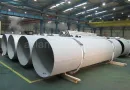
Bercer/enfourner : Les tuyaux de plus grand diamètre (acier, DI) sont transportés sur des remorques à plateau ou sur des navires à l'aide de berceaux en bois ou de berceaux sur mesure afin d'éviter toute déformation. Les extrémités sont toujours protégées par des capuchons ou des couvercles.
Expédition par conteneurs : Convient aux tuyaux de petit diamètre et de faible longueur
Rupture de l'expédition en vrac : Utilisé pour de grandes quantités de tuyaux, nécessitant un arrimage et une sécurisation minutieux sur les navires. La protection des extrémités est essentielle.
Remorques spécialisées : Pour les tuyaux surdimensionnés.
Les modes de transport comprennent la route, le rail et la mer. L'accent est mis sur l'utilisation de moyens de transport propres et sur l'absence de contamination de l'intérieur des tuyaux.

FAQ
Q1 : Quelles sont les meilleures options de revêtement interne pour les canalisations en acier destinées à l'eau potable ?
Les deux solutions de revêtement interne les plus éprouvées pour l'eau potable sont les suivantes : 1) Revêtement centrifuge à base de mortier de ciment (CML) conforme à la norme AWWA C205, qui garantit une protection autocurative contre la corrosion alcaline et une longue durée de vie (plus de 50 ans) ; et 2) 100% Époxy liquide solide sans solvant, certifié conforme aux normes NSF/ANSI 61 et WRAS, offrant des performances hydrauliques ultra-fluides (faible facteur C de Hazen-Williams) et aucune lixiviation chimique.
Q2 : Vos canalisations d'eau potable sont-elles certifiées pour un contact direct avec l'eau potable distribuée par la municipalité ?
Oui. Tous les matériaux, revêtements internes et produits d'étanchéité utilisés dans nos canalisations d'eau potable sont strictement conformes aux certifications internationales en matière de santé et de sécurité, notamment NSF/ANSI 61, WRAS, AWWA C200/C205/C210, et GB/T 17219, garantissant l'absence totale de rejets toxiques, d'odeurs et de prolifération microbienne.
Q3 : Quelles sont les différences entre les canalisations d'eau potable en acier et celles en fonte ductile (DI) et en PEHD ?
Par rapport à la fonte ductile (DI), les canalisations d'eau en acier soudées offrent une résistance à la traction plus élevée, des pressions nominales supérieures (PN25/PN40+), des longueurs unitaires plus importantes (jusqu'à 12 m–18 m, ce qui réduit le nombre de raccords sur chantier) et une meilleure résistance à l'affaissement du sol. Par rapport au PEHD, les canalisations en acier supportent des pressions de service plus élevées et des charges externes du sol sans risque de déformation ni de fissuration sous contrainte.
Q4 : Comment évitez-vous la contamination interne des tuyaux lors du transport à l'exportation ?
Chaque conduite d'eau potable est soigneusement lavée et séchée à l'air libre après avoir été testée. Les extrémités des conduites sont obturées à l'aide d'embouts en plastique ultra-résistants et résistants aux UV, puis protégées par un emballage étanche à l'humidité afin de garantir que le revêtement interne reste parfaitement propre et à l'abri du brouillard salin, de la poussière et des contaminants pendant le transport maritime.


Grooved-increasing-tee-1-300x300.jpg))