








Introduction
Municipal water delivery systems is the lifeline of modern cities, and it is responsible for providing clean and safe water to millions of families and enterprises. These systems put forward extremely strict requirements on drinking water pipelines: they not only have to bear high pressure in the process of water delivery, but also ensure absolute hygiene to prevent drinking water from being polluted. Among all kinds of pipeline materials in the market, steel pipe is the best solution for large-diameter water transportation. Steel pipes has unparalleled strength and durability, which enables it to cope with the harsh conditions of municipal water supply networks.
Our drinking water pipelines cover a wide range of specifications, and the outer diameters can be customized from 100mm to 2000mm (4 inches – 80 inches). This large-scale sizes makes our pipeline very suitable for the urban water main (the backbone of municipal water supply) and internal pipelines of water treatment plants. Whether the water is transported from the reservoirs to urban areas for a long distance or accurately distributed in the water treatment facilities, our drinking water pipeline solutions can meet the diversified needs of different projects and provide reliable support for the smooth operation of the whole municipal water supply system.
Material Selection: carbon steel vs stainless steel
The choice of drinking water pipeline material is a key decision, which directly affects the performance, cost-effectiveness and service life of the whole water supply system. Two main materials are widely used in our drinking water pipeline products: Carbon steel (Q235B/ASTM A36, Q345B/ASTM A572) and stainless steel (304/316L), and each material has its own unique characteristics and application scenarios.
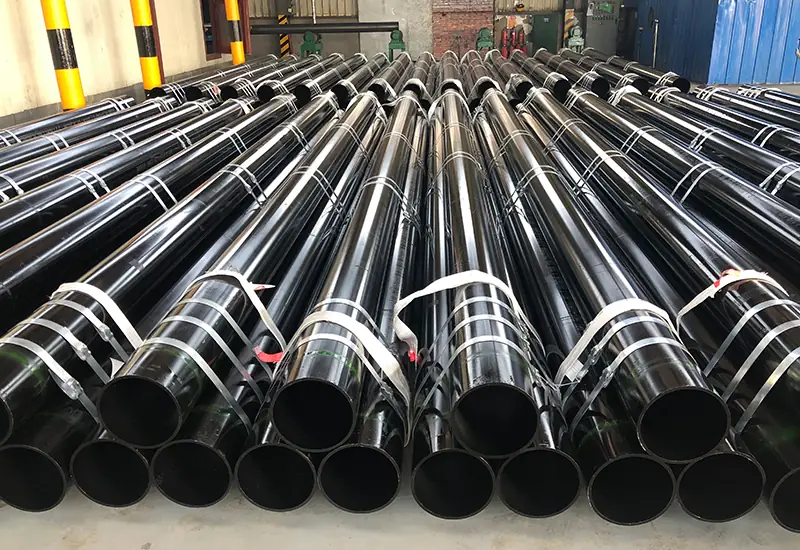
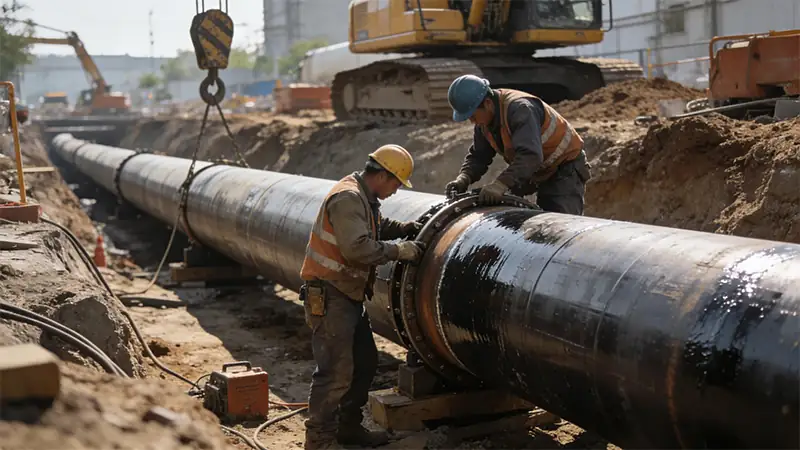
Carbon steel (Q235B/ASTM A36, Q345B/ASTM A572) is the mainstream choice for long-distance water conveyance trunk lines. This material has excellent cost-effectiveness and high strength, and it is very important to bear the high pressure and external loads encountered in long-distance water transportation process. When used with appropriate linings, carbon steel pipes can effectively resist corrosion, further prolonging their service life. This makes them an ideal choice for large-scale municipal water supply projects where cost control and reliability are as important as each other. The firmness of carbon steel ensures that the Drinking water pipeline can maintain its structural integrity even in harsh underground environment, such as areas with complex soil conditions or frequent ground movements.
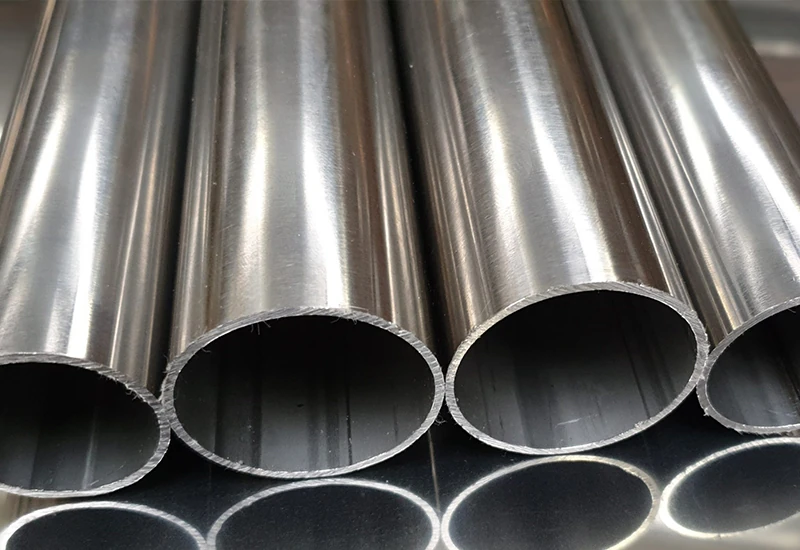
Stainless Steel (304/316L), on the other hand, is a high-end material option for drinking water pipelines, complying with the EN 10312 standard. It is usually used in internal pipelines of water treatment plants or in the environment with high corrosion risks. One of the main advantages of stainless steel is its excellent corrosion resistance, which makes it unnecessary to take additional corrosion prevention measures in many cases. In addition, the surface of stainless steel tube can be electropolished to produce an ultra-smooth and hygienic surface. This treatment can not only prevents the adhesion of impurities and bacteria, but also facilitate cleaning, making stainless steel pipes especially suitable for applications that require the highest level of water hygiene, such as drinking water treatment processes or areas with corrosive water sources.
Importance of standards: AWWA C200 and NSF 61
For Drinking water pipeline, adherence to strict industry standards is non-negotiable, as it directly relates to the safety of the water supply and the reliability of the pipeline system. Standards are the cornerstone of product quality, ensuring that drinking water pipelines meet the necessary performance and hygiene requirements. Two most important standards in this field are AWWA C200 (American standard) and EN 10312 (European standard), as well as the important NSF/ANSI 61 hygiene certification.
AWWA C200, developed by the American Water Works Association, is a comprehensive standard that specifies the requirements for the manufacture, testing, manufacture and testing of steel pipes for water supply. The standard covers all aspects, including the chemical composition and mechanical properties of the steel, the size and tolerances of pipelines, and the test methods to ensure quality. Conforming to AWWA C200 standard ensures that the drinking water pipelines can withstand the working pressures and environmental conditions commonly encountered in urban water supply systems.
EN 10312, the European standard for stainless steel pipes for water supply, sets out similar rigorous requirements for the material and manufacturing of stainless steel drinking water pipeline products. This standard ensures that stainless steel pipes meet the high-quality standards required for use in European water supply systems, emphasizing corrosion resistance and hygiene. By complying with both AWWA C200 and EN 10312, our products can cater to the needs of global markets, providing customers with the assurance of consistent quality regardless of their location.
The NSF/ANSI 61 certification is a critical hygiene certification for drinking water pipelines. This certification program evaluates the safety of materials that come into contact with drinking water, including the steel and linings used in our pipelines. In order to obtain this certification, all contact materials must undergo strict toxicological tests to ensure that they will not leach harmful substances (such as lead) into the drinking water. This “lead-free and non-toxic” guarantee is very important for protecting public health, because it ensures that the water remains pure and safe during the whole process from leaving the treatment plant to the end user. For municipal authorities and water companies, the choice of drinking water pipeline products certified by NSF/ANSI 61 proves their commitment to providing safe drinking water to the communities they serve.
Inner Linings: CML and Epoxy
Lining plays an important role in protecting drinking water pipelines from corrosion and ensuring water supply hygiene. We provide two types of liners for our drinking water pipeline products: cement mortar liner (CML) and NSF Epoxy Resin, providing customers with flexible choices to meet their specific requirements.
Cement Mortar Lining (CML) is a cost-effective and reliable lining option, with a minimum thickness of 6mm to 13mm. The corrosion protection principle of CML is based on alkaline passivation: the cement mortar reacts with the surrounding environment to form an alkaline film on the inner surface of the pipe, which prevents the steel from corroding. In addition, CML has self-healing feature-if there are tiny cracks in the lining, the cement can react with water to form new compounds, seal the cracks and maintain the integrity of the corrosion protection. This makes CML an ideal choice for most municipal water supply networks, in which cost-effectiveness and long-term reliability are the main considerations. The use of CML in Drinking water pipeline products can ensure that the pipeline will not be corroded even in harsh working conditions, thus prolonging the service life of the pipeline and reducing maintenance costs.
The minimum thickness of NSF Epoxy Resin lining is 250 μm, which is a high performance choice designed for projects with higher standards. One of the main advantages of Epoxy Resin lining is its ultra-smooth surface, which significantly improves hydraulic efficiency. A smooth inner surface reduces friction in the process of water transmission, makes the water flow more freely and reducing the energy required for pumping. This not only reduces the operating costs of water supply companies, but also helps reduce carbon emissions. In addition, Epoxy Resin has high resistance to the growth of biofilm, which is a common source of water pollution. The non-porous nature of the Epoxy Resin lining can prevent bacteria from adhering to the surface of pipeline and ensure that the drinking water is clean and safe. This makes NSF Epoxy Resin lining especially suitable for high-standard projects, such as water treatment plants, hospitals and other facilities that require the highest level of water sanitation and hydraulic efficiency.
Structural design and service life
The structural design and service life of drinking water pipelines are the key factors to determine the overall performance and cost-effectiveness of the water supply system. Our drinking water pipeline products are designed with emphasis on durability and long-term reliability, ensuring that they can continuously provide service for decades.
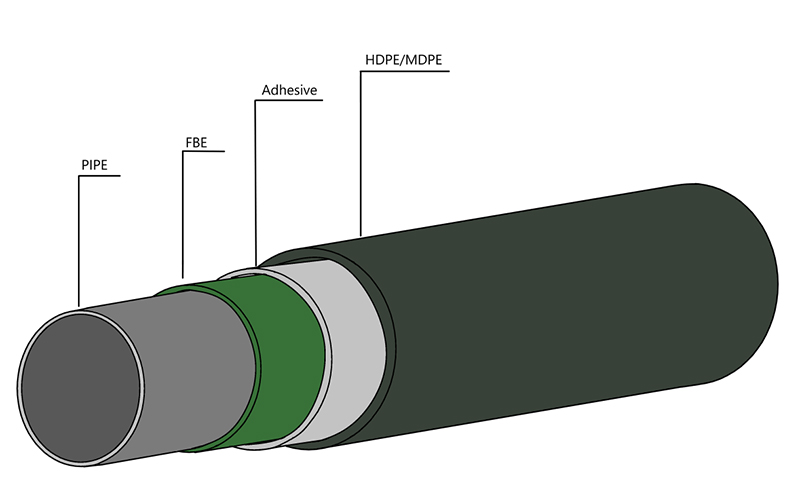
One of the key features of our drinking water pipeline products is their ultra-long service life. By combining external anti-corrosion treatments (such as 3PE or FBE) with internal linings (CML or Epoxy Resin), our steel pipes have a designed service life of more than 50 years. The external anti-corrosion coating protects the pipeline from soil, moisture and other environmental factors, while the internal lining prevents corrosion of water itself. This dual protection system ensures that the pipeline keeps its structure intact and function normal for decades, reducing the need for frequent replacement and maintenance, and ultimately reduces the total cost of ownership of customers.
Another important aspect of our structural design is the ability to produce custom-length steel pipes up to 18 meters. Long-length pipes offer several significant advantages in pipeline construction: fewer joints mean faster construction efficiency, as less time is spent on connecting individual pipe sections. In addition, fewer joints reduce the number of potential leakage points in the pipeline system. The leakage of drinking water pipelines not only leads to the loss of valuable water resources, but also leads to contamination if the surrounding soil or groundwater seeps into the pipeline. By minimizing the number of joints, our long-length pipes help to ensure the integrity of the water supply system, reducing the risk of leaks and contamination.
Conclusion
Drinking water pipeline is the lifeline of urban infrastructure and is responsible for providing clean and safe water to every family and enterprise. The importance of selecting high quality and reliable drinking water pipeline products can not be overemphasized, because it is directly relates to public health and the sustainable operation of municipal water supply systems. By selecting steel pipes that meet AWWA C200 and NSF 61 standards, municipal authorities and water companies have made responsible choice, giving priority to the safety and well-being of the communities they serve.
Our drinking water piping solutions provide unparalleled flexibility to meet the different needs of different projects. Whether you need an economical solution for large municipal water mains (such as carbon steel pipes with CML lining), or a high-end solution for water treatment plants or corrosive environments (such as Epoxy-lined 316L stainless steel pipes), we can provide customized products according to your specific requirements. Our wide range of products, with outer diameters of 100 to 2000mm, ensures that we can meet the needs of any project, from small-scale water treatment facilities to large-scale urban water supply networks.When choosing a supplier for drinking water pipelines, we advise buyers not to look at the price only. It is crucial to evaluate whether the manufacturer has the full-size production capacity from DN 100 to DN 2000 and a comprehensive NSF certification system. A manufacturer with full-size production capacity can ensure consistent quality and timely delivery, regardless of the size requirements of the project. At the same time, the comprehensive NSF certification system ensures that all materials used in drinking water pipelines meet the highest hygiene standards, thus ensuring the safety of the drinking water. By choosing a reliable supplier with appropriate capabilities and certifications, you can ensure the long-term success of water supply project and provide clean and safe water to your community in the coming decades.

ASTM A53 vs. API 5L: A Guide to Selection and Application
In the field of industrial piping, ASTM A53 and API 5L are two key standards that are widely used, but have very different positions. ASTM...

Introduction:Technology differences determine success or failure, and selection needs to be “precise”
In oil and gas transmission, municipal infrastructure and other major projects, the reasonable choice of steel pipe welding process directly affects the project...
Steel Density Analysis: Core Differences between Mild and Medium Carbon Steels and Industrial Applications
The density of steel is one of the key parameters that determine its physical properties and industrial applications. Theoretical state of steel density...
3LPE coated steel pipe: a solid barrier in the field of industrial corrosion protection
In the harsh environment of oil and gas, chemical industry, urban pipe network, etc., the long-term reliability and corrosion resistance of pipeline system...
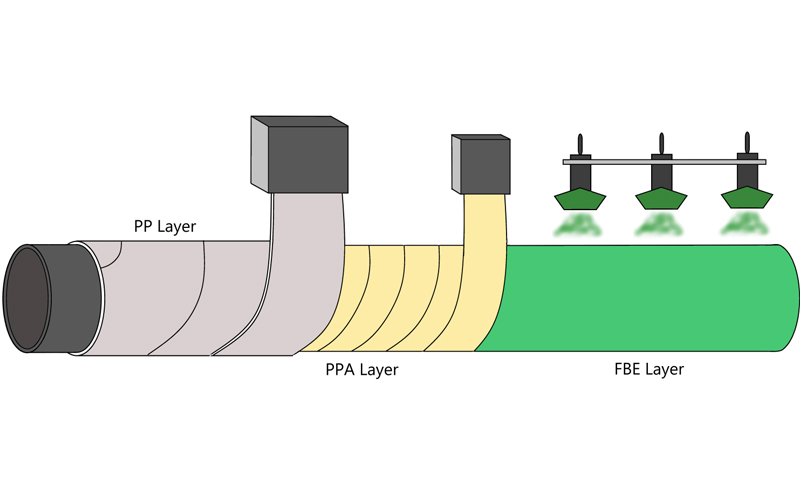
3LPP coated pipe: anti-corrosion guard in high temperature and high pressure environment
In some challenging special environments such as deep-sea oil and gas exploration and high-temperature crude oil transportation, traditional anti-corrosion coatings face significant challenges,...
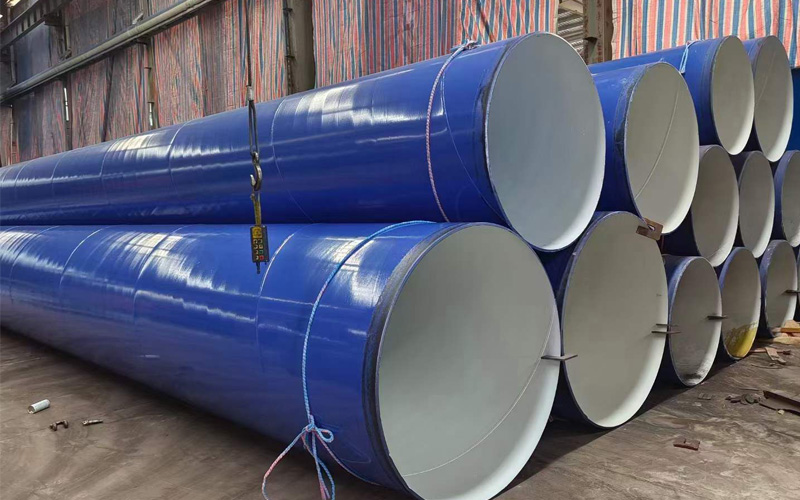
FBE steel pipe: the technological armor of the steel defense line
I In the icy waters beneath the Norwegian Sea pipeline, a section of FBE Lined Carbon Steel Pipe has been in service for 25...