








In an era of global economies supporting net zero emissions, the steel industry, the cornerstone of infrastructure and a historic carbon emitter, is leading a green revolution. For manufacturers, suppliers and purchasing professionals, this change is not only the responsibility of enterprises; This is a kind of business need. International buyers, especially European buyers, no longer just give priority to price. A product’s Carbon Footprint is now critical, with regulations like the European CBAM (Carbon Border Adjustment Mechanism) imposing financial consequences on carbon-intensive supply chains. With the increasing demand for sustainable infrastructure, pipeline manufacturing industry has unique adaptability, and welded pipe technology, especially SSAW steel pipe and LSAW steel pipe, is becoming a low-carbon promoter. This paper discusses green steel and its influence on pipeline procurement, and why choosing the correct welded pipe solutions is very important for a sustainable development.
What is green steel?
Green steel reshapes steel production in order to minimize or eliminate carbon emissions. Traditional steelmaking relies on blast furnaces using coal/coke as fuel and reducing agents, which releases a large amount of carbon monoxide. In contrast, green steel uses innovative tech and clean energy: hydrogen as a reducing agent (replacing coal) or Electric Arc Furnaces (EAF) powered by renewables.
Green steel based on hydrogen uses green hydrogen-generated by electrolysis of renewable energy-to extract oxygen from iron ore, achieving near zero emissions. Electric arc furnace technology melts scrap steel or direct reduced iron (DRI), and the emissions are related to energy. EAF has an ultra-low carbon footprint when driven by wind, solar or water.
One of the key advantages of green steel is steel recycling. Steel is the material with the highest recycling rate in the world (more than 85% in many areas. Recycling can save 74% of the energy needed for raw steel production and reduce pollution and waste. For pipeline manufacturers, welded pipeline made from recycled steel has low environmental impact and conforms to the principle of circular economy.
Welded Pipes: A more sustainable choice?
When assessing pipeline sustainability, manufacturing processes matter—and welded pipe outperforms seamless pipes eco-friendly. Seamless pipes needs to heat the solid billets to more than 1,200 degrees Celsius and punch it, which is a high energy consumption process. Due to inaccurate punching, it will produce a lot of emissions and waste of materials.
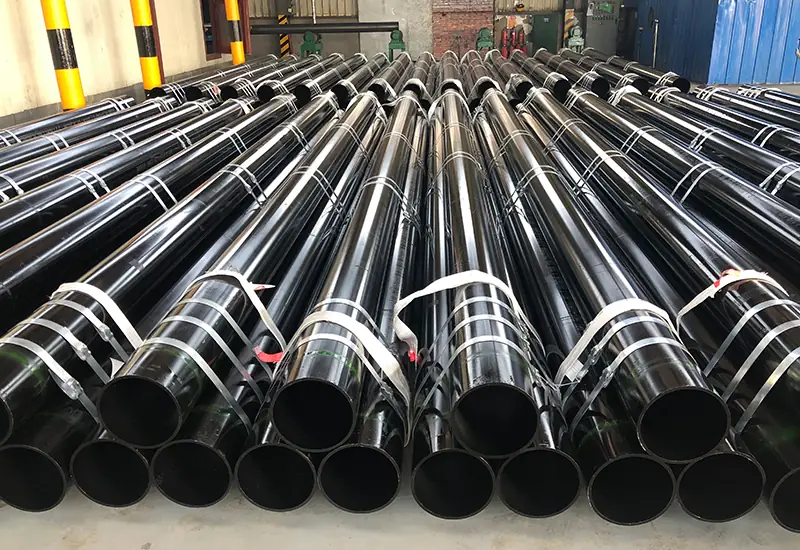
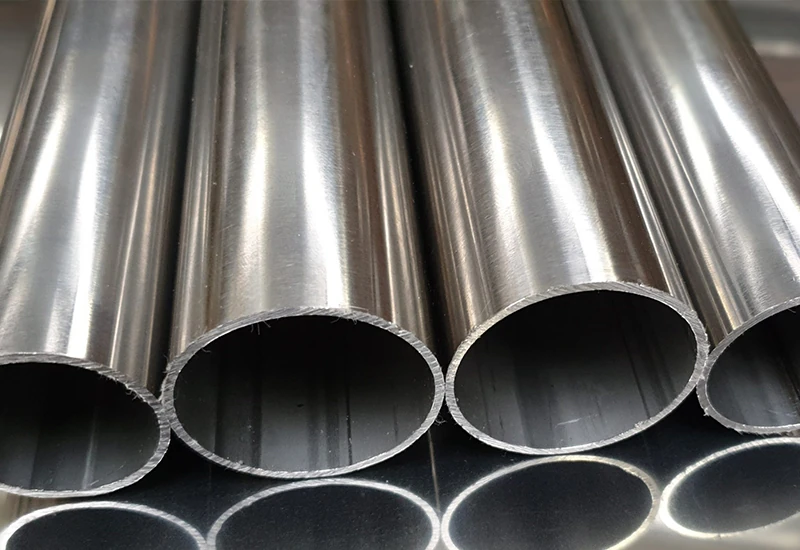
In contrast, LSAW steel pipe (longitudinal submerged arc welded pipe) and SSAW steel pipe (spiral submerged arc welded pipe) are formed by cold/semi-cold forming from steel plate/steel plate coil. LSAW steel pipe bends the plate into a cylindrical shape and welds it longitudinally; Spiral winding coils and weld of SSAW steel pipe. Both avoid energy-intensive heating/piercing, using far less energy than seamless production.
Welded tubes also provide superior material efficiency. Forming processes of LSAW steel pipe and SSAW steel pipe can accurately control the wall thickness, and only necessary steel is used. This reduces waste: seamless pipes involve complex hot-rolling processes with lower material yield (15-20% loss), while welded pipe waste 5% or less.
For low-carbon infrastructure, the choice of high-quality welded pipe is a real progress. LSAW steel pipe or SSAW steel pipe reduces the energy consumption in production and makes full use of recyclability. At end-of-life, they’re easily recycled, minimizing environmental impact.
Traditional steelmaking and green steelmaking: a comparative review
The following table emphasizes the main differences between traditional steel production and sustainable steel production.
| Features | Traditional Steelmaking (Blast Furnace – Basic Oxygen Furnace) Green | Steelmaking (EAF/Renewable Hydrogen) |
| Energy Source | Coal, coke, fossil fuels | Renewable electricity (wind, solar, hydro) or green hydrogen |
| Carbon Emissions | High (1.8-2.2 tons CO₂/ton steel) | Near-zero (0.1-0.3 tons CO₂/ton for EAF; <0.1 tons for hydrogen-based) |
| Raw Materials | Iron ore, coal, limestone | Scrap steel, direct reduced iron (DRI), green hydrogen |
| Material Efficiency | Moderate (blast furnace limitations) | High (recycles steel; precise EAF material use) |
| Cost | Lower upfront capital; higher long-term energy costs | Higher upfront capital (EAF/hydrogen infrastructure); lower long-term renewable energy costs |
| Regulation Compliance | Risk of CBAM/Net Zero non-compliance | Aligns with CBAM, EU Green Deal, global Net Zero |
| Waste Generation | Significant air, water, solid waste | Minimal waste; reduced pollution and water use |
This comparison shows green steel’s strategic value, with efficient manufacturing being a key differentiator. Due to the carbon tax imposed by CBAM, green steel suppliers with efficient production lines have gained a global competitive advantages. For welded pipe manufacturers, adopting green steel and efficient manufacturing can ensure the compliance of laws and regulations and meet the needs of sustainable infrastructure.
Steel Pipes Powering the Green Energy Transition
Renewable energy and low-carbon technology promote the demand for high-quality steel pipes, and welded pipe solutions are crucial in two key areas: wind energy and hydrogen transportation.
Wind energy: offshore wind farms and pipe piles
Offshore wind energy is a fast-growing renewable energy sector, with major investments from Britain, German and China. These projects are based on SSAW and LSAW steel pipes. Wind turbines require strong, corrosion-resistant pipe piles to anchor on the seabed. The spiral weld seam and large diameter (up to 3 meters) of SSAW steel pipe are suitable for harsh marine environment. LSAW steel pipe is used for inter-array cables and submarine pipelines. Using green steel-made welded pipe reduces wind farm carbon footprints, aligning with renewable goals.
Hydrogen transportation: the next frontier field
Green hydrogen is key to net zero, but it needs a special pipelines to transport it. Small molecules of hydrogen require high-integrity welds and corrosion-resistant coatings-areas where LSAW steel pipes and SSAW steel pipes are good at. Their precise welding and advanced coatings (FBE, 3 LPE) make them ideal choice for hydrogen transmission. As the expansion of hydrogen economy, sustainable welded pipe manufacturers will lead the market and provide reliable low-carbon solutions.
How to Source Sustainably?
For procurement professionals seeking sustainable pipelines, these factors should be considered to avoid greenwashing and ensure consistency with the objectives.
Put ISO 14001 Certification first
ISO 14001 certifies environmental management systems (EMS), requiring organizations to reduce environmental impact. Suppliers like Allland Pipes with ISO 14001 certification provide independent verification of sustainable practices, a key credential when sourcing welded pipe.
Demand Material Traceability
Traceability ensures steel in LSAW Steel Pipe or SSAW Steel Pipe comes from sustainable sources. Reputable suppliers like Allland Pipes provide documentation tracing steel origin (recycled/green steel), verifying carbon footprint and CBAM compliance.
Evaluation of production efficiency
Sustainability extends to productivity. Choose suppliers investing in energy-efficient tech (automated lines, waste-reduction systems). All intelligent facilities of Allland Pipes, together with advanced LSAW steel pipe JCOE lines, minimize energy use and waste and reduce the carbon footprint of pipeline project.
Consider Long-Term Durability
Sustainable pipes are durable, reducing the needs to replace them. High-quality welded pipe from Allland Pipes is designed for long service lives, withstanding harsh conditions and minimizing maintenance—lowering lifecycle emissions and costs.
Conclusions and call to action
Green steel is the future of the steel and pipeline manufacturing industries, and efficient manufacturing is the pillar to turn the sustainable development goals into practical results. With the goal of net zero and CBAM reshaping trade, the sustainable development combined with efficient production is not negotiable. Welded pipe technology-LSAW steel pipe and SSAW steel pipe-leads this transformation, providing lower energy consumption, higher efficiency and green energy compatibility, all of which have been enhanced through simplified manufacturing practices. As a major manufacturer of LSAW steel pipes and SSAW steel pipes in China, Allland Pipes embraces sustainability. We use high-recycled-content steel, operate ISO 14001-certified energy-efficient lines, and design welded pipe for green energy projects. With a focus on efficiency, transparency, and responsibility, we’ll help build a sustainable future—one pipeline at a time.

ASTM A53 vs. API 5L: A Guide to Selection and Application
In the field of industrial piping, ASTM A53 and API 5L are two key standards that are widely used, but have very different positions. ASTM...

Introduction:Technology differences determine success or failure, and selection needs to be “precise”
In oil and gas transmission, municipal infrastructure and other major projects, the reasonable choice of steel pipe welding process directly affects the project...
Steel Density Analysis: Core Differences between Mild and Medium Carbon Steels and Industrial Applications
The density of steel is one of the key parameters that determine its physical properties and industrial applications. Theoretical state of steel density...
3LPE coated steel pipe: a solid barrier in the field of industrial corrosion protection
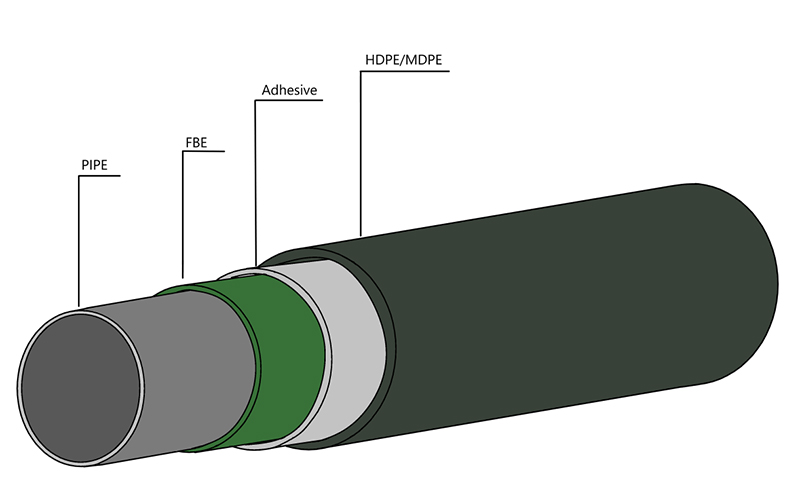
In the harsh environment of oil and gas, chemical industry, urban pipe network, etc., the long-term reliability and corrosion resistance of pipeline system...
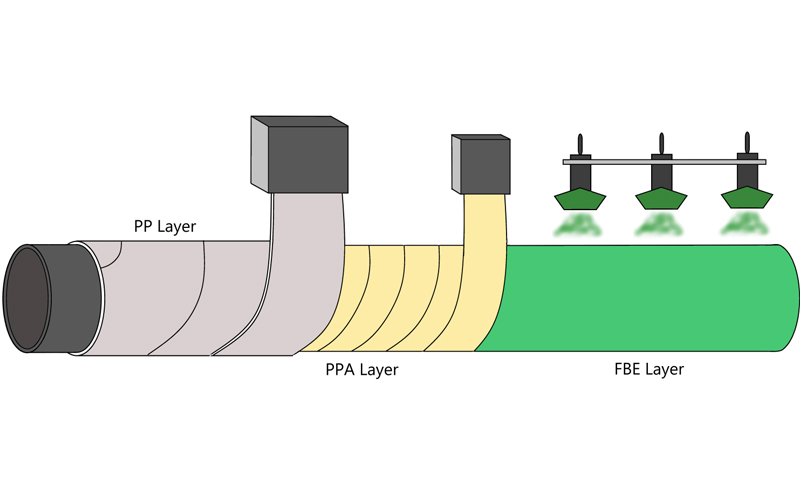
3LPP coated pipe: anti-corrosion guard in high temperature and high pressure environment
In some challenging special environments such as deep-sea oil and gas exploration and high-temperature crude oil transportation, traditional anti-corrosion coatings face significant challenges,...
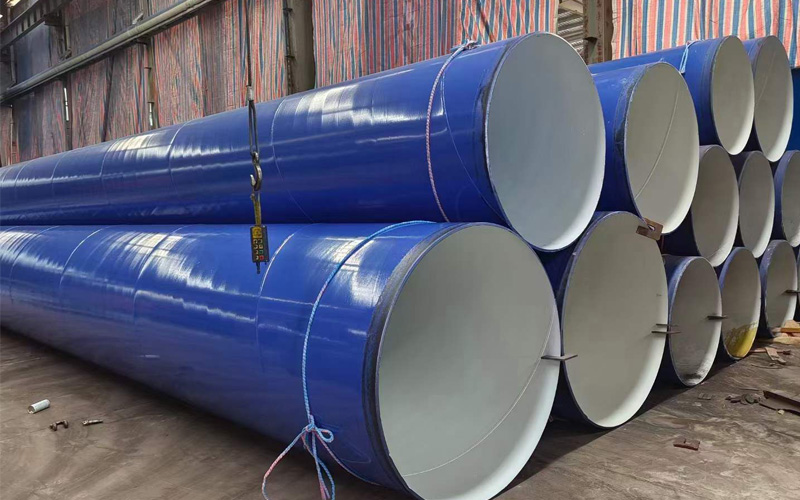
FBE steel pipe: the technological armor of the steel defense line
I In the icy waters beneath the Norwegian Sea pipeline, a section of FBE Lined Carbon Steel Pipe has been in service for 25...