




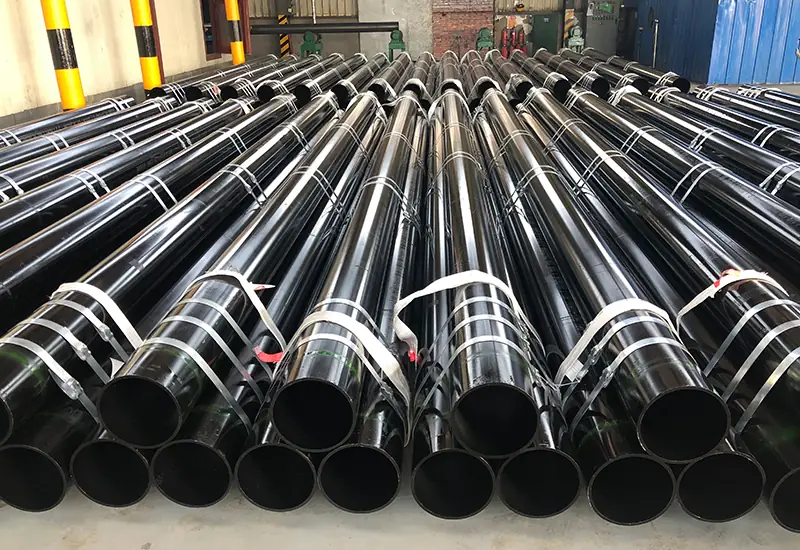
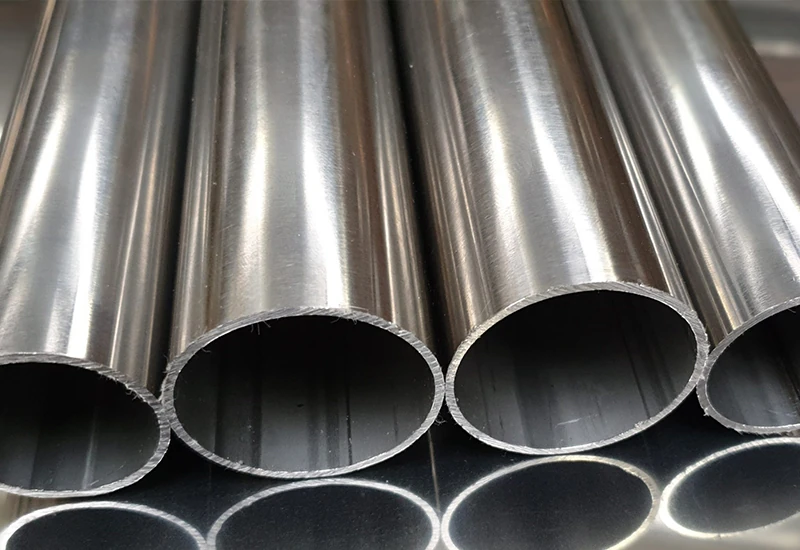

In steel pipe manufacturing, Electric Resistance Welding (ERW) and Electric Fusion Welding (EFW) are two widely used techniques for producing welded steel pipes. Although both fall under the category of welded steel pipes, they differ significantly in terms of welding principles, mechanical properties, diameter ranges, and industrial applications.
For EPC contractors, oil and gas engineers, and steel procurement teams, understanding the differences between ERW and EFW pipes is crucial for selecting the appropriate piping for structural or pressure pipeline projects.
What is ERW Pipe? (Electric Resistance Welded Pipe)
ERW (Electric Resistance Welded) pipe is produced by forming a steel coil into a cylindrical shape and welding the seam using high-frequency resistance heating and pressure forging, without the addition of filler metal.
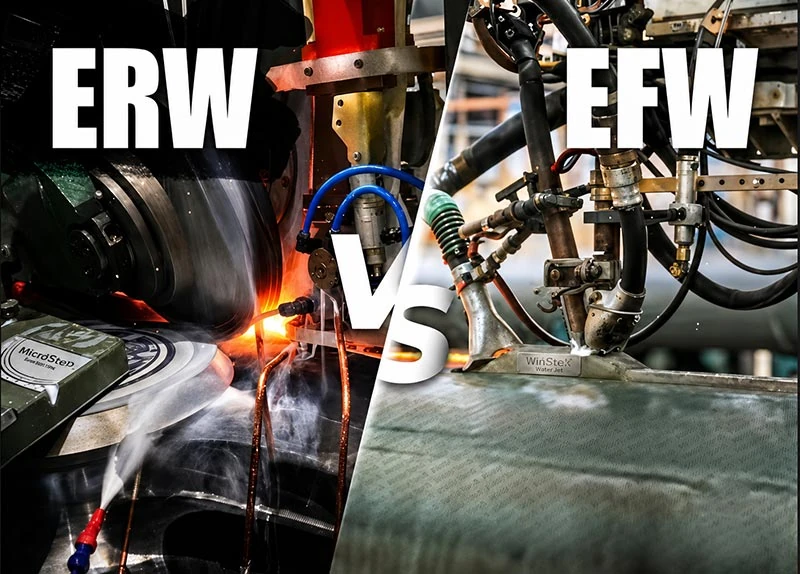
ERW Pipe Manufacturing Process
Сайт Труба ERW production process includes:
- Steel coil selection (API 5L / ASTM / EN grades)
- Slitting into strip
- Cold forming into round pipe
- High-frequency current heating at seam edges
- Pressure roll welding (solid-state forging)
- Cooling and sizing
- Hydrostatic and NDT testing
Key feature: No melting of base metal — solid-state welding
What is EFW Pipe? (Electric Fusion Welded Pipe)
EFW pipe (Electric Fusion Welded pipe) is manufactured by melting the base metal—typically using filler metal—via electric arc welding or submerged arc welding (SAW) to form a fully fused weld seam.
Types of EFW Pipe
·LSAW Steel Pipe (Longitudinal Submerged Arc)
·SSAW Steel Pipe (Spiral Submerged Arc)
EFW Pipe Manufacturing Process
Typical steps include:
- Steel plate selection
- Plate forming into pipe shape (JCOE or spiral forming)
- Edge alignment
- Submerged arc welding (internal + external weld)
- Full fusion of weld seam
- Heat treatment (if required)
- Hydrostatic testing and NDT inspection
Key feature: Full melting + fusion welding with deeper weld penetration
Size Range (OD & Wall Thickness) for ERW and EFW Pipes
When selecting steel pipes for a project, one of the most significant differences between ERW and EFW (LSAW/SSAW) pipes lies in their size range—specifically, their outside diameter (OD) and wall thickness (WT).
ERW Pipe Size Range
ERW steel pipes are typically used for **small- to medium-diameter** piping systems.
✔ Outer Diameter (OD) Range
- 21.3 mm – 660 mm
- NPS: 1/2″ – 26″
✔ Wall Thickness (WT) Range
- 1.2 mm – 20 mm (approx.)
✔ Standard Length
- 5.8 m / 6 m / 11.8 m / 12 m (or custom)
EFW Pipe Size Range
EFW (typically referring to LSAW or SSAW) is used for large-diameter, thick-walled, high-pressure piping systems.
✔ Outer Diameter (OD) Range
Lsaw Steel Pipe (Longitudinal SAW)
- 406 mm – 1422 mm
- NPS: 16″ – 56″
Ssaw Steel Pipe (Spiral SAW)
- 219 mm – 3500 mm+
- NPS: 8″ – 140″+
✔ Wall Thickness (WT) Range
- 6 mm – 60 mm+ (depending on grade & design pressure)
✔ Standard Length
- 6 m / 12 m / 18 m (project-based custom cutting)
ERW vs EFW Pipe – Key Differences
| Характеристика | Труба ERW | EFW Pipe |
| Welding Type | Resistance welding | Fusion welding (SAW/arc) |
| Filler Metal | Not used | May be used |
| Heat Condition | Solid-state | Full melting |
| Диапазон диаметров | Ограниченный | Wide range (large diameter) |
| Толщина стенок | Средний | Thick wall capability |
| Стоимость | Нижний | Выше |
| Уровень силы | Средний | Высокий |
| Приложение | Construction, water | Oil & gas, EPC pipelines |
· ERW = efficiency + cost advantage
- Best for general engineering and structural use
- High dimensional accuracy
· EFW = strength + large-scale applications
- Better for high pressure, large diameter pipelines
- More suitable for EPC oil & gas projects
ERW vs EFW Pipe – Which One Should You Choose?
Suitable Applications for ERW Welded Pipe:
ERW is better suited for low-to-medium pressure and standard engineering applications:
• Low-to-medium pressure water or fluid pipelines
• Structural steel pipes for construction (e.g., EN 10219)
• Fire protection piping systems
• General mechanical structures and scaffolding
• Cost-sensitive, high-volume projects
Suitable Applications for EFW Welded Pipe:
EFW is better suited for high-specification, large-diameter, and high-pressure engineering projects:
• Long-distance oil and natural gas pipelines
• API 5L high-pressure piping systems
• Offshore engineering and harsh environments
• Large-diameter water transmission projects
• EPC turnkey projects (requiring high standards)
Industry Standards for ERW and EFW Pipes
Both ERW and EFW pipes are manufactured under international standards:
- API 5L (Line Pipe for Oil & Gas)
- ASTM A53 / A106 (Carbon Steel Pipe)
- EN 10219 (Cold-formed welded structural hollow sections)
- EN 10217 (Welded steel tubes for pressure purposes)
- ISO 3183 (Pipeline transportation systems)
Contact ALLLAND
To ensure a reliable supply of ERW, EFW (LSAW/SSAW), and welded steel pipes, ALLLAND provides integrated manufacturing and export solutions for global EPC and industrial projects.
Whether your project requires cost-effective ERW steel pipes or high-strength EFW piping systems, ALLLAND delivers engineering solutions tailored to project specifications.

ASTM A53 против API 5L: руководство по выбору и применению
В области промышленных трубопроводов ASTM A53 и API 5L - два ключевых стандарта, которые широко используются, но занимают совершенно разные позиции. ASTM...

Введение:Различия в технологиях определяют успех или неудачу, поэтому отбор должен быть “точным”.”
В нефте- и газотранспортной отрасли, коммунальной инфраструктуре и других крупных проектах разумный выбор процесса сварки стальных труб напрямую влияет на проект...
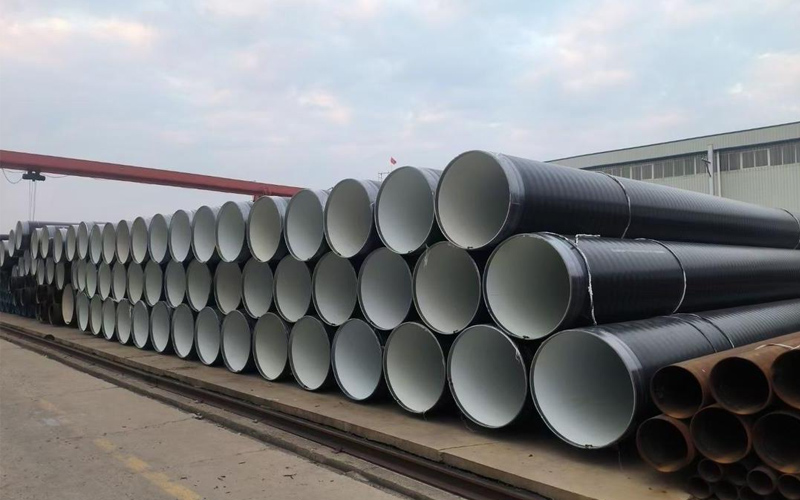
Анализ плотности стали: Основные различия между низкоуглеродистыми и среднеуглеродистыми сталями и их промышленное применение
Плотность стали - один из ключевых параметров, определяющих ее физические свойства и промышленное применение. Теоретическое состояние плотности стали...
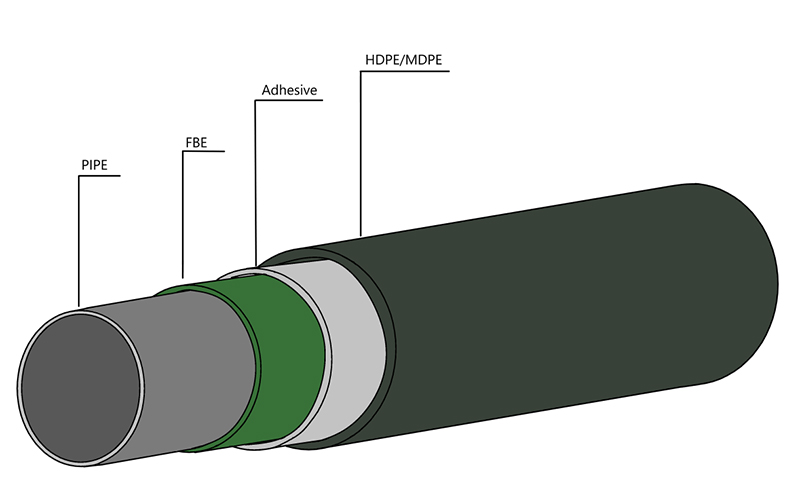
Стальная труба с покрытием 3LPE: надежный барьер в области защиты от промышленной коррозии
В суровых условиях нефтегазовой, химической промышленности, городских трубопроводных сетей и т.д. долговременная надежность и коррозионная стойкость трубопроводной системы...
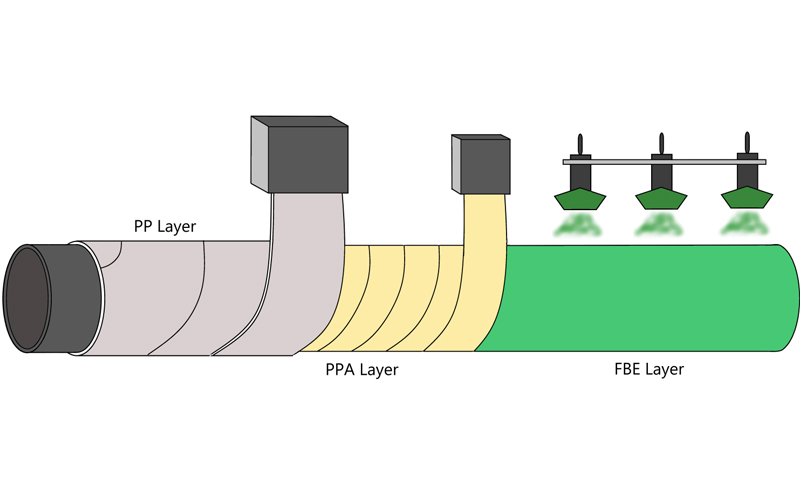
Труба с покрытием 3LPP: антикоррозийная защита в условиях высокой температуры и высокого давления
В некоторых сложных специальных условиях, таких как глубоководная разведка нефти и газа и транспортировка сырой нефти при высоких температурах, традиционные антикоррозионные покрытия сталкиваются со значительными трудностями,...
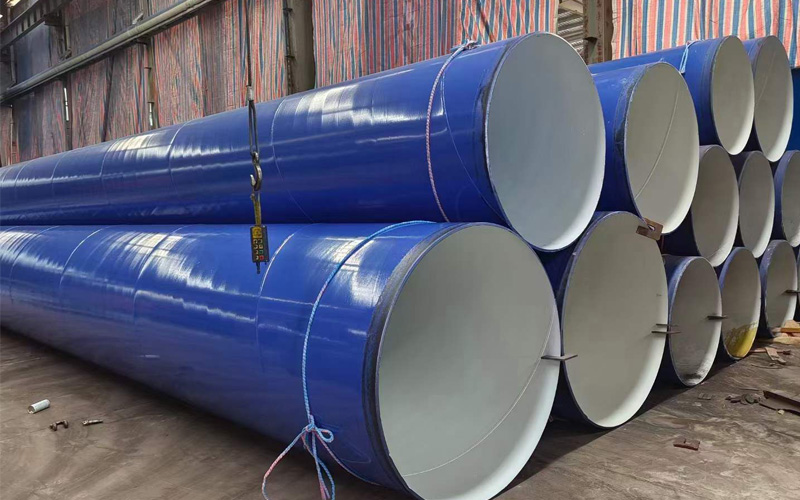
Стальная труба FBE: технологическая броня стальной линии обороны
I В ледяных водах под трубопроводом в Норвежском море участок трубы из углеродистой стали с футеровкой FBE прослужил 25...