







مقدمة
Choosing the right pipeline standard is critical to the success of oil and gas transmission projects. Steel pipelines need to meet strict requirements for strength, safety, and long-term performance. Among the many standards used in the industry, API 5L and آيزو 3183 are two of the most widely recognized specifications for line pipe manufacturing and pipeline applications.
According to the International Organization for Standardization (ISO), ISO 3183 specifies requirements for line pipe used in pipeline transportation systems for the petroleum and natural gas industries.
The American Petroleum Institute (API) also provides internationally recognized specifications for oil and gas industry products. API Specification 5L defines requirements for line pipes used in pipeline transportation of petroleum and natural gas.
Understanding API 5L and ISO 3183 helps you select suitable, compliant piping for projects involving onshore pipelines, offshore transport, and long-distance transmission.
What Are API 5L and ISO 3183 Standards?
What Is API 5L Steel Pipe Standard?
API 5L is a pipeline steel pipe specification developed by the American Petroleum Institute. It defines requirements for the manufacturing, chemical composition, mechanical properties, testing, and inspection of line pipes used for oil and gas transportation.
The standard defines two main product specification levels: PSL1 and PSL2.
PSL1 covers the basic requirements for line pipe production, while PSL2 has stricter controls on chemical composition, mechanical performance, impact testing, and inspection requirements.
For pipelines operating under high-pressure or harsh conditions, PSL2 is usually preferred because it provides stricter quality control and more reliable performance.
What Is ISO 3183 Steel Pipe Standard?
آيزو 3183 is an international standard developed by the International Organization for Standardization. It specifies requirements for steel pipes used in pipeline transportation systems within the petroleum and natural gas industries.
ISO 3183 is an internationally recognized standard widely used for pipeline projects worldwide.
Similar to API 5L, ISO 3183 includes PSL1 and PSL2 requirements. The appropriate level depends on project conditions, safety requirements, and customer specifications.
Key Differences Between API 5L and ISO 3183
على الرغم من أن API 5L و آيزو 3183 have similar purposes, there are differences in their development background, application requirements, and project adoption.
Standard Scope and Applications
Applications of API 5L
The primary purpose of API 5L is to define technical requirements for line pipes used in petroleum and natural gas transportation systems.
تشمل التطبيقات النموذجية ما يلي:
- High-pressure gas transmission pipelines
- Oil transportation systems
- Industrial energy pipelines
Because of its wide acceptance in the oil and gas industry, API 5L is frequently specified by pipeline owners and engineering contractors.
Applications of ISO 3183
آيزو 3183 focuses on international pipeline transportation systems. It is often selected for projects involving multiple countries, international bidding processes, or global engineering standards.
For example, an international pipeline project may require steel pipes manufactured according to ISO specifications to ensure consistent quality requirements among suppliers from different regions.
Material Grades and Mechanical Requirements
Material grade selection is an important factor when choosing pipeline steel pipes. Different grades provide different levels of strength and performance for various operating conditions.
شائع API 5L grades include:
| الصف | التطبيق النموذجي |
| الدرجة ب | General pipeline transportation |
| X42 | Medium-strength transmission pipelines |
| X52 | Common oil and gas transportation projects |
| X60/X65/X70 | High-strength pipeline applications |
Higher grades are usually selected for projects requiring greater pressure resistance and improved mechanical performance.
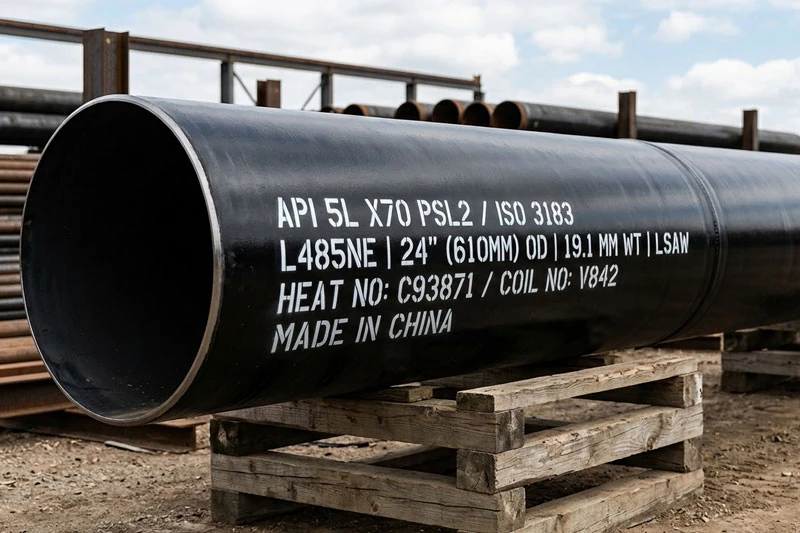
ISO 3183 uses the “L” designation followed by the minimum yield strength in MPa, while API 5L commonly uses Grade B or “X” grades based on yield strength expressed in ksi.
The grades in ISO 3183 correspond to those in API 5L.
| درجة الأيزو 3183 ISO 3183 | API 5L Equivalent |
| L245 | الدرجة ب |
| L290 | X42 |
| L360 | X52 |
| L415 | X60 |
| L450 | X65 |
| L485 | X70 |
| L555 | X80 |
The final selection should always follow project specifications and customer requirements rather than selecting a grade only based on strength.
How to Choose Between API 5L and ISO 3183 for Pipeline Projects?
Choosing between API 5L و آيزو 3183 depends on several project factors. Neither standard is universally better; the choice depends on project requirements. The correct choice should match technical requirements, regional regulations, and project conditions.
Consider Project Location and Client Requirements
The first step is to understand the project requirements.
Engineers should evaluate:
- Country regulations
- Pipeline owner specifications
- EPC contractor requirements
- International tender requirements
For domestic projects, customers may prefer standards commonly used in their region. For international projects, ISO-based specifications may be preferred to ensure consistent requirements across different regions.
Consider Pipeline Operating Conditions
Pipeline working conditions directly influence steel pipe selection.
Important factors include:
- Operating pressure
- درجة حرارة التشغيل
- Transportation medium
- Corrosion environment
- Installation conditions
For example:
A high-pressure natural gas transmission system may require higher-strength steel grades and stricter inspection requirements.
An offshore transportation project may require additional protection systems because pipes are exposed to marine environments.
Which Steel Pipes Are Suitable for API 5L and ISO 3183?
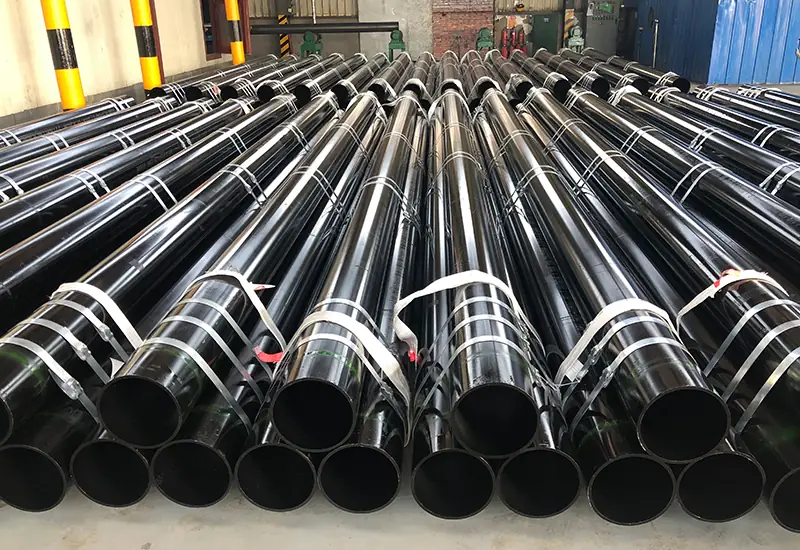
Pipeline standards define technical requirements, while manufacturing methods determine the mechanical performance, size range, and applications of steel pipes. For API 5L and ISO 3183 projects, commonly used pipe types include LSAW pipe and SSAW Pipe.
API 5L و آيزو 3183 are widely recognized pipeline standards covering requirements for steel pipes used in energy transportation systems. Steel pipes manufactured according to these standards are commonly selected for demanding pipeline projects, including offshore pipe systems and خط الأنابيب البري الشبكات.
The most commonly used steel pipes for API 5L and ISO 3183 applications include أنابيب LSAW و أنابيب SSAW, which are widely applied in large-scale oil and gas transportation projects.
Why Choose Allland as Your Pipeline Steel Pipe Supplier?
Selecting a reliable supplier is as important as selecting the correct pipeline standard.
Allland provides pipeline steel pipe solutions manufactured according to international standards, including API 5L and other recognized pipeline specifications.
Main product solutions include:
- أنابيب LSAW
- أنابيب SSAW
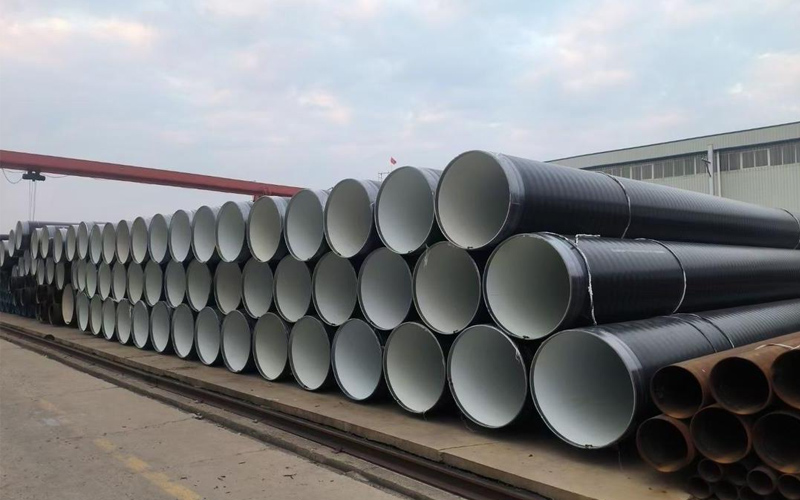
- Coated steel pipes
- Onshore and offshore pipeline solutions
Key advantages include:
International Standard Compliance
Allland focuses on manufacturing steel pipes according to customer specifications and internationally recognized standards. The company provides pipeline steel solutions that meet the technical requirements of different oil and gas transportation projects, including applications requiring API 5L specifications.
By following strict manufacturing procedures and quality control processes, Allland ensures that each steel pipe meets requirements related to dimensions, material performance, welding quality, and project-specific standards.
This commitment to international compliance helps customers select reliable pipeline products for onshore, offshore, and large-scale energy infrastructure projects.
Quality Inspection
Pipeline steel pipes require strict quality control, including:
- Dimensional inspection
- Material verification
- Mechanical testing
- Welding quality inspection
Customized Pipeline Solutions
Different projects have different requirements. Allland can provide customized solutions based on:
- Pipe diameter
- سُمك الجدار
- الطول
- Coating requirements
- Application environment
الأسئلة الشائعة
Q1: Is API 5L the same as ISO 3183?
لا يوجد. API 5L و آيزو 3183 are different standards developed by different organizations. However, both specify requirements for steel pipes used in petroleum and natural gas pipeline transportation systems.
Q2: Which is better, API 5L or ISO 3183?
Neither is inherently superior to the other; the appropriate standard should be selected based on project specifications and local regulations.
السؤال الثالث: What types of steel pipes are commonly used for API 5L applications?
Common pipe types include أنابيب LSAW, أنابيب SSAW, and ERW steel pipes. The choice of steel pipe should be based on the specific requirements of the project.
Q4: What is the difference between PSL1 and PSL2?
PSL2 has stricter requirements than PSL1, including:
- Chemical composition control
- الخواص الميكانيكية
- Impact testing
- Inspection requirements
Q5: Can API 5L steel pipes be used for offshore pipelines?
Yes. API 5L steel pipes can be used for offshore projects when they meet the required material grades, coating requirements, testing standards, and project specifications.
الخاتمة
Choosing between API 5L و آيزو 3183 is not simply about selecting a pipeline standard. It is about ensuring that the steel pipe solution matches project requirements, operating conditions, safety expectations, and long-term performance needs.
This article explains the relationship and key differences between API 5L و آيزو 3183, helping readers better understand how these standards define pipeline requirements, material grades, and quality control expectations. By understanding these standards, engineers and project owners can make more informed decisions when selecting compliant and suitable steel pipes.
Whether for an خط الأنابيب البري, offshore pipe system, or large-scale energy project, choosing reliable products such as أنابيب LSAW و أنابيب SSAW can help ensure safe and efficient pipeline operation. Ultimately, selecting pipes that meet required specifications is essential for ensuring pipeline safety, reliability, and long-term performance.

ASTM A53 مقابل API 5L: دليل للاختيار والتطبيق
في مجال الأنابيب الصناعية، ASTM A53 وAPI 5L هما معياران رئيسيان يستخدمان على نطاق واسع، ولكنهما مختلفان تمامًا في الوضعيات. ASTM...

مقدمة: تحدد الاختلافات التكنولوجية النجاح أو الفشل، ويجب أن يكون الاختيار “دقيقًا”
في مشاريع نقل النفط والغاز والبنية التحتية البلدية وغيرها من المشاريع الكبرى، يؤثر الاختيار المعقول لعملية لحام الأنابيب الفولاذية بشكل مباشر على المشروع...
تحليل كثافة الفولاذ: الاختلافات الأساسية بين الفولاذ الكربوني الطري والمتوسط والتطبيقات الصناعية
تُعد كثافة الفولاذ أحد العوامل الرئيسية التي تحدد خصائصه الفيزيائية وتطبيقاته الصناعية. الحالة النظرية لكثافة الفولاذ...
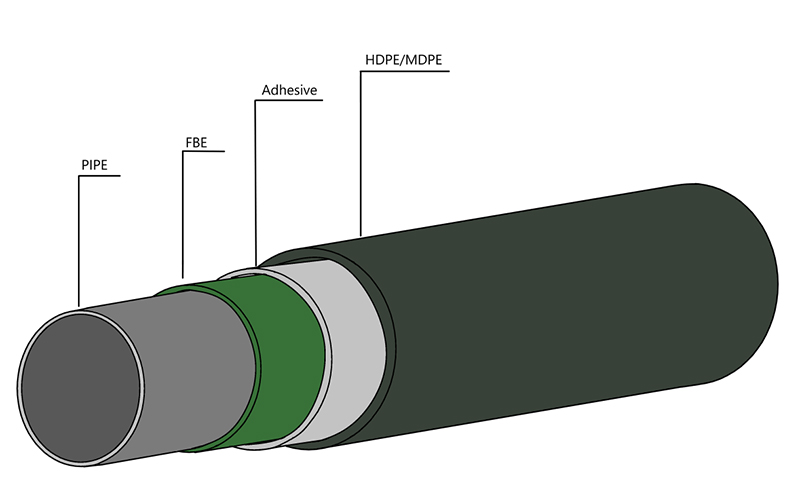
أنابيب الصلب المطلي ب 3LPE: حاجز صلب في مجال الحماية من التآكل الصناعي
في البيئة القاسية للنفط والغاز، والصناعات الكيميائية، وشبكة الأنابيب الحضرية، وما إلى ذلك، فإن موثوقية ومقاومة التآكل على المدى الطويل لنظام خطوط الأنابيب...
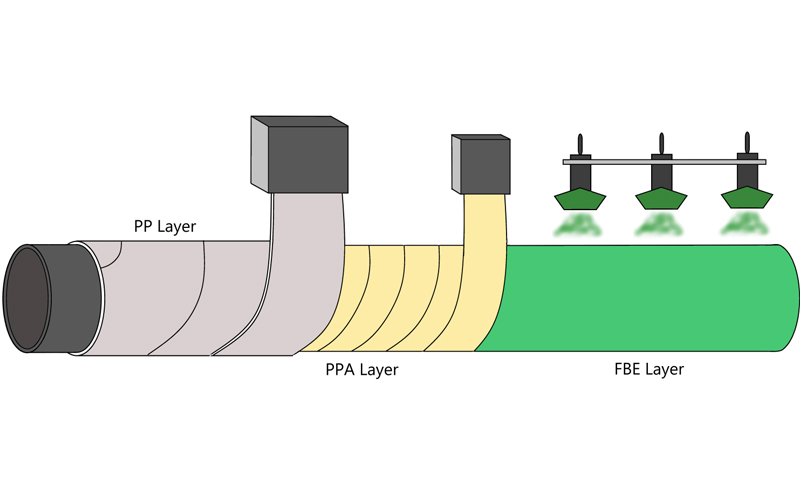
الأنابيب المطلية بـ 3LPP: واقي مضاد للتآكل في درجات الحرارة العالية وبيئة الضغط العالي
في بعض البيئات الخاصة الصعبة مثل التنقيب عن النفط والغاز في أعماق البحار ونقل النفط الخام في درجات حرارة عالية، تواجه الطلاءات التقليدية المضادة للتآكل تحديات كبيرة في بعض البيئات الخاصة الصعبة مثل التنقيب عن النفط والغاز في أعماق البحار ونقل النفط الخام في درجات حرارة عالية...
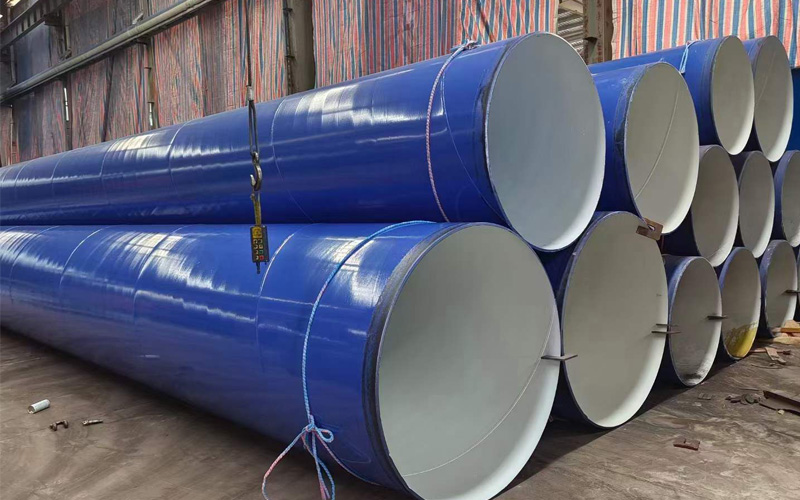
أنابيب الصلب FBE: الدرع التكنولوجي لخط الدفاع الصلب
I في المياه الجليدية تحت خط أنابيب بحر النرويج، يوجد قسم من أنابيب الصلب الكربوني المبطنة من الصلب الكربوني FBE في الخدمة منذ 25...