






مقدمة موجزة: الدور الأساسي للأنابيب الإنشائية في الهندسة الحديثة
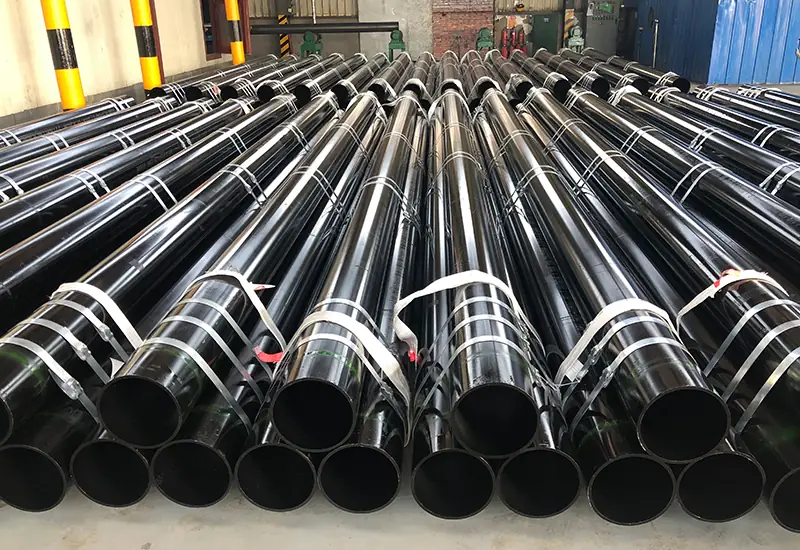
في مجال البناء وتطوير البنية التحتية على الصعيد العالمي،, الأنابيب الهيكلية—لا سيما المقاطع الهيكلية المجوفة (HSS) المشكلة على البارد—تشكل العمود الفقري للمباني والجسور والمنصات البحرية وشبكات المرافق. تُعرَّف هذه المقاطع المجوفة بأنها أنابيب من الفولاذ الكربوني ملحومة أو غير ملحومة، تتميز بنسبة قوة إلى وزن ممتازة، ومتانة ومرونة في التصميم، مما يجعلها مواد لا غنى عنها للدعم الهيكلي، وأعمدة المباني، وأساسات الجسور، والإطارات الحاملة للأحمال. ويشير مصطلح “HSS” في مجال الهندسة المعمارية إلى المقاطع المجوفة (الدائرية، والمربعة، والمستطيلة) المصممة خصيصًا للتطبيقات الهيكلية، والتي تختلف عن الأنابيب المخصصة للضغط أو الأنابيب الميكانيكية.
بصفتها شركة رائدة في تصنيع الأنابيب الفولاذية وموردًا عالميًا لها، تتخصص شركة «ألاند بايبس» في إنتاج الأنابيب الفولاذية الملحومة وأنابيب الفولاذ الكربوني عالية الجودة وفقًا للمعايير الدولية، وذلك لتلبية احتياجات المشاريع المختلفة في جميع القارات. في البيئة المعمارية العالمية الحالية، يتعين على فرق الهندسة ومتخصصي المشتريات الالتزام بمعيارين رئيسيين هما: معايير ASTM (الولايات المتحدة الأمريكية) ومعايير ISO/EN (أوروبا). ويعد فهم الاختلافات بين هذين المعيارين أمرًا بالغ الأهمية لضمان الامتثال للمعايير والسلامة والفعالية من حيث التكلفة ونجاح المشروع، لا سيما عند شراء المواد اللازمة للمشاريع العابرة للحدود أو الدولية.
نظرة عامة على Sالمعايير: تعريف ASTM A500 و EN 10219
ASTM A500 (المعيار الأمريكي)
ASTM A500 وهو المعيار الأمريكي الرئيسي، وهو مناسب للأنابيب الإنشائية المصنوعة من الفولاذ الكربوني، سواء كانت مستديرة أو مربعة أو مستطيلة الشكل، سواء كانت ملحومة أو غير ملحومة، والمشكلة على البارد. وقد تم تطوير هذا المعيار وصيانته من قبل منظمة ASTM الدولية، وهو المعيار الأكثر استخدامًا للأنابيب HSS في أمريكا الشمالية والمناطق التي تتبع الممارسات الهندسية الأمريكية. وتشمل التفاصيل الرئيسية ما يلي:
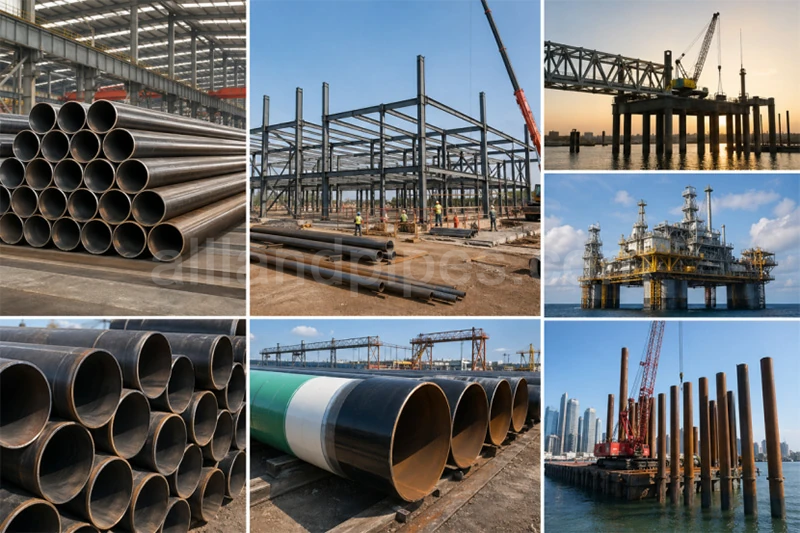
- نطاق الاستخدام: الأغراض الإنشائية العامة — هياكل المباني، والمستودعات، ولافتات الطرق السريعة، وأبراج الاتصالات، ومكونات الجسور التي تتحمل أحمالاً منخفضة إلى متوسطة.
- نوع المادة: الفولاذ A500 (الفولاذ الكربوني)، الذي يتألف من أربع درجات رئيسية (A وB وC وD)، تُحدد وفقًا للتركيب الكيميائي والخصائص الميكانيكية.
- المواصفات الرئيسية: يتم تحديد أبعاد الأنابيب المصنوعة من الفولاذ الكربوني، ومقاومة الخضوع للأنابيب الفولاذية، والمتطلبات الأساسية لتصنيع الفولاذ المشكل على البارد.
EN 10219 (المعيار الأوروبي)
EN 10219 هو معيار أوروبي موحد للمقاطع المجوفة الملحومة المشكلة على البارد المصنوعة من الفولاذ غير السبائكي والفولاذ ذي الحبيبات الدقيقة، وينقسم إلى جزأين: الجزء 1 (شروط التسليم الفنية) والجزء 2 (الأبعاد والتفاوتات المسموح بها وخصائص المقطع العرضي). وهو المعيار الإلزامي للمشاريع التي تتبع أطر التصميم وفقًا لـ «اليوروكود» في جميع أنحاء أوروبا والشرق الأوسط وأفريقيا. وتشمل التفاصيل الرئيسية ما يلي:
- نطاق التطبيق: التطبيقات الإنشائية التي تتطلب دقة عالية ومتانة — الهياكل البحرية، والمباني المقاومة للزلازل، والجسور التي تتحمل أحمالًا ثقيلة، والبنية التحتية الديناميكية.
- نوع المادة: درجات فولاذ HSS (S235، S275، S355)، مع تسميات دكتيلية (J2، K2، ML)؛ وتُعد درجة S355J2H هي الدرجة الأكثر شيوعًا في التطبيقات الحرجة.
- المواصفات الرئيسية: المتطلبات الصارمة لـ أنابيب الصلب الإنشائية يتم تحديد الأبعاد والتفاوتات المسموح بها ومقاومة الصدمات، كما يتم تقديم معادلات تفصيلية لحساب خصائص المقطع.
التباين الأساسي: التركيب الكيميائي aوالخصائص الفيزيائية
مقارنة بين درجات المواد والخصائص الميكانيكية
يكمن الاختلاف الرئيسي بين المعيارين في درجة جودة الأنابيب الفولاذية عالية القوة وخصائصها الميكانيكية، ولا سيما مقاومة الانحناء والصلابة. ويقارن الجدول 1 بين المستويات الحرجة والأداء.
| الميزة | ASTM A500 (الدرجات ب/ج) | EN 10219 (S235/S355J2H) |
| قوة الخضوع (MPa) | الدرجة ب: 317؛ الدرجة ج: 345 | S235: 235؛ S355J2H: 355 |
| قوة الشد (ميجا باسكال) | الدرجة ب: 400؛ الدرجة ج: 427 | S235: 360–510؛ S355J2H: 470–630 |
| صلابة التصادم | لا توجد متطلبات إلزامية | S355J2H: 27J عند -20 درجة مئوية (إلزامي) |
| الاستطالة (الحد الأدنى، %) | الدرجة ب: 23؛ الدرجة ج: 21 | S235: 25؛ S355J2H: 22 |
| محتوى الكربون (الحد الأقصى، %) | 0.26 (تحليل حراري) | 0.22 (S355J2H) |
مصادر البيانات: ASTM International (ASTM A500)، CEN (EN 10219)
- ASTM A500: الدرغتان B و C هما الأكثر شيوعًا، وتوفران مقاومة انثناء معتدلة للهياكل المعرضة للأحمال الثابتة. ونظرًا لعدم وجود اختبارات إلزامية لمقاومة الصدمات، فإن هذه الدرغات ليست مثالية للاستخدام في البيئات ذات درجات الحرارة المنخفضة أو البيئات الديناميكية.
- EN 10219: S355J2H (أ أنابيب فولاذية عالية القوة (الدرجة) توفر صلابة مضمونة في درجات الحرارة المنخفضة، مما يجعلها مناسبة للمشاريع الزلزالية والبحرية والمشاريع في المناخات الباردة. تبلغ كثافة الفولاذين القياسيين حوالي 7850 كجم/م³ (0.284 رطل/بوصة مكعبة)، وهو ما يتوافق مع أداء الفولاذ الكربوني.
تفاوت الأبعاد وسماكة الجدران
تؤثر دقة الأبعاد بشكل مباشر على التنسيق الهيكلي وتوزيع الأحمال وكفاءة التصنيع. ويستخدم هذان المعياران نظامين مختلفين: نظام ASTM وتصنيف EN المتري.
أهم الاختلافات:
1. تفاوت سماكة الجدار:
- ASTM A500: 10% بالسماكة الاسمية (قاعدة النسبة المئوية البسيطة).
- EN 10219: تفاوتات أكثر صرامة تعتمد على الحجم (على سبيل المثال، ≤ 5 مم: ±10%؛ >5 مم: ±0.5 مم).
2. القطر الخارجي (OD):
- ASTM A500: مرفق الجدول 40 sأنبوب فولاذي الحجم قياسي (على سبيل المثال، 2 “SCH 40: القطر الخارجي 60.3 مم، سماكة الجدار 3.91 مم).
- EN 10219: يصل القطر الخارجي للأنابيب الفولاذية إلى 2500 مم (دائرية)، أما المقطعات المربعة فتصل أبعادها إلى 500 × 500 مم.
3. نطاق المقاسات:
- ASTM A500: محيط ≤2235 مم، سماكة الجدار ≤25.4 مم.
- EN 10219: نطاق أوسع (القطر الخارجي الدائري يصل إلى 2500 مم، وسماكة الجدار تصل إلى 40 مم) للاستخدامات الشاقة.
يُعد جدول سماكة جدران الأنابيب وجدول مقاسات الأنابيب الفولاذية أدوات أساسية للمهندسين لاختيار المقطع المناسب، حيث توفر المواصفة القياسية EN 10219 حسابات أكثر دقة لخصائص المقاطع من أجل ضمان موثوقية التصميم.
عملية التصنيع
يركز هذان المعياران على الفولاذ المشكل على البارد، لكنهما يختلفان من حيث دقة العملية ومراقبة الجودة.
- ASTM A500: تكون في الغالب ملحومة بالتشكيل على البارد (ERW) أو غير ملحومة. لا توجد معالجة حرارية إلزامية أو اختبارات غير مدمرة (NDT)؛ وتركز الاختبارات الميكانيكية على مقاومة الشد والاستطالة.
- EN 10219: ملحومة بالتشكيل على البارد (ERW/LSAW) مع إمكانية إجراء عملية تلدين للتطبيع أو لتخفيف التوتر. اختبارات غير تدميرية (UT/RT) إلزامية لللحامات، واختبار الصدم لدرجات الصلابة.
تبدأ عملية تصنيع الأنابيب في كلتا الحالتين باستخدام الفولاذ المسطح، لكن الضوابط الأكثر صرامة التي تنص عليها المواصفة EN 10219 تضمن جودة أعلى للتطبيقات الحرجة. وبصفتها شركة متخصصة في تصنيع الأنابيب الملحومة، تتقن شركة Allland Pipes كلا العمليتين، حيث تنتج LSAW pإيب وأنابيب ERW المتوافقة مع كلا المعيارين.
تحليل سيناريوهات التطبيق: لماذا يتم اختيار معيار معين؟
منطقة “EN 10219”: إلزامية للمشاريع الأوروبية والدولية
تعتبر المواصفة EN 10219 إلزامية للمشاريع التي تتطلب شهادة CE (الاتحاد الأوروبي)، أو الامتثال لمعايير اليوروكود، أو التي تستهدف الأسواق الأوروبية أو الشرق أوسطية أو الأفريقية. وتشمل التطبيقات الرئيسية ما يلي:
- الهياكل البحرية: البحرية و خط الأنابيب البري الأنظمة، والمنصات البحرية، والأساسات البحرية (التوافق مع المعيار EN 10225).
- الجسور: أعمدة الجسور، وعوارض الجسور الفولاذية، ومكونات الجسور المقاومة للزلازل (تعد صلابة الفولاذ S355J2H عاملاً حاسماً).
- البنية التحتية: مباني المطارات، وصالات الألعاب الرياضية، والمباني الشاهقة في المناطق المعرضة للزلازل.
الجسر و Aأسس الهندسة المعمارية: تطبيقات الأساسات الخوازيقية
تُعد الأعمدة الأنبوبية والأعمدة الفولاذية المكونة من أنابيب المكونات الأساسية للجسور وناطحات السحاب والمباني المطلة على الواجهة البحرية. وتتميز الأنابيب الفولاذية ذات القطر الكبير من شركة ’ألاند بايبس» بأدائها المتميز في هذه الاستخدامات:
- ASTM A500: مناسب للمشاريع غير المعرضة للزلازل، ذات الأحمال المتوسطة والمنخفضة (مثل جسور الطرق السريعة، وأساسات المباني السكنية).
- EN 10219: يُفضل استخدامه في أنابيب الخوازيق في البيئات التي تتسم بأحمال عالية أو معرضة للزلازل أو للتآكل (مثل الجسور الساحلية ومنشآت الموانئ).
يعتمد اختيار الأعمدة الفولاذية على ظروف التربة ومتطلبات الحمل والمعايير الإقليمية — وتضمن التفاوتات المسموح بها الأكثر صرامة في المعيار EN 10219 دقة أفضل في دق الأعمدة وسلامة هيكلية أفضل.
هندسة مرافق إطفاء الحرائق وتوزيع المياه
بالإضافة إلى الاستخدامات الهيكلية، يدعم كلا المعيارين تطبيقات الخدمات العامة شريطة إجراء التخصيص المناسب.
- ASTM A500: أنابيب فولاذية لنظام رشاشات إطفاء الحرائق الدعامات وأنابيب المياه غير الصالحة للشرب (فعالة من حيث التكلفة بالنسبة للأحمال الثابتة).
- EN 10219: تطبيقات مواد أنابيب مياه الشرب، مع ضوابط أكثر صرامة على المواد المستخدمة في الأنظمة الحيوية من الناحية الأمنية.
JIS G3444: “القطب الثالث” في الأسواق الآسيوية
في حين تهيمن معايير ASTM و EN على المعايير العالمية،, JIS G3444 (المعيار الصناعي الياباني) هو المعيار الرئيسي لأنابيب الصلب الإنشائية في شرق وجنوب شرق آسيا، لا سيما في المشاريع الممولة من اليابان. التفاصيل الرئيسية:
- نطاق التطبيق: الأنابيب الهيكلية المصنوعة من الفولاذ الكربوني المشكلة على البارد (الدائرية والمربعة والمستطيلة)، المماثلة للمعيار ASTM A500.
- الدرجات: STK400 (قوة الخضوع: 235 ميجا باسكال) وSTK490 (قوة الخضوع: 325 ميجا باسكال)، متوافقة مع الدرجة B من S235 وA500.
- نطاق السوق: تحتل الشركة مكانة مهيمنة في اليابان وكوريا الجنوبية وفيتنام وإندونيسيا، وعادةً ما تُخصص منتجاتها لمشاريع البنية التحتية في آسيا.
بصفتها أحد الموردين الرئيسيين للأنابيب وأنابيب الصلب في الصين، تنتج شركة «ألاند بايبس» أيضًا أنابيب صناعية مطابقة لمعيار JIS G3444، وتدعم المشاريع التي تتطلب تطبيق معايير متعددة في جميع أنحاء آسيا.
القيمة المضافة: الطلاء المضاد للتآكل ومتانة الأنابيب الهيكلية
غالبًا ما تعمل الأنابيب الإنشائية في بيئات قاسية (تحت الأرض، ساحلية، صناعية)، مما يجعل طلاء مقاوم للتآكل للأنابيب الفولاذيةوهو أمر بالغ الأهمية لضمان العمر الافتراضي. ومن بين الطلاءات الشائعة المتوافقة مع هذين المعيارين ما يلي:.
- الأنابيب المطلية بطبقة 3LPE: طلاء من البولي إيثيلين ثلاثي الطبقات مخصص للأنابيب تحت الأرض (يتميز بمقاومة ممتازة للتآكل وعمر تشغيلي يزيد عن 50 عامًا).
- طلاء الأنابيب FBE: راتنج إيبوكسي مُربوط بالصهر، مناسب للبيئات ذات درجات الحرارة العالية أو المعرضة للمواد الكيميائية.
- الأنابيب الفولاذية المغطاة بالإيبوكسي: راتنجات الإيبوكسي الداخلية/الخارجية المستخدمة في أنظمة مياه الشرب ورشاشات الحريق.
- أنابيب 3PE المضادة للتآكل: طلاء إيبوكسي-بولي إيثيلين ثلاثي الطبقات فعال من حيث التكلفة للتطبيقات الإنشائية العامة.
لا تفرض المواصفة ASTM A500 ولا المواصفة EN 10219 الطلاء، ولكن حلول الأنابيب المقاومة للتآكل ضرورية للمشاريع البحرية أو تحت الأرض أو الساحلية. توفر شركة Allland Pipes خدمات طلاء مخصصة لجميع المعايير، مما يضمن متانة أنابيب الصلب الكربوني في الظروف القاسية.
ألاند للأنابيب: مزايا الإنتاج والإمداد العالمي
إمكانية المعالجات المتعددة
بصفتها شركة رائدة في مجال تصنيع الأنابيب الفولاذية الملحومة بالقوس الطولي المغمور وأنابيب الصلب الملحومة الحلزونية، توفر شركة Allland Pipes مجموعة كاملة من الأنابيب الهيكلية.
- أنبوب LSAW: اللحام بالقوس المغمور الطولي لـ الأنابيب ذات القطر الكبير (قطر خارجي 406-1420 مم وسُمك جدار من 6 إلى 40 مم) مطابق للمواصفات ASTM A500 وEN 10219 و API 5L المعايير.
- أنابيب SSAW (أنابيب اللحام الحلزوني): اللحام بالقوس الحلزوني المغمور الحلزوني لتطبيقات الخوازيق الثقيلة والتطبيقات البحرية.
- أنابيب المتفجرات من مخلفات الحرب: اللحام بالمقاومة الكهربائية للمقاطع الهيكلية ذات القطر الصغير إلى المتوسط.
مراقبة الجودة والتخصيص
تتوافق أنابيب ألاند مع الشهادات الدولية الصارمة: API 5L, ASTM A53 ب، ISO 9001 وISO 9001 وCE (EN 10219). خصائص الجودة الرئيسية:
- الامتثال للدرجات: API 5L X52، وASTM A500 الصفوف B/C، وEN 10219 S355J2H، وJIS G3444 STK490.
- أنابيب فولاذية مخصصة: تخصيص الحجم والطلاء والأطوال لتلبية متطلبات مشاريع محددة.
- الاختبارات الشاملة: يتم إجراء اختبارات الشد والصدمات والاختبارات غير المتلفة (UT/RT) واختبارات ضغط الماء على جميع المنتجات.
الأسئلة الشائعة
Q 1: هل يمكن تبديل ASTM A500 وEN 10219 S355J2H؟
ج: ليس تلقائيًا. وقوة خضوعها متشابهة (A500 الدرجة B: 317 ميجا باسكال؛ S355J2H: 355 ميجا باسكال). يتميز S355J2H بصلابة قسرية في درجات الحرارة المنخفضة، وهو ما يفتقر إليه A500. بالنسبة للتطبيقات غير الديناميكية وغير ذات درجات الحرارة المنخفضة، يتطلب الاستبدال موافقة المهندس.
س 2: ما هو المعيار الأفضل للمشاريع الخارجية؟
ج: الخيار الأول هو EN 10219 (S355J2H). صلابته المضمونة في الصدمات وتفاوتات التحمل الأكثر صرامة تفي بمعايير السلامة البحرية (على سبيل المثال، EN 10225)، ولم يتم تصميم ASTM A500 للبيئة البحرية الديناميكية.
س 3: هل ألاند للأنابيب مزودة بأنابيب مطابقة لمعايير ASTM و EN؟
ج: نعم. بصفتنا شركة عالمية مورد أنابيب الصلب, ، نحن ننتج أنابيب الصلب الكربوني وأنابيب الصلب الملحومة التي تلبي معايير ASTM A500 و EN 10219 و JIS G3444 و API 5L و ASTM A53 ونوفر طلاءات وأحجام مخصصة.
السؤال 4: ما هي المدة المعتادة لتسليم الطلبات الكبيرة؟
ج: يستغرق الأمر من 3 إلى 4 أسابيع للطلب القياسي (≤ 500 طن)؛ يستغرق الأمر من 4 إلى 6 أسابيع لتقديم طلبية لخطوط الأنابيب كبيرة الحجم وذات القطر الكبير (≥ 1000 طن). نحن نقدم خدمة التسليم السريع للمشاريع العاجلة.
الخلاصة: كيف نختار المعيار المناسب؟
الاختيار بين ASTM A500 و EN 10219 على ثلاثة عوامل رئيسية: موقع المشروع ومتطلبات التصميم والميزانية.
المبادئ التوجيهية للاختيار:
1. إذا اخترت ASTM A500:
- يقع المشروع في أمريكا الشمالية أو أمريكا الجنوبية أو منطقة غير زلزالية.
- هياكل الأحمال الثابتة (المستودعات والمباني منخفضة الارتفاع والبنية التحتية غير الحرجة).
- المشاريع الحساسة من حيث التكلفة التي لا تحتاج إلى المتطلبات الصارمة والصلابة العالية التي تتميز بها EN 10219.
2. إذا اخترت EN 10219:
- المشروع في أوروبا أو الشرق الأوسط أو أفريقيا أو المناطق الزلزالية/المناخية الباردة.
- الهياكل الديناميكية أو الحرجة (المنصات البحرية والجسور والمباني الشاهقة).
- شهادة CE أو الامتثال للقوانين واللوائح الأوروبية إلزامي.

ASTM A53 مقابل API 5L: دليل للاختيار والتطبيق
في مجال الأنابيب الصناعية، ASTM A53 وAPI 5L هما معياران رئيسيان يستخدمان على نطاق واسع، ولكنهما مختلفان تمامًا في الوضعيات. ASTM...

مقدمة: تحدد الاختلافات التكنولوجية النجاح أو الفشل، ويجب أن يكون الاختيار “دقيقًا”
في مشاريع نقل النفط والغاز والبنية التحتية البلدية وغيرها من المشاريع الكبرى، يؤثر الاختيار المعقول لعملية لحام الأنابيب الفولاذية بشكل مباشر على المشروع...
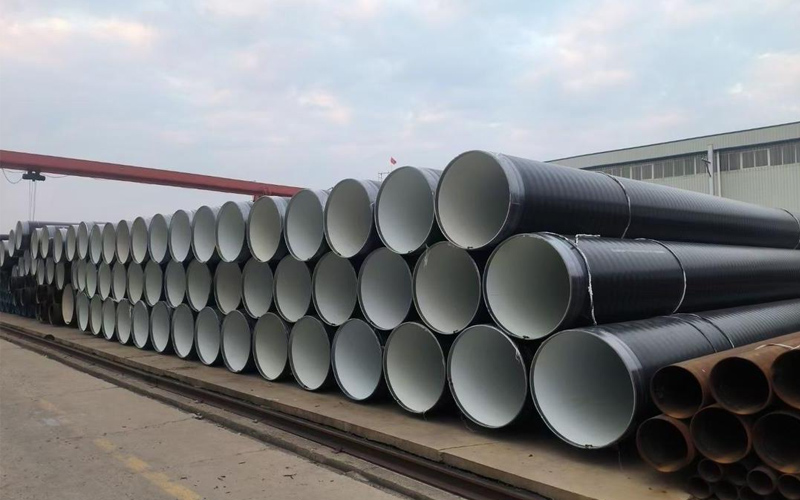
تحليل كثافة الفولاذ: الاختلافات الأساسية بين الفولاذ الكربوني الطري والمتوسط والتطبيقات الصناعية
تُعد كثافة الفولاذ أحد العوامل الرئيسية التي تحدد خصائصه الفيزيائية وتطبيقاته الصناعية. الحالة النظرية لكثافة الفولاذ...
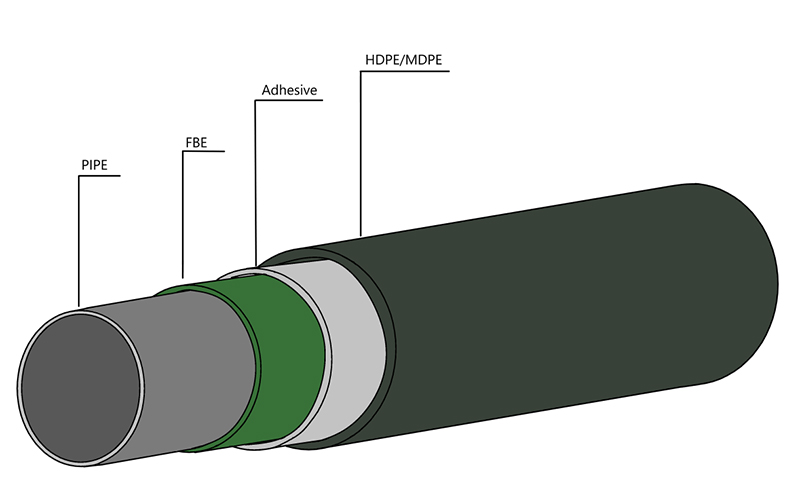
أنابيب الصلب المطلي ب 3LPE: حاجز صلب في مجال الحماية من التآكل الصناعي
في البيئة القاسية للنفط والغاز، والصناعات الكيميائية، وشبكة الأنابيب الحضرية، وما إلى ذلك، فإن موثوقية ومقاومة التآكل على المدى الطويل لنظام خطوط الأنابيب...
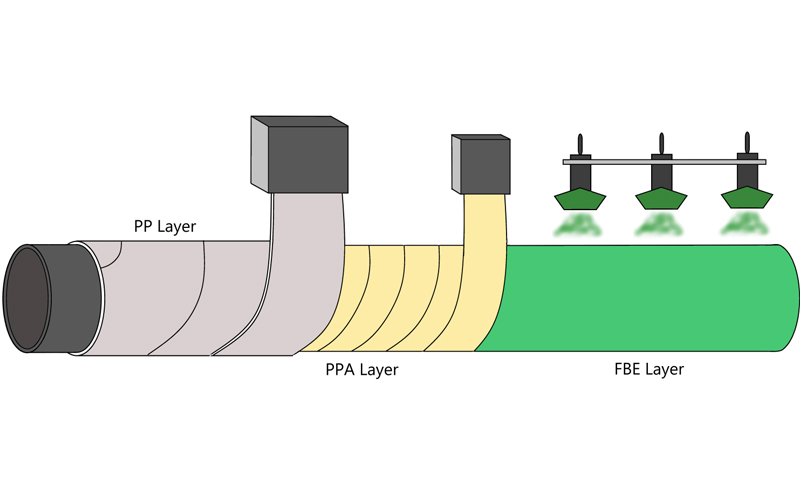
الأنابيب المطلية بـ 3LPP: واقي مضاد للتآكل في درجات الحرارة العالية وبيئة الضغط العالي
في بعض البيئات الخاصة الصعبة مثل التنقيب عن النفط والغاز في أعماق البحار ونقل النفط الخام في درجات حرارة عالية، تواجه الطلاءات التقليدية المضادة للتآكل تحديات كبيرة في بعض البيئات الخاصة الصعبة مثل التنقيب عن النفط والغاز في أعماق البحار ونقل النفط الخام في درجات حرارة عالية...
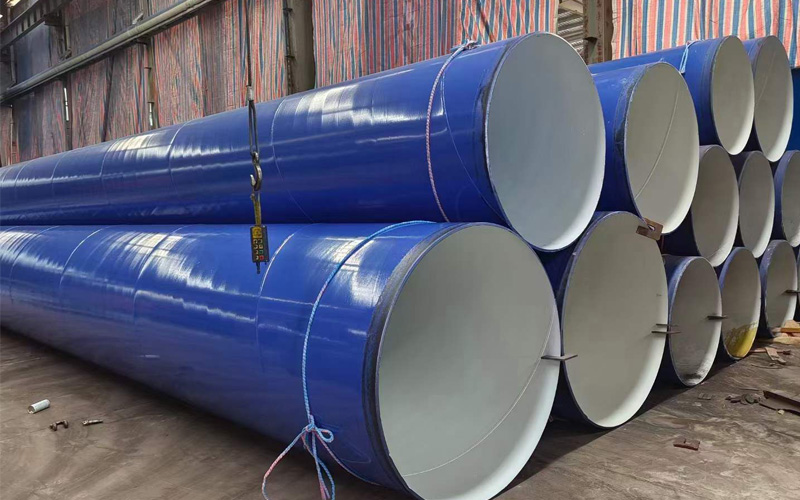
أنابيب الصلب FBE: الدرع التكنولوجي لخط الدفاع الصلب
I في المياه الجليدية تحت خط أنابيب بحر النرويج، يوجد قسم من أنابيب الصلب الكربوني المبطنة من الصلب الكربوني FBE في الخدمة منذ 25...