



Brief Introduction: the Core Role of Structural Pipe in Modern Engineering
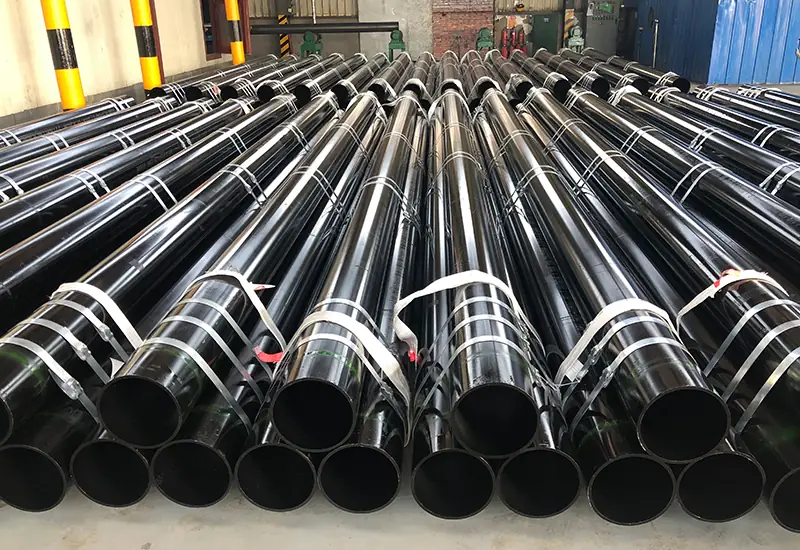
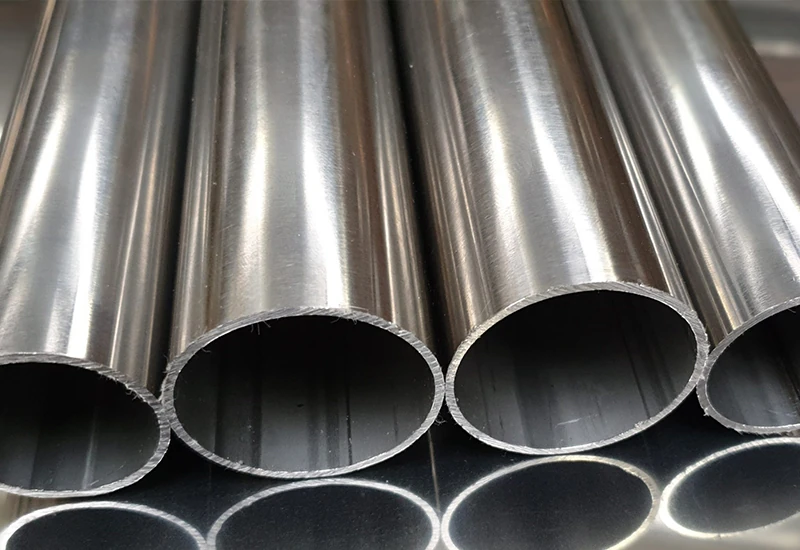
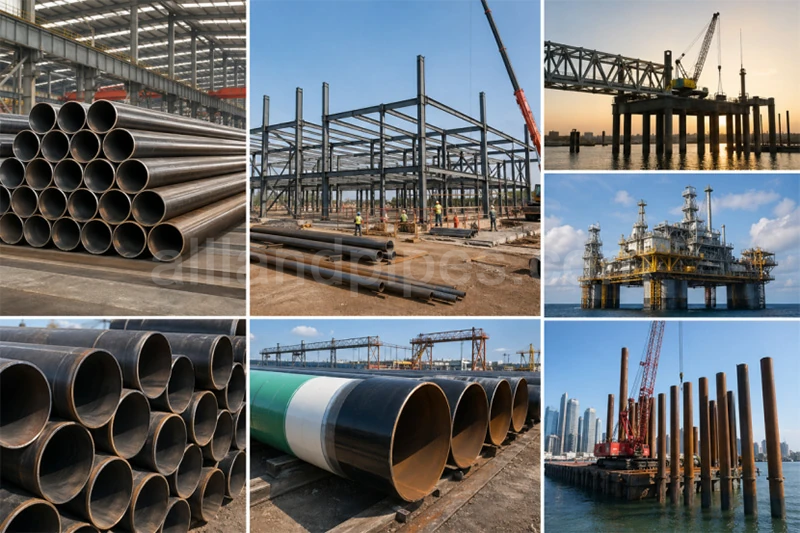
In global construction and infrastructure development, structural pipe—especially cold-formed Hollow Structural Sections (HSS) —serves as the backbone of buildings, bridges, offshore platforms, and utility networks. These hollow profiles are defined as welded or seamless carbon steel tubes, which have an excellent strength-to-weight ratio, durability and design flexibility, making them indispensable materials for structural support, building columns, bridge piling and load-bearing frames. The meaning of the term “HSS” in architecture refers to hollow profiles (round, square, rectangular) specially designed for structural applications, which are different from pressure or mechanical pipes.
As a leading steel pipe manufacturer and global steel pipes supplier, Allland Pipes specializes in producing high-quality welded steel pipe and carbon steel pipe in line with international standards to meet different project needs on all continents. In today’s global architectural environment, engineering teams and procurement professionals must follow two main standards: ASTM standards (USA) and ISO/EN standards (Europe). Understanding the differences between these standards is very important to ensure compliance, safety, cost-effectiveness and project success, especially when purchasing materials for transnational or international projects.
7FAQ
Overview of Standards: Define ASTM A500 and EN 10219
ASTM A500 (American Standard)
ASTM A500 is the main American standard, which is suitable for round, square and rectangular cold-formed welded and seamless carbon steel structural pipes. Developed and maintained by ASTM International, this standard is the most widely designated standard for HSS in North America and the areas affected by American engineering practices. Main details include:
- Application Scope: General structural purposes—building frames, warehouses, highway signs, communication towers, and low-to-medium load bridge components.
- Material Type: A500 steel (carbon steel), with four main grades (A, B, C and D), defined by chemical composition and mechanical properties.
- Main Specifications: the size of carbon steel pipe, the yield strength of steel pipe and basic manufacturing requirements for cold-formed steel are specified.
EN 10219 (European Standard)
EN 10219 is a unified European standard for cold-formed welded hollow profiles of non-alloy steel and fine-grained steels, which is divided into two parts: Part 1 (technical delivery conditions) and Part 2 (dimensions, tolerances and cross-sectional characteristics). It is the mandatory standard for projects following Eurocode design frameworks across Europe, the Middle East, and Africa. The main details include:
- Application Scope: Structural applications requiring high precision and toughness—offshore structures, seismic-resistant buildings, heavy-load bridges, and dynamic infrastructure.
- Material Type: hss steel grades (S235, S275, S355), with ductile names (J2, K2, ML); S355J2H is the most common grade for critical applications.
- Key Specifications: the strict requirements of structural steel pipe size, tolerances and impact resistance are defined, and detailed formulas for calculating section characteristics are provided.
Core Contrast: Chemical Composition and Physical Properties
Material Grade & Mechanical Property Comparison
The key difference between the two standards lies in the grade and mechanical properties of high-strength steel pipe, especially the yield strength and toughness. Table 1 compares the critical levels and performance.
| Feature | ASTM A500 (Grades B/C) | EN 10219 (S235/S355J2H) |
| Yield Strength (MPa) | Grade B: 317; Grade C: 345 | S235: 235; S355J2H: 355 |
| Tensile Strength (MPa) | Grade B: 400; Grade C: 427 | S235: 360–510; S355J2H: 470–630 |
| Impact Toughness | No mandatory requirements | S355J2H: 27J at -20°C (mandatory) |
| Elongation (min, %) | Grade B: 23; Grade C: 21 | S235: 25; S355J2H: 22 |
| Carbon Content (max, %) | 0.26 (heat analysis) | 0.22 (S355J2H) |
Data sources: ASTM International (ASTM A500), CEN (EN 10219)
- ASTM A500: Grades B and C are the most common, offering moderate yield strength for static-load structures. No mandatory impact testing means it is not ideal for low-temperature or dynamic environments.
- EN 10219: S355J2H (a high-strength steel pipe grade) provides guaranteed low-temperature toughness, making it suitable for seismic, offshore, and cold-climate projects. The density of the two standards steels is about 7850 kg/m³ (0.284 lb/in³), which is consistent with the performance of carbon steel.
Dimension Tolerance and Wall Thickness
Dimensional accuracy directly affects the structural coordination, load distribution and manufacturing efficiency. These two standards use different systems: ASTM Schedule and EN metric.
Main Differences:
1. Wall Thickness Tolerance:
- ASTM A500: 10% of nominal thickness (simple percentage rule).
- EN 10219: Stricter, size-dependent tolerances (e. g., ≤ 5 mm: ±10%; >5 mm: ±0.5 mm).
2. Outside Diameter (OD):
- ASTM A500: Attached schedule 40 steel pipe size is standard (e.g., 2 “SCH 40: OD 60.3mm, WT 3.91mm).
- EN 10219: the outside diameter of steel pipe ranges up to 2500 mm (circular), with square sections up to 500 x 500mm.
3. Size Range:
- ASTM A500: Perimeter ≤2235 mm, wall thickness ≤25.4 mm.
- EN 10219: Broader range (circular OD up to 2500mm, WT up to 40mm) for heavy-duty applications.
A pipe wall thickness chart and steel pipe size chart are essential tools for engineers to select the right section, with EN 10219 providing more precise sectional property calculations for design reliability.
Manufacturing Process
Both of these standards focus on cold-formed steel, but they are different in terms of process strictness and quality control.
- ASTM A500: Mainly cold-formed welded (ERW) or seamless. No mandatory heat treatment or non-destructive testing (NDT); Mechanical tests focus on tensile strength and elongation.
- EN 10219: Cold-formed welded (ERW/LSAW) with optional normalizing or stress-relief annealing. Mandatory NDT (UT/RT) for welds and impact testing for toughness grades.
The pipe manufacturing process for both starts with flat steel, but EN 10219’s stricter controls ensure higher quality for critical applications. As a welded pipes manufacturer, Allland Pipes masters both processes, producing LSAW pipe and ERW pipe compliant with both standards.
Application Scenario Analysis: Why Choose a Specific Standard?
The “EN 10219” Zone: Mandatory for European & International Projects
EN 10219 is mandatory for projects requiring CE certification (EU), Eurocode compliance, or serving European, Middle Eastern, or African markets. The main applications include:
- Offshore Structures: offshore and onshore pipeline systems, offshore platforms and offshore foundations (compatibility with EN 10225).
- Bridges: bridge piling, steel bridge girders, and seismic-resistant bridge components (S355J2H’s toughness is critical).
- Infrastructure: Airport terminals, gymnasium, high-rise buildings in the earthquake zones.
Bridge and Architectural Foundations: Piling Applications
Pipe piles and steel tube piles are the basic components of bridges, skyscrapers and waterfront buildings. Allland Pipes’ large diameter steel pipe excels in these applications:
- ASTM A500: Suitable for non-seismic, medium and low load projects (e.g., highway overpasses, residential foundations).
- EN 10219: Preferred for piling pipe in high-load, seismic, or corrosive environments (e.g., coastal bridges, port facilities).
Steel pile selection depends on soil conditions, load requirements, and regional codes—EN 10219’s stricter tolerances ensure better pile driving accuracy and structural integrity.
Fire & Water Utility Engineering
Beyond structural uses, both standards support utility applications with proper customization.
- ASTM A500: Steel pipe for fire sprinkler system supports and non-potable water pipelines (cost-effective for static loads).
- EN 10219: Potable water pipeline and drinking water pipeline material applications, with stricter material controls for safety-critical systems.
JIS G3444: the “Third Pole” in Asian Markets
While ASTM and EN dominate global standards, JIS G3444 (Japanese Industrial Standard) is the primary structural steel pipe standard in East and Southeast Asia, especially for Japan-funded projects. Main details:
- Scope of application: Cold-formed carbon steel structural pipes (round, square and rectangular), similar to ASTM A500.
- Grades: STK400 (yield strength: 235 MPa) and STK490 (yield strength: 325 MPa), conforming to grade B of S235 and A500.
- Market scope: It is dominant in Japan, South Korea, Vietnam and Indonesia, usually designated for infrastructure projects in Asia.
As a major supplier of pipelines and steel pipe in China, Allland Pipes also produces industrial pipes conforming to the JIS G3444 standard, and supports cross-standard projects across Asia.
Added Value: Corrosion Coating & Structural Pipe Durability
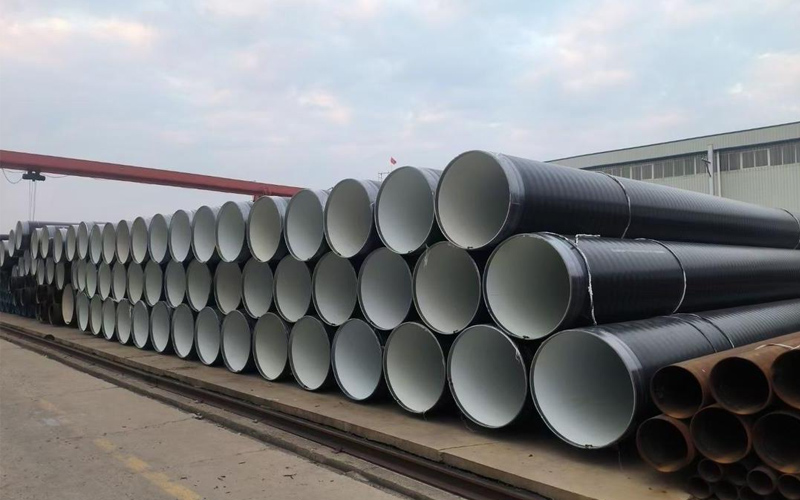
Structural pipes often operate in harsh environments (underground, coastal, industrial), making anti-corrosion coating for steel pipes critical for longevity. Common coatings that are compatible with these two standards include.
- 3LPE coated pipe: Three-layer polyethylene coating for underground pipelines (excellent corrosion resistance and service life of more than 50 years).
- FBE pipe coating: melt-bonded epoxy resin suitable for high-temperature or chemical exposure environments.
- Epoxy-coated steel pipe: internal/external epoxy resin used for drinking water and fire sprinkler systems.
- 3PE Anti-Corrosion Pipe: Cost-effective three-layer epoxy-polyethylene coating for general structural applications.
Neither ASTM A500 nor EN 10219 mandates coatings, but corrosion-resistant pipe solutions are essential for offshore, underground, or coastal projects. Allland Pipes provides customized coating services for all standards, ensuring carbon steel pipe durability in extreme conditions.
Allland Pipes: Production Advantages and Global Supply
Multi-Process Capability
As a leading manufacturer of longitudinal submerged arc welded steel pipes and spiral welded steel pipes, Allland Pipes provides a full range of structural pipes.
- LSAW pipe: longitudinal submerged arc welding of large-diameter pipes (406-1420mm in outer diameter and 6-40mm in wall thickness) conforms to ASTM A500, EN 10219 and API 5L standards.
- SSAW Pipe (Spiral Weld Pipe): Spiral submerged arc welding for heavy-duty piling and offshore applications.
- ERW Pipe: Electric resistance welding for small-to-medium diameter structural sections.
Quality Control and Customization
Allland Pipes conform to strict international certifications: API 5L, ASTM A53 B, ISO 9001 and CE (EN 10219). The main quality characteristics:
- Grade compliance: API 5L X52, ASTM A500 Grades B/C, EN 10219 S355J2H, and JIS G3444 STK490.
- Customized steel pipe: Customize the size, coating and lengths to meet the requirements of specific projects.
- Comprehensive testing: tensile, impact, non-destructive testing (UT/RT) and water pressure testing are carried out on all products.
FAQ
Q 1: Can ASTM A500 and EN 10219 S355J2H be interchanged?
A: Not automatically. And their yield strengths are similar (A500 Grade B: 317 MPa; S355J2H: 355 MPa). S355J2H has forced low-temperature toughness, which is lacking in A500. For non-dynamic and non-low temperature applications, the replacement requires the approval of the engineer.
Q 2: Which standard is better for offshore projects?
A: The first choice is EN 10219 (S355J2H). Its guaranteed impact toughness and stricter tolerances meet the maritime safety standards (e.g., EN 10225), and ASTM A500 is not designed for a dynamic marine environment.
Q 3: Are Allland Pipes provided with pipes conforming to ASTM and EN standards?
A: Yes. As a global steel pipes supplier, we produce carbon steel pipe and welded steel pipe that meet the standards of ASTM A500, EN 10219, JIS G3444, API 5L and ASTM A53 and provide customized coatings and sizes.
Q 4: How long is the typical delivery time for large orders?
A: It takes 3-4 weeks for a standard order (≤ 500 tons); It takes 4-6 weeks to place an order for large-scale and large-diameter pipelines (≥1000 tons). We provide quick delivery service for urgent projects.
Conclusion: How to choose the right standard?
The choice between ASTM A500 and EN 10219 depends on three key factors: project location, design requirements and budget.
Guiding Principles of Selection:
1. If you choose ASTM A500:
- The project is located in North America, South America or a non-seismic area.
- Static load structures (warehouse, low-rise buildings, non-critical infrastructure).
- Cost-sensitive projects that do not need the strict requirements and high toughness of EN 10219.
2. If you choose EN 10219:
- The project is in Europe, the Middle East, Africa, or seismic/cold-climate regions.
- Dynamic or critical structures (offshore platforms, bridges, high-rises).
- CE certification or compliance with European laws and regulations is mandatory.

ASTM A53 vs. API 5L: A Guide to Selection and Application
In the field of industrial piping, ASTM A53 and API 5L are two key standards that are widely used, but have very different positions. ASTM...

Introduction:Technology differences determine success or failure, and selection needs to be “precise”
In oil and gas transmission, municipal infrastructure and other major projects, the reasonable choice of steel pipe welding process directly affects the project...
Steel Density Analysis: Core Differences between Mild and Medium Carbon Steels and Industrial Applications
The density of steel is one of the key parameters that determine its physical properties and industrial applications. Theoretical state of steel density...
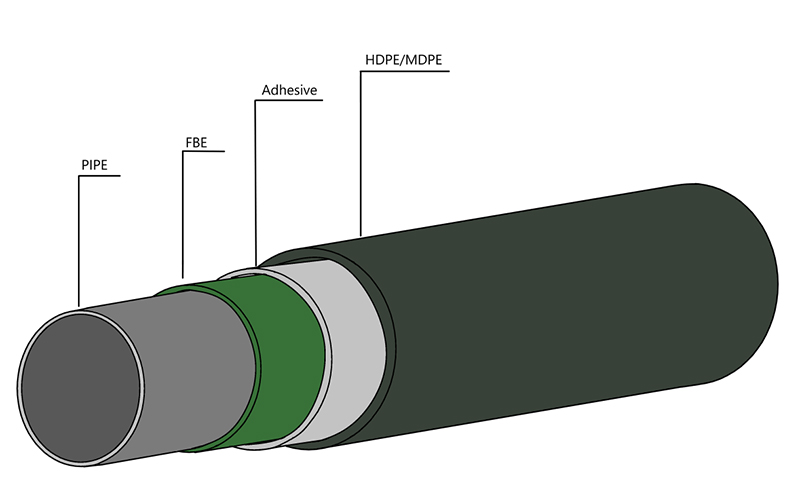
3LPE coated steel pipe: a solid barrier in the field of industrial corrosion protection
In the harsh environment of oil and gas, chemical industry, urban pipe network, etc., the long-term reliability and corrosion resistance of pipeline system...
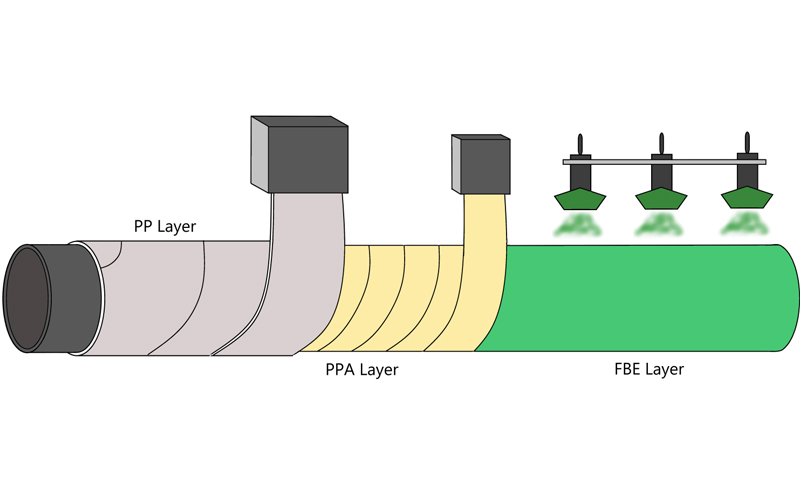
3LPP coated pipe: anti-corrosion guard in high temperature and high pressure environment
In some challenging special environments such as deep-sea oil and gas exploration and high-temperature crude oil transportation, traditional anti-corrosion coatings face significant challenges,...
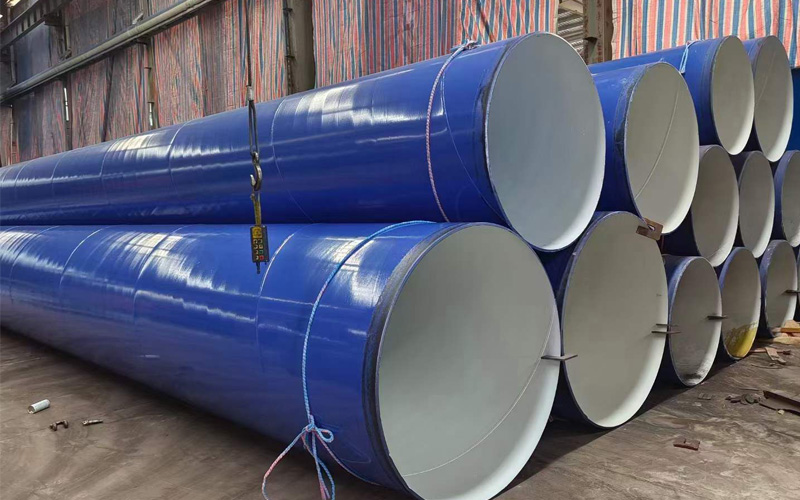
FBE steel pipe: the technological armor of the steel defense line
I In the icy waters beneath the Norwegian Sea pipeline, a section of FBE Lined Carbon Steel Pipe has been in service for 25...