








Breve introducción: el papel central de los tubos estructurales en la ingeniería moderna
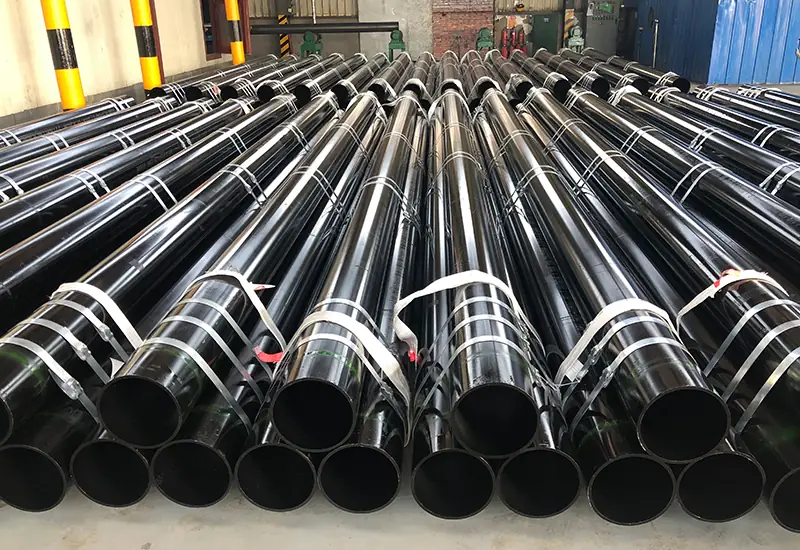
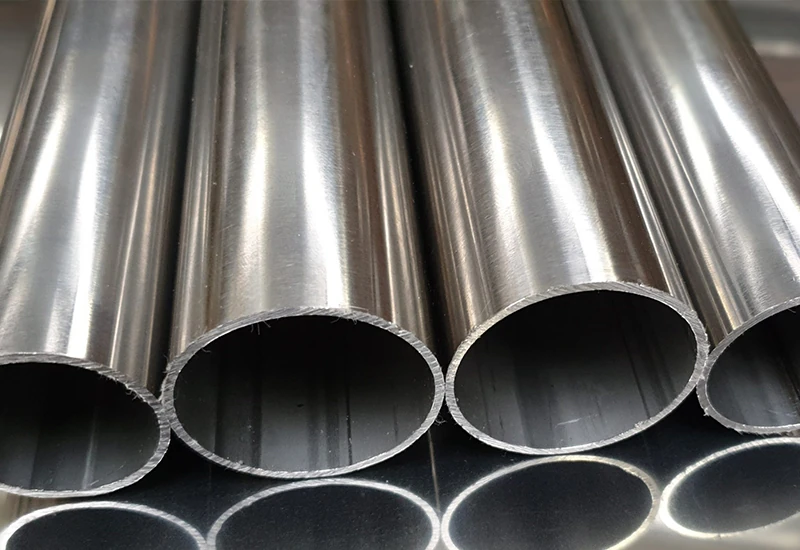
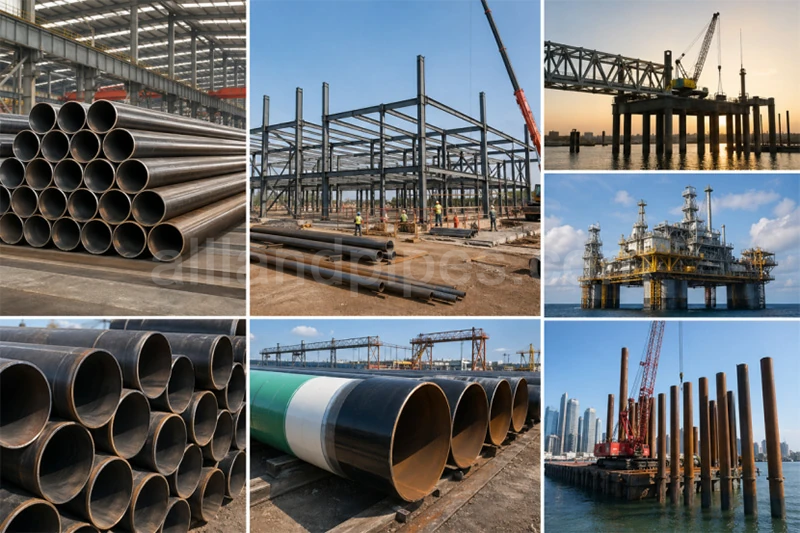
En la construcción mundial y el desarrollo de infraestructuras, tubo estructural-especialmente los perfiles estructurales huecos (HSS) conformados en frío- sirve de columna vertebral de edificios, puentes, plataformas marinas y redes de servicios públicos. Estos perfiles huecos se definen como tubos de acero al carbono soldados o sin soldadura, que tienen una excelente relación resistencia-peso, durabilidad y flexibilidad de diseño, lo que los convierte en materiales indispensables para soportes estructurales, columnas de edificios, pilotes de puentes y marcos portantes. El significado del término “HSS” en arquitectura se refiere a perfiles huecos (redondos, cuadrados, rectangulares) especialmente diseñados para aplicaciones estructurales, que son diferentes de los tubos a presión o mecánicos.
Como fabricante líder de tubos de acero y proveedor global de tubos de acero, Allland Pipes se especializa en la producción de tubos de acero soldados y tubos de acero al carbono de alta calidad en línea con las normas internacionales para satisfacer las diferentes necesidades de los proyectos en todos los continentes. En el entorno arquitectónico global actual, los equipos de ingeniería y los profesionales de compras deben seguir dos normas principales: Las normas ASTM (EE.UU.) y las normas ISO/EN (Europa). Comprender las diferencias entre estas normas es muy importante para garantizar el cumplimiento, la seguridad, la rentabilidad y el éxito del proyecto, especialmente cuando se compran materiales para proyectos transnacionales o internacionales.
7FAQ
Visión general de Snormas: Definir ASTM A500 y EN 10219
ASTM A500 (norma americana)
ASTM A500 es la principal norma norteamericana, adecuada para tubos estructurales de acero al carbono redondos, cuadrados y rectangulares, soldados y sin soldadura, conformados en frío. Desarrollada y mantenida por ASTM International, esta norma es la más ampliamente designada para HSS en Norteamérica y las áreas afectadas por las prácticas de ingeniería americanas. Los detalles principales incluyen:
- Ámbito de aplicación: Estructuras generales: armazones de edificios, almacenes, señales de tráfico, torres de comunicación y componentes de puentes de carga baja a media.
- Tipo de material: Acero A500 (acero al carbono), con cuatro grados principales (A, B, C y D), definidos por su composición química y propiedades mecánicas.
- Especificaciones principales: se especifican el tamaño del tubo de acero al carbono, el límite elástico del tubo de acero y los requisitos básicos de fabricación del acero conformado en frío.
EN 10219 (Norma europea)
EN 10219 es una norma europea unificada para perfiles huecos soldados conformados en frío de acero no aleado y aceros de grano fino, que se divide en dos partes: Parte 1 (condiciones técnicas de suministro) y Parte 2 (dimensiones, tolerancias y características de la sección transversal). Es la norma obligatoria para los proyectos que siguen los marcos de diseño del Eurocódigo en toda Europa, Oriente Medio y África. Entre los principales detalles figuran:
- Ámbito de aplicación: Aplicaciones estructurales que requieren gran precisión y resistencia: estructuras marítimas, edificios sismorresistentes, puentes para cargas pesadas e infraestructuras dinámicas.
- Tipo de material: grados de acero hss (S235, S275, S355), con nombres dúctiles (J2, K2, ML); S355J2H es el grado más común para aplicaciones críticas.
- Especificaciones clave: los estrictos requisitos de tubo de acero estructural se definen el tamaño, las tolerancias y la resistencia al impacto, y se proporcionan fórmulas detalladas para calcular las características de la sección.
Contraste del núcleo: Composición química and Propiedades físicas
Comparación de materiales y propiedades mecánicas
La diferencia clave entre las dos normas radica en el grado y las propiedades mecánicas de los tubos de acero de alta resistencia, especialmente el límite elástico y la tenacidad. La tabla 1 compara los niveles críticos y las prestaciones.
| Característica | ASTM A500 (Grados B/C) | EN 10219 (S235/S355J2H) |
| Límite elástico (MPa) | Grado B: 317; Grado C: 345 | S235: 235; S355J2H: 355 |
| Resistencia a la tracción (MPa) | Grado B: 400; Grado C: 427 | S235: 360-510; S355J2H: 470-630 |
| Resistencia al impacto | No hay requisitos obligatorios | S355J2H: 27J a -20°C (obligatorio) |
| Alargamiento (min, %) | Grado B: 23; Grado C: 21 | S235: 25; S355J2H: 22 |
| Contenido de carbono (máx., %) | 0,26 (análisis térmico) | 0,22 (S355J2H) |
Fuentes de datos: ASTM International (ASTM A500), CEN (EN 10219)
- ASTM A500: Los grados B y C son los más comunes y ofrecen un límite elástico moderado para estructuras de carga estática. La ausencia de pruebas de impacto obligatorias significa que no es ideal para bajas temperaturas o entornos dinámicos.
- EN 10219: S355J2H (a tubo de acero de alta resistencia ) proporciona una tenacidad garantizada a bajas temperaturas, lo que lo hace adecuado para proyectos sísmicos, en alta mar y en climas fríos. La densidad de los dos aceros estándar es de unos 7850 kg/m³ (0,284 lb/pulg³), lo que concuerda con las prestaciones del acero al carbono.
Tolerancia dimensional y espesor de pared
La precisión dimensional afecta directamente a la coordinación estructural, la distribución de cargas y la eficacia de la fabricación. Estas dos normas utilizan sistemas diferentes: ASTM Schedule y EN métrico.
Principales diferencias:
1. Tolerancia del espesor de pared:
- ASTM A500: 10% de espesor nominal (regla del porcentaje simple).
- EN 10219: Tolerancias más estrictas en función del tamaño (por ejemplo, ≤ 5 mm: ±10%; >5 mm: ±0,5 mm).
2. Diámetro exterior (OD):
- ASTM A500: Adjunto horario 40 stubo de acero El tamaño es estándar (por ejemplo, 2 “SCH 40: DE 60,3 mm, A 3,91 mm).
- EN 10219: el diámetro exterior de los tubos de acero varía hasta 2500 mm (circular), con secciones cuadradas de hasta 500 x 500 mm.
3. Gama de tamaños:
- ASTM A500: Perímetro ≤2235 mm, espesor de pared ≤25,4 mm.
- EN 10219: Gama más amplia (diámetro exterior circular hasta 2500 mm, anchura hasta 40 mm) para aplicaciones pesadas.
Una tabla de espesores de pared de tubos y una tabla de tamaños de tubos de acero son herramientas esenciales para que los ingenieros seleccionen la sección adecuada. La norma EN 10219 proporciona cálculos más precisos de las propiedades seccionales para garantizar la fiabilidad del diseño.
Proceso de fabricación
Ambas normas se centran en el acero conformado en frío, pero difieren en cuanto al rigor del proceso y el control de calidad.
- ASTM A500: Principalmente soldado en frío (ERW) o sin soldadura. Sin tratamiento térmico obligatorio ni ensayos no destructivos (END); los ensayos mecánicos se centran en la resistencia a la tracción y el alargamiento.
- EN 10219: Soldadura en frío (ERW/LSAW) con normalizado opcional o recocido de alivio de tensiones. Ensayos no destructivos obligatorios (UT/RT) para las soldaduras y ensayos de impacto para los grados de tenacidad.
El proceso de fabricación de tubos para ambos comienza con acero plano, pero los controles más estrictos de la norma EN 10219 garantizan una mayor calidad para aplicaciones críticas. Como fabricante de tubos soldados, Allland Pipes domina ambos procesos, produciendo LSAW pipe y tubos ERW conformes a ambas normas.
Análisis de escenarios de aplicación: ¿Por qué elegir una norma concreta?
La zona “EN 10219 Obligatoria para proyectos europeos e internacionales
La norma EN 10219 es obligatoria para proyectos que requieran la certificación CE (UE), el cumplimiento del Eurocódigo o que sirvan a los mercados europeos, de Oriente Medio o africanos. Entre las principales aplicaciones figuran:
- Estructuras marítimas: offshore y gasoducto terrestre sistemas, plataformas y cimientos marinos (compatibilidad con la norma EN 10225).
- Puentes: pilotes de puentes, vigas de acero de puentes y componentes de puentes sismorresistentes (la tenacidad del S355J2H es crítica).
- Infraestructuras: Terminales de aeropuerto, gimnasio, edificios altos en las zonas sísmicas.
Puente y Acimentación arquitectónica: Aplicaciones de pilotes
Los pilotes de tubo y los pilotes de tubo de acero son los componentes básicos de puentes, rascacielos y edificios situados frente al mar. Los tubos de acero de gran diámetro de Allland Pipes destacan en estas aplicaciones:
- ASTM A500: Adecuado para proyectos no sísmicos, de carga media y baja (por ejemplo, pasos elevados de autopistas, cimentaciones residenciales).
- EN 10219: Preferida para tubo de pilotaje en entornos de alta carga, sísmicos o corrosivos (por ejemplo, puentes costeros, instalaciones portuarias).
La selección del pilote de acero depende de las condiciones del suelo, los requisitos de carga y los códigos regionales. Las tolerancias más estrictas de la norma EN 10219 garantizan una mayor precisión en el hincado del pilote y una mayor integridad estructural.
Ingeniería de servicios de agua y contra incendios
Más allá de los usos estructurales, ambas normas admiten aplicaciones utilitarias con la personalización adecuada.
- ASTM A500: Tubería de acero para sistemas de rociadores contra incendios soportes y conducciones de agua no potable (rentables para cargas estáticas).
- EN 10219: Aplicaciones de materiales para tuberías de agua potable, con controles de materiales más estrictos para los sistemas de seguridad crítica.
JIS G3444El “tercer polo” de los mercados asiáticos
Mientras que ASTM y EN dominan las normas mundiales, JIS G3444 (Norma Industrial Japonesa) es la principal norma de tuberías de acero estructural en Asia Oriental y Sudoriental, especialmente para proyectos financiados por Japón. Detalles principales:
- Ámbito de aplicación: Tubos estructurales de acero al carbono conformados en frío (redondos, cuadrados y rectangulares), similares a ASTM A500.
- Calidades: STK400 (límite elástico: 235 MPa) y STK490 (límite elástico: 325 MPa), conformes al grado B de S235 y A500.
- Alcance del mercado: Predomina en Japón, Corea del Sur, Vietnam e Indonesia, normalmente destinado a proyectos de infraestructuras en Asia.
Como uno de los principales proveedores de tuberías y tubos de acero de China, Allland Pipes también produce tuberías industriales conformes a la norma JIS G3444, y apoya proyectos de normas cruzadas en toda Asia.
Valor añadido: Revestimiento anticorrosión y durabilidad estructural de tuberías
Las tuberías estructurales suelen operar en entornos difíciles (subterráneos, costeros, industriales), lo que hace que revestimiento anticorrosión para tubos de aceros crítico para la longevidad. Los revestimientos más comunes compatibles con estas dos normas son.
- Tubería con revestimiento 3LPE: Revestimiento de polietileno tricapa para tuberías subterráneas (excelente resistencia a la corrosión y vida útil de más de 50 años).
- Revestimiento de tuberías FBE: resina epoxi fundida adecuada para entornos de alta temperatura o exposición química.
- Tubo de acero con revestimiento epoxi: resina epoxi interna/externa utilizada para sistemas de agua potable y rociadores contra incendios.
- Tubería anticorrosión 3PE: Revestimiento rentable de tres capas de epoxi-polietileno para aplicaciones estructurales generales.
Ni la norma ASTM A500 ni la EN 10219 exigen revestimientos, pero las soluciones de tuberías resistentes a la corrosión son esenciales para los proyectos en alta mar, subterráneos o costeros. Allland Pipes ofrece servicios de revestimiento personalizados para todas las normas, garantizando la durabilidad de las tuberías de acero al carbono en condiciones extremas.
Tuberías Allland: Ventajas de la producción y abastecimiento mundial
Capacidad multiproceso
Como fabricante líder de tubos de acero soldados por arco sumergido longitudinal y tubos de acero soldados en espiral, Allland Pipes ofrece una gama completa de tubos estructurales.
- Tubo LSAW: soldadura longitudinal por arco sumergido de tubos de gran diámetro (406-1420 mm de diámetro exterior y 6-40 mm de espesor de pared) se ajusta a las normas ASTM A500, EN 10219 y API 5L normas.
- Tubo SSAW (tubo de soldadura en espiral): Soldadura por arco sumergido en espiral para aplicaciones pesadas de pilotaje y en alta mar.
- Tubos ERW: Soldadura por resistencia eléctrica para secciones estructurales de diámetro pequeño a medio.
Control de calidad y personalización
Las tuberías Allland cumplen estrictas certificaciones internacionales: API 5L, ASTM A53 B, ISO 9001 y CE (EN 10219). Las principales características de calidad:
- Cumplimiento de grado: API 5L X52, ASTM A500 Grados B/C, EN 10219 S355J2H, y JIS G3444 STK490.
- Tubería de acero a medida: Personalice el tamaño, el revestimiento y las longitudes para satisfacer los requisitos de proyectos específicos.
- Pruebas exhaustivas: en todos los productos se realizan pruebas de tracción, impacto, pruebas no destructivas (UT/RT) y pruebas de presión de agua.
FAQ
Q 1: ¿Pueden intercambiarse las normas ASTM A500 y EN 10219 S355J2H?
R: No automáticamente. Y sus límites elásticos son similares (A500 Grado B: 317 MPa; S355J2H: 355 MPa). El S355J2H tiene una tenacidad forzada a baja temperatura, de la que carece el A500. Para aplicaciones no dinámicas ni de baja temperatura, la sustitución requiere la aprobación del ingeniero.
P 2: ¿Qué norma es mejor para los proyectos offshore?
R: La primera opción es la norma EN 10219 (S355J2H). Su resistencia al impacto garantizada y sus tolerancias más estrictas cumplen las normas de seguridad marítima (por ejemplo, EN 10225), y ASTM A500 no está diseñado para un entorno marino dinámico.
P 3: ¿Son Tuberías Allland con tubos conformes a las normas ASTM y EN?
R: Sí. Como proveedor de tubos de acero, Producimos tubos de acero al carbono y tubos de acero soldados que cumplen con las normas de ASTM A500, EN 10219, JIS G3444, API 5L y ASTM A53 y ofrecen revestimientos y tamaños personalizados.
P 4: ¿Cuál es el plazo de entrega habitual para pedidos grandes?
R: Un pedido estándar (≤ 500 toneladas) tarda entre 3 y 4 semanas; un pedido de tuberías a gran escala y de gran diámetro (≥1000 toneladas) tarda entre 4 y 6 semanas. Ofrecemos un servicio de entrega rápida para proyectos urgentes.
Conclusión: ¿Cómo elegir la norma adecuada?
La elección entre ASTM A500 y EN 10219 depende de tres factores clave: ubicación del proyecto, requisitos de diseño y presupuesto.
Principios rectores de la selección:
1. Si elige ASTM A500:
- El proyecto está situado en Norteamérica, Sudamérica o una zona no sísmica.
- Estructuras de carga estática (almacenes, edificios de poca altura, infraestructuras no críticas).
- Proyectos sensibles a los costes que no necesitan los estrictos requisitos y la elevada tenacidad de la norma EN 10219.
2. Si elige EN 10219:
- El proyecto está en Europa, Oriente Medio, África o regiones sísmicas o de clima frío.
- Estructuras dinámicas o críticas (plataformas marinas, puentes, rascacielos).
- La certificación CE o el cumplimiento de las leyes y normativas europeas son obligatorios.

ASTM A53 frente a API 5L: Guía de selección y aplicación
En el campo de las tuberías industriales, ASTM A53 y API 5L son dos normas clave muy utilizadas, pero con posiciones muy diferentes. ASTM...

Introducción:Las diferencias tecnológicas determinan el éxito o el fracaso, y la selección debe ser “precisa”
En la transmisión de petróleo y gas, las infraestructuras municipales y otros grandes proyectos, la elección razonable del proceso de soldadura de tubos de acero afecta directamente al proyecto...
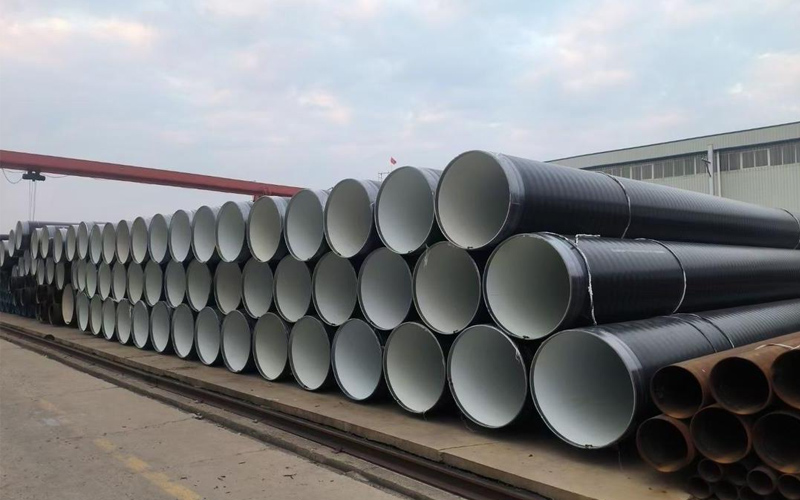
Análisis de la densidad del acero: Diferencias fundamentales entre aceros al carbono suaves y medios y aplicaciones industriales
La densidad del acero es uno de los parámetros clave que determinan sus propiedades físicas y aplicaciones industriales. Estado teórico de la densidad del acero...
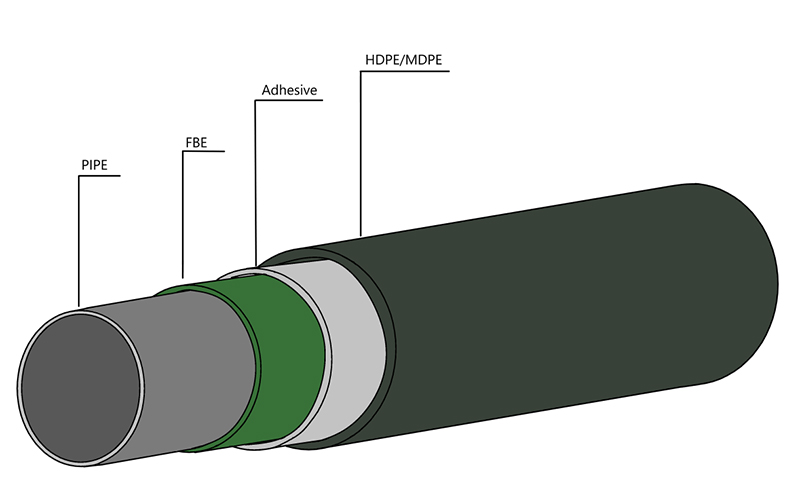
Tubos de acero revestidos con 3LPE: una barrera sólida en el campo de la protección contra la corrosión industrial
En el duro entorno del petróleo y el gas, la industria química, la red de tuberías urbanas, etc., la fiabilidad a largo plazo y la resistencia a la corrosión del sistema de tuberías...
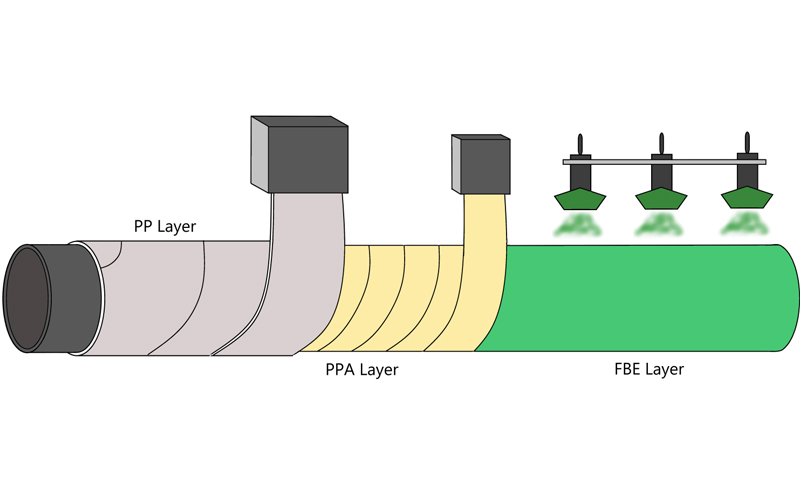
Tubo con revestimiento 3LPP: protección anticorrosión en entornos de alta temperatura y alta presión
En algunos entornos especiales difíciles, como la prospección de petróleo y gas en aguas profundas y el transporte de crudo a altas temperaturas, los revestimientos anticorrosión tradicionales se enfrentan a...
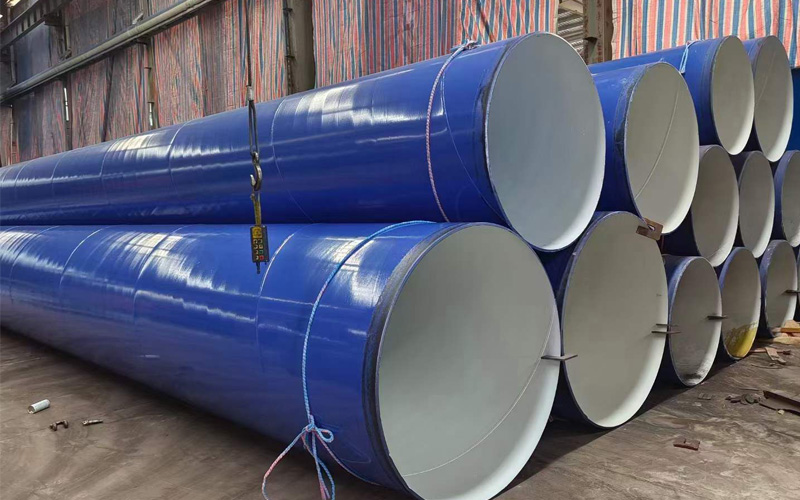
Tubos de acero FBE: el blindaje tecnológico de la línea de defensa del acero
I En las gélidas aguas bajo el oleoducto del Mar de Noruega, una sección de tubería de acero al carbono con revestimiento FBE ha estado en servicio durante 25...