






مقدمة
Onshore pipelines are widely used to transport oil, natural gas and industrial materials over long distances.
Unlike offshore pipelines, onshore pipelines often pass through different land conditions. These environments can affect pipeline safety and increase maintenance challenges.
A pipeline failure may cause leakage, production delays and repair costs. To reduce these risks, operators need to focus on the entire pipeline lifecycle, from design and manufacturing to installation and maintenance. This article introduces the main causes of onshore pipeline failures and explains practical ways to improve pipeline reliability.
What Are the Common Causes of Onshore Pipeline Failures?
Onshore pipeline failures can result from many factors throughout the pipeline lifecycle. External conditions, manufacturing quality and operating environments can all affect pipeline safety and performance.
External Damage and Third-Party Activities
External damage is one of the common risks for onshore pipelines. Most pipelines are installed underground, which means nearby activities may affect their condition.
For example, excavation work, heavy equipment operation or unauthorized construction near the pipeline route may damage the pipe surface or structure. Without proper protection, these issues can increase the risk of leakage.
Ground Movement and Environmental Challenges
Onshore pipelines often pass through different geographical areas. Changes in soil conditions and natural events can create additional stress on the pipeline.
Soil settlement, landslides and earthquakes may affect pipeline stability. Extreme weather conditions, such as temperature changes and flooding, can also increase operational risks.
Welding Defects and Manufacturing Problems
The quality of steel pipe manufacturing directly affects pipeline reliability.
During pipe forming, welding or inspection, some defects may remain unnoticed after production. Under high-pressure conditions, these defects can gradually develop into cracks or leakage problems.
For large-diameter transmission projects, أنابيب LSAW is widely used because it provides stable weld quality and accurate dimensions. These features make it suitable for demanding oil and gas transportation projects.
Corrosion from External and Internal Conditions
Corrosion is one of the most common causes of onshore pipeline damage.
External corrosion may occur when buried pipes are exposed to moisture, chemicals or damaged coatings. Internal corrosion can also develop when transported fluids contain corrosive substances.
These factors can reduce pipeline performance over time. Understanding the main causes of failure helps operators develop effective prevention measures and improve pipeline service life.
Why Are LSAW Pipes Suitable for Long-Distance Onshore Pipelines?
Long-distance onshore pipelines require pipes that can withstand high pressure and heavy transportation loads. Since these projects often extend across hundreds of kilometers, pipe strength and weld reliability are important factors.
أنابيب LSAW is widely used in large-scale oil and gas transmission projects because it supports large diameters and provides strong structural performance. Its manufacturing process allows it to meet the requirements of challenging pipeline environments.
Suitable for Large-Diameter Pipeline Projects
أنابيب LSAW are designed for large-diameter applications. They are often selected for projects that need to transport large volumes of oil or natural gas over long distances.
Compared with smaller diameter pipes, LSAW pipes can provide higher flow capacity. Therefore, they are a practical choice for major transmission lines where transportation efficiency is important.
Stable Weld Quality for Pipeline Safety
LSAW pipes are manufactured through the submerged arc welding process. During welding, a flux layer protects the welding area and helps create consistent weld quality.
This process produces strong weld seams and supports strict inspection requirements for high-pressure pipeline projects. As a result, LSAW pipes can provide reliable performance in long-term operation.
High Strength for Harsh Operating Conditions
Long-distance pipelines often face high internal pressure and complex service environments. LSAW pipes offer high strength and good dimensional accuracy, which helps maintain pipeline stability during operation.
According to standards such as API 5L و آيزو 3183, LSAW pipes can be produced with different pipeline grades for various service conditions. These advantages make them suitable for major onshore oil and gas transportation projects.
How Can Proper Construction Reduce Pipeline Failure Risks?
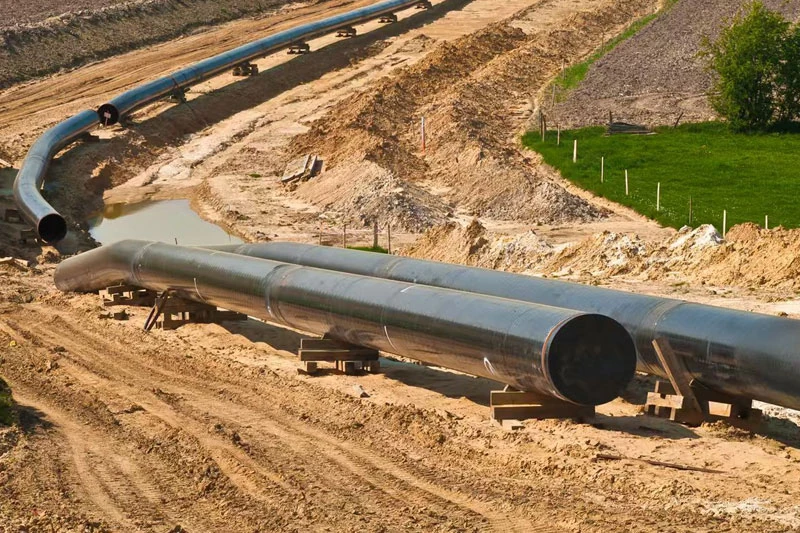
Proper construction plays an important role in reducing onshore pipeline failure risks. Even high-quality pipes may experience problems if installation work is not properly controlled. During construction, operators should pay close attention to corrosion protection, welding quality and installation procedures.
Careful Pipeline Installation
Before installation, workers should inspect pipes carefully to check whether transportation or storage has caused any damage.
During pipeline laying, accurate alignment and proper placement help reduce stress on the pipe. At the same time, engineers should evaluate soil conditions around the pipeline route to prevent future stability problems.
Proper handling during installation is also important. Incorrect lifting methods or improper pipe placement may damage the coating or affect pipeline performance.
Reliable Welding Control
Welding quality has a direct impact on pipeline strength and safety. Poor welding procedures may create defects in joint areas, which can increase the risk of leakage during operation.
Qualified welding methods should be used throughout the construction process. After welding, inspection methods such as non-destructive testing are usually applied to identify hidden defects before the pipeline starts operation.
By maintaining strict welding control, operators can improve pipeline reliability and reduce potential failures.
Effective Coating Protection
Coating provides an important barrier against external corrosion for buried pipelines. However, the coating layer may be damaged during transportation, handling or installation.
Before the pipeline enters service, damaged coating areas should be repaired to maintain protection performance. Common protection methods include طلاء FBE, طلاء 3LPE و طلاء 3LPP. These coatings help protect steel pipes from moisture and corrosive environments.
How to Improve Long-Term Onshore Pipeline Performance?
Pipeline protection does not end after installation. Regular inspection and maintenance are necessary to monitor pipeline conditions and reduce unexpected failures during operation.
Regular Pipeline Inspection
Regular inspection helps operators find early signs of pipeline damage. Methods such as intelligent pigging are often used to check the internal condition of pipelines.
These inspections can detect problems such as corrosion, cracks and wall thinning before they become serious issues. External inspections also help evaluate coating conditions and identify possible damage along the pipeline route.
Continuous Leak Monitoring
Leak detection is an important part of pipeline operation. By monitoring pressure changes and flow conditions, operators can identify abnormal situations at an early stage.
When unusual data is detected, further inspection can help locate possible leakage areas. Taking action quickly can prevent small problems from developing into major failures.
Preventive Maintenance
Preventive maintenance helps maintain pipeline performance throughout its service life. Damaged coatings should be repaired as soon as possible to prevent corrosion from spreading.
Operators should also evaluate pipeline conditions regularly. When certain components no longer meet operating requirements, timely repair or replacement can help reduce safety risks.
Why Choose Allland Onshore Pipeline Solutions?
Choosing a reliable pipeline supplier is important for ensuring safe operation and long-term performance. Allland provides customized خط الأنابيب البري solutions for oil, gas, water and industrial transportation projects.
With advanced manufacturing capabilities, strict quality control and professional project support, Allland helps customers build reliable pipeline solutions for different operating environments.
Wide Product Range and Flexible Specifications
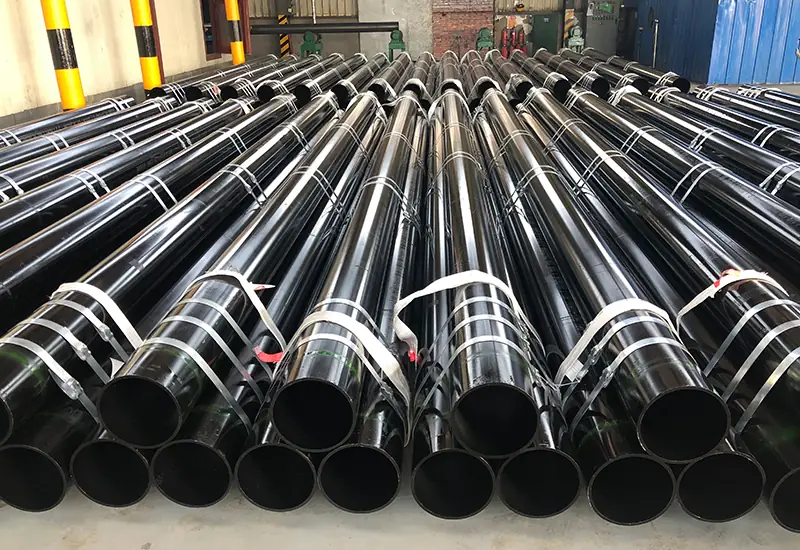
Allland manufactures onshore transmission pipelines using LSAW, SSAW and ERW welded steel pipes. These pipes are designed for long-distance transportation under high-pressure and high-flow conditions.
Key product specifications include:
| البند | المواصفات |
| القطر الخارجي | 219 مم - 1420 مم |
| سُمك الجدار | 5.0–25mm |
| الطول | 6–12m / 18m (custom lengths available) |
To meet different project requirements, Allland offers various corrosion protection options, including FBE, 3LPE and 3LPP coatings.
Additional solutions are also available for special environments. For example, UV protection can be provided for desert areas, insulation layers can be applied for cold regions, and cathodic protection can be used in highly corrosive environments.
Product Standards and Steel Grades
ألاند خط الأنابيب البري products are manufactured according to widely recognized international standards. Different steel grades are available to meet various pressure requirements and operating conditions.
| قياسي | Steel Grade / Specification |
| API SPEC 5L | PSL1/PSL2 الفئة ب، X42، X52، X60، X65، X70، X80 |
| آيزو 3183 | L245, L290, L360, L415, L450, L485,L555 |
| GB/T 9711 | L245N، L360M، L415Q |
| ASME | B31.4, B31.8 |
Professional Service and Project Support
Every pipeline project has different requirements. Allland provides customized solutions based on transportation conditions, project standards and installation environments.
From pipe selection and coating recommendations to delivery support, Allland works closely with customers throughout the project process. With professional manufacturing experience and flexible service, Allland helps customers achieve safe and stable pipeline operation.
الأسئلة الشائعة
Q1. What type of steel pipe is used for onshore pipelines?
Allland provides LSAW, SSAW and ERW steel pipes for onshore pipeline projects. The suitable pipe type depends on project requirements, including pipe diameter, pressure conditions and transportation needs.
Q2. Which API 5L grade is suitable for oil and gas pipelines?
Allland supplies API 5L grades such as Gr.B, X42, X52, X60, X65, X70 and X80. Our team can recommend suitable grades based on pipeline pressure, service environment and project specifications.
Q3. What coatings are available for onshore pipelines?
Allland provides corrosion protection options including FBE, 3LPE and 3LPP coatings. These coatings help improve pipeline protection in different operating environments.
Q4. كم من الوقت تدوم خطوط الأنابيب البرية؟
High-quality onshore pipelines typically have a design life of 30–50 years when proper materials, coatings and maintenance practices are applied.
Q5. Can you provide customized onshore pipeline solutions?
Yes. Allland supports customized solutions for pipe size, steel grade, coating type and project requirements. Our team works with customers to select suitable products for different operating conditions.
الخاتمة
Onshore pipeline failures can result from many factors, including external damage, ground movement, corrosion, manufacturing defects and poor installation practices.
A reliable pipeline requires careful management at every stage. Proper material selection, high-quality manufacturing, suitable protection methods and regular inspection can help improve pipeline safety and performance.
By choosing API 5L compliant products, reliable LSAW pipe solutions and an experienced الشركة المصنعة لأنابيب الصلب, companies can reduce long-term risks and improve pipeline reliability.
Allland provides professional onshore pipeline solutions for global energy and infrastructure projects. للتواصل مع آلاند to discuss your specific pipeline requirements.

ASTM A53 مقابل API 5L: دليل للاختيار والتطبيق
في مجال الأنابيب الصناعية، ASTM A53 وAPI 5L هما معياران رئيسيان يستخدمان على نطاق واسع، ولكنهما مختلفان تمامًا في الوضعيات. ASTM...

مقدمة: تحدد الاختلافات التكنولوجية النجاح أو الفشل، ويجب أن يكون الاختيار “دقيقًا”
في مشاريع نقل النفط والغاز والبنية التحتية البلدية وغيرها من المشاريع الكبرى، يؤثر الاختيار المعقول لعملية لحام الأنابيب الفولاذية بشكل مباشر على المشروع...
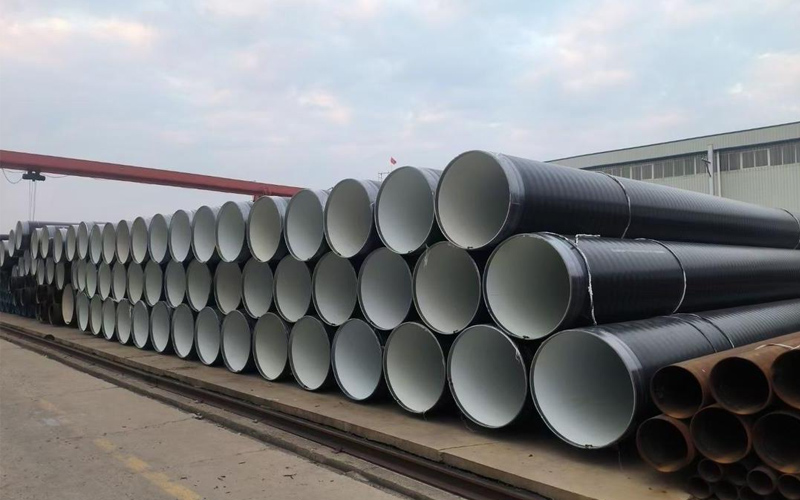
تحليل كثافة الفولاذ: الاختلافات الأساسية بين الفولاذ الكربوني الطري والمتوسط والتطبيقات الصناعية
تُعد كثافة الفولاذ أحد العوامل الرئيسية التي تحدد خصائصه الفيزيائية وتطبيقاته الصناعية. الحالة النظرية لكثافة الفولاذ...
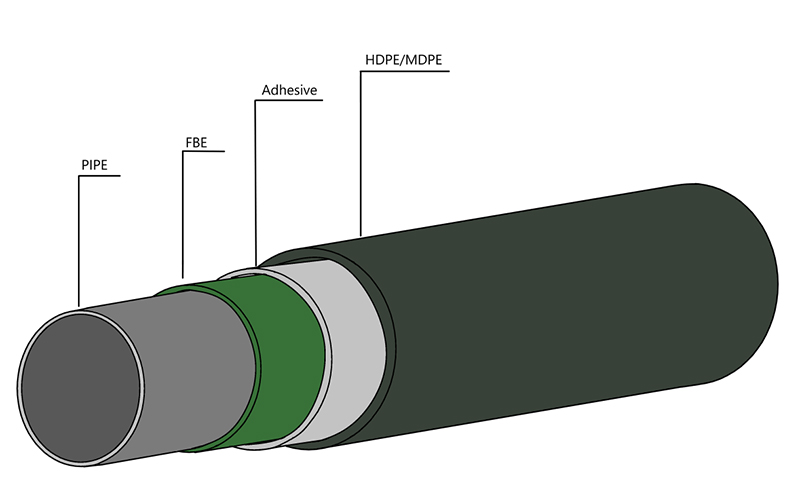
أنابيب الصلب المطلي ب 3LPE: حاجز صلب في مجال الحماية من التآكل الصناعي
في البيئة القاسية للنفط والغاز، والصناعات الكيميائية، وشبكة الأنابيب الحضرية، وما إلى ذلك، فإن موثوقية ومقاومة التآكل على المدى الطويل لنظام خطوط الأنابيب...
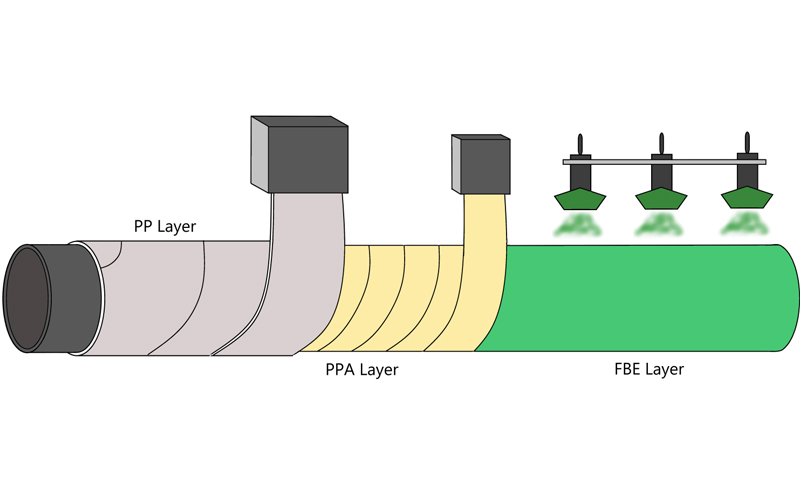
الأنابيب المطلية بـ 3LPP: واقي مضاد للتآكل في درجات الحرارة العالية وبيئة الضغط العالي
في بعض البيئات الخاصة الصعبة مثل التنقيب عن النفط والغاز في أعماق البحار ونقل النفط الخام في درجات حرارة عالية، تواجه الطلاءات التقليدية المضادة للتآكل تحديات كبيرة في بعض البيئات الخاصة الصعبة مثل التنقيب عن النفط والغاز في أعماق البحار ونقل النفط الخام في درجات حرارة عالية...
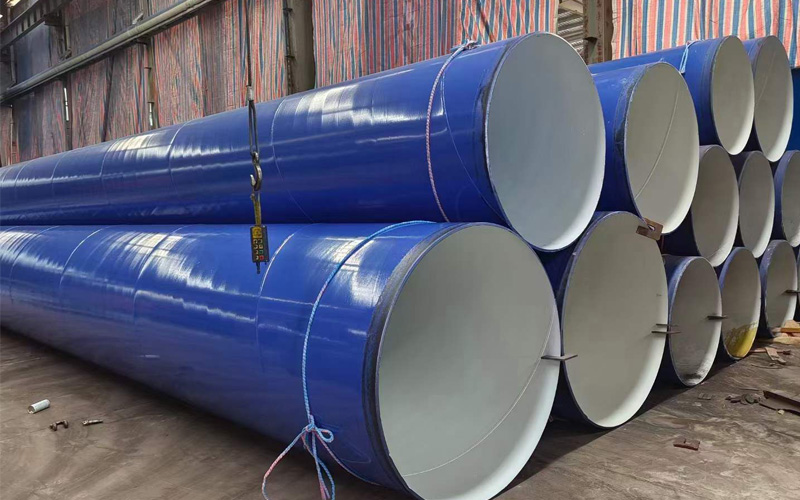
أنابيب الصلب FBE: الدرع التكنولوجي لخط الدفاع الصلب
I في المياه الجليدية تحت خط أنابيب بحر النرويج، يوجد قسم من أنابيب الصلب الكربوني المبطنة من الصلب الكربوني FBE في الخدمة منذ 25...