





The selection of connection methods for fire sprinkler systems directly influences how quickly a system responds and how reliably it performs when needed. Piping forms the backbone of any water-based fire protection system, carrying pressurized water to sprinkler heads throughout a building. The integrity of every joint matters—a single failed connection can render an entire zone ineffective. When designing or retrofitting fire protection systems, engineers typically choose between grooved and welded pipe fittings. Each method offers advantages for different project requirements. This article examines both methods based on established industry standards, real-world performance data, and practical installation considerations.
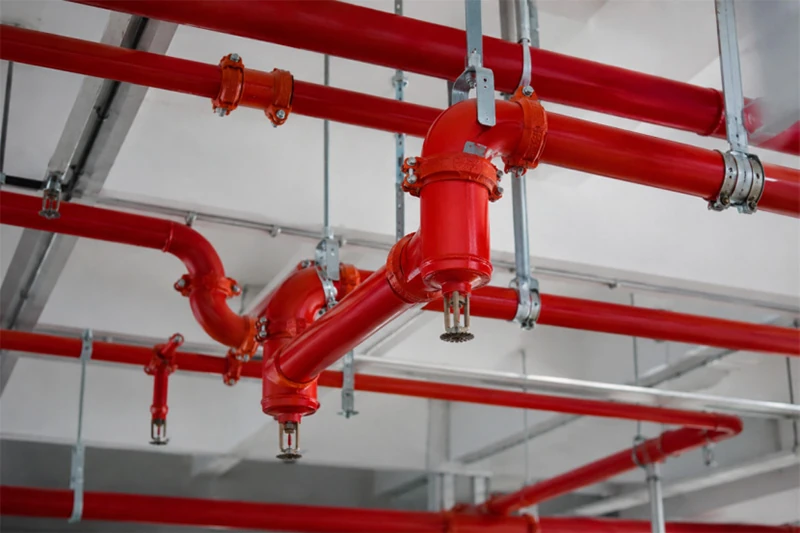
1. Foundation of the System: Standards and Specifications
Before selecting a joining method, understanding the underlying pipe materials and applicable codes is essential. NFPA 13, the standard for sprinkler system installation, provides the baseline requirements for fire sprinkler system piping. It specifies minimum wall thicknesses, pressure ratings, and material certifications that all components must meet.
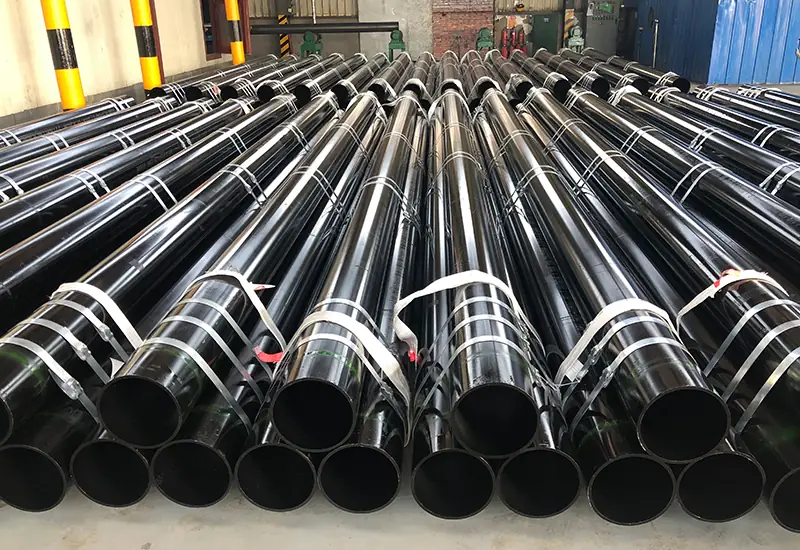
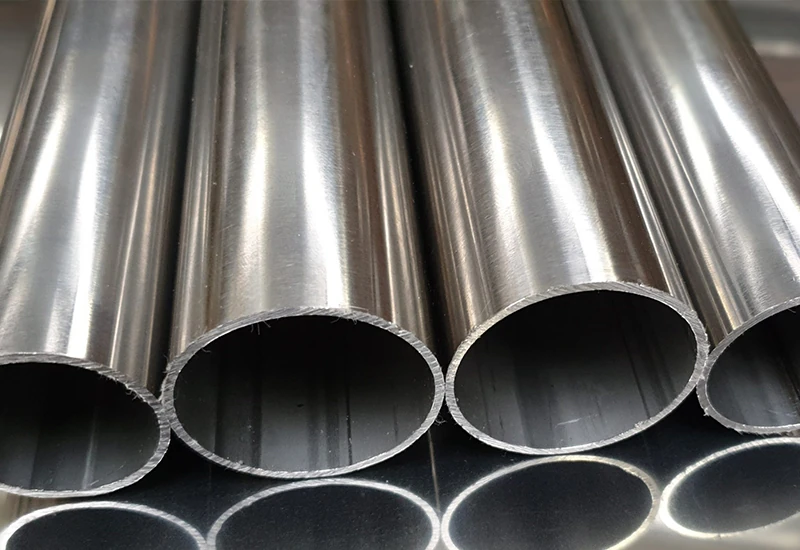
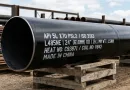
The most common material specified is ASTM A53 carbon steel pipe. This standard covers black and galvanized welded and seamless steel pipe in sizes from NPS ½ to NPS 26. For fire sprinkler service, Type E Grade B is the typical specification. Schedule 40 is the standard wall thickness for most commercial applications. Under certain conditions, Schedule 10 pipe may also be permitted in welded systems. Schedule 40 steel pipe dimensions are defined by ASME B36.10M, with outer diameters ranging from 33.4 mm for 1-inch pipe to 219.1 mm for 8-inch pipe.
The term black iron pipe is commonly used in the industry to refer to black carbon steel pipe. It remains the most popular material for commercial fire sprinkler applications. For corrosive wet pipe environments and for dry or pre-action systems, hot-dip galvanized carbon steel pipe is commonly used to improve corrosion resistance. ASTM A53 and ASTM A795 pipes typically feature zinc coatings ranging from 45 to 85μm in accordance with ASTM A123.
When sourcing materials, engineers should verify that all pipe specifications meet project requirements. Consulting a qualified industrial pipe manufacturer such as Allland Pipes can help simplify material selection.
2. Grooved Pipe Fittings: Efficiency and Flexibility
Grooved mechanical joints consist of four elements: grooved-end pipe, a gasket, coupling housing, and fasteners. A groove is cold-formed or machined near each pipe end. A gasket enclosed in the coupling housing is placed around the two abutted pipe ends.The housing keys then engage the grooves to create a secure mechanical connection. Tightening the bolts compresses the gasket against the pipe outer diameter, creating a pressure-responsive seal.
There are two main types of grooved couplings. Rigid couplings allow minimal movement and provide a joint similar to welded or flanged connections. Flexible couplings permit limited angular and linear deflection, accommodating thermal expansion, contraction, seismic movement, and pipe misalignment.
Advantages of Grooved Connections
Installation speed is the most frequently cited benefit. Compared to welded fittings, grooved joints require no hot work and cut installation time by up to 50 percent. The assembly process uses simple tools and does not require specialized welding certifications. Pre-assembled single-bolt couplings simplify installation. Products such as the Grinnell G-Fire 579A allow contractors to connect pipe with only one tightening step.
The flame-free nature of grooved coupling assembly eliminates the need for hot work permits, fire watches, and ventilation systems. This is particularly valuable in occupied buildings, facilities with flammable materials, or environments where open flames are prohibited. The absence of welding fumes also improves job site safety conditions.
Flexibility is another key advantage. Grooved joints allow pipes to accommodate thermal movement and minor misalignments without placing excessive stress on pipe connections. In seismic zones or on projects with large temperature fluctuations, flexible grooved couplings allow controlled pipe movement. Rigid welded connections generally provide little or no movement capability.
Maintenance and system modification are simplified with shouldered pipe systems. Any section of pipe can be disassembled, repaired, or replaced without cutting or re-welding. This reduces downtime during retrofits and allows for easier system expansion.
Allland’s carbon steel pipe fittings are manufactured to support both rigid and flexible grooved configurations, with UL-listed and FM-approved options for wet and dry sprinkler systems.
3. Welded Pipe Fittings: Strength and Permanence
Welded connections have served as the traditional method for high pressure pipe systems across many industries. In fire sprinkler applications, welding creates a continuous, monolithic joint where the pipe and fitting become a single piece of metal. When properly executed and inspected, a welded joint minimizes potential leakage paths and provides a highly secure connection.
In fire protection piping, electric resistance welding (ERW) is commonly used for smaller diameters, while seamless carbon steel pipe is typically used for higher pressure requirements or larger risers. Seamless pipes provide a continuous structure without a weld seam, offering exceptional integrity for critical fire mains.
Advantages of Welded Connections
The primary strength of welded joints lies in their permanence and structural integrity. A properly welded connection has no gaskets to age, no bolts to loosen, and no mechanical interfaces that can separate under extreme conditions.
Disadvantages of Welded Connections
Welding carbon steel requires certified welders with specialized skills. The process requires proper surface preparation and controlled heat input. Post-weld inspections are also necessary. Radiographic or ultrasonic testing is often used to verify joint integrity. This translates into higher labor costs and longer installation timelines compared to grooved methods.
Hot work permits are required for welding in most jurisdictions. The use of open flames introduces fire hazards during construction, particularly in retrofit projects where existing building systems remain operational. Welding fumes may require ventilation and may temporarily displace building occupants.
Additionally, welded pipes in a fire sprinkler system cannot be easily modified after installation. Adding a new branch line or replacing a damaged section requires cutting and re-welding, which re-introduces hot work and extends downtime.
For projects where maximum rigidity and long-term structural stability are priorities, welded connections remain a practical option. However, for most commercial and industrial fire sprinkler installations, the efficiency of grooved systems has made welding the less common method in new construction.
4. Head-to-Head Comparison
The table below summarizes key differences between grooved and welded fire sprinkler fittings in fire protection service.
| Parameter | Grooved Pipe Fittings | Welded Pipe Fittings |
| Installation time per joint | Minutes (single bolt) | Hours (prep + multi-pass welding + cooling + inspection) |
| Required certifications | Basic pipefitting training | Certified welder + NDT certification |
| Hot work required | No | Yes—welding permits, fire watch |
| Flexibility to absorb movement | Yes (flexible couplings) | No (rigid joint) |
| System modification ease | Disassemble and reconfigure | Cut and re-weld required |
| Seismic performance | Flexible couplings accommodate deflection | Rigid—may require expansion loops |
| Gasket aging risk | Yes (EPDM lifespan 25–50 years) | No gaskets |
| Corrosion risk at joint | Moderate (roll-grooved retains wall thickness) | Low (no mechanical interface) |
| Typical pressure rating | 300 psi (20.7 bar) | System design-dependent |
The choice between grooved and welded fittings depends on project conditions, installation requirements, and long-term maintenance needs. Manufacturers such as Allland Pipes can provide technical guidance on selecting suitable connection methods for fire protection systems.
5. Enhancing Longevity: Protective Coatings for Fire Pipelines
Regardless of the connection method selected, corrosion protection significantly affects the service life of any fire sprinkler pipe. Internal corrosion can produce tuberculation and sediment that block sprinkler heads. External corrosion can lead to pinhole leaks and structural weakening.
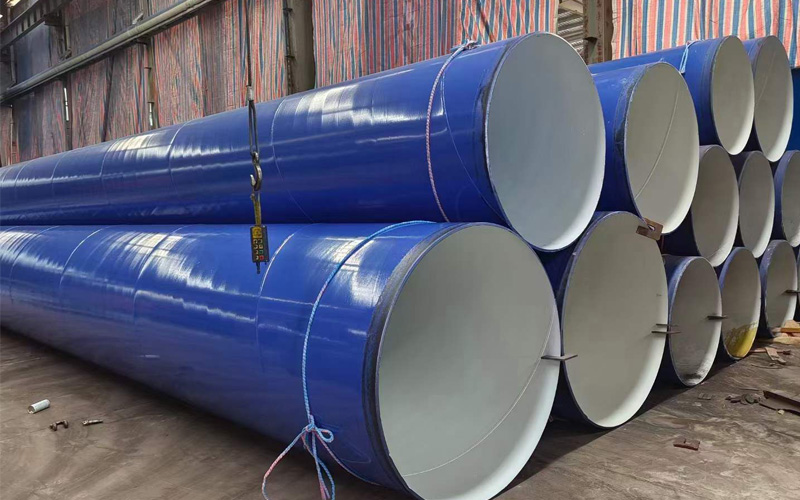
Anti-corrosion coatings are commonly applied to fire protection piping systems. Fusion bonded epoxy (FBE) is a thermosetting powder coating applied electrostatically to heated pipe surfaces. The coating then melts and cures into a continuous protective film. FBE provides strong adhesion and resistance to chemical corrosion.
FBE coated pipe can be used as both internal lining and external coating. In fire sprinkler service, FBE coatings help maintain water quality, prevent oxygen corrosion, and extend system life. Epoxy-coated steel pipes used for internal applications typically feature coating thicknesses between 400 and 600 microns. Some national standards specify thicknesses up to 550μm.
For more demanding environments, 3LPE steel pipe or 3PE anti-corrosion pipe offers enhanced protection. This three-layer system consists of an FBE primer, an adhesive layer, and a polyethylene outer layer. The polyethylene provides mechanical protection against impact, abrasion, and moisture ingress. 3pe pipeline coating is more common on buried pipelines but may be specified for underground fire mains.
Allland Pipes supplies fire sprinkler pipe with FBE, black, or galvanized coatings to suit wet, dry, and pre-action system requirements. For detailed specifications on coating options and compliance with API 5L, ISO 3183, and other international standards, visit Allland’s Standards page.
6. FAQ
Q: Can grooved pipe fittings be used on dry pipe and pre-action sprinkler systems?
A: Yes. NFPA 13 requires that grooved couplings and gaskets used on dry pipe, pre-action, and deluge systems be specifically listed for dry service. Consult the coupling manufacturer’s listing to verify suitability.
Q: What is the maximum pressure rating for grooved couplings?
A: Most grooved fire protection couplings have pressure ratings up to 300 psi (20.7 bar), depending on pipe size and wall thickness. Certain products, such as the Grinnell 579A, are rated to 365 psi.
Q: Does roll grooving weaken the pipe?
A: Roll grooving displaces pipe wall material without removing it, preserving the original wall thickness. Cut grooving removes a portion of the pipe wall to form the groove profile, which may slightly reduce wall thickness compared with roll grooving. Most fire protection specifications prefer roll grooving for this reason.
Q: Is welding stronger than grooving?
A: Welded joints provide a continuous metal-to-metal connection with no gasketed interface. For static pressure retention, both methods achieve leak-tight seals when properly installed. The choice typically hinges on installation conditions and maintenance requirements rather than strength alone.
7. Conclusion and Recommendation
Steel pipe manufacturers in China like Allland Pipes produce ASTM A53 and ASTM A795 fire sprinkler pipe suitable for both grooved and welded joining methods. The best connection method depends on project-specific variables.
Grooved pipe fittings are recommended for most commercial and industrial fire sprinkler installations where construction speed, installation safety, and future maintainability are priorities. The ability to disassemble and reconfigure sections without hot work makes grooved systems ideal for retrofit projects, occupied buildings, and facilities with strict hot work permitting requirements.
Welded pipe fittings remain appropriate for high-rise risers, fire pump room headers, underground mains, and locations where system pressure exceeds 300 psi. Projects that require absolute joint rigidity and cannot accept any gasket-based interface—such as certain industrial hazardous area classifications—may specify welded connections.
Welded connections may be used for pump room headers and vertical risers, while grooved fittings handle branch lines and floor-level distribution piping. Many projects use a hybrid approach. Welded joints are typically applied in high-stress areas, while grooved connections are used in locations where future modifications may be required.
Premium steel pipe manufacturers producing large-diameter fire mains and offering grooved-end finishing can provide integrated solutions. Allland Pipes, as an API 5L factory with UL and FM-certified fire protection pipe, supports projects worldwide with complete documentation and third-party verification.

ASTM A53 vs. API 5L: A Guide to Selection and Application
In the field of industrial piping, ASTM A53 and API 5L are two key standards that are widely used, but have very different positions. ASTM...

Introduction:Technology differences determine success or failure, and selection needs to be “precise”
In oil and gas transmission, municipal infrastructure and other major projects, the reasonable choice of steel pipe welding process directly affects the project...
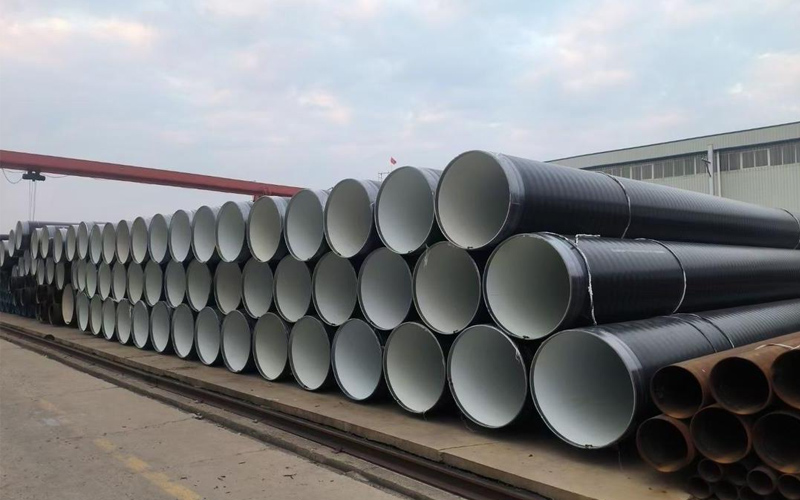
Steel Density Analysis: Core Differences between Mild and Medium Carbon Steels and Industrial Applications
The density of steel is one of the key parameters that determine its physical properties and industrial applications. Theoretical state of steel density...
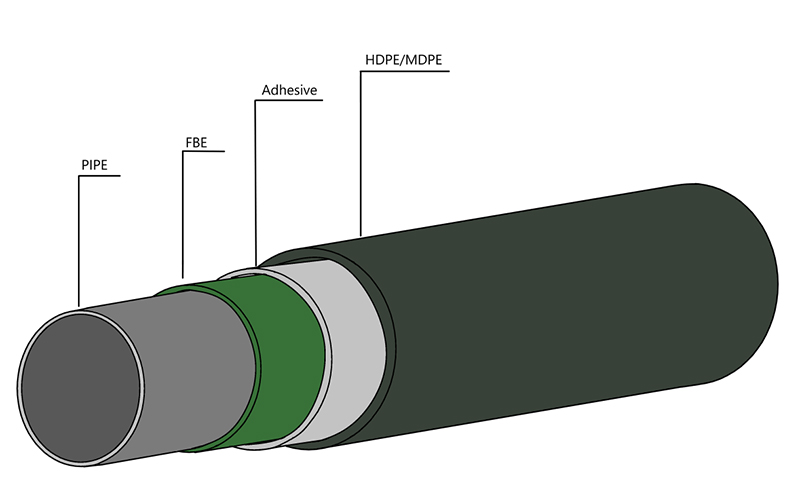
3LPE coated steel pipe: a solid barrier in the field of industrial corrosion protection
In the harsh environment of oil and gas, chemical industry, urban pipe network, etc., the long-term reliability and corrosion resistance of pipeline system...
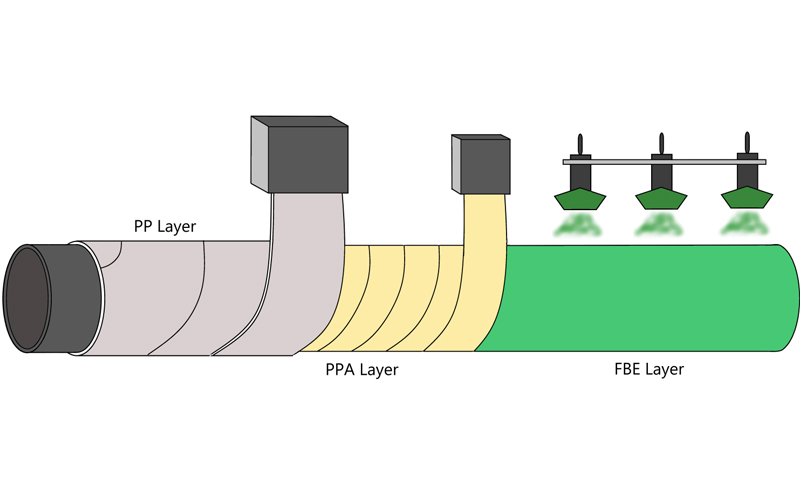
3LPP coated pipe: anti-corrosion guard in high temperature and high pressure environment
In some challenging special environments such as deep-sea oil and gas exploration and high-temperature crude oil transportation, traditional anti-corrosion coatings face significant challenges,...
FBE steel pipe: the technological armor of the steel defense line
I In the icy waters beneath the Norwegian Sea pipeline, a section of FBE Lined Carbon Steel Pipe has been in service for 25...