








1. Introduction
In industrial procurement, engineering design and pipeline installation, choosing the correct pipe size is a key step, which directly affects project safety, operational efficiency and cost control. For purchasing managers, engineers and contractors, one of the most common sources of confusion is pipeline specifications, specifically, understanding the actual meanings of terms such as “Schedule 40” and “Schedule 80”. This confusion often stems from a lack of clarity on the relationship between the schedule rating and wall thickness, and pressure ratings. In addition, differences in national standards across regions can lead to incorrect specification selection, which will lead to unnecessary cost overruns, project delays and even serious security risks. In order to solve these thorny problems, this comprehensive guide will decompose the meaning of pipe schedule, explain the standard pipe size system, and provide practical guidance on how to choose the correct steel pipe and schedule for your specific application. Whether you are purchasing pipelines for an oil and gas project, a chemical plant or a commercial building, this guide will be a valuable reference to ensure that you make informed decisions.
2. What is a Pipe Schedule?
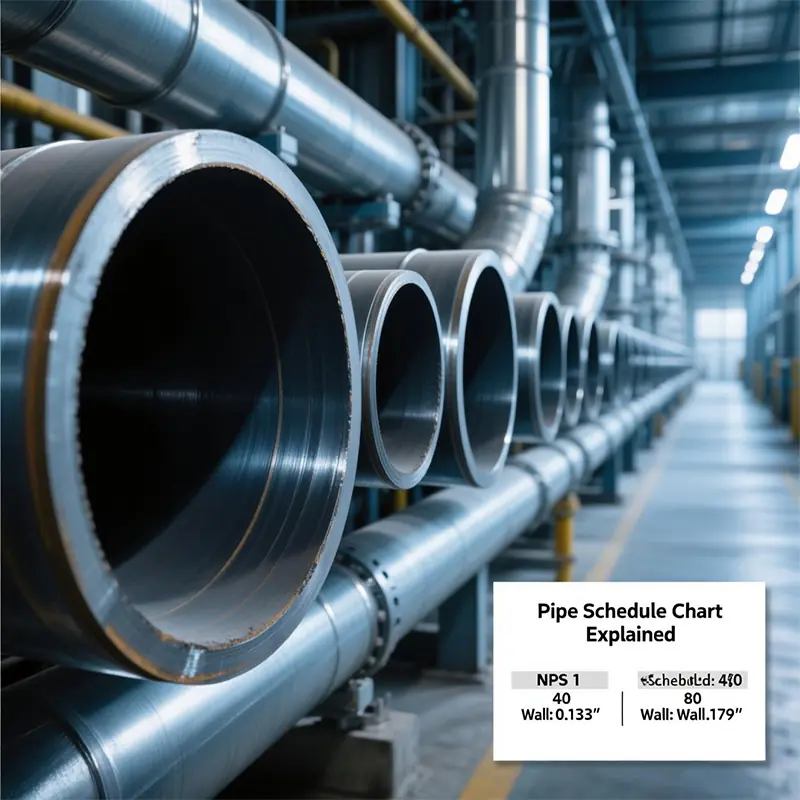
At its core, a pipe wall schedule is a standardized numbering system used to denote the wall thickness of steel pipe and other types of piping materials. Contrary to common misconception, the schedule number itself does not directly represent a specific wall thickness measurement; Instead, it is a reference value associated with a predetermined wall thickness based on the pipe’s nominal size. A key principle to remember is: the higher the schedule number, the thicker the pipe wall, and consequently, the higher the pipe’s pressure-bearing capacity. This relationship is critical for ensuring that the selected pipe can withstand the operating pressure and temperature of the intended application.
To fully understand the pipe schedule, you must be familiar with four key parameters that define pipe specifications:
- Nominal Pipe Size (NPS): This is a nominal diameter designation used in North American standards (ANSI/ASME) for reference to the pipe size. This is not an accurate measurement of the inside diameter or outside diameter of the pipeline, but a standardized label (for example, 1 inch, 2 inches, 4 inches), which helps to coordinate the specifications across manufacturers.
- Outside diameter (OD): This is the actual outside diameter of the pipe, in inches or millimeters. For a given NPS, the OD remains consistent across different schedule ratings—only the wall thickness changes.
- Wall Thickness: The thickness of the pipe wall directly affects the strength and pressure grade of the pipe. As mentioned, higher schedule numbers correspond to thicker walls.
- Rated pressure: The maximum pressure that a pipeline can safely bear at a given temperature. This is closely tied to the pipe schedule and the material of the pipe (e.g., carbon steel and stainless steel).
Two primary standards govern pipe wall schedule specifications for steel pipes.
- ASME B36.10: This standard covers carbon steel pipes, including seamless and welded carbon steel pipes for industrial use. This is the most widely used carbon steel pipe standard.
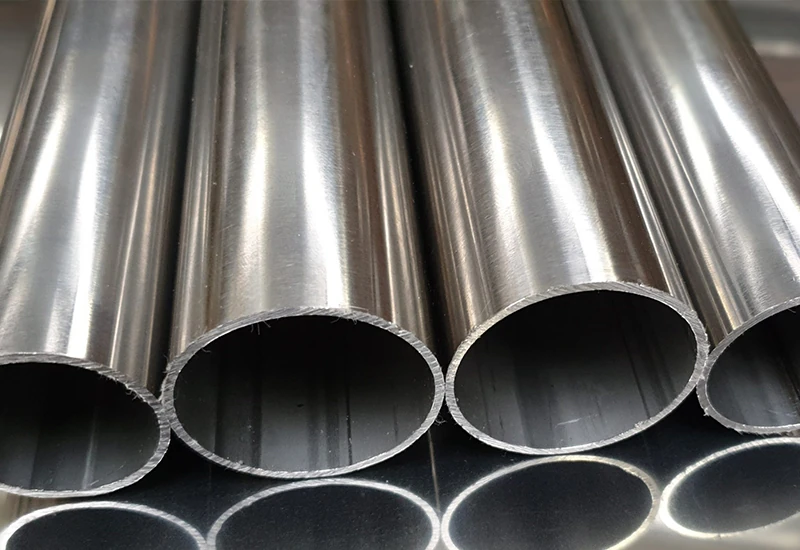
- ASME B36.19: This standard is applicable to stainless steel pipes, and outlines the planning specifications for seamless and welded stainless steel pipes.
3. Standard Pipe Schedule Chart Explained
The schedule is an intuitive reference tool, which organizes key pipe specifications (including NPS, OD, wall thickness and pressure grade) into an easy-to-read format. Understanding how to read a schedule chart is essential for anyone involved in pipe procurement or installation, as it allows you to quickly cross-reference specifications and select the right pipe for your needs.
One of the most important things to note when reading the chart is the relationship between NPS and OD. For NPS 1/8 “to NPS 12″, the outside diameter is slightly larger than the nominal size (e.g., The outer diameter of NPS 1″is 1.315 inches. For NPS 14” and above, the outer diameter is equal to the nominal size (e.g., The outer diameter of NPS 14 inch is 14 inches). The consistency of outer diameter means that accessories (such as Elbows, flanges) can be used across different schedule ratings for the same NPS, as the OD remains the same—only the inner diameter (ID) changes with wall thickness.
The most common pipe schedule numbers used in industrial applications are 10, 20, 40, 80, and 160. The following are their major differences:
- Schedule 10: The thinnest wall thickness in the standard table is usually used in low pressure applications where weight and cost are the main considerations (for example, Some water supply pipelines and non-critical industrial pipelines).
- Schedule 20: Slightly thicker than Schedule 10, suitable for medium and low pressure applications with medium flow velocity.
- Schedule 40: The most widely used pipe wall schedule for steel pipe, offering a balance of strength, weight, and cost. It is suitable for most medium-pressure applications (e.g., water distribution and general industrial pipelines).
- Schedule 80: Thicker than Schedule 40, for high-pressure applications (e.g., Oil and gas pipelines, chemical processing plants) where durability and pressure resistance are critical.
- Schedule 160: Thick-walled heavy-duty class, used in extreme high pressure and high temperature applications (for example, High-pressure steam pipeline, offshore oil drilling platform.
It’s important to note that schedule specifications vary by material. For example, the wall thickness of Schedule 40 carbon steel pipe is different from that of Schedule 40 stainless steel pipe, because the strength and corrosion resistance of the material will affect the thickness required to reach the same rated pressure.
The following table provides a practical reference for the specification of common steel pipes based on ASME B36.10 standards (all measurements units are inches):
| NPS | Schedule 40 Wall Thickness | Schedule 80 Wall Thickness | Outer Diameter (OD) | Typical Applications |
| 1″ | 0.133 | 0.179 | 1.315 | Fluid transmission, light industrial use |
| 2″ | 0.154 | 0.218 | 2.375 | Structural applications, industrial piping systems |
| 4″ | 0.237 | 0.337 | 4.500 | High-pressure fluid lines, oil and gas distribution |
| 6″ | 0.280 | 0.432 | 6.625 | Chemical processing, large-scale water transmission |
| 8″ | 0.322 | 0.500 | 8.625 | Oil and gas pipelines, heavy industrial use |
4. Carbon Steel Pipe Schedule Chart
For procurement professionals who focus on carbon steel pipe, the special carbon steel pipe schedule is a very valuable tool. Carbon steel is one of the most widely used materials for industrial pipelines, because of its extraordinary strength, durability and cost-effectiveness, making it ideal material for various applications. The carbon steel pipe schedule chart is tailored to the specific properties of carbon steel, ensuring that the wall thickness and pressure ratings align with the material’s capabilities.
Common carbon steel materials used in industrial pipe manufacturing, and their corresponding schedule specifications, include.
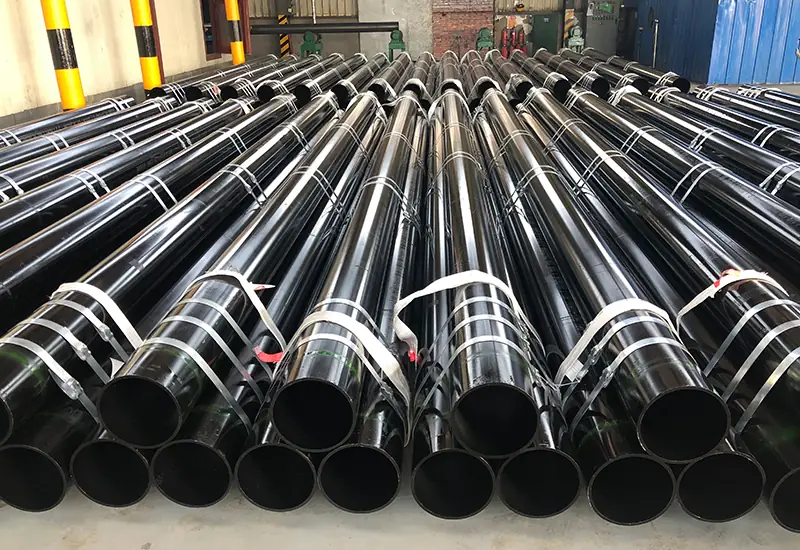
- ASTM A106: A standard for seamless carbon steel pipes, designed for high temperature environment (up to 750 ℉). It is usually used in power plants, oil refineries and other industrial applications with high temperature and high pressure. ASTM A106 pipes can be obtained from Schedule 10 to Schedule 160.
- ASTM A53: A standard for Welded and Seamless Carbon Steel Pipe, suitable for pressure and non-pressure applications. It is usually used in water, gas and steam pipes, and is the most common option in Schedule 40 and Schedule 80.
- API 5L: A standard of pipeline for oil and gas transportation. API 5L carbon steel pipes are designed to withstand high pressure and harsh environmental conditions, with pipe wall schedule options ranging from Schedule 10 to Schedule 160, depending on the application’s pressure requirements.
Carbon steel pipe provides several key advantages, which makes it the first choice for industrial applications: high tensile strength, good ductility, impact resistance and a lower cost compared to stainless steel or other alloy pipes. These characteristics make carbon steel pipe an ideal choice for high pressure transmission systems, oil and gas pipelines, building structures and industrial process pipeline. When using a carbon steel pipe schedule, it’s important to ensure that the selected schedule is consistent with the characteristics of material and the operating conditions of application, so as to maximize performance and life.
5. Schedule 40 and Schedule 80: Key Differences
Among all schedule options, Schedule 40 and Schedule 80 are the most commonly used for steel pipe applications. Knowing the main differences between the two plans is very important for choosing the right pipeline for your project, because they are quite different in thickness, weight, pressure bearing capacity and cost. The following is a detailed comparison to help you make an informed decision:
| Features | Schedule 40 | Schedule 80 |
| Wall Thickness | Thinner wall; e.g., 0.133″ for NPS 1″, 0.237″ for NPS 4″ | Thicker wall; e.g., 0.179″ for NPS 1″, 0.337″ for NPS 4″ |
| Pressure Rating | Moderate; suitable for medium-pressure applications, typically up to 1,000 PSI depending on size and material | High; designed for high-pressure applications, typically up to 1,500 PSI or higher depending on size and material |
| Weight | Lighter weight, making it easier to handle and install | Heavier weight, requiring more labor and equipment for installation |
| Cost | Lower material and installation costs, making it the most cost-effective option for most applications | Higher material and installation costs due to thicker walls and increased weight |
| Typical Uses | Water supply and drainage, residential and commercial plumbing, low to medium-pressure industrial piping | High-pressure industrial applications, oil and gas pipelines, chemical processing, fire protection systems |
A common mistake in steel pipe procurement is selecting a Schedule 80 pipe when a Schedule 40 pipe would be sufficient, which leads to unnecessary cost increases. On the contrary, using a Schedule 40 pipeline in a high-pressure application can lead to pipeline failure and safety risks. The key is to match the selected schedule to the application’s pressure requirements, fluid type, and operating environment.
6. How to Choose the Right Pipe Schedule?
Selecting the right schedule for your steel pipe is a decision that requires careful consideration of several factors, including pressure requirements, fluid type, temperature, standards compliance, and cost. The following is a step-by-step guide to help purchasing managers and engineers make correct choice.
- Determine the Operating Pressure: The most critical factor in selecting a pipe wall schedule is the maximum operating pressure of the system. Refer to the pipe schedule chart to find the schedule that can safely withstand the required pressure. Such as a low pressure systems (e.g., residential pipes) usually use Schedule 40, while high pressure systems (such as oil and natural gas pipelines) need Schedule 80 or higher.
- Consider the Fluid Type: The type of fluid being transported also influences the schedule selection. Corrosive liquid (for example, chemicals) may need thicker walls (higher planning) to take into account the corrosion that may occur over time. Grinding fluids (e.g., slurries) may also require thicker walls to prevent wear.
- Evaluate the Temperature Environment: High temperatures can reduce the strength of steel pipe, so it’s important to choose the schedule considering the operating temperature. Used in high temperature applications (e.g. steam pipeline), a higher progress may be needed to maintain structural integrity.
- Ensure Standards Compliance: Always verify that the selected pipe schedule and steel pipe material comply with relevant industry standards (e.g., ASME B36.10, ASTM A106, API 5L). Compliance ensures that pipes meet the quality and safety requirements for your application.
- Balance Cost and Longevity: While higher schedule pipes offer greater strength and durability, they also come with higher costs. Assess the long-term costs of maintenance and replacement and the upfront cost of higher-schedule pipelines. In many cases, investing in higher-schedule pipelines for key applications can reduce long-term costs by minimizing downtime and maintenance.
For most projects, the following general principles apply.
- Low pressure applications (≤ 500 PSI): Schedule 40 steel pipe is usually enough.
- Medium pressure applications (500–1,000 PSI): Schedule 80 steel pipe is recommended.
- High-pressure applications (> 1,000 PSI): Schedule 160 or higher pipe schedule is required.
7. Applications of Different Pipe Schedules
The versatility of steel pipe and pipe schedule options makes them suitable for a wide range of industrial, commercial, and residential applications. Below are some common applications for different schedule ratings, highlighting how the schedule selection aligns with the application’s requirements.
- Oil&Gas Pipelines: These applications require high-pressure resistance and durability, making Schedule 80 and Schedule 160 carbon steel pipe the preferred choice. API 5L pipes with these specifications are usually used for oil and gas transportation on land and offshore because they can withstand harsh environmental conditions and high operating pressures.
- Chemical Processing Plants: Chemical processing plants deal with corrosive and high-pressure fluids, so Schedule 80 stainless steel or carbon steel pipe are often used. The thicker walls of Schedule 80 pipes provide additional corrosion and pressure protection and pressure protection to ensure safe operation.
- Water Transmission Systems: For municipal water supply and large-scale water transmission, Schedule 40 carbon steel pipe is the most common choice. It provides a balance of strength and cost-effectiveness, making it suitable for low-to medium-pressure water pipes.
- Structural steel Applications: Steel pipes are usually used in structural applications (such as. Building frames, bridges and scaffolding). Schedule 40 and Schedule 20 pipes are usually used here, because they provide enough strength, while keeping weight and cost controllable.
- Fire Protection Systems: Fire sprinkler systems and fire mains require pipes that can withstand high pressure and temperature. Schedule 80 carbon steel pipe is usually used for these applications, because it can withstand the pressure of fire extinguishing systems and resist the thermal damage.
- Residential and commercial plumbing: For indoor plumbing systems (e.g., Water supply, drainage), using Schedule 40 steel pipe or PVC pipe (using similar Schedule principles). It has low cost and is suitable for low pressure requirements of these applications.
In all these applications, the correct pipe wall schedule selection is critical to ensuring the system’s safety, efficiency, and longevity. By matching the pipe schedule to the application’s specific requirements, you can avoid costly mistakes and ensure optimal performance.
8. Conclusions
A pipe schedule chart is an essential tool for anyone involved in steel pipe procurement, engineering design, or pipeline installation. It provides a standardized reference for understanding pipe wall thickness, pressure grade and size, which helps to eliminate confusion and ensure correct selection of specifications. By understanding what a schedule is, how to read a schedule chart, and the key differences between common schedules (such as Schedule 40 and Schedule 80), you can make informed decisions that align with your project’s requirements, budget, and safety standards.
Selecting the right schedule and pipe material is not just about meeting technical requirements—it’s about ensuring the long-term success of your project. Whether you’re working on a small commercial plumbing project or a large-scale oil and gas pipeline, taking the time to understand schedule specifications will help you avoid cost overruns, project delays, and safety hazards.Looking for reliable industrial pipes with accurate size and meeting international standards? Contact us to get professional supply solutions and technical support. Our team of experts can help you select the right pipe schedule and steel pipe for your specific application, ensuring compliance with industry standards and optimal performance. Let’s be your reliable partner and meet all your pipe needs.

ASTM A53 vs. API 5L: A Guide to Selection and Application
In the field of industrial piping, ASTM A53 and API 5L are two key standards that are widely used, but have very different positions. ASTM...

Introduction:Technology differences determine success or failure, and selection needs to be “precise”
In oil and gas transmission, municipal infrastructure and other major projects, the reasonable choice of steel pipe welding process directly affects the project...
Steel Density Analysis: Core Differences between Mild and Medium Carbon Steels and Industrial Applications
The density of steel is one of the key parameters that determine its physical properties and industrial applications. Theoretical state of steel density...
3LPE coated steel pipe: a solid barrier in the field of industrial corrosion protection
In the harsh environment of oil and gas, chemical industry, urban pipe network, etc., the long-term reliability and corrosion resistance of pipeline system...
3LPP coated pipe: anti-corrosion guard in high temperature and high pressure environment
In some challenging special environments such as deep-sea oil and gas exploration and high-temperature crude oil transportation, traditional anti-corrosion coatings face significant challenges,...
FBE steel pipe: the technological armor of the steel defense line
I In the icy waters beneath the Norwegian Sea pipeline, a section of FBE Lined Carbon Steel Pipe has been in service for 25...