






Introduction
In any building, whether it’s a bustling commercial shopping center, a high-rise office building or a quiet residential area, the fire sprinkler system is an important “lifeline” to protect the safety of lives and property. The core of this life-saving system lies the fire sprinkler steel pipe, which is the key carrier responsible for transporting water or extinguishing agents to spray heads in case of fire. To fulfill its vital role, this pipe must be capable of withstanding high pressure during fire emergencies and resisting corrosion over long-term use. It is not a simple decision to choose suitable steel pipe for automatic sprinkler system; It has a direct bearing on the reliability of the whole fire fighting system and the safety of everyone in the building. This guide will deeply discuss the basic standards, specifications and main considerations for selecting fire sprinkler pipes, so as to help you make a wise and compliant selection.
Key criteria: ASTM A795 versus A53
When selecting fire sprinkler steel pipes , it is not negotiable to observe recognized industry standards. Two most frequently cited standards are ASTM A795 and ASTM A53, each of which has its own unique features and applications, and is suitable for different fire fighting needs.
ASTM A795 is a standard specially designed for fire sprinkler systems. It defines the requirements for electric-resistance welded and seamless steel pipes intended for use in fire protection applications. According to the standard, ASTM A795 pipes are available in two main types: Type E (electric-resistance welded) and Type S (seamless). The standard puts forward strict requirements on the chemical composition, mechanical properties and dimensional accuracy of the pipeline to ensure its reliable operation under high pressure conditions of fire sprinkler systems.
ASTM A53, on the other hand, is a general-purpose steel pipe standard that covers seamless and welded black and hot-dipped galvanized steel pipes. Although it is widely used in fire sprinkler systems because of its versatility and availability, it is not as professional as ASTM A795. ASTM A53 pipeline is suitable for a series of applications other than fire protection, such as water distribution and gas transmission. When used in fire sprinkler systems, ASTM A53 pipes must meet additional requirements to ensure their compatibility with the pressure and performance requirements of the system.
Allland is a reliable steel pipe manufacturer for fire sprinkler systems, and has the ability to produce steel pipes meeting ASTM A795 and ASTM A53 standards. This flexibility allows Allland to meet the different needs of different projects, whether it’s a large-scale commercial development project requiring special ASTM A795 pipeline or a residential project using ASTM A53 pipeline.
Schedules of pipelines: Schedule 10 and Schedule 40
Pipeline grade refers to the wall thickness of the pipeline, which directly affects the pressure bearing capacity, weight and cost of the pipeline. For fire sprinkler steel pipe, two most commonly used schedules are Schedule 10 and Schedule 40 for sprinkler steel pipe.
The characteristic of Schedule 40 sprinkler pipe is its standard wall thickness, which makes it heavier and stronger than Schedule 10 sprinkler pipes. It has a higher pressure bearing capacity, making it an ideal choice for the main lines of fire sprinkler systems. Main pipeline is responsible for conveying a large amount of high-pressure water from the water source to the water distribution pipeline, so the reliability and strength of Schedule 40 sprinkler pipe are very important to ensure the overall performance of the system. According to data of National Fire Protection Association (NFPA), Schedule 40 sprinkler pipe is the most widely used pipe in commercial and industrial fire sprinkler systems, because it has superior compression resistance (Source: NFPA 13 sprinkler system installation standard).
In contrast, Schedule 10 pipeline is thinner, lighter and more cost-effective. They are typically used for branch lines in fire sprinkler systems, which distribute water from the main lines to the individual sprinkler heads. Compared with the main pipeline, the branch pipeline runs at lower pressures, so the Schedule 10 pipeline with thinner wall thickness is enough to meet its intended use. It’s important to note that Schedule 10 pipes is usually used with grooved connectors. Grooved connections is easier and faster to install than welding, which is helpful to reduce construction time and costs, especially in time-critical projects.
Coatings and Ends: red versus zinc plating
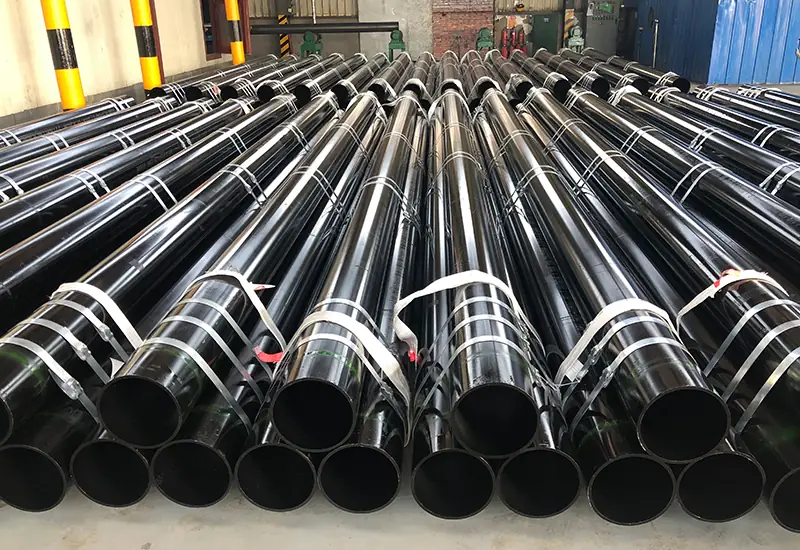
The coating of fire sprinkler steel pipe plays an important role in protecting the pipe from corrosion, which can endanger the structural integrity and service life of the pipe. The two most common coating types for fire sprinkler steel pipes are red paint (epoxy resin) and hot dip galvanized. The following table compares the two types of coatings in terms of corrosion resistance, typical applications and cost.
| Coating Type | Corrosion Resistance | Typical Application | Cost |
| Red Painted (Epoxy) | Standard | Indoor Wet Systems (Hotels, Offices, Shopping Malls) | Low |
| Hot Dip Galvanized | High | Outdoor / Dry Systems (Parking Lots, Industrial Plants, Open-Air Structures) | High |
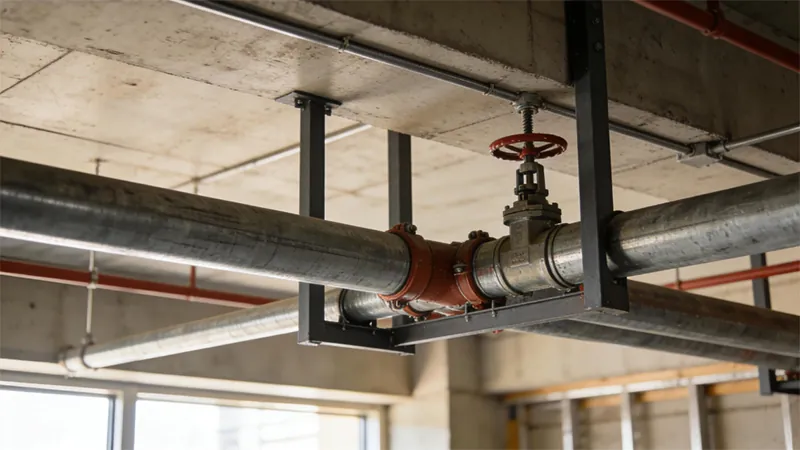
Red painted (epoxy) coating is a cost-effective option that provides basic corrosion protection for indoor wet systems. Wet systems is always full of water, so the risk of corrosion is relatively low compared to outdoor or dry systems. Red paint can also be used as a visual indicator, which is convenient for identifying fire sprinkler steel pipe in complex building pipe networks.
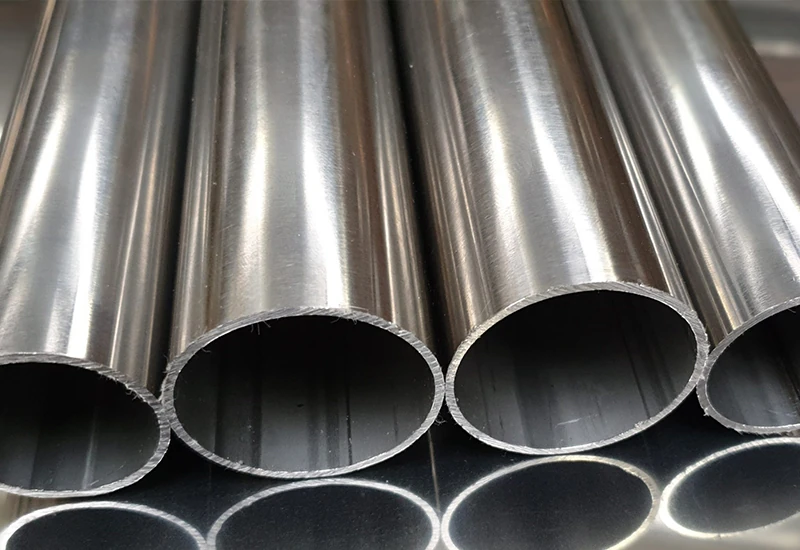
The hot-dip galvanized coating has excellent corrosion resistance, making it suitable for outdoor or drying systems. Dry systems are filled with compressed air, and water is added only when a fire is detected, which increases the risk of corrosion. Outdoor pipes are exposed to harsh weather conditions, such as rain, snow, and extreme temperatures, so the high corrosion resistance of hot dip galvanized coating is essential to ensure the pipe’s longevity.
Why UL and FM Certification Matters?
For fire sprinkler steel pipe, UL (Underwriter’s Laboratory) and FM (Factory Mutual) certification are not only optional certificates, but also important indicators of the safety and reliability of steel pipes. Fire fighting is a serious matter, and using unapproved pipes can have serious consequences.
UL and FM are leading global safety certification organizations, which strictly test and evaluate fire protection products. In order to obtain UL or FM certification, steel pipe used in automatic sprinkler systems must undergo a series of tests, including pressure tests, corrosion tests and compatibility tests with other components of automatic sprinkler system. These tests ensure that the pipeline meets the highest safety standards and can operate reliably in real fire emergencies.
One of the most important consequences of using non-certified pipeline is the refusal of insurance. Insurance companies require buildings to install fire prevention systems, which use certified components to reduce the risk of fire-related losses. If the fire sprinkler system of a building uses uncertified fire sprinkler steel pipe, insurance companies may refuse to underwrite or charge significantly higher premium. Additionally, fire departments will not approve the acceptance of fire sprinkler systems that use non-certified pipes, which can delay the completion and occupancy of the building.
Allland’s fire sprinkler steel pipe products meet the requirements of UL and FM certification. This ensures that Allland pipelines meet the strictest safety standards, and assures building owners, contractors and insurance companies that the fire sprinkler system is reliable and effective.
Summary
The choice of fire sprinkler steel pipe is a decision that directly affects the safety of lives and property. Priority must be given to meeting recognized standards, such as ASTM A795 (for special fire protection needs), and factors such as Pipe Schedule (the preferred Schedule for main pipelines is Schedule 40) and coating type (environment and corrosion risk based on the system) should be considered. Most importantly, always choose the fire sprinkler systems steel pipes with UL and FM certification marks, because these certifications guarantee the safety and reliability of the pipeline.
Allland is committed to the production of high-quality fire sprinkler steel pipes that meet the requirements, ensuring that your fire protection system is equipped with the best components. By making wise choices according to the standards and considerations outlined in this guide, you can build a fire sprinkler system to provide reliable protection for the next few years.
Common problems of fire sprinkler pipes
Q : Why is the sprinkler painted red?
A : Sprinkler pipes are painted red to facilitate quick identification as fire-specific pipes in complex building pipe networks. This visual difference helps firefighters, maintenance personnel and contractors to easily locate the components of the fire sprinkler system in emergencies or maintenance.
Q : Can I use the fire sprinkler of PVC pipes?
A : Yes, PVC pipes (such as CPVC) can be used for fire sprinklers, but they are only allowed to be used in residential environments with slight hazards. Industrial and commercial buildings have high fire risk, and require high pressure and durability. Fire sprinkler steel pipe that meet NFPA and local fire regulations must be used.
Q : What is Grooved end?
A : the Grooved end is a kind of pipe end, and a slot is pressed out on the pipe wall. This groove allows the pipe to be connected using a coupling (clamp) which is tightened around the groove to form a firm seal. The installation speed of groove connections is faster than that of welding (usually three times faster), and it is easy to disassemble for maintenance or repairs, which makes it a popular choice for Schedule 10 steel pipe used in fire sprinkler systems.

ASTM A53 vs. API 5L: A Guide to Selection and Application
In the field of industrial piping, ASTM A53 and API 5L are two key standards that are widely used, but have very different positions. ASTM...

Introduction:Technology differences determine success or failure, and selection needs to be “precise”
In oil and gas transmission, municipal infrastructure and other major projects, the reasonable choice of steel pipe welding process directly affects the project...
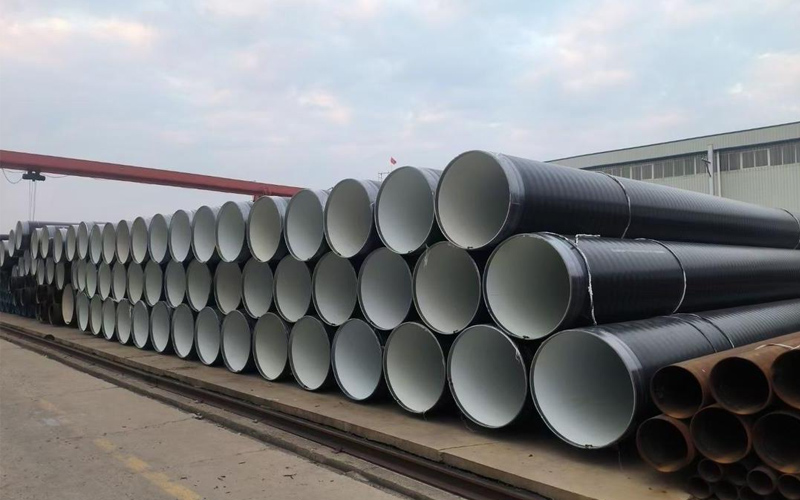
Steel Density Analysis: Core Differences between Mild and Medium Carbon Steels and Industrial Applications
The density of steel is one of the key parameters that determine its physical properties and industrial applications. Theoretical state of steel density...
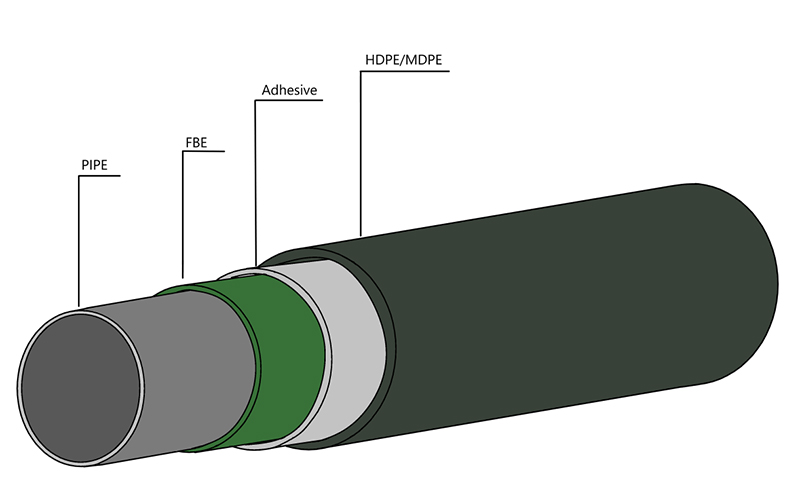
3LPE coated steel pipe: a solid barrier in the field of industrial corrosion protection
In the harsh environment of oil and gas, chemical industry, urban pipe network, etc., the long-term reliability and corrosion resistance of pipeline system...
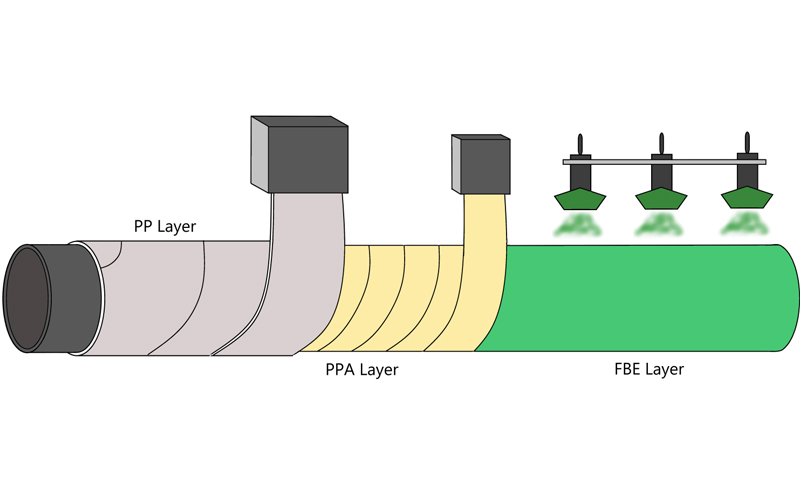
3LPP coated pipe: anti-corrosion guard in high temperature and high pressure environment
In some challenging special environments such as deep-sea oil and gas exploration and high-temperature crude oil transportation, traditional anti-corrosion coatings face significant challenges,...
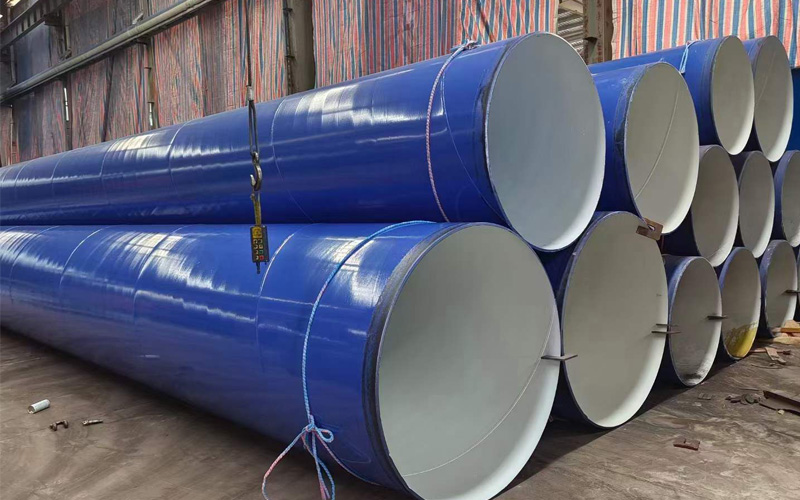
FBE steel pipe: the technological armor of the steel defense line
I In the icy waters beneath the Norwegian Sea pipeline, a section of FBE Lined Carbon Steel Pipe has been in service for 25...