






Brief introduction
Water conservancy infrastructure projects in Australia and New Zealand have the strictest requirements for pipeline quality in the world. Balancing compliance and cost efficiency is a continuous challenge for contractors. How do you ensure that the pipelines used in the projects meet the strict AS/NZS 1579 standard while avoiding the high costs associated with local suppliers? The best solution is to purchase steel pipes conforming to as/NZS 1579 from China. China manufacturers, especially reputable steel pipes suppliers such as Allland, have mastered the production of high-quality steel pipes customized according to Australian and New Zealand standards, providing a cost-effective alternative without affecting quality or compliance.
Understanding the specifications: grade and size
The choice of material grade and manufacturing process is very important to ensure the performance and service life of steel pipes meeting AS/NZS 1579 standards. The basic material of these pipes usually use steel grades conforming to AS 1594 standards, especially HA 250, HA 300 or HA 350. These steel grades have been selected for their excellent tensile strength, ductility and corrosion resistance, making them ideal choices for the harsh environmental conditions and high pressure requirements of water conservancy infrastructure projects in Australia and New Zealand.
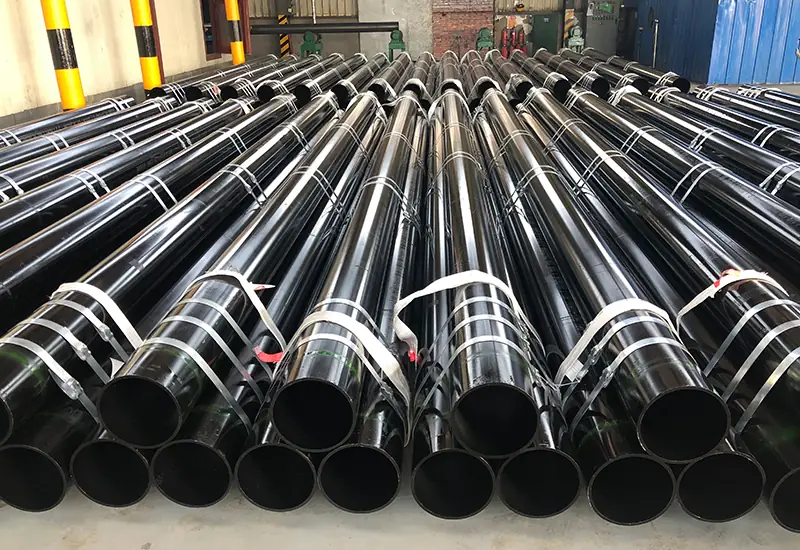
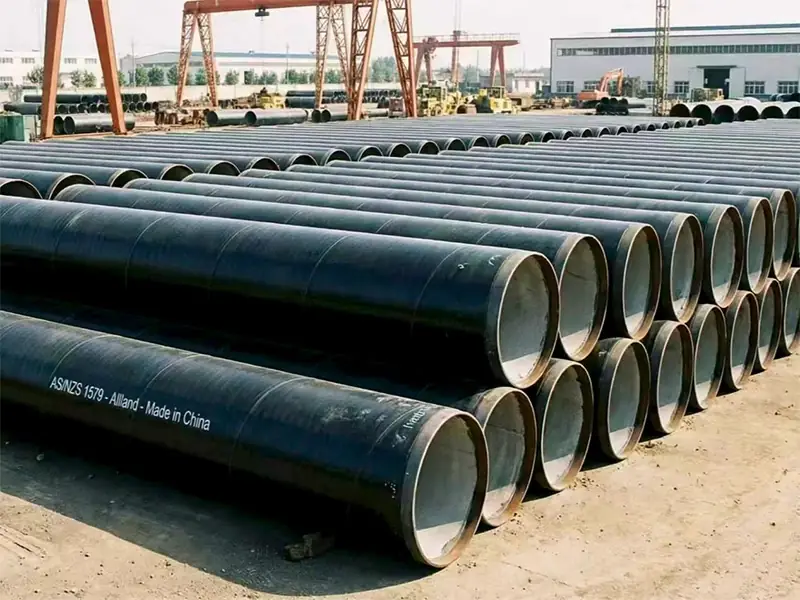
In terms of manufacturing technology, two main technologies that fully meet the requirements of AS/NZS 1579 arc welding are adopted in Allland: LSAW pipe and SSAW pipe. The longitudinal submerged arc welded pipe is made by bending a single steel plate into a cylinder and welding the longitudinal seam, which provides excellent strength in the axial direction, making it suitable for high pressure applications. On the other hand, SSAW pipe is made of spiral welding steel belt, which has excellent flexibility in pipe diameter and length, and is very effective for large-scale main water pipe projects. These two processes are strictly controlled to ensure that the welding is defect-free and meet the mechanical performance requirements of AS/NZS 1579.
In terms of size, AS/NZS 1579 steel pipes covers various sizes to meet the needs of different project. The outside diameter, wall thickness and length are all made in strict accordance with metric standards, and the common diameters ranging from DN 100 to DN 2000. Design the wall thickness according to the working pressure and application environment to ensure that the pipeline can withstand the required internal pressure without deformation or failure.
Key Coatings: The Substitute of “Sintakote”
Coating is a crucial factor in extending the service life of steel pipes, especially in the corrosive environments commonly found in Australian and New Zealand water projects. At present, the local market is dominated by the monopolistic Sintakote brand, which is often marked with high price. However, Allland provides high-performance coating solutions that meet or exceed the Australian standards /NZS standards, providing a cost-effective alternative to Sintakote.
For the internal coating, cement mortar lining (CML) is used in Alllands in strict accordance with AS 1281 standards. This kind of lining effectively prevents internal corrosion caused by water flow and chemicals in the water, and also improving the smoothness of the inside of the pipeline to enhance the efficiency of water flow. The CML lining shall be applied uniformly, and its thickness shall meet the requirements of AS 1281, so as to ensure the long-term protection for the pipeline.
On the external side, Allland provides two main coating options: Fusion Bonded Polyethylene (FBPE) and 3 LPE (Three-Layer Polyethylene), both of which fully comply with AS 4321 standards. These coatings form a strong and lasting barrier against external corrosive factors such as soil moisture, chemicals and ultraviolet radiation. The performance of Allland exterior coatings can be compared with that of Sintakote, including excellent adhesion, impact resistance and chemical resistance. However, due to the cost advantages of steel pipes manufacturers in China, the coated pipes of Allland are more cost-effective than the products of Sintakote brand, which helps the contractors to reduce project costs without sacrificing coating quality.
Bonding Connections: RRJ and welding (cost analysis)
The selection of connection mode of AS/NZS 1579 steel pipes joints directly affects the efficiency of engineering installation, labor costs and long-term performance. Two common connection methods are RRJ (rubber ring joint) and welded joint, each of which has its own advantages and applicable occasions. The following is a detailed cost and performance analysis of these two types of connection.
| Type of contact | Mounting Speed | The required skill | Cost Efficiency. | Typical usage |
| RRJ (Slip-on) | Very Fast | Low | High | Water Mains |
| Butt Weld | Slow | High (Certified Welder) | Low | High Pressure pipeline |
RRJ (Rubber Ring Joint) adopts socket expansion technology, and a rubber ring is placed in the socket end of the pipeline and inserted into the socket end of the adjacent pipeline to form a sealed connection. The installation speed of this method is very fast, it only needs few skill of construction workers, and it is very cost-effective, so it is very suitable for long-distance water main pipeline projects where speed and cost control are crucial.
On the other hand, welding joints involves butt welding the ends of two pipes together. This connection method provides a permanent high-strength seal, which can withstand high pressure, making it suitable for high-pressure pumping stations and other applications where pressure resistance is the most important thing. However, the welding joint needs qualified welders to operate, so compared with RRJ, the installation speeds is slow and the cost efficiency is low.
How to Source Compliant Pipes from China?
When Australian and New Zealand contractors purchase steel pipes from China, one of their biggest concerns is to ensure compliance and quality. In order to solve this trust problem, Allland has established a set of strict quality control (QC) processes, covering every stage of production, to ensure that all pipelines conform to AS/NZS 1579 standards.
1. Raw Material Control: Only the pipeline that has passed the hydrostatic test is allowed to enter the next production stage. These raw materials have been carefully inspected and tested to ensure that they meet the requirements of chemical composition and mechanical property of AS 1594 HA 250, HA 300 and HA 350 grades. Every batch of raw materials has a complete quality certificate for traceability.
2. Hydrostatic test: AS/NZS 1579 steel pipe produced on Allland have been subjected to 100% hydrostatic test. The pipeline is filled with water and bears a pressure higher than the designed working pressure for a specified time to check whether there is leakage, deformation or other defects. Only pipelines that pass the hydrostatic test are allowed to enter the next production stage.
3. Third-party supervision: Allland are supported by third-party inspection and supervision conducted by internationally renowned certification bodies such as SGS, TUV and Lloyd’s. Customers can arrange a third-party inspectors to visit the factory, supervise the production process, conduct on-site tests and verify the quality of the pipeline. This third-party certification provides an additional protection for customers, ensuring that the pipeline meets the required standards.
4. Post-Production Inspection: Before shipment, all pipes undergo a final inspection, including checks on dimensions, coating thickness, surface quality, and packaging. This ensures that the pipes are in perfect condition when they arrive at the client’s project site.
Summary
When purchasing AS/NZS 1579 steel pipes for water conservancy infrastructure projects in Australia and New Zealand, there is no need to pay the high premium related to local suppliers. Allland is a reliable supplier of steel pipes in China, providing high-quality steel pipes in full compliance with standards, including longitudinal submerged arc welded pipes and SSAW steel pipes, and meeting all the requirements of AS/NZS 1579. With strict quality control procedures, cost-effective coating solutions and flexible joint connection options, Allland provides contractors with a reliable and cost-effective alternative to local brands and monopoly brands.
By choosing Allland as your steel pipes supplier, you can ensure compliance with Australian and New Zealand standards and greatly reduce the project costs. Whether you need a long-distance water main pipe or high-pressure pumping stations pipe, Allland can provide a tailor-made solutions to meet your specific project requirements. Sourcing from China has never been more reliable or cost-effective—partner with Allland today to bring your water infrastructure projects to success.
Frequently asked questions about AS/NZS 1579 pipeline
Q 1: Can you manufacture metric size pipes according to AS 1579?
A 1: Yes, we produce pipes strictly according to metric DN sizes, such as DN 500 and DN 1200, which fully meet the size requirements of as/NZS 1579.
Q 2: What is the standard length?
A 2: The standard lengths is usually 6 meters, 12 meters, or the effective length of 13.4 meters commonly used in Australia.
Q 3: Does your coating meet the requirements for drinking water?
A 3: Yes, our inner lining and outer coating meet AS/NZS 4020 drinking water contact standard, which ensures the safety and quality of drinking water.

ASTM A53 vs. API 5L: A Guide to Selection and Application
In the field of industrial piping, ASTM A53 and API 5L are two key standards that are widely used, but have very different positions. ASTM...

Introduction:Technology differences determine success or failure, and selection needs to be “precise”
In oil and gas transmission, municipal infrastructure and other major projects, the reasonable choice of steel pipe welding process directly affects the project...
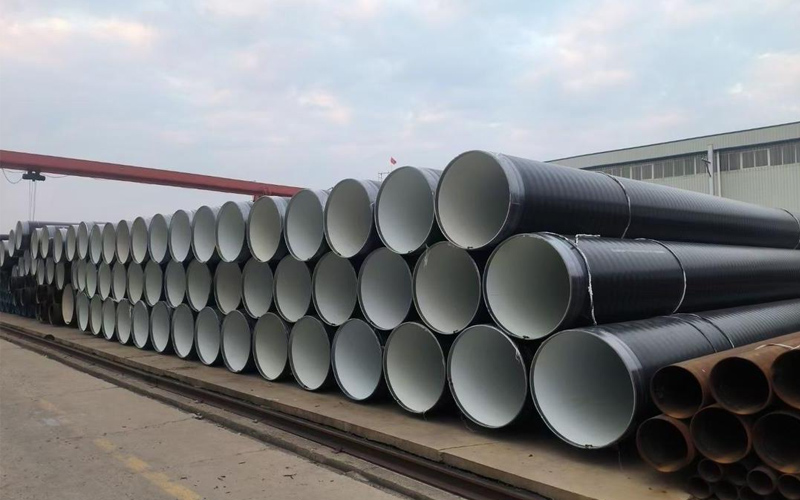
Steel Density Analysis: Core Differences between Mild and Medium Carbon Steels and Industrial Applications
The density of steel is one of the key parameters that determine its physical properties and industrial applications. Theoretical state of steel density...
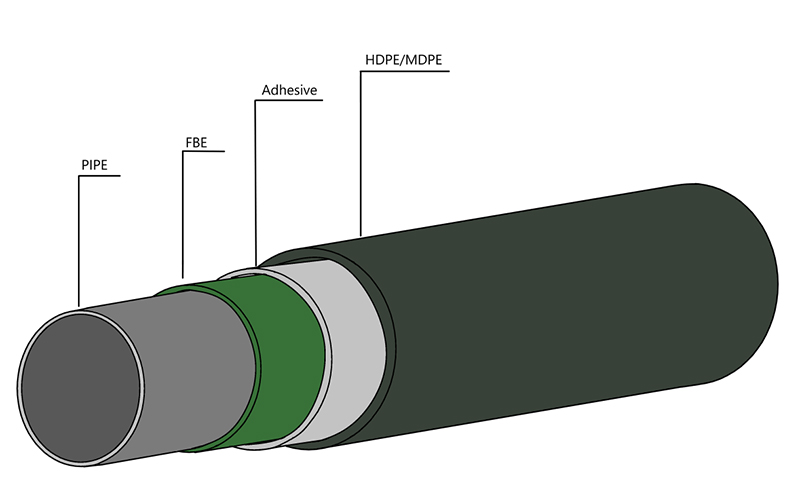
3LPE coated steel pipe: a solid barrier in the field of industrial corrosion protection
In the harsh environment of oil and gas, chemical industry, urban pipe network, etc., the long-term reliability and corrosion resistance of pipeline system...
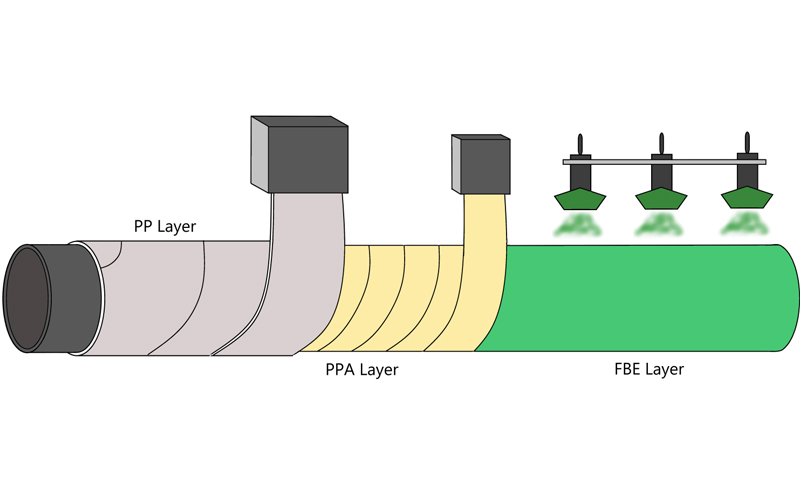
3LPP coated pipe: anti-corrosion guard in high temperature and high pressure environment
In some challenging special environments such as deep-sea oil and gas exploration and high-temperature crude oil transportation, traditional anti-corrosion coatings face significant challenges,...
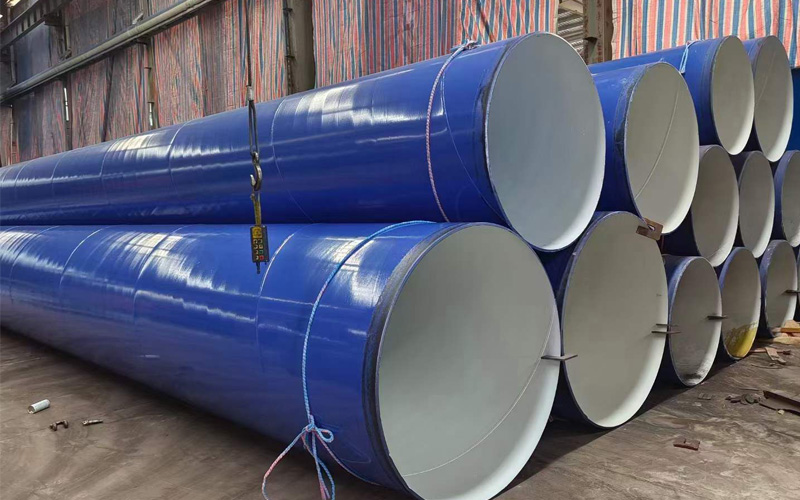
FBE steel pipe: the technological armor of the steel defense line
I In the icy waters beneath the Norwegian Sea pipeline, a section of FBE Lined Carbon Steel Pipe has been in service for 25...