








Introducción
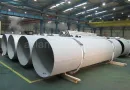
Como ingeniero municipal o responsable de compras de proyectos, una de las dificultades más habituales es adquirir tuberías de gran diámetro para proyectos de transporte de agua a gran escala o de pilotaje con un presupuesto ajustado. Una solución clave para conciliar la gran escala con un control eficaz de los costes es la Tubo SSAW.
Los tubos SSAW (tubos soldados por arco sumergido en espiral), también conocidos como tubos HSAW, son la primera opción para infraestructuras a gran escala debido a sus ventajas únicas de fabricación. En esta guía detallada se explica qué Tubo SSAW es decir, desglosar su proceso de fabricación y ofrecer un marco claro y viable en cuanto a costes y especificaciones, para que puedas adquirir el producto más rentable que se ajuste a los requisitos de tu proyecto.
¿Qué es un tubo SSAW de gran diámetro?
Definición y procesos de fabricación
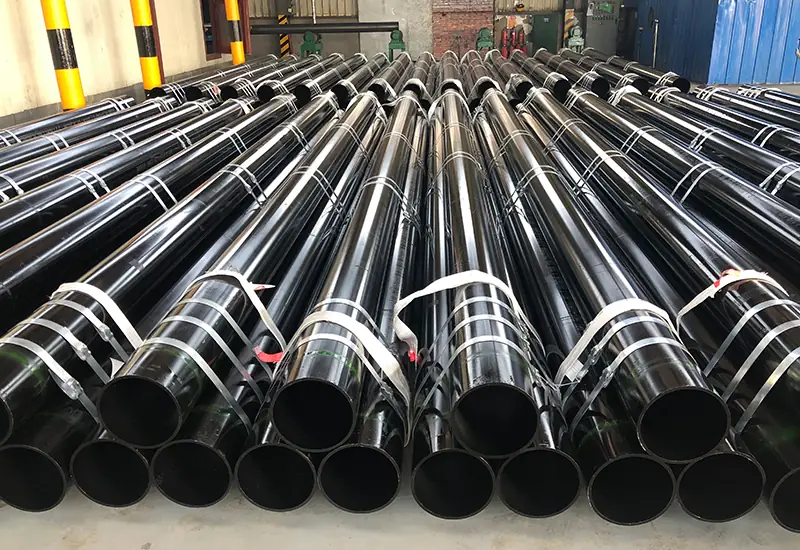
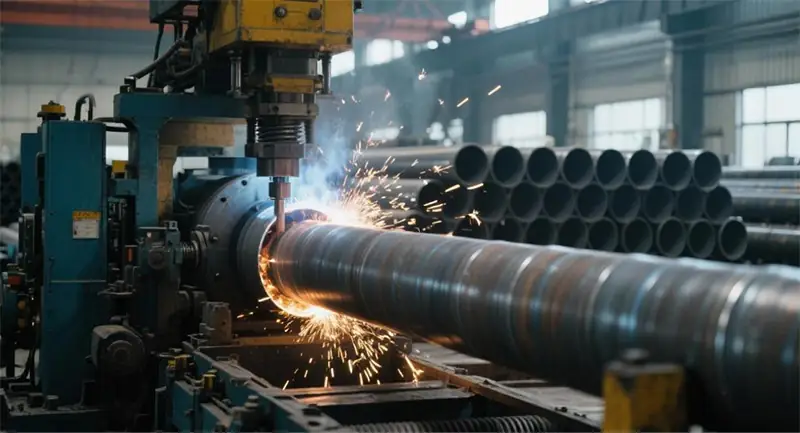
SSAW es la abreviatura en inglés de «soldadura por arco sumergido en espiral». Este proceso específico permite fabricar tubos de acero soldados con diámetros que suelen partir de las 20 pulgadas (508 mm) y que a menudo superan las 100 pulgadas (2540 mm), caracterizados por un cordón helicoidal continuo.
La tecnología de fabricación es la base de su ventaja en cuanto a costes y de su flexibilidad.
1. Materia prima: el proceso utiliza bobinas de acero laminado en caliente como materia prima principal.
2. Conformado: la bobina se alimenta de forma continua y se dobla con un “ángulo de conformado” preciso. Este es un paso clave: al ajustar este ángulo, una sola bobina de un mismo ancho puede dar lugar a una amplia gama de diámetros de tubería.
3. Soldadura: las costuras en espiral internas y externas se sueldan simultáneamente mediante el proceso automatizado de soldadura por arco sumergido (SAW), lo que garantiza una penetración profunda y una alta integridad.
Esta flexibilidad inherente permite a la fábrica producir diversos grande diámetro de la tubería tamaños a partir de una sola bobina, lo que minimiza los residuos y permite ofrecer al comprador un precio muy competitivo.
Especificaciones para el comprador y guía de precios
Especificaciones técnicas que determinan el precio
La norma a la que se ajusta la fabricación del tubo es el principal factor que influye en el coste y un elemento diferenciador clave en cuanto al rendimiento.
· ASTM A 252: Esta norma es aplicable a pilotes de tubería de acero con el respaldo de fundaciones. Destaca por su resistencia estructural, lo que lo convierte en la opción más económica para aplicaciones de pilotaje.
· AWWA C 200: la norma de referencia para las tuberías de transporte y distribución de agua. Las tuberías que cumplen esta norma son una opción habitual y rentable para los proyectos municipales de abastecimiento de agua.
· API 5 l: Esta norma se aplica a los oleoductos y gasoductos, y establece los requisitos más estrictos en cuanto a propiedades químicas y mecánicas, por lo que su precio también es elevado.
Además, el tipo de acero (por ejemplo, A 252 a 2, o API 5 X 70 a X 42) influye directamente en el coste del material, y los tipos de alta resistencia requieren aleaciones y procesos de fabricación más costosos.
SSAW y LSAW: una comparación cuantitativa
Tabla: SSAW frente a. Tubos LSAW – Comparativa para compradores.
| Característica | Tubo SSAW (Soldadura en espiral) | Tubos LSAW (Soldadura longitudinal) | Repercusiones económicas para el comprador |
| Coste de fabricación | La producción continua a partir de bobinas resulta rentable. | La razón principal es que se trata de una producción basada en planchas y orientada a la producción en serie. | Tubos SSAWLa empresa Line suele ofrecer la mejor relación calidad-precio en los trabajos de suministro de agua y de pilotaje. |
| Flexibilidad en el diámetro | Muy alto. Desde el ancho de una sola bobina hasta un amplio rango. | Limitado por la anchura de la chapa de acero. | Para diámetros personalizados o muy grandes, el proceso SSAW resulta muy competitivo. |
| Aplicaciones principales | Aplicaciones en el transporte de agua, la construcción de pilotes y la ingeniería estructural. | Petróleo y gas a alta presión: las estructuras marítimas clave. | La aplicación define la norma exigida, que es uno de los principales factores que influyen en el coste. |
Los análisis del sector muestran que el precio de Tubo SSAW El proceso de fabricación es 10-20% inferior al de Tubo LSAW proceso de fabricación, siempre que el diámetro y el espesor de la pared sean equivalentes, debido principalmente a su mayor índice de aprovechamiento de la materia prima.
Fuente: Basado en el análisis de informes sobre el sector de la producción de tubos de acero soldados procedentes de mercados como MarketResearch.com.
Principales factores que influyen en el coste: tamaño y recubrimiento
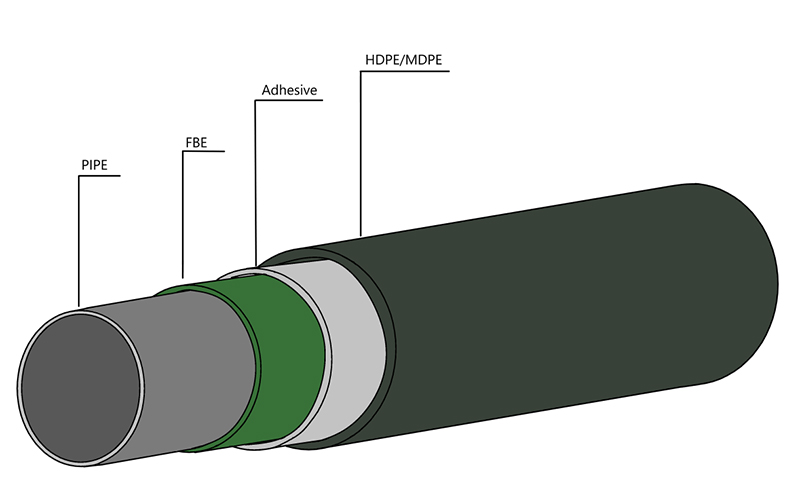
El precio final de cualquier tubería de gran diámetro es directamente proporcional a su peso total, que viene determinado por el diámetro exterior (OD) y el espesor de la pared (WT). Además, los recubrimientos anticorrosivos, como el epoxi fusionado (FBE) o el polietileno de tres capas (3 LPE), suponen un sobrecoste significativo por tonelada, pero constituyen una inversión fundamental para el coste del ciclo de vida a largo plazo del activo.
¿Cuándo es SSAW la mejor opción?
Escenario 1: Red municipal de transporte de agua. Para conductos principales de gran diámetro y larga distancia, norma AWWA C 200 Tubo SSAW es una opción excelente y, por lo general, la mejor, debido a sus numerosas ventajas en cuanto a tamaño, rendimiento y coste.
Escenario 2: Pilotes y cimentaciones estructurales. ASTM A 252 Tubos SSAW ofrecen una solución rentable y sólida para la construcción de cimientos, puentes y otras necesidades relacionadas con los pilotes.
Escenario 3: Aplicaciones de presión baja a media. Para el transporte no crítico de fluidos de petróleo y gas o de lodos, una tubería API 5 puede ser una alternativa más económica que las tuberías LSAW, siempre que las normas del proyecto lo permitan.
Conclusión
En resumen, el gran diámetro Tubo SSAW Es una solución rentable y fiable para proyectos de infraestructura a gran escala. Su exclusivo proceso de fabricación mediante soldadura en espiral a partir de bobinas de acero ofrece una flexibilidad de producción excepcional y importantes economías de escala para diámetros grandes. La clave para una compra satisfactoria es ajustar las especificaciones técnicas de su proyecto —en particular, la norma aplicable, el tipo de acero y las dimensiones— al presupuesto global, asegurándose de seleccionar la opción más adecuada y rentable Tubos SSAW para la solicitud.
Preguntas frecuentes
Pregunta 1: ¿Cuáles son las principales diferencias de precio entre los tubos de acero LSAW y SSAW?
R: La principal diferencia de precio se debe al proceso de fabricación. Tubos de acero SSAW La empresa utiliza bobinas de acero en un proceso de producción altamente continuo, lo que le permite reducir los costes de producción. Con las mismas especificaciones, el precio de Tubos de acero SSAW suele ser entre 10 y 20% inferior a la de los tubos de acero soldados por arco sumergido longitudinal (LSAW).
Pregunta 2: ¿Es fiable la costura de soldadura en espiral larga de los tubos de acero SSAW?
R: Sí, moderno Tubo SSAW es muy fiable. El proceso de soldadura por arco sumergido (LSAW) es automático y produce soldaduras de gran integridad. Normas como la API 5L y la AWWA C 200 exigen medidas estrictas de control de calidad, entre las que se incluyen ensayos no destructivos (END), como la inspección por ultrasonidos, para garantizar una calidad constante de las soldaduras y la integridad de las tuberías.
Fuente: Norma c 200 de la Asociación Americana de Abastecimiento de Agua (AWWA) para tuberías de acero soldadas.
Pregunta 3: ¿Qué datos técnicos debo facilitar para conocer el precio exacto de un tubo de acero SSAW?
R: Cuando tengas pensado comprar Tubos de acero SSAW, para poder obtener un presupuesto preciso, debe facilitar las siguientes especificaciones principales.
Norma de competencia (por ejemplo, la norma estadounidense de ensayos de materiales A 252, la norma AWWA C 200, API Gravity 5 litros).
Calidades de acero (p. ej., Calidad 3, x 52).
Diámetro exterior (OD) y espesor de la pared (WT).
Longitud de cada tubería
Requisitos relativos al recubrimiento protector (p. ej., sin recubrimiento, FBE, 3 LPE).

ASTM A53 frente a API 5L: Guía de selección y aplicación
En el campo de las tuberías industriales, ASTM A53 y API 5L son dos normas clave muy utilizadas, pero con posiciones muy diferentes. ASTM...

Introducción:Las diferencias tecnológicas determinan el éxito o el fracaso, y la selección debe ser “precisa”
En la transmisión de petróleo y gas, las infraestructuras municipales y otros grandes proyectos, la elección razonable del proceso de soldadura de tubos de acero afecta directamente al proyecto...
Análisis de la densidad del acero: Diferencias fundamentales entre aceros al carbono suaves y medios y aplicaciones industriales
La densidad del acero es uno de los parámetros clave que determinan sus propiedades físicas y aplicaciones industriales. Estado teórico de la densidad del acero...
Tubos de acero revestidos con 3LPE: una barrera sólida en el campo de la protección contra la corrosión industrial
En el duro entorno del petróleo y el gas, la industria química, la red de tuberías urbanas, etc., la fiabilidad a largo plazo y la resistencia a la corrosión del sistema de tuberías...
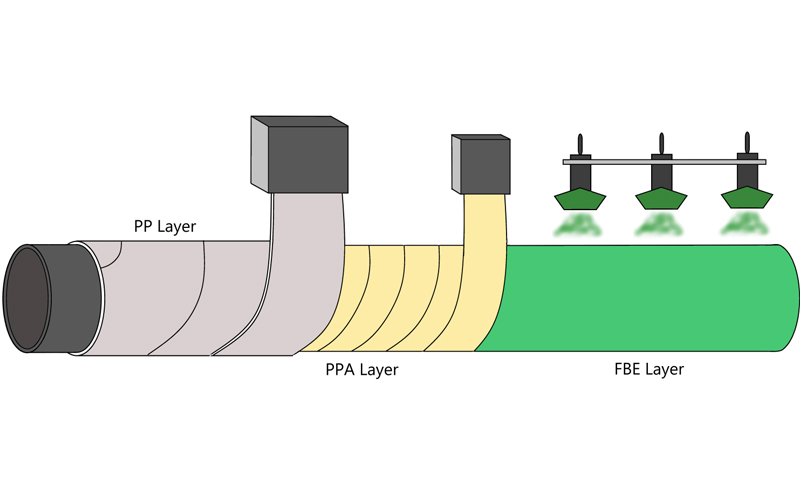
Tubo con revestimiento 3LPP: protección anticorrosión en entornos de alta temperatura y alta presión
En algunos entornos especiales difíciles, como la prospección de petróleo y gas en aguas profundas y el transporte de crudo a altas temperaturas, los revestimientos anticorrosión tradicionales se enfrentan a...
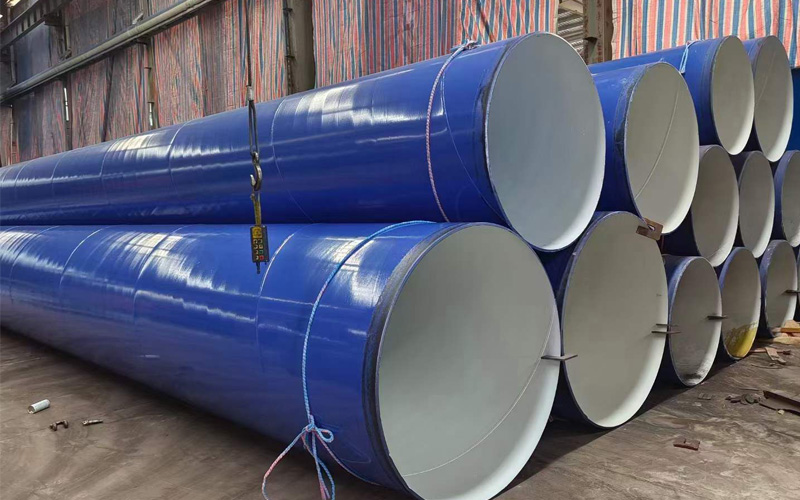
Tubos de acero FBE: el blindaje tecnológico de la línea de defensa del acero
I En las gélidas aguas bajo el oleoducto del Mar de Noruega, una sección de tubería de acero al carbono con revestimiento FBE ha estado en servicio durante 25...