








descripción
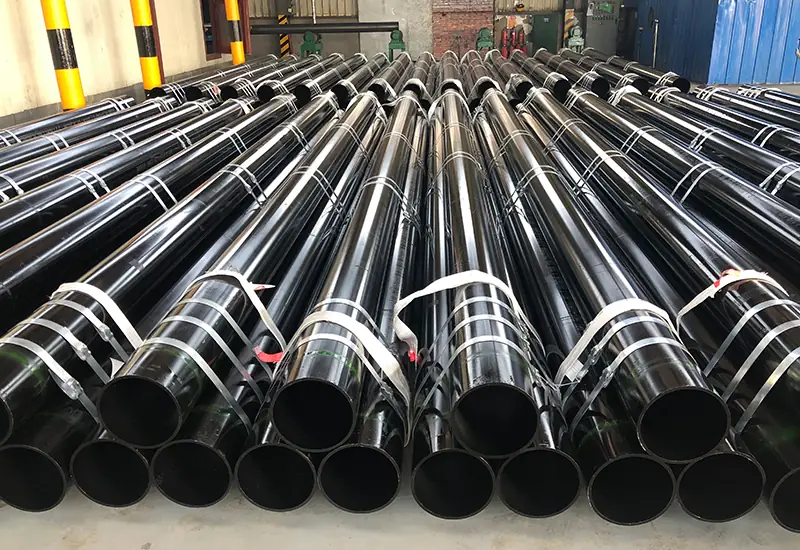
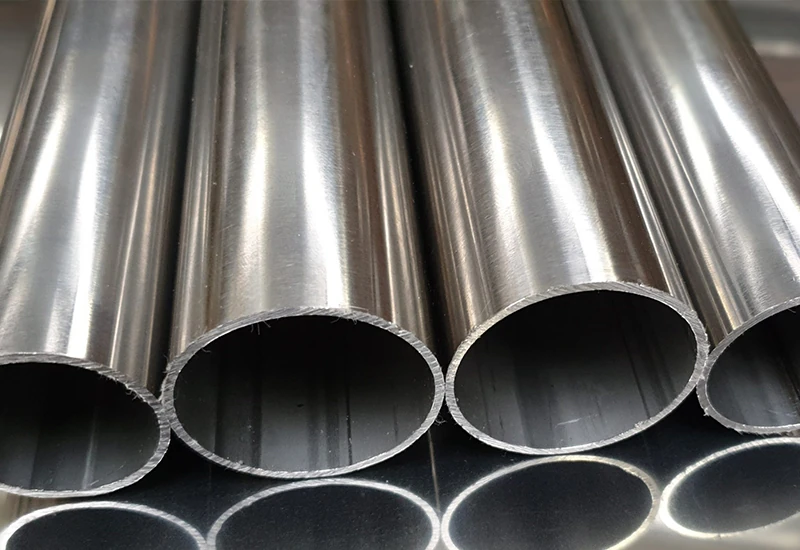
TUBERÍAS DE AGUA POTABLE está diseñado para el transporte seguro y eficiente de agua potable. Fabricado en acero al carbono resistente a la corrosión (Q235B-Q345B) o acero inoxidable (304/316L) mediante soldadura por arco sumergido (SAW) o procesos sin soldadura. Incorpora revestimientos internos con certificación NSF para evitar la proliferación de bacterias y mantener la pureza del agua. Certificado para una vida útil de más de 50 años en redes municipales y sistemas industriales de suministro de agua.
Nombre del producto: Tubería de acero para agua potable, tubería principal de agua NSF
Especificaciones:
Diámetro exterior: 100mm – 2000 mm (4″ – 80″)
Espesor de pared: 2.0 – 16 mm
Longitud: 6m / 8m / 10m / 12m (longitudes personalizadas hasta 18m)
Estándar y grado de acero:
| AWWA C200 | Grado B/C |
| EN 10312 | 1.4404 (316L), 1.4301 (304) |
| GB/T 17219 | Q235B-Q345B |
| NSF/ANSI 61 | Materiales certificados |
Fin: Extremos ranurados / Extremos embridados (EN 1092-1) / Bisel de soldadura
Tratamiento de superficies
Revestimiento interior: Revestimiento de mortero de cemento (≥1,5 mm), epoxi NSF (≥250μm).
Revestimiento exterior: 3PE (≥2,0 mm), epoxi unido por fusión (FBE)
Especial: Electropulido para tubos de acero inoxidable
Especificación
TUBERÍAS DE AGUA POTABLE Tabla de referencia de la gama de especificaciones
| Parámetros | Alcance típico | Alcance extremo | Base estándar | Limitaciones técnicas |
| Diámetro exterior | ⌀300mm~⌀1200mm | ⌀100mm~⌀2000mm | AWWA C200 | >1800 mm requiere un diseño segmentado |
| Grosor de la pared | 4,0 mm~10 mm | 2,0 mm~16 mm | EN 10312 | Espesor <3 mm limitado a sistemas de baja presión |
| Longitud | 10 m (estándar) | 5m (especial) ~ 18m | GB/T 17219 | >Los tubos de más de 12 m requieren el apoyo de una grúa |
TUBERÍAS DE AGUA POTABLE Cuadro comparativo de normas y aplicaciones
| Clasificación | Estándar | Posicionamiento | Aplicabilidad |
| Normas básicas | AWWA C200 | Norma estadounidense para la transmisión de agua | Obligatorio para los proyectos municipales norteamericanos |
| Normas sanitarias | NSF/ANSI 61 | Certificación de efectos sobre la salud | Sistemas mundiales de agua potable |
| Normas de diseño | EN 10312 | Especificaciones europeas de los tubos de acero inoxidable | Entornos acuáticos corrosivos |
| Norma regional | GB/T 17219 | Evaluación de la seguridad sanitaria en China | Proyectos de infraestructuras hídricas en Asia |
Proceso detallado de fabricación de tuberías para agua potable
1.Fabricación de tuberías de sustrato: Las tuberías de sustrato de alta resistencia (LSAW, SSAW, ERW o de acero inoxidable) se fabrican y se someten a ensayos de conformidad con la norma AWWA C200, API 5L, o las normas EN 10312.
2.Chorro de arena y pretratamiento de superficies: Las superficies internas y externas de las tuberías se someten a un chorro abrasivo centrífugo para alcanzar un grado de limpieza Sa 2,5, eliminando toda la cascarilla de laminación, el óxido y la grasa superficial.
3.Aplicación del revestimiento interno de mortero de cemento (CML): En el caso de las tuberías principales de agua de acero al carbono, se aplica mortero de cemento de alta densidad (AWWA C205 / BS 5328) mediante un proceso centrífugo en el interior de la tubería en rotación, con el fin de crear un revestimiento interior liso y resistente a la corrosión que permita un flujo hidráulico óptimo.
4.Revestimiento epoxi líquido para interiores (alternativa): Se pulveriza uniformemente un epoxi líquido apto para uso alimentario y sin disolventes (certificado según las normas NSF/ANSI 61 y BS 6920 para el contacto con agua potable) con el fin de proporcionar una protección contra el agua no tóxica y sin lixiviación.
5.Curado y acondicionamiento ambiental: Las tuberías revestidas de cemento se someten a un curado con vapor o con pulverización de agua a alta humedad para alcanzar la máxima resistencia mecánica y eliminar las microfisuras debidas a la contracción.
6.Revestimiento externo anticorrosión: El exterior de las tuberías está recubierto con 3LPE (polietileno de tres capas) o epoxi fusionado (FBE) para aislar el cuerpo de la tubería de las sustancias químicas del suelo, la humedad y las corrientes parásitas.
7.Pruebas hidrostáticas y de calidad del agua: Los tubos acabados 100% se someten a ensayos hidrostáticos a presión máxima, seguidos de inspecciones de lixiviación con agua potable para garantizar que no se produzca migración química alguna.
8.Protección de los extremos y embalaje limpio: Los extremos de los tubos se equipan con tapas de seguridad aptas para uso alimentario, con el fin de evitar la entrada de polvo, insectos y la contaminación en la obra durante el transporte; a continuación, se agrupan y se preparan para su envío.
aplicación
Las tuberías de agua potable son la columna vertebral de los sistemas municipales y regionales de abastecimiento de agua.
Transporte y distribución municipal de agua: Redes primarias de transporte que llevan el agua tratada de las plantas a los depósitos/torres, y redes secundarias de distribución que llevan el agua a los hogares, empresas e instituciones.
Tuberías internas de la planta de tratamiento de aguas: Conexión de procesos dentro de las plantas de tratamiento (clarificadores, filtros, tanques de contacto de desinfección, estaciones de bombeo).
Tuberías de entrada/salida de depósitos y tanques elevados: Conexión de las instalaciones de almacenamiento a la red de distribución.
Abastecimiento de agua a grandes edificios y campus: Redes dedicadas a hospitales, universidades, complejos industriales y edificios de gran altura.
Planes de agua rural: Extender el agua potable a comunidades remotas y zonas agrícolas.
Proyectos de infraestructuras: Canalizaciones específicas para nuevos desarrollos, expansiones urbanas y proyectos de recuperación de catástrofes.
ventajas
Protección de la calidad del agua: Los revestimientos y materiales certificados evitan la corrosión, la lixiviación de contaminantes y el crecimiento de biopelículas, garantizando que el agua siga siendo segura y estéticamente agradable (sin problemas de sabor ni olor).
Eficiencia hidráulica: Los revestimientos internos lisos (por ejemplo, CML, PE) minimizan las pérdidas por fricción, lo que reduce los costes energéticos de bombeo a lo largo de la vida útil de la tubería.
Durabilidad y longevidad: Resistente a la corrosión interna y a los factores ambientales externos (corrosión del suelo, rayos UV para plásticos), diseñado para una vida útil superior a 50 años con un mantenimiento mínimo.
Resistencia a las fugas: Los materiales robustos y los sistemas de unión fiables (por ejemplo, juntas de empuje con juntas elastoméricas, juntas soldadas) reducen significativamente la pérdida de agua.
Integridad estructural: La elevada relación resistencia/peso (especialmente DI, GRP) soporta cargas de tierra, cargas de tráfico y golpes de presión internos.
Versatilidad: Disponibles en una amplia gama de diámetros (DN80-DN3000+) y clases de presión (PN6-PN32+) para adaptarse a cualquier requisito del proyecto. Aptos para diversos métodos de instalación (excavación en zanja, sin zanja —HDD—, microtunelización).
Rentabilidad: Bajo coste durante toda la vida útil gracias a fugas mínimas, costes de bombeo reducidos, larga vida útil y escasos requisitos de mantenimiento.
embalaje
El embalaje se centra en evitar que se dañen los revestimientos y los extremos de los tubos durante el transporte y la manipulación. Entre los métodos habituales se incluyen.
Agrupación: Tubos de menor diámetro (DI, plástico) atados con flejes protectores y tapones en los extremos.
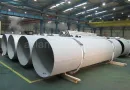
Acunar/Escoltar: Las tuberías de mayor diámetro (acero, DI) se transportan en remolques de plataforma o barcos utilizando madera o cunas a medida para evitar su deformación. Los extremos siempre se protegen con tapas o cubiertas.
Envío de contenedores: Adecuado para tubos de menor diámetro y longitud
Break Bulk Shipping: Se utiliza para grandes cantidades de tubos, que requieren una estiba y sujeción cuidadosas en los buques. La protección de los extremos es fundamental.
Remolques especializados: Para tubos sobredimensionados.
Los modos de transporte incluyen carretera, ferrocarril y mar. Se hace hincapié en utilizar un transporte limpio y garantizar que no se contamine el interior de la tubería.

FAQ
Pregunta 1: ¿Cuáles son las mejores opciones de recubrimiento interno para las tuberías de acero destinadas al transporte de agua potable?
Las dos soluciones de revestimiento interior más probadas para el agua potable son: 1) Revestimiento centrífugo de mortero de cemento (CML) que cumple con la norma AWWA C205, la cual ofrece protección contra la corrosión alcalina con capacidad de autorreparación y una larga vida útil (más de 50 años); y 2) 100%: epoxi líquido sólido sin disolventes, con certificación NSF/ANSI 61 y WRAS, que ofrece un rendimiento hidráulico extremadamente fluido (bajo factor C de Hazen-Williams) y sin lixiviación química alguna.
Pregunta 2: ¿Están certificadas vuestras tuberías de agua potable para el contacto directo con el agua potable municipal?
Sí. Todos los materiales, revestimientos internos y selladores utilizados en nuestras tuberías de agua potable cumplen estrictamente con las certificaciones internacionales de salud y seguridad, entre las que se incluyen: NSF/ANSI 61, WRAS, AWWA C200/C205/C210, y GB/T 17219, lo que garantiza que no se produzcan emisiones tóxicas, que no haya olores y que no se produzca crecimiento microbiano.
Pregunta 3: ¿En qué se diferencian las tuberías de acero para agua potable de las de hierro dúctil (DI) y las de polietileno de alta densidad (HDPE)?
En comparación con el hierro dúctil (DI), las tuberías de agua de acero soldadas ofrecen una mayor resistencia a la tracción, presiones nominales superiores (PN25/PN40+), longitudes unitarias más largas (de hasta 12 m a 18 m, lo que reduce las uniones in situ) y una mayor resistencia al hundimiento del terreno. En comparación con el HDPE, las tuberías de acero soportan presiones de servicio más elevadas y cargas externas del suelo sin riesgo de deformación ni fisuración por tensión.
Pregunta 4: ¿Cómo se evita la contaminación interna de las tuberías durante el transporte para la exportación?
Todas las tuberías de agua potable se lavan a fondo y se secan al aire tras someterse a las pruebas. Los extremos de las tuberías se sellan con tapones de plástico de alta resistencia y resistentes a los rayos UV, y se protegen con un envoltorio a prueba de humedad para garantizar que el revestimiento interno permanezca 100% limpio y libre de niebla salina marina, polvo y contaminantes durante el transporte marítimo.

T-raci-incremental-ranurada-1-300x300.jpg)