



مقدمة
تتعرض البنية التحتية البحرية، مثل الأعمدة الأحادية لمتنزات الرياح البحرية، والجسور العابرة للبحر، وأرصفة المياه العميقة، لضغوط ميكانيكية شديدة وتآكل بحري يتجاوز بكثير ما تتعرض له الهياكل البرية. تتعرض الأعمدة الأنبوبية البحرية لقص مستمر بفعل الأمواج، وأحمال دورية ناتجة عن المد والجزر، وضغط رأسي، وتآكل في منطقة رش الماء. ولا تستطيع الأنابيب العادية ذات الجدران الرقيقة مقاومة تأثير حركة المرور والتدهور طويل الأمد الناجم عن مياه البحر، لذا ASTM A252 أصبحت أنابيب الأساسات ذات الجدران السميكة معيارًا ماديًّا معتمدًا على نطاق واسع في مجال الأساسات البحرية.
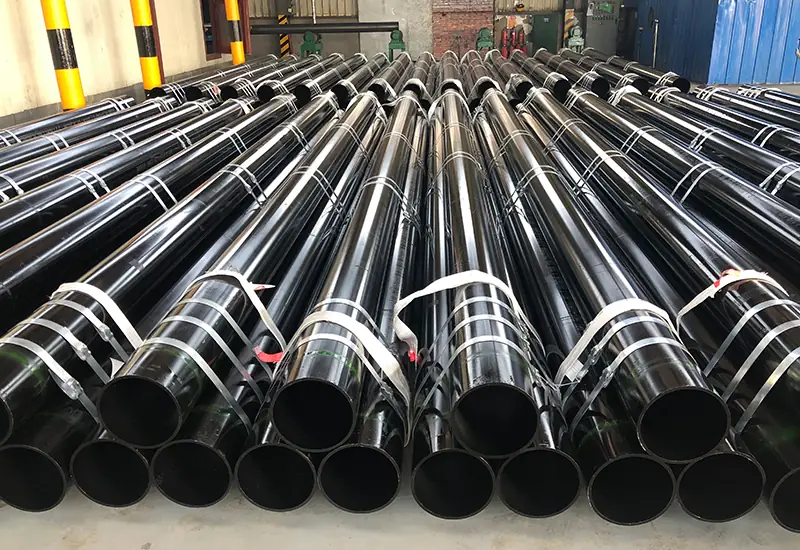
تتطلب هندسة الأساسات البحرية الحديثة استخدام أعمدة أنبوبية ذات جدران سميكة ودقة عالية، مع لحامات خالية من العيوب، وخصائص ميكانيكية مستقرة، وأسطح متينة ومقاومة للتآكل. خوازيق الأنابيب الفولاذية يُستخدم على نطاق واسع في الأساسات البحرية، حيث يقلل هيكله الملحوم بشكل كبير من مخاطر حدوث عطل هيكلي أثناء عملية الدق وخلال فترة الخدمة الطويلة.
يحلل هذا المقال التحديات الرئيسية التي تواجه عملية تصنيع أنابيب الأساسات البحرية ذات الجدران السميكة وفقًا لمعيار ASTM A252. ويتناول المقال تقنيات التشكيل المتخصصة، ومعايير الأداء الميكانيكي، وحلول الطلاء البحري، وأنظمة مراقبة الجودة التي تستخدمها الشركات المؤهلة المتخصصة في تصنيع الأنابيب الفولاذية ذات القطر الكبير، مثل شركة Allland Pipes، مع التزام جميع محتويات المقال بـ API 5L, ، والمواصفات الصناعية ASTM A252 و ISO 21809.
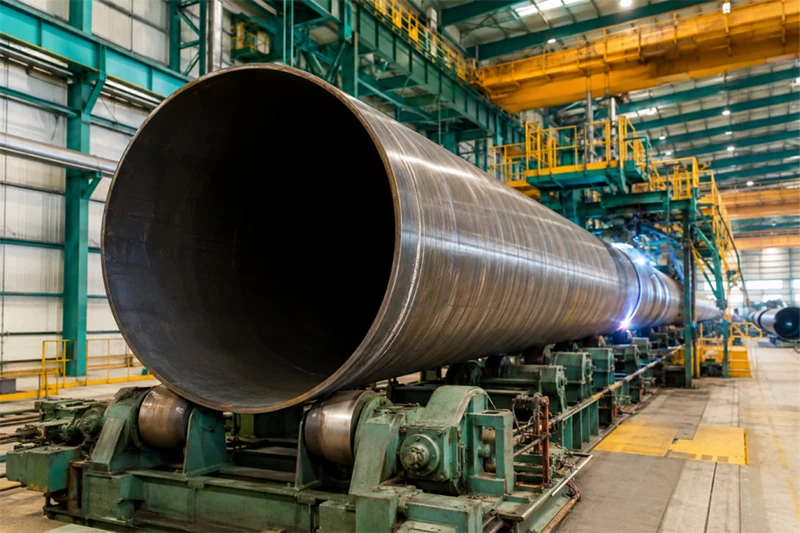
لماذا تستخدم مؤسسات الهندسة البحرية الأنابيب المصنوعة بتقنية LSAW ذات القطر الكبير كأعمدة إنشائية؟
عند تحديد الأساسات الأنبوبية للمشاريع البحرية، يقوم المهندسون المدنيون بتقييم ثلاث طرق رئيسية لإنتاج الأنابيب الملحومة: LSAW (اللحام بالقوس المغمور الطولي)، وSSAW (اللحام بالقوس المغمور الحلزوني)، وERW (اللحام بالمقاومة الكهربائية). تقدم كل طريقة تشكيل نمطًا فريدًا لتوزيع الإجهاد، مما يؤثر بشكل مباشر على أداء الأساسات في ظل أحمال الدق الثقيلة والأحمال الهيكلية البحرية طويلة الأمد، مما يجعل أنابيب الصلب LSAW الخيار المفضل للأساسات البحرية ذات الجدران السميكة خوازيق الأنابيب الفولاذية التطبيقات.
LSAW مقابل SSAW مقابل ERW: الأداء تحت الإجهاد عند تعرضها لأحمال الأساسات
أنابيب SSAW تتميز بوجود لحام حلزوني متواصل يمتد قطريًّا عبر الأنبوب. وفي ظل تأثيرات المطرقة الرأسية وأحمال الضغط المحوري أثناء الدفع، يميل إجهاد القص إلى التركز على طول خط اللحام الحلزوني، مما يؤدي إلى ظهور نقاط بداية إجهاد محلية. وعندما يزيد سمك جدار الأعمدة الفردية البحرية عن 30 مم، فإن الإجهاد المتبقي في اللحام الحلزوني سيزيد من خطر حدوث تشققات عند أطراف اللحام أثناء عمليات الطرق المتكررة. وعادةً ما تكون الأنابيب الملحومة بالكهرباء (ERW) محدودة من حيث سمك الجدار، ولا تُستخدم بشكل شائع في تطبيقات الأساسات ذات الجدران السميكة في المياه العميقة وفقًا لمتطلبات معيار ASTM A252 الدرجة 3.
في المقابل، تحتوي الأنابيب المصنوعة بتقنية LSAW على لحام طولي مستقيم موازٍ للمحور المركزي للأنبوب. ويتم توزيع الضغط المحوري وقوى الصدم الرأسية بالتساوي على جدار الأنبوب، ولا يوجد تركيز إجهاد قطري على اللحام، مما يزيل نمط الفشل الرئيسي الذي لوحظ في أنابيب دق الأوتاد المصنوعة بتقنية SSAW. بالنسبة للتطبيقات الهيكلية ذات الجدران السميكة، توفر الأنابيب المصنوعة بتقنية LSAW من شركة JCOE سلامة مسار الحمل المتسقة. وتعد هذه ميزة أساسية للأعمدة البحرية الموصلة متعددة الأقسام، حيث تضمن نقل الحمل بسلاسة عبر الوصلات الملحومة ميدانيًّا.
تشكيل JCOE’المزايا التقنية لأنابيب بحرية ذات جدران سميكة
تُعتبر عملية التصنيع JCOE (التشكيل J، والتشكيل C، والتشكيل O، والتوسيع) معترفًا بها على نطاق واسع كعملية قياسية لإنتاج أعمدة الأنابيب الفولاذية ذات الجدران السميكة عن طريق اللحام الطولي بالقوس المغمور، وقد تم اعتماد هذه العملية في خطي الإنتاج المخصصين لـ JCOE التابعين لشركة Allland Pipes. وعلى عكس تشكيل UOE ذي الخطوة الواحدة، تستخدم عملية JCOE الضغط البارد التدريجي متعدد الخطوات لتشكيل الألواح الفولاذية السميكة، مما يقلل بشكل كبير من الارتداد المرن وإجهاد التشكيل المتبقي في جدار الأنبوب. كما أن التوسيع البارد الميكانيكي بعد التشكيل يعمل على تحرير الإجهاد الداخلي بشكل أكبر، وفي الوقت نفسه، يتم معايرة التفاوتات الهندسية: انحراف الشكل (البيضاوية) ≤ 0.6% من القطر الخارجي الاسمي، ويتم الحفاظ على الاستقامة أقل من 1 مم لكل متر من طول الأنبوب، وهما معياران غير قابلين للتفاوض فيما يتعلق بمحاذاة الوصلات في الموقع للأعمدة البحرية.
مراقبة الإنتاج في المصانع الخاصة بمصنعي الأنابيب الفولاذية المتخصصة ذات القطر الكبير
ذو خبرة مصنعو الأنابيب الفولاذية ذات القطر الكبير, ، مثل شركة «ألاند بايبس»، تدمج بين عمليات التشذيب المسبق، والانحناء التلقائي المسبق، ومحطات عمل LSAW ثنائية الجوانب لحل مشكلة تصنيع الأنابيب ذات الجدران السميكة. قبل التشكيل، تقوم آلة طحن الحواف بمعالجة حافة اللوح بدقة لتشكيل زاوية مائلة موحدة لضمان الاختراق الكامل للحام أثناء اللحام بالقوس المغمور الداخلي والخارجي.
يحل التشكيل واللحام الدقيقان بشكل مباشر أحد التحديات الجوهرية في مجال الإنشاءات البحرية، ألا وهو ضمان التوافق المستمر في الأحجام عند ربط الأعمدة في الموقع. فالتشوه الإهليلجي الذي يتجاوز حدود التفاوت المسموح به أو عدم انتظام الاستقامة سيؤديان إلى اختلال فجوات الوصلات، وإضعاف الارتباط بين الأجزاء المربوطة، وظهور شقوق تآكل خفية في منطقة رش الماء البحري أثناء عملية اللحام الميداني. يقدم خط إنتاج JCOE من شركة Allland أنابيب هيكلية ذات جدران سميكة مصممة هندسيًا للقضاء على تأخيرات التوصيل ونقاط الضعف الهيكلية الشائعة في أنابيب الأساسات منخفضة الجودة.
الخصائص الميكانيكية لمعيار ASTM A252 الدرجة 3: مقاومة الخضوع والتعب تحت تأثير ضربات المطرقة
تحدد المواصفة ASTM A252 ثلاث درجات قوة لأعمدة الأنابيب الفولاذية، حيث تُستخدم الدرجة 3 بشكل خاص في الأساسات البحرية والبحرية، وذلك لتمتعها بمقاومة ميكانيكية ممتازة لصدمات الدق والضغط الهيكلي على المدى الطويل. ويُعد التحكم في ثبات قوة الخضوع للأنابيب الفولاذية طوال عملية الإنتاج الضخم أحد أكثر التحديات التصنيعية استمرارًا في مجال أنابيب الأساسات البحرية ذات الجدران السميكة.
المعلمات الميكانيكية الأساسية لمعيار ASTM A252
وفقًا لمعيار ASTM A252، تتطلب الدرجة 3 حدًا أدنى لقوة الخضوع يبلغ 310 ميجا باسكال (45,000 رطل لكل بوصة مربعة)، وحدًا أدنى لقوة الشد يبلغ 455 ميجا باسكال (66,000 رطل لكل بوصة مربعة)، وامتدادًا أدنى يبلغ 20%، وذلك لضمان حدوث تشوه مرن بدلاً من الكسر الهش تحت الأحمال القصوى. وعلى عكس معايير الأنابيب مثل API 5L، لا تفرض معايير ASTM A252 قيودًا كيميائية صارمة على السبائك، مما ينقل مسؤولية التحكم الكاملة في المواد إلى مصنعي الأنابيب الفولاذية ذات القطر الكبير. على الرغم من أن المعيار يحدد محتوى الفوسفور بحد أقصى يبلغ 0.050% فقط، فإن إنتاج الأساسات البحرية يتطلب توازنًا صارمًا في مكافئ الكربون (Ceq) للحفاظ على صلابة اللحام في المواد الخام ذات الألواح السميكة.
مخاطر الصدمات المتكررة بالمطرقة المرتبطة بعدم كفاية حد الخضوع للأنابيب الفولاذية
تُستخدم المطارق الهيدروليكية أو التي تعمل بالديزل الثقيلة في أعمال دق الأساسات البحرية. وأثناء التركيب، تنقل أنظمة المعدات هذه موجات صدمية ميكانيكية عالية التردد وعالية الطاقة عبر الجزء العلوي من الأنبوب. وإذا انخفضت مقاومة الخضوع المصنعة للأنبوب الفولاذي عن الحد الأدنى لمتطلبات مقاومة الخضوع من الدرجة 3، فإن الطرف العلوي للأنبوب يتعرض لانثناء لا رجعة فيه، أو انهيارًا موضعيًا للجدار، أو ظهور شقوق دقيقة في المناطق المتأثرة بالحرارة الناتجة عن اللحام (HAZ). وبمجرد تركيب الوتد، ستنتشر هذه الشقوق الدقيقة تحت تأثير الحمل الدوري المستمر، مما يؤدي إلى تدهور هيكلي تدريجي للبنية التحتية البحرية خلال العمر التصميمي الذي يتراوح بين 50 و100 عام.
تُثبت دراسات الحالة المتعلقة بأعطال الاستخدام الميداني أن المواد ذات القيمة المنخفضة لـ Ceq (القيمة المتساوية) والتي تتمتع بقوة خضوع مستقرة، تحافظ على صلابة الصدم في اختبار شاربي ذي الشق على شكل V عند درجات حرارة منخفضة لمياه البحر، وتقاوم انتشار الشقوق بعد آلاف الضربات بالمطرقة. تجري شركة Allland Pipes اختبارات شد على كل دفعة من أنابيب الأساسات ذات الجدران السميكة من النوع ASTM A252 الدرجة 3 للتحقق من القيم الفعلية لحد الانسياب وقوة الشد، وترفض أي دفعات تنحرف إلى ما دون الحدود الدنيا للخصائص الميكانيكية المحددة من قبل ASTM قبل بدء عملية التشكيل.
ضبط التركيب الكيميائي لتحسين صلابة منطقة التأثير الحراري (HAZ) في اللحام
في عملية الإنتاج باستخدام تقنية LSAW واللحام بالربط في الموقع، يؤدي عدم التحكم في مكافئ الكربون في الألواح السميكة من نوع ASTM A252 إلى تكوين بنية مجهرية صلبة وهشة في منطقة التأثير الحراري (HAZ) الناتجة عن اللحام. وتشكل الشقوق الباردة في اللحامات ذات الجدران السميكة خطرًا كارثيًا على الأعمدة البحرية تحت الماء. في هذه الحالة، يكاد يكون من المستحيل اكتشاف الشقوق بعد تركيب الأساسات. يحدد المصنعون المحترفون مكافئ الكربون (Ceq) لفولاذ الأساسات البحرية عند أقل من 0.42، ويحققون التوازن بين الكربون والمنغنيز وعناصر السبائك النزرة للحفاظ على ليونة كافية بعد دورات اللحام عالية الحرارة. يؤكد بروتوكول الاختبارات المعدنية الداخلية لشركة Allland صلابة الصدم عند درجات الحرارة المنخفضة عبر مناطق اللحام والمعدن الأساسي، مما يضمن الأداء الموثوق لأنابيب الصلب المصنوعة بتقنية LSAW للاستخدامات البحرية طويلة الأمد خوازيق الأنابيب الفولاذية المشاريع.
تصميم الحواجز المضادة للتآكل: نظام طلاء مخصص للأعمدة البحرية
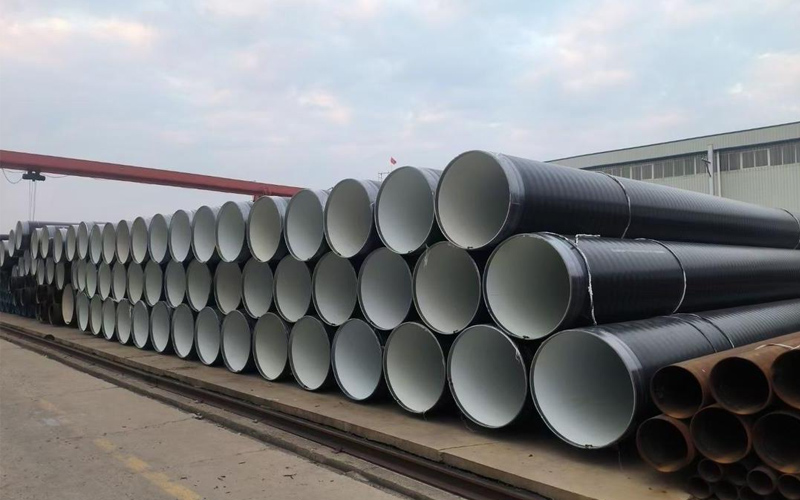
تمتد أعمدة الأنابيب الفولاذية البحرية عبر أربع مناطق تآكل مختلفة، ويختلف توزيع الضغوط الكيميائية والميكانيكية اختلافًا كبيرًا. ومن الضروري تخصيص أنظمة الطلاء لحل مشاكل التآكل والتدهور الناتج عن المياه المالحة على المدى الطويل أثناء عملية الدق. وبالمقارنة طلاء 3LPP مقابل طلاء 3LPE يُعد استخدام طبقات التمهيدي من نوع FBE (الإيبوكسي المربوط بالانصهار) أمرًا إلزاميًا وفقًا لمواصفات المشاريع البحرية، حيث يقدم كل نوع من أنواع الطلاء أداءً فريدًا في المناطق المعرضة للعوامل الجوية، ورشاشات الماء، والغمر الكامل، والمناطق الواقعة تحت خط الطين.
تفصيل أحمال التآكل البحري في المناطق المتعددة
1. المنطقة المعرضة للعوامل الجوية: تتعرض للرياح المحملة بالملح، والأشعة فوق البنفسجية، وتقلبات درجات الحرارة؛ كما أن التعرض المستمر للأكسجين يسرع من تكوّن الصدأ السطحي.
2. منطقة الرش: يتناوب الغمر في مياه البحر والتعرض للهواء — ويُعد معدل التآكل في هذه المنطقة هو الأسرع، ويزداد سوءًا بسبب التآكل الناتج عن الأمواج وترسب بلورات الملح.
3. المنطقة المغمورة: تلامس دائم مع المياه المالحة مع تغلغل متجانس لأيونات الكلوريد، وتآكل ميكانيكي معتدل ناتج عن الرواسب التي تحملها التيارات المائية.
4. المنطقة تحت خط الطين: مغروسة في طمي قاع البحر؛ حيث يتعرضها احتكاك كاشط شديد أثناء دق الأوتاد، إلى جانب التآكل الميكروبي اللاهوائي وخطر انفصال الطبقة السطحية بسبب التآكل الكاثودي.
لا يمكن لطلاء واحد شامل أن يؤدي دورًا متساويًا في جميع المجالات الأربعة، مما يجبر الشركات المصنعة على تصميم حزم متعددة الطبقات لمكافحة التآكل وفقًا لعمق المياه والجيولوجيا البحرية لكل مشروع. وباعتباره حلاً موثوقًا الشركة المصنعة لأنابيب الصلب,، تنتج شركة «ألاند بايبس» الأنابيب المطلية بطبقة FBE والأنابيب الفولاذية المطلية بطبقة مقاومة للتآكل 3LPE/3LPP عبر خمسة خطوط إنتاج مخصصة لطلاء مقاومة التآكل، وذلك لتلبية متطلبات الحماية الخاصة بكل منطقة.
مقارنة مباشرة بين أداء طلاء 3LPP و3LPE في الأوتاد البحرية
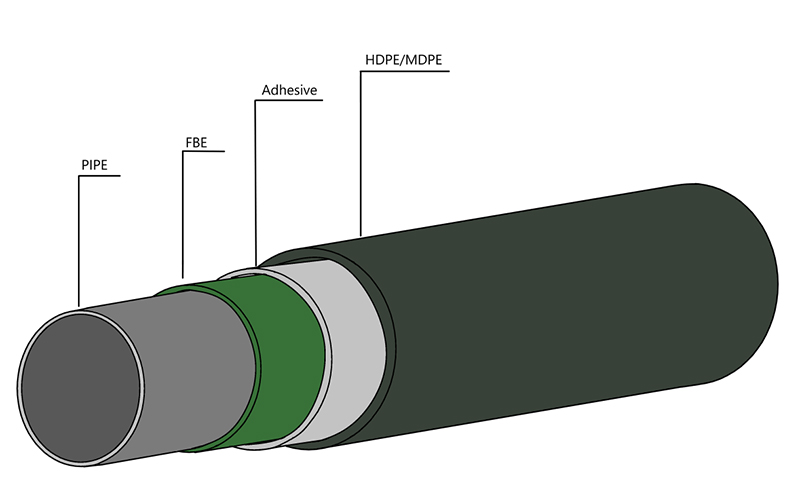
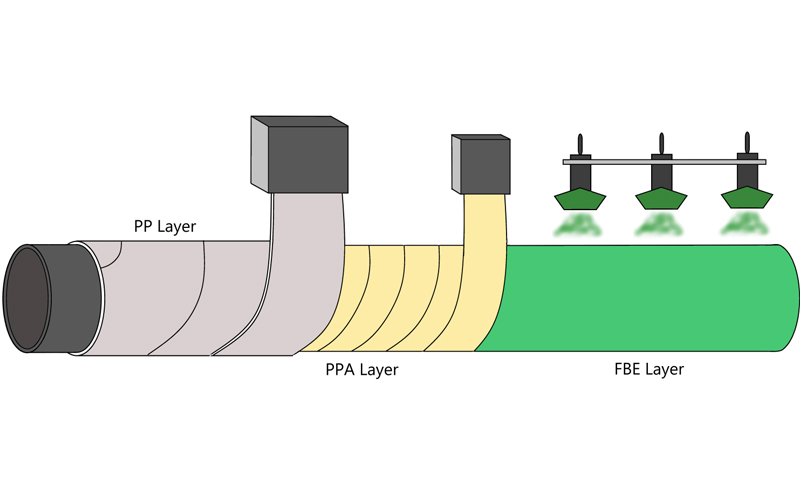
يستخدم كلا النظامين المكونين من ثلاث طبقات طبقة أولية من الإيبوكسي FBE ملتصقة بالركيزة الفولاذية لضمان الالتصاق، إلى جانب طبقة وسيطة لاصقة وطبقة خارجية واقية من البوليمر. ويكمن الاختلاف الأساسي في مادة البوليمر المستخدمة في الطبقة النهائية، والتي تحدد مقاومة التآكل الناتج عن التشتت ومقاومة درجات الحرارة.
- 3LPE (بولي إيثيلين ثلاثي الطبقات): توفر الطبقة الخارجية المصنوعة من البولي إيثيلين عالي الكثافة (HDPE) مقاومة كيميائية متوازنة، وثباتًا قياسيًا ضد الأشعة فوق البنفسجية، وحماية فعالة من حيث التكلفة في المناطق المعرضة لرذاذ المياه الضحلة والمناطق المغمورة. ويحد نطاق درجة حرارة التشغيل من مدة الخدمة بحيث لا تتجاوز 60 درجة مئوية، كما أن صلابة السطح المعتدلة تجعلها عرضة للخدوش العميقة أثناء عمليات دق الأوتاد المكثفة في قاع البحر. وهي مناسبة لأوتاد الموانئ الساحلية الهادئة التي تتسم بانخفاض احتكاك الدق.
- 3LPP (بولي بروبيلين ثلاثي الطبقات): تتميز الطبقة الخارجية المصنوعة من البولي بروبيلين بصلابة أعلى، ومقاومة فائقة للتآكل، واستقرار حراري يصل إلى 90 درجة مئوية. وتتميز مصفوفة البوليمر الكثيفة الخاصة بها بمقاومة أفضل بكثير للانفصال الكاثودي مقارنةً بطبقة 3 LPE، مما يجعلها الطلاء المفضل للأجزاء تحت سطح البحر حيث تحتك الأعمدة بالصخور الصلبة والحصى والطمي المضغوط أثناء الدفع. وتختار مشاريع أعمدة الرياح البحرية العميقة أحادية العمود بشكل عام طبقة 3 LPP لمنع فشل الطلاء أثناء التركيب.
مادة FBE التمهيدية كحاجز أساسي ضد التآكل
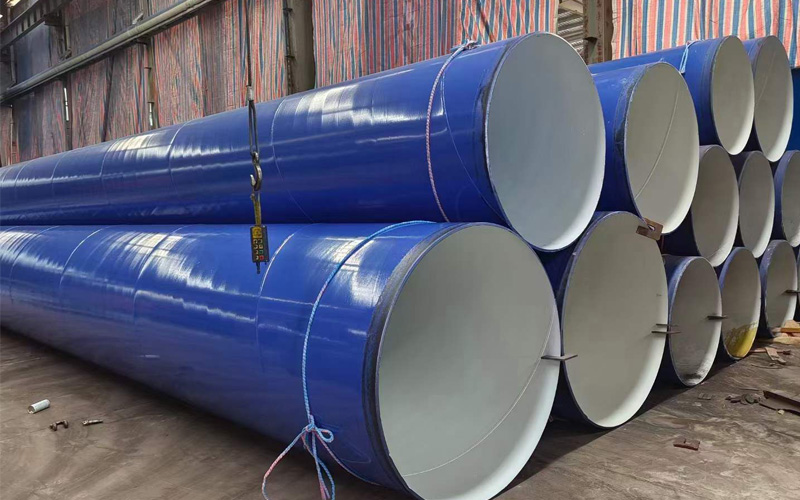
يعمل طلاء FBE كقاعدة ربط أساسية لكل من أنظمة 3LPE و3LPP، حيث يتم تطبيقه مباشرةً على أسطح الأنابيب المطابقة لمعيار ASTM A252 بعد تنظيفها بالسفع الرملي. ويوفر طلاء FBE المستقل مقاومة كيميائية استثنائية في المناطق المعرضة للعوامل الجوية، لكنه يفتقر إلى مقاومة الصدمات الميكانيكية. وهو يتشقق بسهولة تحت تأثير ضربات دق الأوتاد أو تآكل الرواسب، لذا يُحدد استخدام طلاء FBE المستقل فقط لأجزاء الأوتاد الهيكلية الموجودة فوق سطح الماء. تتحكم عملية الطلاء التي تتبعها شركة Allland في شكل السطح الناتج عن السفع الرملي ودرجة حرارة المعالجة لتعظيم قوة التصاق طلاء FBE، مما يمنع حدوث انفصال الطبقات بين الأنابيب الفولاذية والطبقات البوليمرية الخارجية على مدى عقود من التعرض للبيئة البحرية.
ضوابط جودة الإنتاج في شركة «ألاند بايبس»: تحقيق التوافق مع المعايير الهندسية
يتطلب التغلب على التحديات التي تواجه تصنيع الأنابيب الفولاذية ذات الجدران السميكة المصنوعة بتقنية LSAW اعتماد سير عمل متكامل يشمل الاختبارات غير المدمرة (NDT) على طول الأنبوب بالكامل والتحقق الميكانيكي، وهي إحدى القدرات الأساسية لشركة «هيبي ألاند لتصنيع الأنابيب الفولاذية» المحدودة، وهي مؤسسة وطنية متخصصة في التكنولوجيا المتقدمة تمتلك مجمعًا إنتاجيًا ذكيًّا تبلغ مساحته 220,000 متر مربع. يستخدم المصنع أنظمة اختبار بالموجات فوق الصوتية، سواء أثناء التشغيل أو خارج نطاق التشغيل، للكشف عن التفرق الدقيق وعيوب اللحام في الوصلات ذات الجدران السميكة. ويمكن لتقنية الكشف الرقمي عن العيوب بالأشعة السينية التكميلية التحقق من تماسك اللحام ذي الاختراق الكامل داخليًّا وضمان عدم وجود فراغات أو شوائب داخلية، مما قد يضعف الأداء الهيكلي تحت الأحمال البحرية طويلة الأمد. بالإضافة إلى فحص اللحام والاختبارات الميكانيكية للدُفعات، بما في ذلك اختبار الشد واختبار الانحناء البارد، يتم التحقق بدقة من مقاومة الخضوع الفعلية للأنابيب الفولاذية لضمان تلبية كل أنبوب فولاذي لمواصفات ASTM A252 بالكامل. تعمل معدات تشطيب أطراف الأنابيب ذات التحكم الرقمي (CNC) عالية الدقة على توحيد زوايا الشطبة والتسطيح بشكل أكبر، وتوفر ربطًا دقيقًا ومحكمًا للتجميع البحري في الموقع، وتزيل الضعف الهيكلي في وصلات الأنابيب.
الخاتمة
إنتاج أنابيب ASTM A252 ذات الجدران السميكة المخصصة للاستخدام البحري أنابيب الخوازيق يتطلب الأمر تكنولوجيا هندسية عالية الدقة لضمان سلامة الأساسات على المدى الطويل. فهذه الأنابيب تتحمل الصدمات العنيفة الناتجة عن دق الأوتاد والمخاطر البحرية طوال عمرها التشغيلي، بما في ذلك أحمال الأمواج، والتآكل الناتج عن المياه المالحة، والتآكل الناتج عن قاع البحر. ويمكن أن تؤدي العيوب التصنيعية الصغيرة في دقة القولبة أو خصائص المواد أو الطلاء المضاد للتآكل إلى تعريض السلامة الهيكلية لمزارع الرياح البحرية والجسور البحرية والموانئ العميقة للخطر.
عالية الجودة خوازيق الأنابيب الفولاذية تعتمد على التصنيع الدقيق وتقنية الأنابيب الفولاذية LSAW الموثوقة لحل التحديات الرئيسية في مجال الهندسة البحرية. وتستخدم الشركات المصنعة الرائدة تقنيات اللحام JCOE وLSAW المتطورة لتقليل الإجهاد المتبقي إلى أدنى حد، وتوفير توزيع متجانس للحمل، وتحسين مقاومة الصدمات واستقرار اللحام. يحافظ التنظيم الدقيق لتركيب المواد على ليونة الأنابيب من نوع ASTM A252 الدرجة 3، مما يمنع بشكل فعال حدوث أعطال الإجهاد البحري على المدى الطويل.
تساهم خطط مكافحة التآكل المصممة خصيصًا في تعزيز متانة الأساسات في البيئة البحرية القاسية. الاختيار الرشيد بين طلاء 3LPP مقابل طلاء 3LPE بالاقتران مع طبقات التمهيدي FBE عالية الجودة، توفر هذه الحلول حماية مخصصة ضد التآكل والتآكل في مختلف المناطق البحرية. وبفضل ضوابط الجودة الصارمة التي تشمل الاختبارات غير المدمرة، ساهمت حلول التصنيع والطلاء المتكاملة هذه في تحسين موثوقية وعمر خدمة البنية التحتية للأعمدة البحرية بشكل كبير.

ASTM A53 مقابل API 5L: دليل للاختيار والتطبيق
في مجال الأنابيب الصناعية، ASTM A53 وAPI 5L هما معياران رئيسيان يستخدمان على نطاق واسع، ولكنهما مختلفان تمامًا في الوضعيات. ASTM...

مقدمة: تحدد الاختلافات التكنولوجية النجاح أو الفشل، ويجب أن يكون الاختيار “دقيقًا”
في مشاريع نقل النفط والغاز والبنية التحتية البلدية وغيرها من المشاريع الكبرى، يؤثر الاختيار المعقول لعملية لحام الأنابيب الفولاذية بشكل مباشر على المشروع...
تحليل كثافة الفولاذ: الاختلافات الأساسية بين الفولاذ الكربوني الطري والمتوسط والتطبيقات الصناعية
تُعد كثافة الفولاذ أحد العوامل الرئيسية التي تحدد خصائصه الفيزيائية وتطبيقاته الصناعية. الحالة النظرية لكثافة الفولاذ...
أنابيب الصلب المطلي ب 3LPE: حاجز صلب في مجال الحماية من التآكل الصناعي
في البيئة القاسية للنفط والغاز، والصناعات الكيميائية، وشبكة الأنابيب الحضرية، وما إلى ذلك، فإن موثوقية ومقاومة التآكل على المدى الطويل لنظام خطوط الأنابيب...
الأنابيب المطلية بـ 3LPP: واقي مضاد للتآكل في درجات الحرارة العالية وبيئة الضغط العالي
في بعض البيئات الخاصة الصعبة مثل التنقيب عن النفط والغاز في أعماق البحار ونقل النفط الخام في درجات حرارة عالية، تواجه الطلاءات التقليدية المضادة للتآكل تحديات كبيرة في بعض البيئات الخاصة الصعبة مثل التنقيب عن النفط والغاز في أعماق البحار ونقل النفط الخام في درجات حرارة عالية...
أنابيب الصلب FBE: الدرع التكنولوجي لخط الدفاع الصلب
I في المياه الجليدية تحت خط أنابيب بحر النرويج، يوجد قسم من أنابيب الصلب الكربوني المبطنة من الصلب الكربوني FBE في الخدمة منذ 25...