



في إنشاء خطوط الأنابيب البرية, ، إن ربط مقاطع الأنابيب الفولاذية ذات القطر الكبير بطريقة موثوقة هو ما يحدد سلامة المشروع بأكمله وعمره التشغيلي. وتواجه فرق العمل الميدانية تحديات يومية، منها عدم تطابق الأبعاد، وسوء إعداد الحواف المائلة، وعدم كفاية التحكم الحراري. ويمكن لأي من هذه المشكلات أن يؤدي إلى فشل اللحام.
يتجاهل هذا الدليل التصنيفات الأساسية. وبدلاً من ذلك، يقدم مرجعاً تقنياً حول اللحام الميداني للمهندسين وفرق المشاريع. وسنتناول تصميم الحواف المائلة، والتسخين المسبق للفولاذ عالي القوة، واختيار المواد الاستهلاكية بما يتوافق مع مواصفات API 5L ومعايير EN 10217، وتنفيذ إجراءات لحام الأنابيب الفولاذية، وتكامل طلاء الوصلات في الميدان.
1. التحضير والتحقق قبل اللحام: أبعاد الأنابيب ومعايير الشطف
1.1 التحقق الميداني من أبعاد الأنابيب الفولاذية
قبل وضع آلة الشطف في مكانها، يجب على فريق مراقبة الجودة التحقق من الأبعاد الهندسية للأنابيب الواردة. ويجب استخدام جداول الأبعاد التي تم التحقق منها للتأكد من سماكة الجدار والقطر الخارجي قبل عملية التركيب.
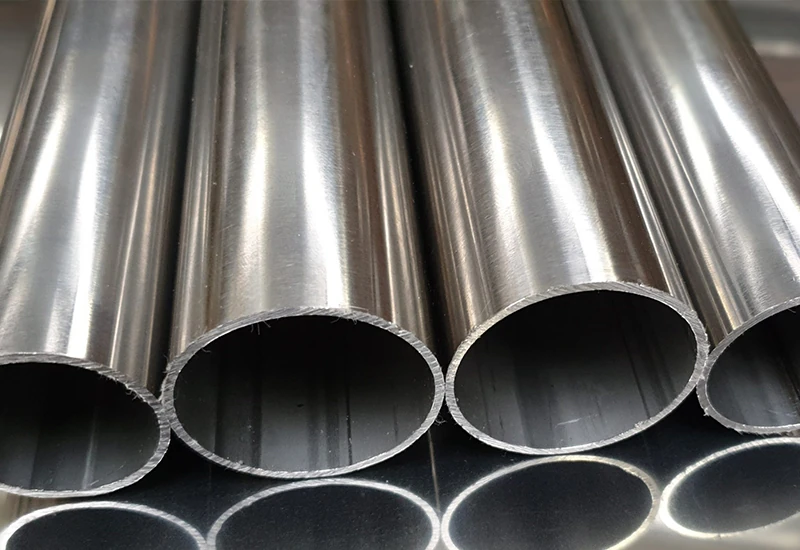
تشمل المعلمات الرئيسية التي يجب التحقق منها القطر الخارجي للأنبوب الفولاذي وسماكة الجدار. ومن المراجع الشائعة ما يلي: أبعاد الأنابيب الفولاذ 40 الجدول 40. تأكد من أن الاختلاف في المستوى (الارتفاع والانخفاض) يظل ضمن الحدود المحددة في قواعد التصميم.
تتطلب التطبيقات المختلفة تفاوتات مختلفة. بالنسبة لأعمدة الأنابيب الفولاذية، والحرائق أنابيب فولاذية للرشاشات, ، أو أنابيب الصرف ذات القطر الكبير، يرجى الرجوع إلى معايير الانحرافات الأبعاد ذات الصلة. وتُظهر السجلات الميدانية أن إجراء التحقق السليم يقلل من عمليات إعادة العمل بنحو 30%.
1.2 الشطف الدقيق في الموقع للأنابيب الملحومة بالكهرباء (ERW) و LSAW
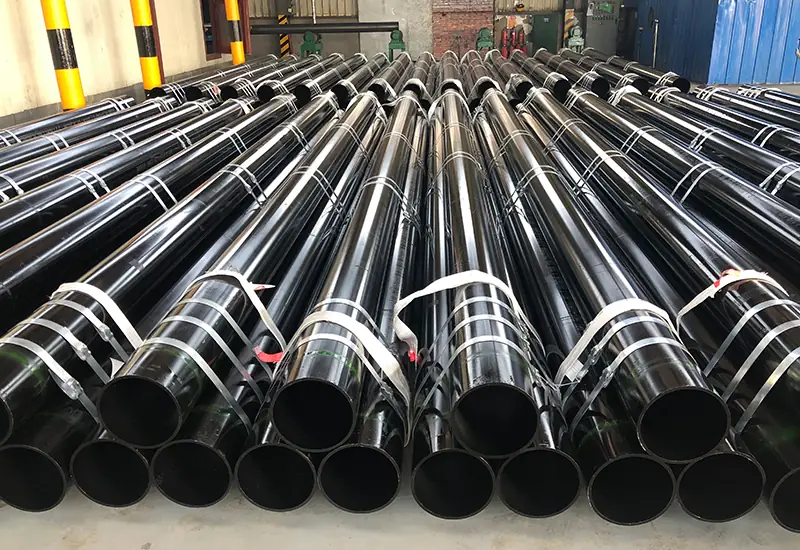
بالمقارنة مع الأنابيب غير الملحومة، فإن منتجات الأنابيب الفولاذية الملحومة مثل أنابيب LSAW قد تحتوي على تشوهات طفيفة في الأطراف ناتجة عن خطوط اللحام الطولية. وهذا الأمر يتطلب الانتباه.
- الأنابيب الفولاذية LSAW: تتميز هذه الأنابيب عادةً بجدران أكثر سمكًا. وهي تتطلب إجراء عملية شطف آلي. ويُعد الشطف على شكل حرف V مفرد أو مركب بزاوية تتراوح بين 30° و35° خيارًا مناسبًا. يجب الحفاظ على سطح الجذر عند 1.5 مم إلى 2.0 مم. كما يجب ضبط فجوة الجذر بين 2.0 مم و3.0 مم.
- الأنابيب الملحومة بالكهرباء (ERW): غالبًا ما يكون سمك الجدار قياسيًا، مثل سمك الأنابيب من النوع «سكيجدول 40». استخدم القطع بالغاز المحمول مع الصقل أو آلة تشطيب الحواف الهوائية للتحضير السريع. وهذا يناسب العديد من الظروف الميدانية.
2. إدارة الحرارة: متطلبات التسخين المسبق للفولاذ الكربوني عالي القوة
2.1 الأسس المعدنية لمنع تشقق المعادن
عند لحام أنابيب خطوط ذات درجات عالية القوة مثل API 5L X65، أو مواد الفولاذ الكربوني القياسية ذات الجدران السميكة مثل ASTM A106 و ASTM A53 الدرجة ب, ، كما أن زيادة سماكة الجدران وارتفاع مكافئ الكربون (CE) يؤديان إلى زيادة المخاطر. وقد يؤدي التبريد السريع في منطقة اللحام والمنطقة المتأثرة بالحرارة (HAZ) إلى تكوين بنى مجهرية صلبة، مما يزيد من خطر حدوث تشققات ناجمة عن الهيدروجين.
إن فهم الخصائص الحرارية للفولاذ الكربوني يساعد المهندسين على تقدير معدلات التبريد أثناء عملية اللحام. وينطبق ذلك على الدرجات الهيكلية مثل ASTM A500, ، بالإضافة إلى أنابيب الخطوط عالية القوة.
2.2 إرشادات درجة حرارة التسخين المسبق في الموقع
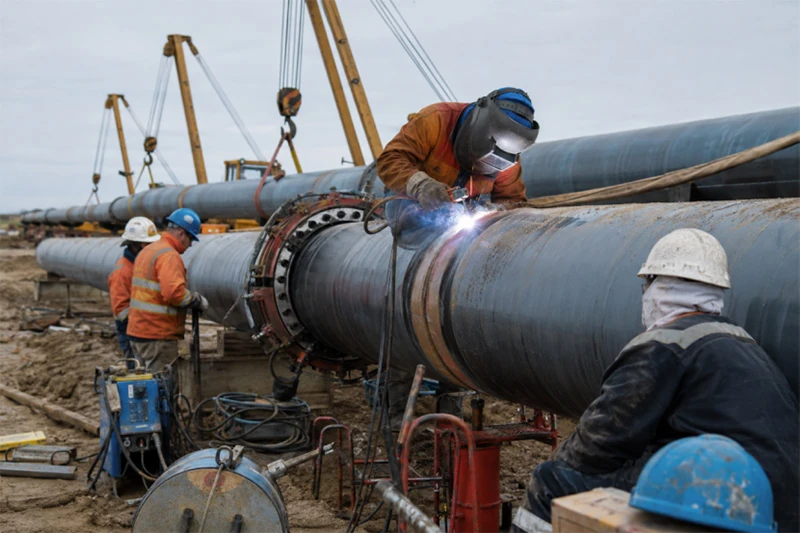
اضبط درجة حرارة التسخين المسبق وفقًا للظروف المحيطة ومواصفات الأنابيب. ويتراوح النطاق المعتاد بين 100 درجة مئوية و150 درجة مئوية. بالنسبة لطرق تركيب خطوط الأنابيب البرية أو خط الأنابيب البحري عند التركيب في الطقس البارد أو الرطب، استخدم وسائد التدفئة الكهربائية أو مدافئ الغاز التي تعمل بالأشعة تحت الحمراء. تأكد من توزيع الحرارة بالتساوي على منطقة الوصلة.
يجب مراقبة درجة الحرارة بين كل تمريرة وأخرى بدقة. تجنب انخفاضها إلى درجة منخفضة جدًّا أو ارتفاعها إلى درجة عالية جدًّا أثناء اللحام متعدد التمريرات. ويُعد هذا التحكم أمرًا ضروريًّا للأنابيب الفولاذية عالية القوة.
3. اختيار المواد الاستهلاكية: مطابقة المعايير ودرجات القوة
3.1 الالتزام بالمعايير الدولية (API 5L & EN 10217)
يجب أن تتساوى معادن الحشو مع المعدن الأساسي أو تتفوق عليه قليلاً من حيث مقاومة الشد، ومقاومة الخضوع، ومقاومة الصدم. إذا كان الأنبوب الأساسي متوافقاً مع API 5L أو معايير EN 10217، يجب أن تستوفي المواد الاستهلاكية المختارة أيضًا متطلبات الاعتماد ذات الصلة. وتعد إمكانية تتبع المواد واعتماد الجهات الخارجية أمرين أساسيين لمشاريع خطوط الأنابيب. وباعتبارها مورد أنابيب الصلب, ، وتضمن شركة «ألاند» إمكانية تتبع المواد.
3.2 عملية اللحام وتركيبات المواد الاستهلاكية
يُعد اللحام SMAW (اللحام بالقضيب) وسيلة موثوقة للأنابيب البعيدة أو في الظروف القاسية خط الأنابيب البري الشروط.
- اللحام الجذري: استخدم أقطابًا سليلوزية مثل E6010 أو E8010. فهي توفر اختراقًا عميقًا ولحامًا من جانب واحد مع تشكيل جيد للوجه الخلفي.
- عمليات التعبئة والتغطية: استخدم أقطابًا قاعدية منخفضة الهيدروجين مثل E7018 أو E8018. فهذه الأقطاب تقلل من الهيدروجين القابل للانتشار وتحسن مقاومة التشقق.
تُعد تقنية GMAW/FCAW (اللحام بالغاز الواقي أو باللب المُذيب) مناسبة للمشاريع عالية الإنتاجية. ويشمل ذلك شركات مد الأنابيب البحرية أو خطوط النفط والغاز البرية ذات الأقطار المتوسطة إلى الكبيرة.
4. تنفيذ مواصفات إجراءات اللحام في الموقع (WPS)
4.1 «روت» و«هوت» و«فيل» و«كاب»: التحكم في التمرير
يُعد التحكم في مرحلة التبلور الخطوة الأكثر أهمية. يجب التحكم في درجة حرارة البركة بعناية. بالنسبة لـ أنبوب بقطر كبيرs, ، فقد تؤدي التقنية الخاطئة إلى حدوث تقعر في الجذر أو عدم اندماج العظام، لا سيما في الأوضاع المستوية أو فوق الرأس.
عمليات اللحام الساخنة والتعبئة: بعد الانتهاء من طبقة الجذر، قم بإزالة الخبث تمامًا باستخدام فرشاة سلكية تعمل بالهواء المضغوط. قم بتنفيذ عملية اللحام الساخنة قبل أن تبرد الوصلة إلى درجة حرارة أقل من درجة الحرارة المحددة بين الطبقات. وهذا يمنع الجذر من التبريد بسرعة كبيرة والتشقق.
4.2 التعامل مع نقطة تقاطع اللحامات الطولية واللحامات المحيطية
عند محاذاة الأنابيب الفولاذية المصنعة بتقنية LSAW، يجب إزاحة اللحامات الطولية للمفاصل المتجاورة بمقدار 100 مم على الأقل أو بزاوية 30 درجة. تجنب تداخل اللحامات الطولية.
عند اللحام بالقرب من تقاطع خط اللحام، يتركز الإجهاد الحراري. قم بضبط تيار اللحام بشكل طفيف لتقليل خطر حدوث تشققات عند تقاطع خط اللحام. تنطبق هذه الممارسة على جميع أنواع الأنابيب الملحومة.
5. حماية الوصلة: دمج نظام طلاء الوصلات الميداني (FJC)
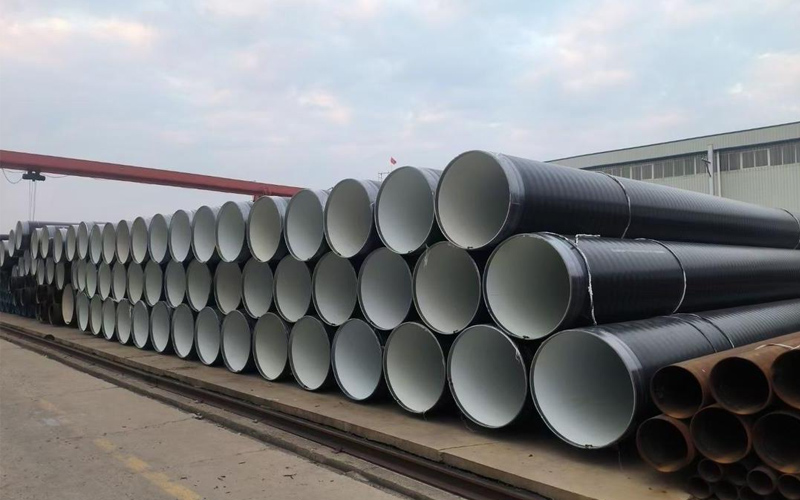
لأغراض النقل والتخزين، تقوم المصانع بتطبيق طلاءات مقاومة للتآكل على الأنابيب المصنوعة من الفولاذ الكربوني. ومن الأنواع الشائعة ما يلي: 3LPE الأنابيب المغلفة, ، الأنابيب المطلية بطبقة ثلاثية من البولي إيثيلين (3PE)، أو الأنابيب المطلية بطبقة من البولي إيثيلين الفلوري (FBE)، أو الأنابيب الفولاذية المطلية بطبقة ثلاثية من البولي بروبيلين (3PP). وبعد الانتهاء من لحام الوصلات المحيطية واجتياز الفحص، تحتاج أطراف الأنابيب المكشوفة إلى طلاء ميداني للوصلات لاستعادة الحماية.
فيما يلي ثلاث طرق شائعة لطلاء الأسطح الميدانية:
- عملية طلاء 3LPE في الموقع: إجراء عملية السفع الكاشطة لمنطقة اللحام حتى مستوى Sa 2.5. تطبيق التسخين الحثي متوسط التردد. ثم يتم تطبيق إيبوكسي سائل ثنائي المكونات أو مسحوق FBE، يلي ذلك مادة لاصقة وغطاء من البولي إيثيلين المتشابك بالإشعاع القابل للانكماش بالحرارة (HSS). وهذا يعيد مستوى حماية الأنابيب الفولاذية 3LPE.
- طلاء FBE (إيبوكسي ملتصق بالانصهار): مناسب لخطوط الغاز الطبيعي وظروف التربة غير العدوانية. التحكم بدقة في درجات حرارة التسخين الحثي ورش المسحوق الكهروستاتيكي.
- 3 ل.ب.ب عملية الطلاء خطوة بخطوة: مصممة لأنابيب النفط البحرية والوسائط ذات درجات الحرارة والضغط العالية. يوفر البولي بروبيلين مقاومة ممتازة للحرارة وقوة صدمية ميكانيكية عالية.
تشغل شركة «ألاند بايبس» خمسة خطوط إنتاج داخلية للطلاء المضاد للتآكل. وتوفر الشركة أنابيب مطلية مسبقًا حسب الطلب، بما في ذلك الأنابيب المضادة للتآكل المطلية بطبقة ثلاثية من البولي إيثيلين (3PE)، والأنابيب الفولاذية المطلية بالإيبوكسي، وخيارات أخرى من الأنابيب المقاومة للتآكل. وتتميز الطلاءات المصنعة في المصنع بتوافق عالٍ مع المواد التي يتم تطبيقها ميدانيًّا.
6. مراقبة الجودة: بروتوكولات الاختبار غير المتلف (NDT)
6.1 التحقق الدقيق للمفاصل الحاملة للضغط والمفاصل الهيكلية
قبل بدء تشغيل خط الأنابيب، يجب فحص جميع اللحامات الميدانية باستخدام طرق الفحص غير التدميري (NDT). يجب اتباع قواعد التصميم المحددة والمصممة خصيصًا للتطبيق: ASME B31.4/B31.8 أو API 1104 لأنابيب نقل النفط والغاز، وAWWA C206 لأنابيب مياه الشرب، وAWS D1.1 للتطبيقات الهيكلية مثل أعمدة الأنابيب الفولاذية المدفوعة. يجب ألا يبقى أي وصلة دون اختبار.
6.2 أهم منهجيات الفحص غير التدميري المطبقة في الموقع
- الاختبار البصري (VT): التحقق من وجود تقطيع سفلي، ومسامية السطح، وارتفاع مفرط في حديد التسليح.
- الفحص بالموجات فوق الصوتية (UT) / PAUT: بالنسبة للأنابيب LSAW ذات الجدران السميكة، يكتشف فحص PAUT حالات نقص الانصهار الداخلي، والخبث، وعدم اكتمال اختراق الجذر.
- الفحص بالأشعة (RT): يُستخدم التصوير الشعاعي التقليدي بالأفلام للتحقق من وجود عيوب حجمية في اللحامات الحلقية لخطوط النقل عالية الجودة.
- اختبار الجسيمات المغناطيسية (MT): يكتشف بسرعة الشقوق السطحية وشبه السطحية في منطقة التأثير الحراري (HAZ).
الخلاصة: موثوقية خط الأنابيب تبدأ بأنابيب أساسية عالية الجودة
يتطلب ربط الأنابيب الفولاذية الملحومة بتقنية LSAW والأنابيب الملحومة بتقنية ERW في الموقع اتباع نهج منهجي في العمل. فمن الفحوصات الأولية للأبعاد والتشطيب المائل الصحيح، وصولاً إلى التحكم في درجة الحرارة والطلاء النهائي، تعتمد كل خطوة على جودة الأنبوب الأساسي. فالمواد الجيدة تجعل عملية اللحام الميداني قابلة للتنبؤ ومتينة.
يعتمد اللحام الفعال على أنابيب فولاذية عالية الجودة وذات دقة عالية. وبصفتنا شركة ذات خبرة شركة مصنعة للأنابيب الفولاذية, ، تنتج شركة «ألاند بايبس» (Allland Pipes) الأنابيب الفولاذية عالية القوة المصنوعة بتقنية LSAW، والأنابيب الملحومة، والمنتجات المتخصصة المقاومة للتآكل وفقًا لمعايير ISO وAPI 5L. للاستفسار عن مواصفات الأنابيب، أو تكلفة الأنابيب الفولاذية ذات القطر الكبير للقدم الواحد، أو سعر الأنابيب الفولاذية الكربونية، أو خيارات الطلاء، يرجى الاتصال بفريق الشركة للحصول على حلول فعالة من حيث التكلفة.

ASTM A53 مقابل API 5L: دليل للاختيار والتطبيق
في مجال الأنابيب الصناعية، ASTM A53 وAPI 5L هما معياران رئيسيان يستخدمان على نطاق واسع، ولكنهما مختلفان تمامًا في الوضعيات. ASTM...

مقدمة: تحدد الاختلافات التكنولوجية النجاح أو الفشل، ويجب أن يكون الاختيار “دقيقًا”
في مشاريع نقل النفط والغاز والبنية التحتية البلدية وغيرها من المشاريع الكبرى، يؤثر الاختيار المعقول لعملية لحام الأنابيب الفولاذية بشكل مباشر على المشروع...
تحليل كثافة الفولاذ: الاختلافات الأساسية بين الفولاذ الكربوني الطري والمتوسط والتطبيقات الصناعية
تُعد كثافة الفولاذ أحد العوامل الرئيسية التي تحدد خصائصه الفيزيائية وتطبيقاته الصناعية. الحالة النظرية لكثافة الفولاذ...
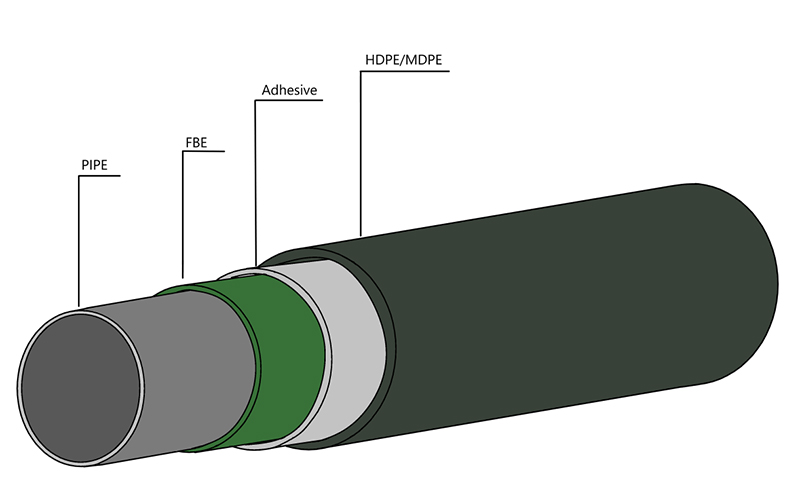
أنابيب الصلب المطلي ب 3LPE: حاجز صلب في مجال الحماية من التآكل الصناعي
في البيئة القاسية للنفط والغاز، والصناعات الكيميائية، وشبكة الأنابيب الحضرية، وما إلى ذلك، فإن موثوقية ومقاومة التآكل على المدى الطويل لنظام خطوط الأنابيب...
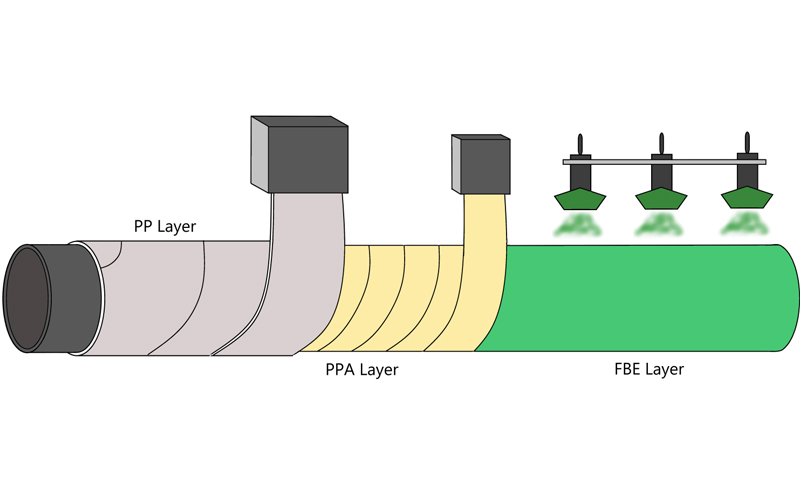
الأنابيب المطلية بـ 3LPP: واقي مضاد للتآكل في درجات الحرارة العالية وبيئة الضغط العالي
في بعض البيئات الخاصة الصعبة مثل التنقيب عن النفط والغاز في أعماق البحار ونقل النفط الخام في درجات حرارة عالية، تواجه الطلاءات التقليدية المضادة للتآكل تحديات كبيرة في بعض البيئات الخاصة الصعبة مثل التنقيب عن النفط والغاز في أعماق البحار ونقل النفط الخام في درجات حرارة عالية...
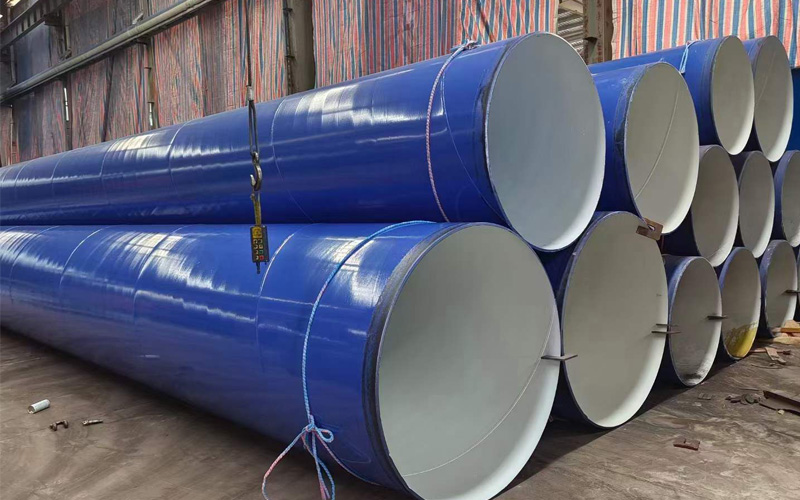
أنابيب الصلب FBE: الدرع التكنولوجي لخط الدفاع الصلب
I في المياه الجليدية تحت خط أنابيب بحر النرويج، يوجد قسم من أنابيب الصلب الكربوني المبطنة من الصلب الكربوني FBE في الخدمة منذ 25...