







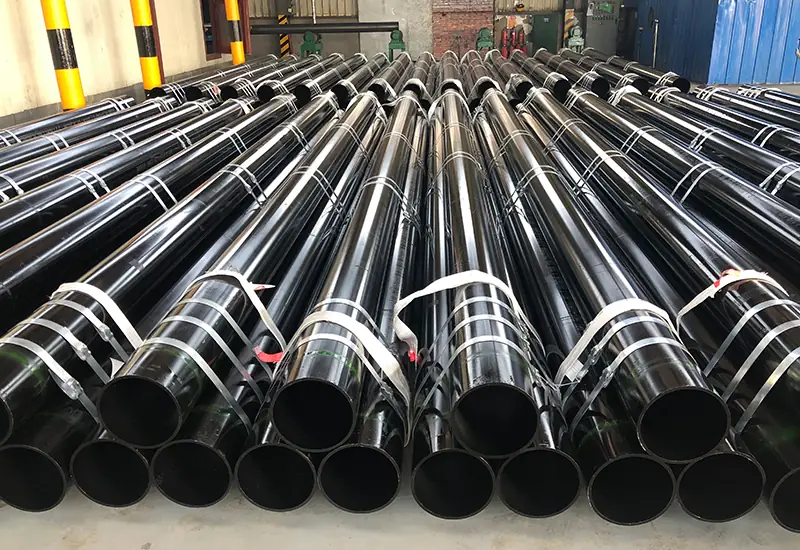
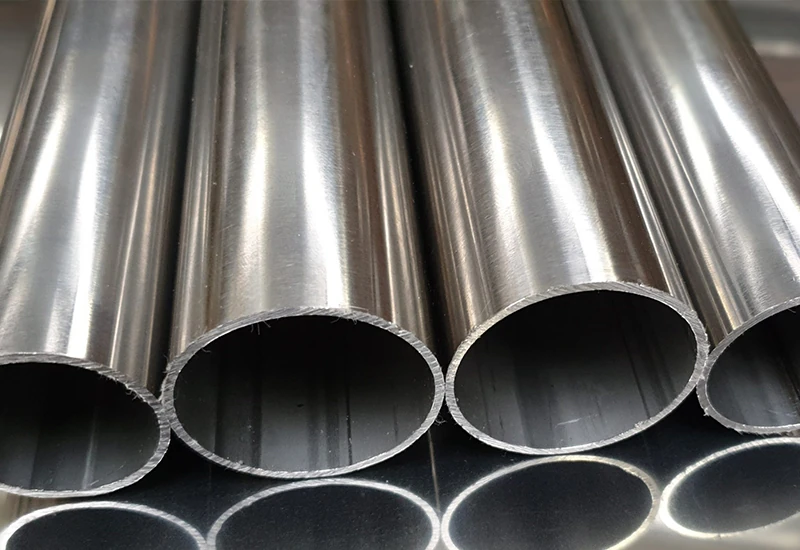


En construcción de tuberías en tierra firme, la unión fiable de tramos de tubería de acero de gran diámetro determina la integridad y la vida útil de todo el proyecto. Los equipos de obra se enfrentan a retos diarios, como la falta de coincidencia dimensional, una preparación deficiente de los biseles y un control térmico inadecuado. Cualquiera de estos problemas puede provocar fallos en las soldaduras.
Esta guía omite las clasificaciones básicas. En su lugar, ofrece una referencia técnica sobre soldadura en obra dirigida a ingenieros y equipos de proyecto. Abordaremos el diseño de los biseles, el precalentamiento del acero de alta resistencia, la selección de consumibles conforme a la especificación API 5L y a las normas EN 10217, la ejecución de procedimientos para tubos de acero soldados y la integración del recubrimiento de las uniones in situ.
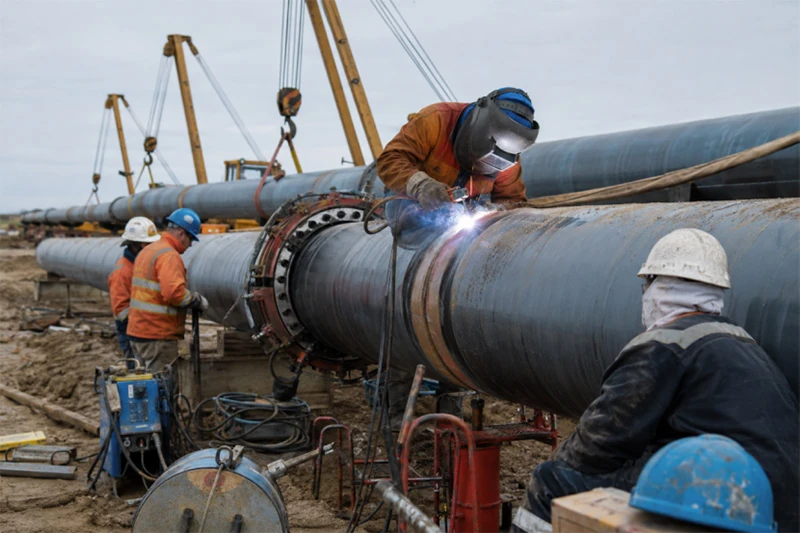
1. Preparación y verificación previas a la soldadura: dimensiones de las tuberías y controles del biselado
1.1 Verificación sobre el terreno de las dimensiones de las tuberías de acero
Antes de colocar la máquina biseladora, el equipo de control de calidad debe verificar las dimensiones geométricas de los tubos que se reciben. Utilice las tablas de dimensiones verificadas para confirmar el espesor de la pared y el diámetro exterior antes del montaje.
Entre los parámetros clave que hay que comprobar se encuentran el diámetro exterior del tubo de acero y el espesor de la pared. Algunas referencias habituales son: dimensiones de los tubos de acero schedule 40. Asegúrese de que la desalineación (alto-bajo) se mantenga dentro de los límites establecidos por la normativa de diseño.
Las distintas aplicaciones requieren tolerancias diferentes. En el caso de los pilotes de tubería de acero, el fuego tubería de acero para aspersores, o en el caso de tuberías de desagüe de gran diámetro, consúltese la normativa correspondiente sobre tolerancias dimensionales. Los registros de obra demuestran que una verificación adecuada reduce las repeticiones de trabajo en aproximadamente un 30%.
1.2 Biselado de precisión in situ para tubos ERW y LSAW
En comparación con los tubos sin costura, los productos de tubos de acero soldados como Tubos LSAW pueden presentar pequeñas irregularidades en los extremos a causa de las costuras de soldadura longitudinales. Esto requiere atención.
- Tubos de acero LSAW: suelen tener paredes más gruesas. Requieren un biselado mecánico. Un bisel simple en V o compuesto de entre 30° y 35° funciona bien. Mantenga la cara de la raíz entre 1,5 mm y 2,0 mm. Ajuste la separación de la raíz entre 2,0 mm y 3,0 mm.
- Tubos ERW: El espesor de la pared suele ser estándar, como el de los tubos de schedule 40. Para una preparación rápida, utilice un sistema portátil de corte con gas, junto con una amoladora o una biseladora neumática. Esta técnica se adapta a numerosas condiciones de obra.
2. Gestión térmica: Requisitos de precalentamiento para el acero al carbono de alta resistencia
2.1 Los fundamentos metalúrgicos de la prevención de grietas
Al soldar tubos de conducción de alta resistencia, como los de la norma API 5L X65, o materiales de acero al carbono estándar con paredes de gran espesor, como los de la norma ASTM A106 y ASTM A53 Grado B, unas paredes más gruesas y un mayor equivalente de carbono (CE) aumentan los riesgos. El enfriamiento rápido en la soldadura y en la zona afectada por el calor (HAZ) puede dar lugar a la formación de microestructuras endurecidas, lo que aumenta el riesgo de agrietamiento inducido por hidrógeno.
Conocer las propiedades térmicas del acero al carbono ayuda a los ingenieros a calcular las velocidades de enfriamiento durante la soldadura. Esto se aplica a los aceros estructurales como ASTM A500, así como tubos de conducción de alta resistencia.
2.2 Directrices sobre la temperatura de precalentamiento in situ
Ajuste la temperatura de precalentamiento en función de las condiciones ambientales y las especificaciones de la tubería. El rango habitual oscila entre los 100 °C y los 150 °C. Para los métodos de instalación de tuberías en tierra o gasoducto en alta mar Si la instalación se realiza en condiciones de frío o humedad, utilice almohadillas eléctricas o calefactores de gas por infrarrojos. Asegúrese de que el calor se distribuya de manera uniforme por toda la zona de la junta.
Controle rigurosamente la temperatura entre pasadas. Evite que baje demasiado o que suba en exceso durante la soldadura de varias pasadas. Este control es esencial para los tubos de acero de alta resistencia.
3. Selección de consumibles: cumplimiento de las normas y grados de resistencia
3.1 Cumplimiento de las normas internacionales (API 5L & EN 10217)
Los metales de aportación deben igualar o superar ligeramente al metal base en cuanto a resistencia a la tracción, límite elástico y tenacidad al impacto. Si la tubería base cumple con API 5L o según la norma EN 10217, los consumibles seleccionados también deben cumplir los requisitos de certificación correspondientes. La trazabilidad de los materiales y la certificación por parte de terceros son esenciales para los proyectos de tuberías. Como proveedor de tubos de acero, Allland garantiza la trazabilidad de los materiales.
3.2 Combinaciones de procesos de soldadura y consumibles
La soldadura SMAW (soldadura con varilla) es fiable para tuberías en zonas remotas o entornos hostiles gasoducto terrestre condiciones.
- Pasa de raíz: Utiliza electrodos de celulosa como el E6010 o el E8010. Proporcionan una penetración profunda y permiten soldar por una sola cara con una buena formación del reverso.
- Pasadas de relleno y de cierre: Utiliza electrodos básicos con bajo contenido en hidrógeno, como el E7018 o el E8018. Estos reducen el hidrógeno difusible y mejoran la resistencia a la formación de grietas.
El proceso GMAW/FCAW (con gas de protección o con alambre con núcleo fundente) es adecuado para proyectos de alta productividad. Entre ellos se incluyen las empresas de tendido de tuberías en alta mar o las tuberías de petróleo y gas en tierra firme de diámetro medio a grande.
4. Ejecución de las especificaciones de procedimientos de soldadura (WPS) in situ
4.1 «Root», «Hot», «Fill» y «Cap»: control de pases
El control de la fase de solidificación es el paso más importante. Controla cuidadosamente la temperatura del baño de fundición. Para tubo de gran diámetros, una técnica inadecuada puede provocar una concavidad radicular o una falta de fusión, especialmente en posiciones planas o por encima de la cabeza.
Pasadas en caliente y de relleno: Una vez completada la pasada de raíz, elimine completamente la escoria con un cepillo de alambre neumático. Aplique la pasada en caliente antes de que la junta se enfríe por debajo de la temperatura entre pasadas especificada. De este modo se evita que la raíz se enfríe demasiado rápido y se agriete.
4.2 Tratamiento de la intersección entre soldaduras longitudinales y circunferenciales
Al alinear tubos de acero LSAW, desplace las costuras longitudinales de las uniones adyacentes al menos 100 mm o en un ángulo de 30°. Evite que las costuras longitudinales se superpongan.
Al soldar cerca de la intersección de las costuras, se concentra la tensión térmica. Ajusta ligeramente la corriente de soldadura para reducir el riesgo de que se produzcan grietas en la intersección de las soldaduras. Esta práctica se aplica a todos los tipos de tuberías soldadas.
5. Protección de la junta: integración del recubrimiento de juntas en campo (FJC)
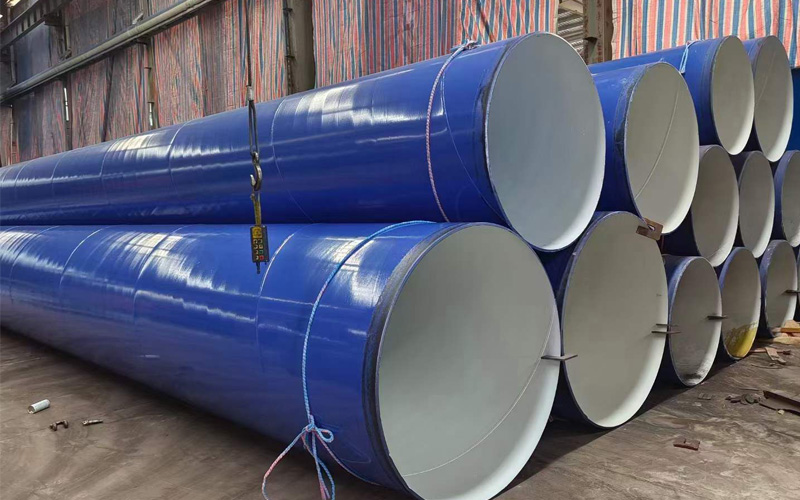
Para su transporte y almacenamiento, las fábricas aplican recubrimientos anticorrosivos a las tuberías de acero al carbono. Entre los tipos más habituales se encuentran: 3LPE tubo revestido, tubos con recubrimiento 3PE, tubos con recubrimiento FBE o tubos de acero con recubrimiento 3PP. Una vez finalizada la soldadura de las juntas circunferenciales y superada la inspección, los extremos desnudos de los tubos deben recibir un recubrimiento in situ para restablecer la protección.
A continuación se presentan tres métodos habituales de recubrimiento sobre el terreno:
- Proceso de recubrimiento 3LPE in situ: Chorro abrasivo en la zona de soldadura hasta alcanzar el grado Sa 2,5. Aplicar calentamiento por inducción de media frecuencia. A continuación, se aplica epoxi líquido de dos componentes o polvo FBE, seguido de adhesivo y una funda termorretráctil de polietileno reticulado por radiación (HSS). De este modo se restablece el nivel de protección 3LPE de la tubería de acero.
- Recubrimiento FBE (epoxi fusionado): Adecuado para tuberías de gas natural y suelos no agresivos. Controle con precisión las temperaturas del calentamiento por inducción y de la pulverización electrostática de polvo.
- 3LPP Proceso de recubrimiento paso a paso: Diseñado para oleoductos marinos y fluidos a alta temperatura y alta presión. El polipropileno ofrece una excelente resistencia al calor y una gran resistencia mecánica al impacto.
Allland Pipes cuenta con cinco líneas propias de recubrimiento anticorrosivo. Suministra tuberías prerrecubiertas a medida, entre las que se incluyen tuberías anticorrosivas 3PE, tuberías de acero con recubrimiento epoxi y otras opciones de tuberías resistentes a la corrosión. Los recubrimientos de fábrica son altamente compatibles con los materiales que se aplican in situ.
6. Control de calidad: Protocolos de ensayos no destructivos (END)
6.1 Verificación rigurosa de las uniones sometidas a presión y de las uniones estructurales
Antes de que una tubería entre en servicio, se deben inspeccionar todas las soldaduras de campo mediante métodos de ensayo no destructivo (END). Siga los códigos de diseño específicos adaptados a cada aplicación: ASME B31.4/B31.8 o API 1104 para tuberías de transporte de petróleo y gas, AWWA C206 para tuberías de agua potable y AWS D1.1 para aplicaciones estructurales, como los pilotes de tubería de acero hincados. No debe quedar ninguna unión sin someter a ensayo.
6.2 Principales métodos de ensayos no destructivos aplicados in situ
- Pruebas visuales (VT): Comprueba si hay socavados, porosidad superficial y altura excesiva del armazón.
- Ensayo por ultrasonidos (UT) / PAUT: En el caso de los tubos LSAW de pared gruesa, el PAUT detecta la falta de fusión interna, la presencia de escoria y la penetración incompleta en la raíz.
- Pruebas radiográficas (RT): La radiografía tradicional con película permite detectar defectos volumétricos en las soldaduras anulares de las líneas de transmisión de alta tensión.
- Ensayo por partículas magnéticas (MT): Detecta rápidamente grietas superficiales y subsuperficiales en la zona afectada por el calor (HAZ).
Conclusión: una tubería fiable comienza con tubos de base de alta calidad
La unión in situ de tubos de acero soldados mediante LSAW y tubos ERW exige un trabajo sistemático. Desde las comprobaciones dimensionales iniciales y el biselado adecuado hasta el control de la temperatura y el recubrimiento final, cada paso depende de la calidad del tubo base. Unos buenos materiales garantizan que la soldadura in situ sea predecible y duradera.
Una soldadura eficaz depende de tubos de acero de alta precisión y calidad. Como empresa con amplia experiencia fabricante de tubos de acero, Allland Pipes fabrica tubos de acero de alta resistencia con soldadura longitudinal por arco (LSAW), tubos soldados y productos especiales anticorrosión conformes a las normas ISO y API 5L. Si tiene alguna consulta sobre las especificaciones de los tubos, el coste por pie de los tubos de acero de gran diámetro, el precio de los tubos de acero al carbono o las opciones de recubrimiento, póngase en contacto con su equipo para obtener soluciones rentables.

ASTM A53 frente a API 5L: Guía de selección y aplicación
En el campo de las tuberías industriales, ASTM A53 y API 5L son dos normas clave muy utilizadas, pero con posiciones muy diferentes. ASTM...

Introducción:Las diferencias tecnológicas determinan el éxito o el fracaso, y la selección debe ser “precisa”
En la transmisión de petróleo y gas, las infraestructuras municipales y otros grandes proyectos, la elección razonable del proceso de soldadura de tubos de acero afecta directamente al proyecto...
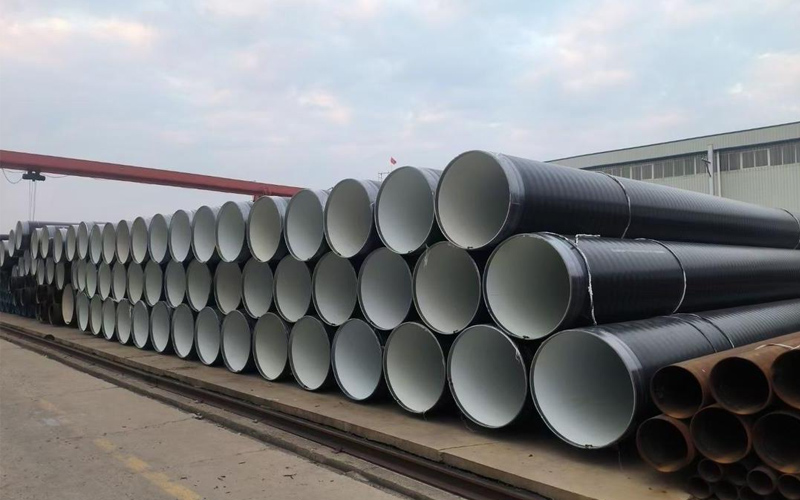
Análisis de la densidad del acero: Diferencias fundamentales entre aceros al carbono suaves y medios y aplicaciones industriales
La densidad del acero es uno de los parámetros clave que determinan sus propiedades físicas y aplicaciones industriales. Estado teórico de la densidad del acero...
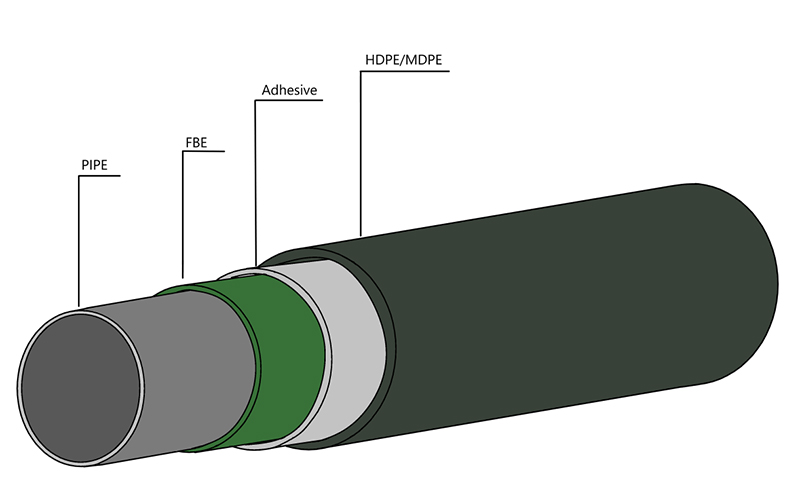
Tubos de acero revestidos con 3LPE: una barrera sólida en el campo de la protección contra la corrosión industrial
En el duro entorno del petróleo y el gas, la industria química, la red de tuberías urbanas, etc., la fiabilidad a largo plazo y la resistencia a la corrosión del sistema de tuberías...
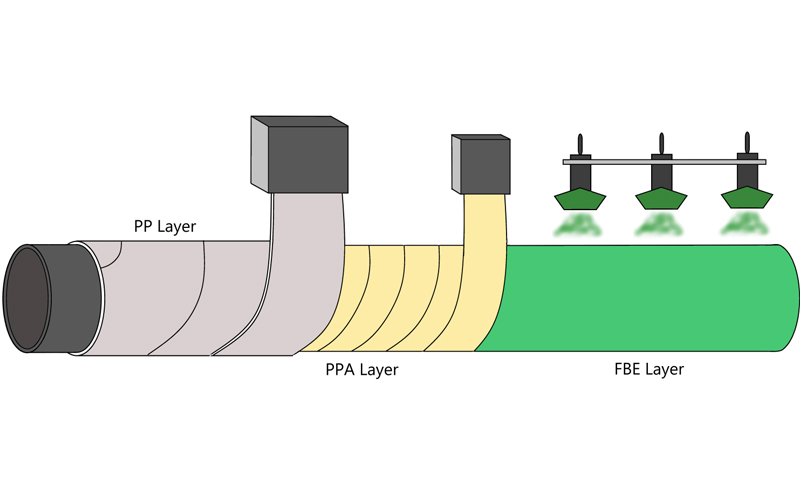
Tubo con revestimiento 3LPP: protección anticorrosión en entornos de alta temperatura y alta presión
En algunos entornos especiales difíciles, como la prospección de petróleo y gas en aguas profundas y el transporte de crudo a altas temperaturas, los revestimientos anticorrosión tradicionales se enfrentan a...
Tubos de acero FBE: el blindaje tecnológico de la línea de defensa del acero
I En las gélidas aguas bajo el oleoducto del Mar de Noruega, una sección de tubería de acero al carbono con revestimiento FBE ha estado en servicio durante 25...