




For engineers and cross-border purchasing managers in charge of large-scale infrastructure, water conveyance or piling projects, it is a core responsibility to purchase a large number of large-diameter steel pipes—but it also brings a major challenge: to strike a balance between the project quality and budget control. In many cases, the choice of pipeline type and supplier directly determines the long-term durability, operation safety and overall cost-effectiveness of the project. spiral steel pipes, especially spiral pipes, have become the first choice solution for these large-scale projects because of its unique structural advantages and cost-effectiveness. This article will clarify what a spiral steel pipe is, distinguish it from other types of welded steel pipes, and explain why cooperation with reliable spiral steel pipe manufacturers in China is the key to reduce the project costs without sacrificing quality.
With the increasing demand of global infrastructure — from urban water supply networks to port construction and low-pressure gas transmission-the demand for high-quality spiral steel pipes are also rising steadily. According to research, the global market size of spiral submerged arc welding pipe is about USD 5.819 billion in 2025, and it is expected to reach 7.507 billion US dollars by 2032, with a compound annual growth rate (CAGR) of 3.8% from 2026 to 2032. This growth highlights the key role of spiral steel pipes in modern engineering, making it more important than ever for procurement professionals to know how to effectively purchase spiral steel pipes, especially from China, a global center for steel pipe production with high quality and competitive cost.
What is a Spiral Steel Pipe?
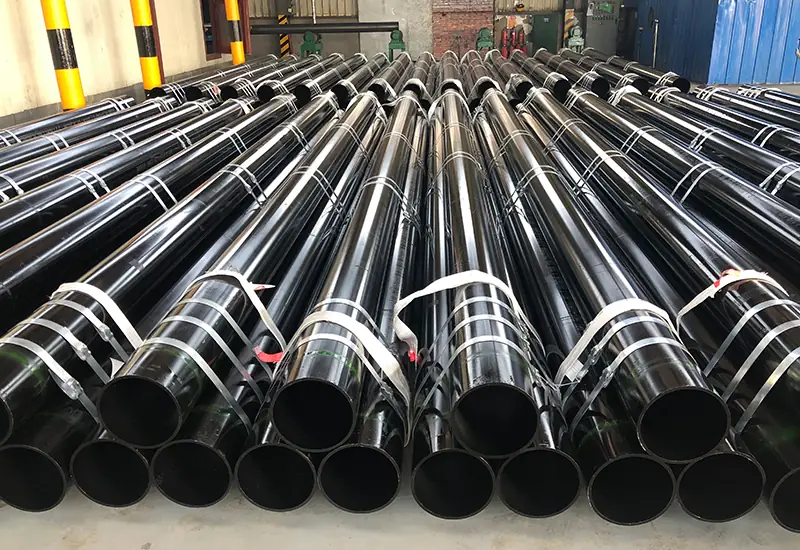
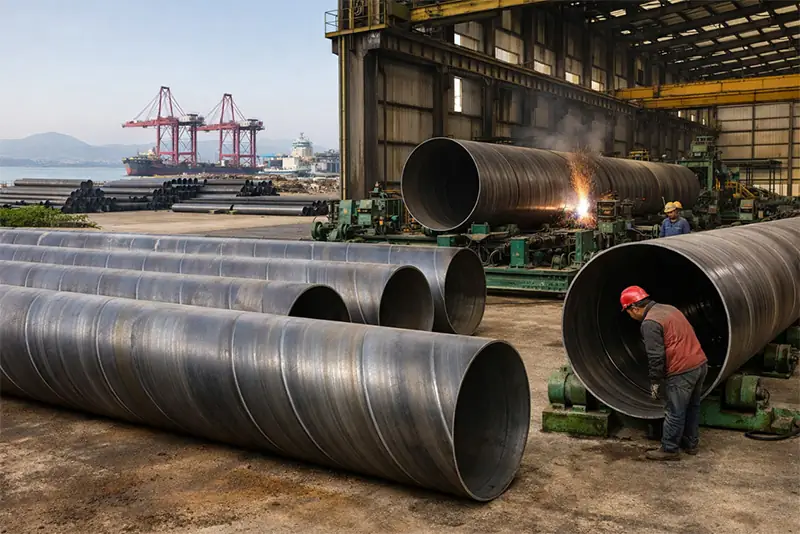
A spiral steel pipe is usually called SSAW steel pipe (spiral submerged arc welded pipe), which is a kind of welded steel pipe made by combining spiral forming and submerged arc welding. The core manufacturing principle includes feeding the hot rolled steel strip into a forming machine, continuously winding it into a spiral shape at a preset spiral angle (usually 30–70°) in the forming machine, and then welding it with double-sided submerged arc welding to form a seamless and firm pipe body.
The submerged arc welding technology-the welding arc is covered by a layer of flux-ensures that the weld is dense and uniform, and there are no defects such as cracks, pores or slag inclusions. This leads to the welding strength at least equal to the strength of the foundation steel, ensuring that the pipeline can withstand internal pressure and external loads. Different from other welded pipes, the spiral structure of the spiral pipes can distribute stress more evenly across the whole pipe body when it bears internal pressure, which makes it have high deformation resistance and leakage resistance.
One of the most remarkable advantages of spiral steel pipes are its flexibility in producing large diameter pipes. By adjusting the spiral angle and the width of the steel strip, manufacturers can produce pipes with diameters up to 3,000 mm or larger, which is far beyond the feasible range of other welding processes. This means that a single spiral steel pipe manufacturer can meet the needs of diversified projects, from small-scale water pipelines to large-diameter municipal or industrial pipelines, using relatively narrow steel belts, which improves the utilization rate of materials and reduces waste.
Spiral (SSAW) versus LSAW versus ERW: a comprehensive comparison
When purchasing steel pipes for large-scale projects, the purchasing manager is often faced with the choice between three main types of welded pipes: spiral welded pipe (SSAW), LSAW welded pipe (longitudinal submerged arc welding) and ERW pipe (resistance welded pipe) Each one has its own unique manufacturing processes, advantages and applications. Understanding these differences is very important for making correct purchasing decision. The following table provides a detailed comparison to help you evaluate which type is best for your project requirements.
| Comparison Factor | Spiral (SSAW) Steel Pipe | LSAW Steel Pipe | ERW Steel Pipe |
| Manufacturing Method | Hot-rolled steel strip is wound into a spiral shape at a specific angle and welded with double-sided submerged arc welding. | Single heavy steel plate is pressed or rolled into a pipe blank and welded with double-sided submerged arc welding, then expanded to the desired size. | Hot-rolled wide steel strip is pre-bent, continuously formed, and welded using high-frequency electric resistance (no welding wire or flux required). |
| Diameter Range | Most flexible, typically 200mm to 3000mm+ (can be customized to larger sizes via thermal expansion for special projects). | Medium to large, usually 406mm to 1422mm (varies by manufacturer). | Small to medium, maximum diameter up to 600mm (limited by the manufacturing process). |
| Cost-Effectiveness | Highest cost-effectiveness for large-diameter pipes: high material utilization (up to 95%+), continuous production process reduces labor costs, and narrow steel strips can produce large-diameter pipes. | Higher cost due to lower material utilization (single steel plate cutting leads to waste) and more complex forming processes; cost increases significantly with larger diameters. | Cost-effective for small-diameter, thin-walled pipes; fast welding speed reduces production costs, but not suitable for large-diameter or high-pressure applications. |
| Typical Use | Municipal water supply and sewage treatment, port piling, bridge foundations, low-pressure fluid transmission, dredging projects, and general structural applications. | High-pressure oil and gas trunk lines, offshore pipelines, and projects requiring high pressure and high toughness (e.g., alpine regions or urban dense areas). | Ordinary structural pipes, building pipelines, small-diameter water and gas pipelines, and low-pressure fluid transmission in residential or light industrial projects. |
As shown in the table, SSAW steel pipes stand out because of their versatility and cost-effectiveness, especially for large-scale projects that require large-diameter pipelines. For purchasing managers who focus on balancing quality and budget, this makes spiral steel pipes the ideal choice–these advantages can be further enhanced by working with a reputable manufacturer of spiral steel pipe in China.
Main Uses of Spiral Steel Pipes
Helical steel pipes are widely used in various industries because of its structural strength, large diameter capacity and cost efficiency. The following are the three most common application areas to help purchasing managers and engineers determine whether spiral pipes are suitable for their specific project.
1. Water and fluid transmission
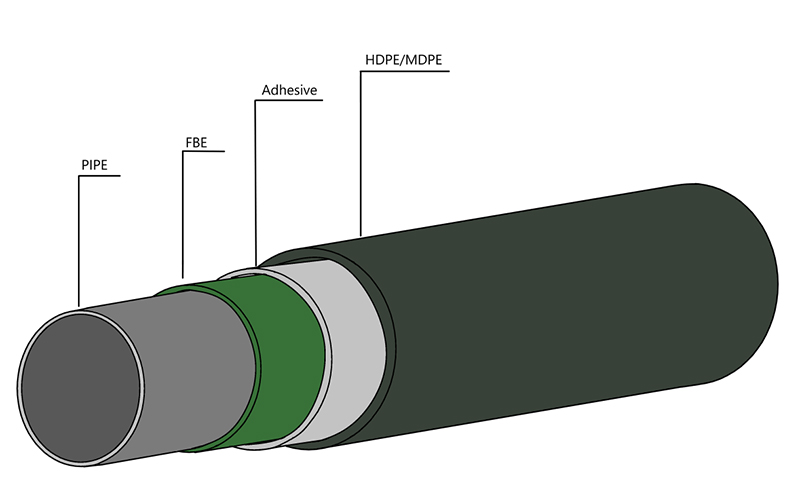
The transmission of water and fluid is one of the largest application fields of spiral steel pipes. Municipal water supply networks, sewage treatment systems and industrial fluid pipelines all rely on SSAW steel pipe to transport large amounts of fluid efficiently and reliably. In these applications, corrosion resistance is very important-underground or underwater pipelines are exposed to moisture, soil and chemicals, which can lead to rust and aging over time. China’s top spiral steel pipe manufacturers provide professional anti-corrosion coating services, such as 3PE (three-layer polyethylene) and FBE (fusion-bonded epoxy) coatings, so as to prolong the service life of the pipeline. 3PE coating consists of a bottom epoxy powder layer, a middle adhesive layer and an outer polyethylene layer, which has excellent mechanical strength and impact resistance, while FBE coating provides a dense anti-corrosion barrier, which is very suitable in high-corrosion environments.
2. Structural & Piling
In infrastructure projects such as port construction, bridge foundations and pile driving of high-rise building, spiral steel pipes are paid attention to because of their high vertical bearing capacity and customizable length. The spiral structure of the SSAW steel pipe distributes the load evenly, enabling it to bear the weight of buildings, bridges or port facilities. Chinese manufacturers can produce spiral steel pipes with customized lengths (up to 12m or longer) and thicknesses to ensure that they can meet the specific requirements of different piling projects. For example, in port construction, spiral steel pipes are used as pile foundations for supporting docks and berths, while in bridge engineering, they provide stable support for piers, even in harsh marine or wetland environments.
3. Dredging & Low-Pressure Gas Transmission
Dredging projects, such as river and port dredging, require pipelines to be able to withstand the wear and pressure of sand, sediment and water. The solid structure and wear resistance of spiral pipes make it an ideal choice for dredging pipelines, because it can handle high-velocity and abrasive materials without deformation or leakage. In addition, spiral steel pipes are widely used in low-pressure natural gas transmission systems, its large diameter allows efficient gas transmission, and its tight weld ensures no gas leakage, thus ensuring safe operation. In these applications, the cost-effectiveness of SSAW steel pipe makes it a more practical choice than LSAW steel pipes, which is more expensive and does not need to be used in low-pressure applications.
Why Source from Chinese Spiral Steel Pipe Suppliers?
China has long been known as the “factory of the world”, but in the spiral steel pipe industry, it is not only a low-cost production center-it is also a source of high-quality and reliable products supported by advanced technology and strict quality control. For cross-border purchasing managers, purchasing SSAW steel pipe from China’s top spiral steel pipe manufacturer has three advantages, which can directly meet the core challenges of project quality and cost control.
1. Cost & Scale Advantages
China’s complete steel supply chain is the base of its cost competitiveness. The country is the largest steel producer in the world, with abundant raw materials (such as iron ore and steel strips) and a mature production ecosystem, which reduces transportation and production costs. This enables manufacturers of spiral steel pipe in China to provide spiral pipes at competitive prices-usually 15% to 30% lower than those in Europe, North America or other regions-without affecting the quality. In addition, Chinese manufacturers have strong production capacities: top companies such as Hebei Allland Steel Pipe Manufacturing Co., Ltd. have an annual production capacity of 200,000 tons for LSAW pipes and 4 million square meters for anti-corrosion coatings, which enables them to efficiently handle large orders and deliver them within a tight time limit. This scale advantage is very important for large-scale projects that need thousands of meters of pipelines, because it can ensure consistent supply and avoid delays.
2. Strict Quality Assurance
China’s top spiral steel pipe manufacturers follow international quality standards, including API 5L (American Petroleum institute), ASTM (American Society for Testing and Materials) and EN (European Standard), to ensure that their SSAW steel pipe meet the requirements of global projects. For example, Hebei Allland Pipes, a leading Chinese supplier, has introduced advanced production and testing equipment, including X-ray flaw detection, hydrostatic testing, and ultrasonic testing, to ensure the quality of each pipe. Hydrostatic testing includes filling the pipe with water and applying pressure to check for leakage, while X-ray flaw detection can identify hidden defects in welds. These tests can ensure that the pipeline can withstand the expected pressure and load. According to the American Petroleum institute (API), API 5L is the most widely used pipeline steel pipe standard in the world, and the Chinese manufacturers who meet this standard have obtained the quality recognition in international markets. Many suppliers in China have also obtained ISO 9001 quality management system certification, which further demonstrating their commitment to quality.
3. Comprehensive Customization Services
Every large-scale project has its own unique requirements, and China spiral steel pipe manufacturers are good at providing one-stop customized services to meet these requirements. From customized outside diameter and wall thickness to pipe end beveling and anti-corrosion coating, manufacturers can tailor SSAW steel pipe to meet the specific requirements of your project. For example, if a project requires a non-standard pipeline with a specific length or thickness, Chinese manufacturers can adjust their production process to meet this demand. In addition, many suppliers provide value-added services, such as packaging, logistics and after-sales support, making the procurement process seamless and efficient. Hebei Allland Pipes, for instance, has a dedicated anti-corrosion company that offers 3PE, 2PE, FBE, and other coating services, ensuring that the pipes are protected against corrosion in any environment.
FAQ: Common Questions About Sourcing Spiral Steel Pipes from China
When purchasing spiral pipes from China spiral steel pipe manufacturers, purchasing managers often have questions about quality, certification, lead times and customization. The following are the most frequently asked questions to help you simplify the purchasing process.
Q1: Do Chinese spiral steel pipe manufacturers meet international quality standards?
A: Yes. The top spiral steel pipe manufacturers in China strictly abide by international standards such as API 5L, ASTM and EN, which are widely recognized in global engineering projects. Most reputable suppliers also hold ISO 9001 quality management system certification, and carry out strict tests (including X-ray flaw detection and hydrostatic test) to ensure that each SSAW steel pipe meets quality requirements. Many manufacturers in China have also passed third-party inspections to verify the quality of products for international markets.
Q2: What is the typical lead time for large-volume SSAW steel pipe orders from China?
A: The delivery time varies depending on order quantity, customization requirements and production plan, but for large-volume orders, the delivery time is usually between 20 and 45 days. For spiral pipes with standard size without special customization (such as standard diameter and thickness), the delivery cycle can be as short as 15 to 25 days. Top manufacturers with large production capacities (like Hebei Allland Pipes) can handle urgent orders more efficiently, reducing lead times by 5 to 10 days if needed.
Q3: Can China suppliers provide customized anti-corrosion coating for SSAW steel pipes?
A: Of course. Most leading spiral steel pipe manufacturers in China provide one-stop anti-corrosion coating services to meet the specific needs of different applications. Common coating options include 3PE (three-layer polyethylene), FBE (fusion-bonded epoxy), 2PE, and internal cement mortar linings (often used for water transmission). Suppliers can also customize the coating thickness and material according to the project environment (for example, Highly corrosive underground or marine environment) to prolong the service life of the SSAW steel pipe.
Q4: How can I check the quality of spiral pipes before shipment?
A: Well-known suppliers in China provide various quality verification methods. You can request a third party organization (such as SGS or BV) to carry out pre-shipment inspection (PSI) to test the quality of spiral pipes, including welding strength, size and corrosion resistance. In addition, suppliers can provide test reports (such as hydrostatic test report and X-ray inspection report) to prove that the product meet the requirements. Many manufacturers also allow their customers to send their own inspectors to the factory for on-site quality inspection.
Q5: Compared with other countries, how is the cost-effectiveness of spiral pipes in China?
A: Thanks to China’s comprehensive steel supply chain, abundant raw materials and mature production technology, China spiral steel pipe manufacturers can provide SSAW steel pipe at a price 15% to 30% lower than that of manufacturers in Europe, North America or other regions without affecting the quality. This cost advantage is especially significant for large orders, which helps the purchasing managers to control project budgets and ensure high-quality products at the same time.
Conclusion
spiral pipes is the best choice for large-scale infrastructure, water conveyance, piling or low-pressure natural gas projects that require large-diameter and low-cost pipelines. Its unique spiral structure, uniform stress distribution and large diameter ability make it more universal and economical than LSAW or ERW pipes. When purchasing SSAW steel pipe, cooperation with top spiral steel pipe manufacturers in China is the key to balance the quality and budget-China suppliers provide competitive prices, strict quality control and comprehensive customized services to meet the global project needs.

ASTM A53 vs. API 5L: A Guide to Selection and Application
In the field of industrial piping, ASTM A53 and API 5L are two key standards that are widely used, but have very different positions. ASTM...

Introduction:Technology differences determine success or failure, and selection needs to be “precise”
In oil and gas transmission, municipal infrastructure and other major projects, the reasonable choice of steel pipe welding process directly affects the project...
Steel Density Analysis: Core Differences between Mild and Medium Carbon Steels and Industrial Applications
The density of steel is one of the key parameters that determine its physical properties and industrial applications. Theoretical state of steel density...
3LPE coated steel pipe: a solid barrier in the field of industrial corrosion protection
In the harsh environment of oil and gas, chemical industry, urban pipe network, etc., the long-term reliability and corrosion resistance of pipeline system...
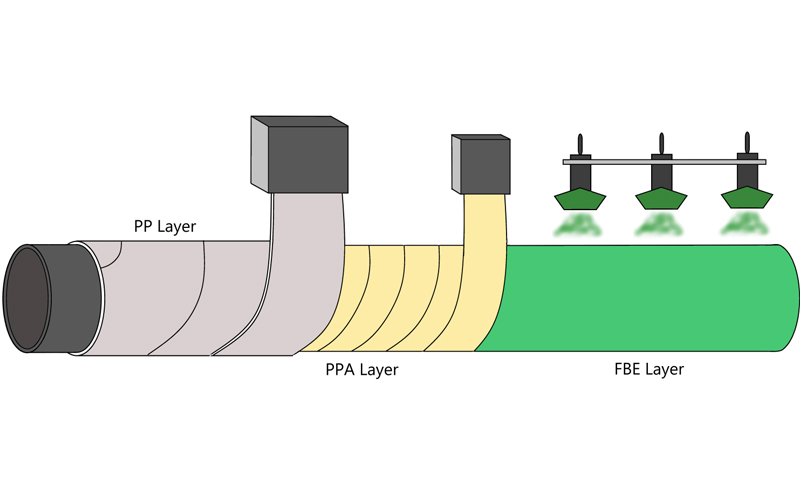
3LPP coated pipe: anti-corrosion guard in high temperature and high pressure environment
In some challenging special environments such as deep-sea oil and gas exploration and high-temperature crude oil transportation, traditional anti-corrosion coatings face significant challenges,...
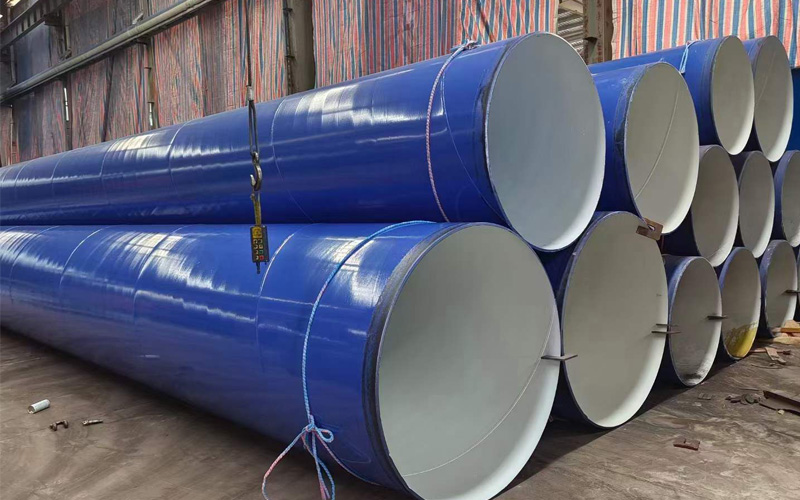
FBE steel pipe: the technological armor of the steel defense line
I In the icy waters beneath the Norwegian Sea pipeline, a section of FBE Lined Carbon Steel Pipe has been in service for 25...