




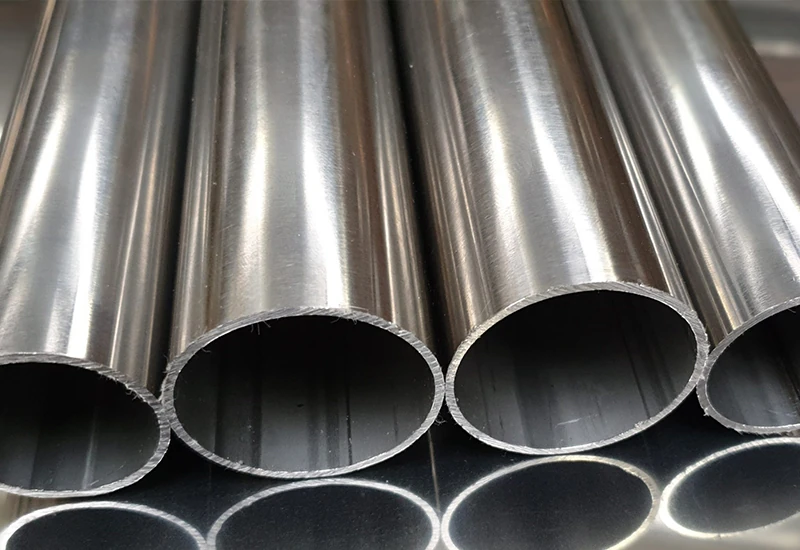

In infrastructure and industrial projects, every decision will affect the bottom line. For decades, purchasing teams have been choosing “ready-made” standard steel pipes, paying attention to the upfront costs and ignoring the hidden on-site manufacturing costs. The real cost of the pipe includes installation, function and durability, not just purchase price. Custom-made pipe and manufacturing have changed the execution of the project: cooperation with a reliable steel pipe manufacturer has eliminated waste, reduced labor costs, accelerated the construction period and ensured excellent quality.
On-site manufacturing is a traditional alternative to prefabricated solutions, which significantly reduces project efficiency and profitability. In a chaotic work site environment, it is almost impossible to guarantee the accuracy-dust, debris and weather fluctuations will affect the cutting and beveling accuracy. A slight calculation error or ill-formed bevel will lead to welding dislocation and require expensive rework. In oil and gas projects, even small bevel deviations can cause failed pressure tests, delays, and safety risks—addressed by advanced pre-fabrication. On-site work depends on expensive skilled labor and equipment leasing, and is stopped due to failure or weather. All these factors make “cheap” off-the-shelf pipes much more expensive than expected. Custom pipe fabrication solves this problem by transferring cutting, chamfering, coating and assembly to a controlled factory, and delivering components that can be installed immediately, thus eliminating waste on site.
By choosing customized piping and manufacturing services, engineering companies can simplify the supply chain, reduce on-site chaos, and better control project schedules. This approach is more than a trend—it represents a strategic shift, in line with the increasing demand for efficient and cost-effective infrastructure solutions. As projects become more complex and deadlines tighter, the need for pre-fabricated piping systems that deliver consistent quality and reduce risk has never been greater.
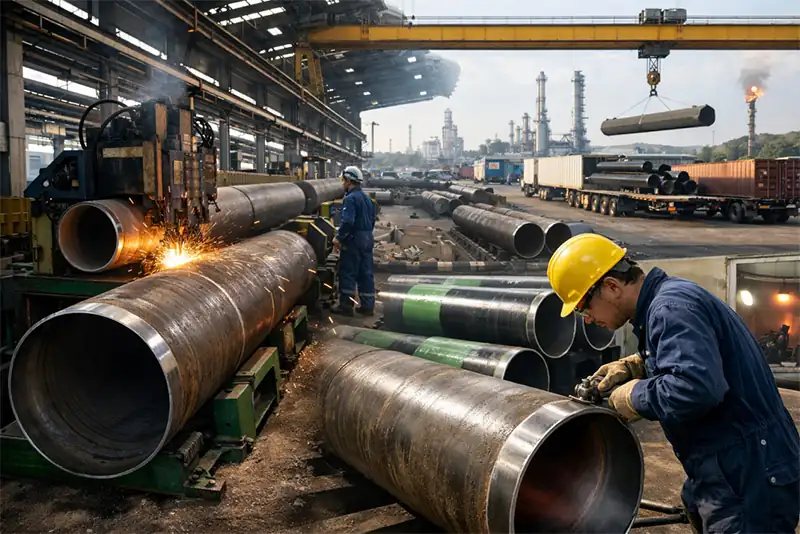
What Is Professional Pipe Fabrication?
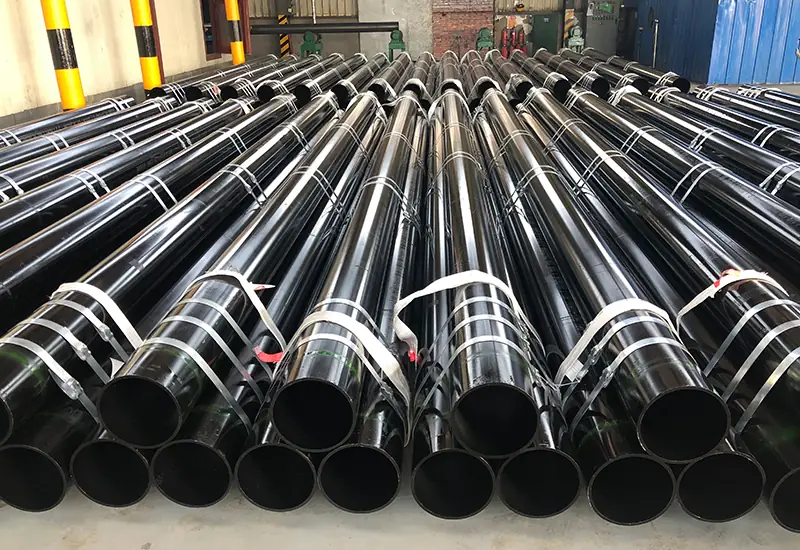
Professional pipe fabrication is not only selling steel pipes, but also a comprehensive process from material selection to ready-to-install components. A reputable steel pipe manufacturer will consider working pressure, temperature and installation requirements, and design customized solutions to ensure perfect fit and long-term reliability.
The core of professional pipe fabrication is three key processes: precise cutting, end preparation, coating and lining, and each process is very important to the performance and efficiency of the final system.
Accurate cutting is the basis of manufacturing high-quality pipes. Allland uses advanced band saw (for thick-walled pipes) and plasma cutting (for thin and complicated pipes) to ensure accuracy. Unlike messy on-site cutting, our computer-controlled factory process can provide consistent and accurate length, from standard size to customized 11.8-meter pipe optimized for transportation.
End machining, especially groove machining, directly affects welding efficiency and quality. Beveled steel pipe is very important for automatic welding, which can produce safe, full penetration and high pressure welding. Allland offers V-Bevel and J-Bevel tailored to project needs: V-Bevel works for medium to ththick-walledipes with automatic welding (boosting efficiency by 30% in recent applications), while J – Bevel reduces filler material and improves strength for thicker pipes. Proper bevel cutting eliminates on-site grinding and rework, and ensures smooth and rapid welding.
coating and lining are the final steps in the manufacturing process, which aims to protect the pipe from corrosion, wear and environmental damage, thereby prolonging its service life and reducing maintenance costs. Allland offers a range of advanced coating solutions, including 3PE (three-layer polyethylene), FBE (fusion-bonded epoxy), and coal tar epoxy, each suited to different operating environments. These coatings are applied in a controlled factory environment, ensuring uniform coverage and adhesion, which is almost impossible to achieve on-site coating. For projects requiring corrosion-resistant pipes, our customized coating solutions provide long-term protection against harsh chemicals, salt water and soil corrosion, which is especially important in chemical, oil and gas and water transmission applications. By integrating coating into the manufacturing process, we no longer need on-site coating, thus saving time and ensuring consistent quality.
The Allland Advantage: Custom Pipe and Fabrication Solutions.
When it comes to custom piping and manufacturing, Allland stands out, and we are committed to delivering precision, flexibility, and consistent quality. Our customers choose us because we go beyond standard manufacturing services, provide tailor-made solutions, solve their unique challenges and provide measurable value. This is how the advantages of the Allland can be translated into better project results.
Tolerance and control make us different. Although most steel pipe manufacturers meet standard API/ASTM tolerances, Allland exceed the standard, and the length accuracy of 2 mm is very important to avoid leakage or rework. Our computer control systems can ensure seamless installation, even for large-diameter pipes, there is no need for on-site adjustment.
In addition to basic cutting and beveling, ALLAND is good at dealing with complex project needs. We provide customized lengths (e.g., 11.8 m for shipping containers), complex hole punching, and pre-assembled pipe spools for quick on-site installation—ideal for tight spaces like offshore platforms. We also specialize in producing ultra-long or spliced pipes for structural piling, and use advanced equipment to meet the challenges of large diameter.
Consistent quality is one of the greatest advantages of Allland’s customized pipe and manufacturing services. Unlike on-site manufacturing affected by weather, dust and human error, our factory environment is controlled and standardized, ensuring that every component meets the same high quality standards. We follow strict ISO and API standards, and our quality control process is integrated into every step of the manufacturing process-from material inspection to final testing. All raw materials have been thoroughly inspected for defects, and every cut, bevel and weld has been inspected to ensure that it meets the project specifications. This consistency eliminates the risk of variable quality that plagues on-site fabrication, reducing the likelihood of rework, delays, and costly repairs. We use advanced inspection methods, including ultrasonic inspection (UT) and X-ray inspection (RT), to further prove our commitment to quality. These methods ensure that welds are free from defects and meet industry standards.
Why Pre-Fabrication Saves Your Budget?
The economic benefits of customized piping and manufacturing are obvious: by transferring manufacturing to a controlled factory environment, projects save labor costs, reduces waste, and optimizes logistics-all of which help to reduce total cost of ownership (TCO). Let’s break down the savings in detail.
Labor savings are significant with pre-fabrication. On-site manufacturing requires a large team of high-cost skilled workers, but Allland-based factories use automation to cut labor costs. A typical industrial project might require 10-15 welders to work for several weeks; Pre-fabricated components cut this by 50% or more, shortening timelines and accelerating revenue generation. Recent desert pipe projects show pre-fabrication and advanced pipe tech cut costs by 22% and boost efficiency by 30%.
Zero waste is another significant financial advantage. Off-the-shelf pipes are typically sold in standard lengths (such as 6 m or 12 m), which often don’t align with the exact requirements of a project. This results in off-cuts—pieces of pipe that are too short to use and end up being discarded. The scrap rate of off-the-shelf pipes can be as high as 5-15%, which means that customers are paying for material that they will never use. With custom pipe and fabrication, pipes are cut to the exact length needed, eliminating off-cuts and reducing scrap to near zero. This not only saves the costs of material, but also reduces the cost of waste treatment and environmental impact. For large-scale projects, this can translate into savings of tens of thousands of dollars.
Logistics optimization has further cut costs. Pre-fabricated components fit efficiently into standard shipping containers (e.g., 11.8-meter pipe in a 40-foot container), thus reducing deliveries and transportation costs. On-site, they need less storage space, lower risk of damage and reduce congestion, thus simplifying workflow and minimizing delay, which is similar to the situation in which prefabricated pipes cut the demand for trucks by half in a desert projects. The following table compares standard pipes with custom-fabricated solutions:
| Parameters | Standard Pipe (Off-the-shelf) | Custom Pipe & Fabrication (Allland) |
| Length Accuracy | Random (SRL/DRL) | Fixed Length (±2-10mm) |
| End Finish | Square Cut / Mill Bevel | Precision Beveled for Automatic Welding |
| On-site Workload | Heavy Cutting & Grinding required | Ready-to-install (Plug & Play) |
| Scrap Rate | 5% – 15% | Near Zero |
| Project Timeline | High risk of weather delays | Predictable & Accelerated |
| Surface Treatment | Bare / Basic Primer | Advanced Coating (3PE/FBE/Internal) |
Technical Specifications: Meeting International Standards
We are well aware that infrastructure projects need to meet strict international standards in order to ensure safety, reliability and durability. As a reliable steel pipe manufacturer, we comply with some of the most stringent standards in the industry, including API 5L (for line pipes), ASTM A106/A53 (for carbon steel pipes) and EN 10219 (for cold-formed welded steel pipes). These standards govern every aspect of our manufacturing process, from material selection to final testing, ensuring that our products meet or even exceed the requirements of the most demanding projects. For example, API 5L is the global standard for oil and gas line pipes, specifying requirements for material strength, ductility, and corrosion resistance—critical factors for ensuring the safety of high-pressure pipe systems. Similarly, ASTM A106/A53 ensures that carbon steel pipes are suitable for high temperature and high pressure applications, making them ideal choice for industrial and infrastructure projects.
Testing and inspection to ensure quality. We use non-destructive methods: ultrasonic testing (UT) to detect internal defects, and X-ray testing (RT) to verify welding integrity. Certified technicians check each component, and perform pressure test and coating verification on the valve core. This ensures reliability, safety, and meets global standards.
Application scenes
Allland’s customized pipe and manufacturing services have been verified in a wide range of industries and applications, providing value and efficiency for customers all over the world. The following are three key application scenarios in which our solutions have a significant impact.
- Oil and Gas Pipelines: This industry needs high-precision and durable pipes. A customer needs a corrosion-resistant pipe for an offshore pipe; Allland delivered 3PE-coated, precision V-Beveled pipes. Pre-fabrication cut on-site welding by 40%, eliminated rework, and met API 5L standards, with 25% lower costs and 30% faster timelines.
- Structural Piling: Structural piling requires long and strong pipes to bear heavy loads and environmental pressures. A construction client needed 18 m extra-long pipes for a bridge foundation—far beyond standard options. Allland manufactured these pipes from high-strength steel, which are precisely cut and seamlessly spliced. Our ± 2 mm tolerance control ensured perfect alignment, reducing on-site work and cutting the project timeline by 6 weeks.
- Water Transmission: Water transmission projects require pipes that are corrosion-resistant, leak-proof, and durable, especially when transporting treated or untreated water. A municipal customer needs to customize pipes for a water distribution system, and needs internal epoxy lining to prevent corrosion and improve water quality. Allland provided corrosion-resistant pipe with custom lengths and precision beveled ends, along with internal epoxy coating applied in our controlled factory. The pre-fabricated components reduced on-site workload by 50%, eliminated on-site coating errors, and ensured compliance with drinking water standards. Customers reported that the maintenance costs in the first year was reduced by 15%, because the epoxy lining prevented rust and scaling–similar to the benefits seen in recent water delivery projects using customized anti-corrosion solutions.
Conclusion
In the field of competitive infrastructure and industrial projects, efficiency, quality and cost savings are not negotiable. As more and more project managers realize the value of customized pipe and manufacturing, the era of relying on off-the-shelf pipe and on-site manufacturing is coming to an end. Excellent engineering begins with accurate prefabrication. Choosing the right steel pipe manufacturer (the manufacturer that provides customized solutions, strict quality control and end-to-end service) is the key to reduce the total cost of ownership (TCO) and ensure the success of the project.Allland’s custom pipe and fabrication services are designed to address the unique challenges of modern infrastructure projects, delivering precision, flexibility, and consistency that on-site fabrication simply can not match. From precision cutting and beveling to advanced coating solutions for corrosion-resistant pipes, we handle every step of the manufacturing process in a controlled factory environment to ensure that our customers receive ready-made components that can save time, reduce waste and reduce costs. Whether you’re working on an oil&gas pipe, a structural piling project, or a water transmission system, Allland has the expertise and equipment to deliver a custom solution that meets your needs.

ASTM A53 vs. API 5L: A Guide to Selection and Application
In the field of industrial piping, ASTM A53 and API 5L are two key standards that are widely used, but have very different positions. ASTM...

Introduction:Technology differences determine success or failure, and selection needs to be “precise”
In oil and gas transmission, municipal infrastructure and other major projects, the reasonable choice of steel pipe welding process directly affects the project...
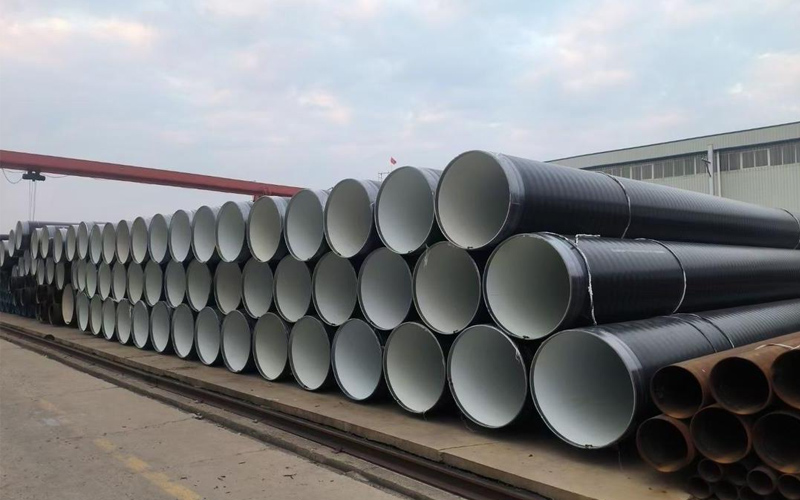
Steel Density Analysis: Core Differences between Mild and Medium Carbon Steels and Industrial Applications
The density of steel is one of the key parameters that determine its physical properties and industrial applications. Theoretical state of steel density...
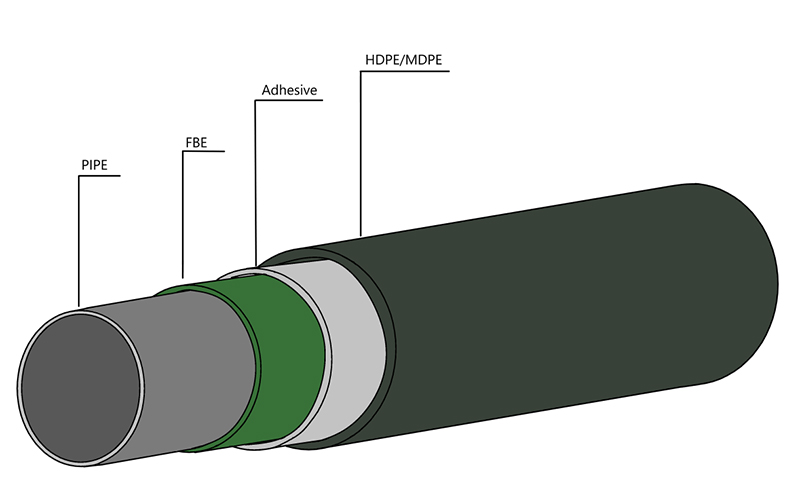
3LPE coated steel pipe: a solid barrier in the field of industrial corrosion protection
In the harsh environment of oil and gas, chemical industry, urban pipe network, etc., the long-term reliability and corrosion resistance of pipeline system...
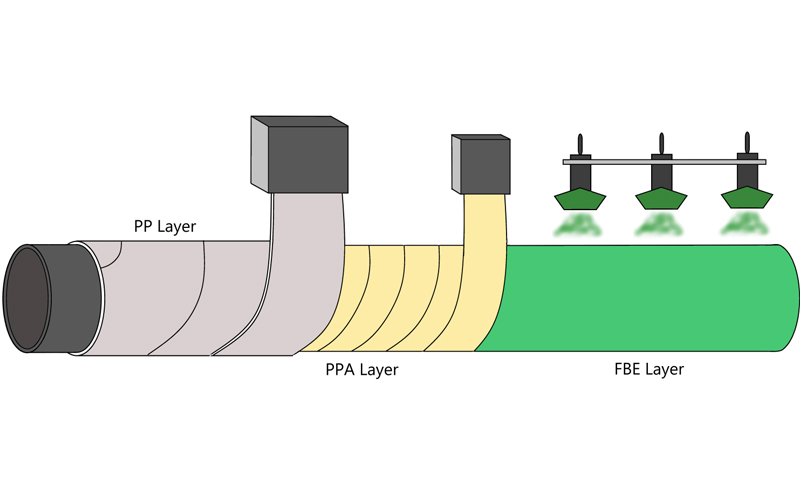
3LPP coated pipe: anti-corrosion guard in high temperature and high pressure environment
In some challenging special environments such as deep-sea oil and gas exploration and high-temperature crude oil transportation, traditional anti-corrosion coatings face significant challenges,...
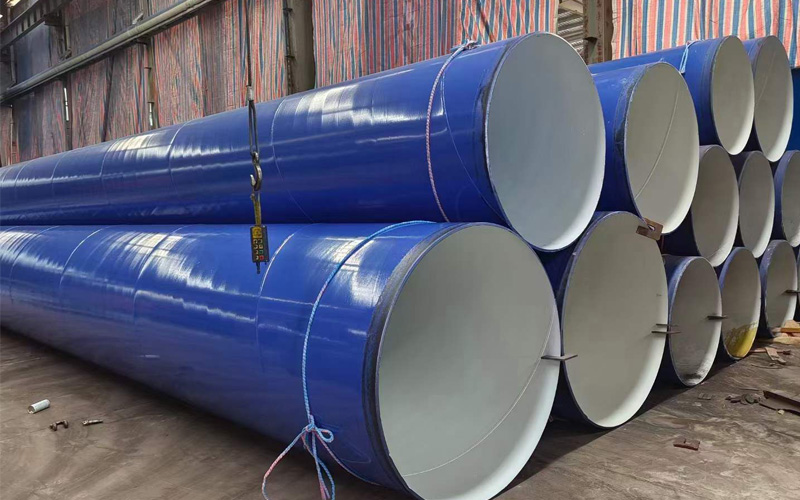
FBE steel pipe: the technological armor of the steel defense line
I In the icy waters beneath the Norwegian Sea pipeline, a section of FBE Lined Carbon Steel Pipe has been in service for 25...