







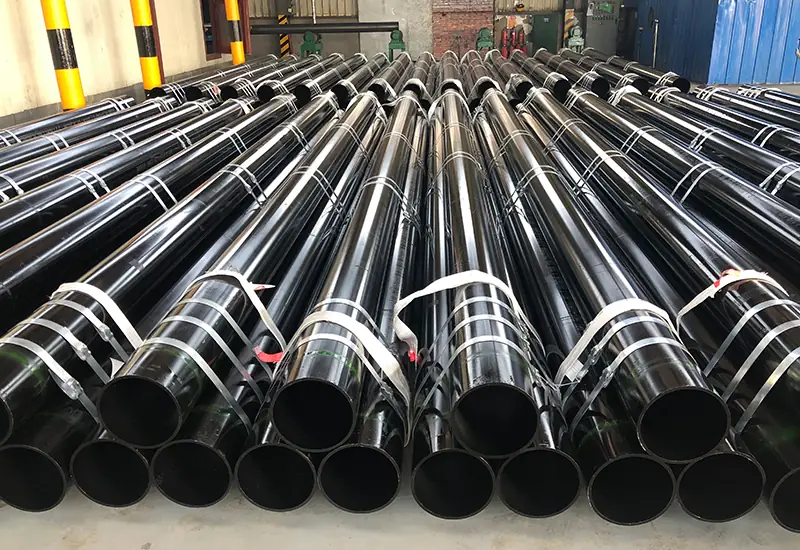
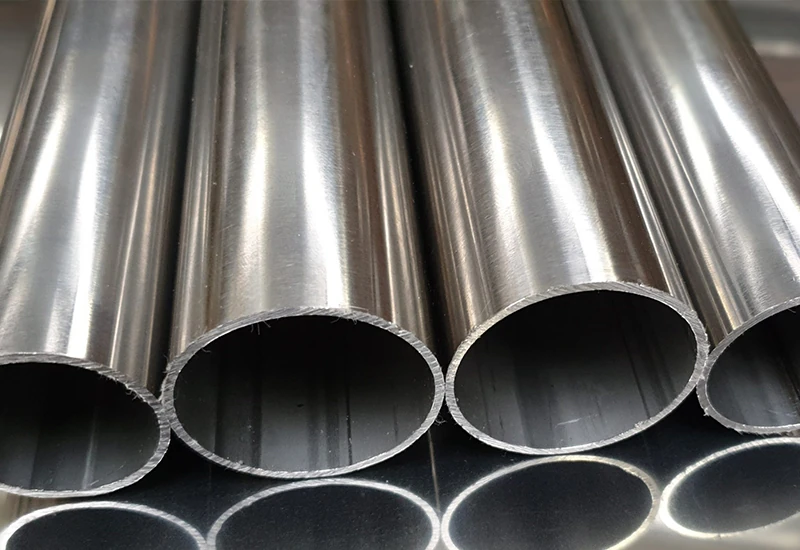

In modern industrial operations, the selection of pipe material directly affects the safety, efficiency and long-term cost of projects. Stainless steel pipes, commonly called ss pipes, have become the pillar of many industries because of their excellent performance. Because of its reliability and versatility, stainless steel pipes are widely used in the construction, oil and gas, and food processing industries. However, many buyers, including engineers and purchasing professionals, are confused about different grades, sizes and specifications of stainless steel pipes, especially when choosing SS 304 pipes, SCH 10 SS pipes, and compatible SS pipe fittings. This comprehensive guide explains the types, materials, specifications and applications of stainless steel pipes, and helps you to choose the appropriate stainless steel pipe solution according to the specific project requirements.
What is the SS pipe?
SS pipe is the abbreviation of stainless steel pipe, which is a type of pipe made from corrosion-resistant alloy steel containing chromium (usually at least 10.5%). This chromium content forms a thin and invisible passivation film on the pipe surface to prevent rust and corrosion, making it an ideal piping material for harsh environments. Different from traditional carbon steel pipes, stainless steel pipes do not need to be painted or coated frequently to maintain their integrity, thus reducing long-term maintenance costs.
The main features that make stainless steel pipes stand out in industrial applications include:
- Excellent corrosion resistance: Passivated chromium oxide film protects pipe from rust, chemical corrosion and oxidation, even in humid, acidic, or salty environments.
- High strength and durability: Stainless steel pipes have superior tensile strength and can withstand extreme temperatures (most grades range from-270 C to 870 C) and high pressures, ensuring a long service life (often over 50 years with proper maintenance).
- Sanitary and easy to clean: The smooth and non-porous surface of stainless steel pipes can prevent the accumulation of bacteria, dust or debris, making them suitable for food, beverage and pharmaceutical applications where sanitary conditions are essential.
- Suitable for high-temperature and high-pressure environments: Unlike plastic or carbon steel pipes, SS pipes maintain their structural integrity in extreme conditions, making them ideal for oil and gas, chemical processing, and power generation industries.
According to the manufacturing method, stainless steel pipes are mainly divided into two categories:
- Seamless stainless steel pipe: It is made by piercing a solid billet and rolling it into a pipe without any weld. This process ensures uniform thickness and high strength, making seamless stainless steel pipes suitable for high pressure applications.
- Welded stainless steel pipe: Stainless steel plate is rolled into a cylindrical shape and the edges are welded together. Welded stainless steel pipes are cost-effective and widely available, making them suitable for general industrial and structural purposes.
Common industries that depend on stainless steel pipes include oil and gas pipes, chemical plants, water supply systems, food processing equipment, pharmaceutical facilities and building structures. Renowned steel pipe manufacturers provide seamless and welded stainless steel pipes to meet the different needs of these industries.
Common Stainless Steel Pipe Grades (Focus on SS 304)
There are various grades of stainless steel pipes, each of which is designed for specific applications according to its chemical composition and performance characteristics. The most widely used grade is SS 304 pipe, which is paid attention to because of its balanced performance in most industrial occasions.
SS 304 Pipe
SS 304 pipe is an austenitic stainless steel pipe (commonly called “18-8” stainless steel) composed of about 18% chromium and 8% nickel. This chemical composition gives it excellent corrosion resistance, good weldability, and versatility, making it the go-to choice for most general-purpose applications. According to ASTM international standards, SS 304 is the most commonly used stainless steel grade for industrial and commercial pipes, because it has balanced performance and cost-effectiveness.
The main advantages of SS 304 pipes include:
- Excellent resistance to corrosion from water, air, and mild chemicals, making it a reliable corrosion resistant pipe.
- Good weldability and formability, allowing for easy installation and customization.
- Hygienic characteristics, meeting the standards for food, beverage and pharmaceutical applications.
- Compared with higher grade stainless steel pipes, it is cost-effective, making it ideal choice for projects with tight budget.
Other Common SS Pipe Grades
Besides SS 304, there are several other popular grades designed for specific environments:
- SS 304L pipe: A low-carbon version of SS 304 (carbon content ≤ 0.03%), offering better weldability and resistance to intergranular corrosion, making it suitable for high-temperature applications and welding-heavy projects.
- SS 316 pipe: Contains 16-18% chromium, 10-14% nickel and 2-3% molybdenum. The addition of molybdenum significantly enhances its corrosion resistance, especially in chloride-rich environment (such as seawater or chemical processing). 316 stainless steel pipe is more expensive than 304 stainless steel pipe, but it is very suitable for ocean, coastal and harsh chemical applications.
- SS 316L pipe: A low-carbon version of SS 316, offering improved weldability and resistance to intergranular corrosion, commonly used in pharmaceutical, marine, and chemical industries.
Understanding Pipe Schedule: What Is an SCH 10 SS Pipe?
Pipe schedule refers to the wall thickness of a pipe, which directly affects the pressure-bearing capacity and weight of the pipe. Schedule number (e.g., SCH 10, SCH 40, SCH 80) is a standard for specifying wall thickness. The larger the number, the thicker the wall, the higher the pressure level. SCH 10 SS pipe is a thin-walled stainless steel pipe widely used in low pressure applications.
The main features of SCH 10 stainless steel pipe include:
- Thin wall construction: SCH 10 SS pipe has a thinner wall compared to higher schedule pipes (e.g., SCH 40), making it light and easy to operate.
- Lower material cost: Thinner walls require less stainless steel, thus reducing material costs and overall project cost.
- Easy to install: Its lightweight design makes transportation and installation faster and more cost-effective, especially for large-diameter pipes.
Suitable applications for SCH 10 SS pipe include low pressure fluid systems, water supply pipes, chemical transportation systems (non-corrosive or slightly corrosive fluids) and ventilation systems. This is an economical option when high pressure is not required, and cost savings is a priority. Trustworthy steel pipe manufacturer will provide various diameters (from 1/2 inch to 24 inches) of SCH 10 SS pipes to meet different project requirements.
SS Pipe and Fittings: Why Compatibility Matters
A complete stainless steel piping system is not only composed of pipes, but also includes compatible fittings for connecting pipes, so as to ensure the safe and efficient operation of the system. Common SS fittings include elbows (for changing direction), tees (for branching pipes), reducers (for changing the diameter of pipes) and flanges (for connecting pipes to equipment or valves).
For various reasons, the compatibility of stainless steel pipe and fittings is very important.
- Ensure leak-free connections: Compatible fittings form a tight seal with the pipes, preventing leaks that can lead to safety hazards, product loss, or environmental damage.
- Maintain corrosion resistance throughout the pipe: Using fittings made from the same grade of stainless steel as the pipes ensures the entire system maintains its corrosion resistance. Mixing different grades may lead to galvanic corrosion and reduce the service life of the system.
- Improves installation efficiency: Compatible pipe fittings are designed to be perfectly matched with the pipe, reducing installation time and minimizing errors.
Industries that rely heavily on compatible stainless steel pipe fittings include chemical plants, oil refineries, water treatment plants and pharmaceutical factories. When choosing fittings, it is very important to choose products from the same steel pipe manufacturer as the pipe to ensure compatibility and quality.
Main Types of Stainless Steel Pipes (Comparison Table)
| Type of SS Pipe | Manufacturing Method | Key Features | Common Applications |
| Seamless SS Pipe | Piercing solid billet and rolling | High strength, no weld seam, uniform thickness, excellent pressure resistance | High-pressure systems, oil and gas pipes, power generation |
| Welded SS Pipe | Formed and welded from steel plate | Cost-effective, widely available, easy to customize | Structural and industrial pipes, water supply, general-purpose use |
| SCH 10 SS Pipe | Thin-wall rolling and welding (for welded type) or seamless piercing (for seamless type) | Lightweight, economical, easy to install | Water supply, low-pressure fluid transport, ventilation systems |
| SS 304 Pipe | Seamless or welded | Excellent corrosion resistance, good weldability, hygienic, cost-effective | Food processing, water pipes, pharmaceutical equipment, architecture |
How to Choose the Right SS Pipe for Your Project
Choosing a suitable stainless steel pipe needs to carefully consider the specific needs of your project, including environmental conditions, pressure requirements, budget and application. Follow the steps below to make an informed decision.
1. Determine the Material Grade
- For general corrosion resistance and cost-effectiveness → SS 304 pipe (ideal industrial and commercial applications).
- Suitable for low-carbon applications or welding heavy projects → SS 304L pipe.
- For harsh environments (chloride-rich, acidic) → SS 316 or SS 316L pipe.
2. Select the Pipe Schedule
- Suitable for low-pressure systems and cost savings → SCH 10 SS pipe.
- For medium-pressure applications → SCH 40 SS pipe (the most common schedule for general use).
- For high pressure systems → SCH 80 or higher grade pipes.
3. Choose the Pipe Type
- For high-pressure, high-temperature applications → Seamless SS pipe.
- For general industrial, structural, or low-pressure applications → Welded SS pipe (more cost-effective).
4. Ensure Compatibility with Pipe Fittings
Choose pipe fittings of the same grade and specification as the pipe, preferably from the same steel pipe manufacturer to avoid leakage and corrosion.
Applications of Stainless Steel Pipes
Stainless steel pipes are widely used in all walks of life, which is due to their corrosion resistance, durability and hygiene characteristics. The following are the main application fields.
- Petroleum and natural gas industry: Used for transporting crude oil, natural gas and refined products. Seamless stainless steel pipes is the first choice for high pressure pipes, while welded stainless steel pipes is used for low pressure distribution systems. SS 316 pipe is usually used in offshore and coastal applications because of its salt water corrosion resistance.

- Chemical processing industry: The ideal choice for transporting corrosive chemicals, acids and alkalis. SS 316 and SS 316L pipes are usually used here because they can withstand harsh chemical environment. The corrosion-resistant pipe characteristics of stainless steel pipe can prevent chemical leakage and ensure process safety.
- Water supply and water treatment: Used in drinking water pipes, wastewater treatment and desalination plants. SS 304 pipe is widely used for municipal water supply, while SS 316 pipe is used in seawater desalination plants (because of its salt water resistance).
- Food and beverage processing: Sanitary stainless steel pipes (SS 304 or SS 316) are used for conveying food, beverages and ingredients. Their smooth surfaces prevent bacteria from breeding and meet strict food safety standards.
- Architectural and structural engineering: Used for building exterior walls, handrails, stairs and structural support. SS 304 pipe is favored because of its aesthetic appeal and corrosion resistance, while SCH 10 SS pipe is used in light structural applications.
- Pharmaceutical industry: Used for transporting pharmaceutical ingredients, sterile water and medicines. SS 316L pipe is the first choice here because it meets the strict hygiene and corrosion resistance requirements of the industry.
FAQs About SS Pipes
In order to solve the common questions and concerns about stainless steel pipes, we have compiled this FAQ section according to the professional knowledge and authoritative sources of the industry.
Q: What is the difference between SS 304 and SS 316 pipes?
A: The main difference lies in their chemical composition: SS 304 contains 18% chromium and 8% nickel, while SS 316 has 2-3% molybdenum added. This molybdenum makes SS 316 more resistant to chloride corrosion and makes it an ideal material for marine, coastal and chemical applications. SS 304 is more cost-effective and suitable for general purposes.
Q: What is the service life of an SS pipe?
A: If properly maintained, stainless steel pipes can be used for more than 50 years. In mild environment (for example, indoor water supply), SS 304 pipe can be used for a longer period of time. In harsh environments (for example, coastal areas or chemical plants), the service life of SS 316 pipes is 30-40 years.
Q: Are SS pipes suitable for high-pressure applications?
A: Yes, seamless stainless steel pipes (especially heavier-schedule pipes like SCH 80) are designed for high-pressure applications. Welded stainless steel pipes is suitable for low pressure to medium pressure. Before use, be sure to check the pressure rating of the pipe and consult a steel pipe manufacturer for guidance.
Q: Do SS pipes require maintenance?
A: Stainless steel pipes require little maintenance. Regular cleaning (to remove dirt or debris) and inspection (to check for leakage or corrosion) are enough. Avoid using abrasive cleaners, because they can damage the passivation film and reduce corrosion resistance.
Q: How to ensure the compatibility of SS pipes?
A: Select pipe fittings with the same grade and specification as the pipe. For example, SS 304 pipe fittings are used for SS 304 pipes, and SCH 10 pipe fittings are used for SCH 10 SS pipes. Purchasing pipes and fittings from the same steel pipe manufacturer is the best way to ensure compatibility.
Conclusion
Stainless steel pipe is a reliable, universal and cost-effective solution, which is widely used in industry and commerce. SS 304 pipe is the most commonly used corrosion-resistant pipe in general applications, and SCH 10 SS pipe provides a light and economical choice for low-pressure systems. A complete pipe needs compatible stainless steel pipe and fittings to ensure safe and leak-free operation. Cooperation with a reputable steel pipe manufacturer is key to obtaining high-quality products that meet the needs of your project.
Whether you’re working on a water supply project, chemical processing plant, or architectural structure, choosing the right SS pipe is critical to the success of your project. By following the guiding principles in this guide, you can choose the most appropriate grade, specification and type of stainless steel pipe according to your specific needs.
Looking for high quality stainless steel pipe for your project? Explore the stainless steel pipe solutions at Allland Pipes, including a wide range of grades (SS 304, SS 304L, SS 316), schedules (SCH 10, SCH 40, SCH 80), and fittings designed for industrial and structural applications. Our team of experts is always ready to help you find a solution suitable for your project.

ASTM A53 vs. API 5L: A Guide to Selection and Application
In the field of industrial piping, ASTM A53 and API 5L are two key standards that are widely used, but have very different positions. ASTM...

Introduction:Technology differences determine success or failure, and selection needs to be “precise”
In oil and gas transmission, municipal infrastructure and other major projects, the reasonable choice of steel pipe welding process directly affects the project...
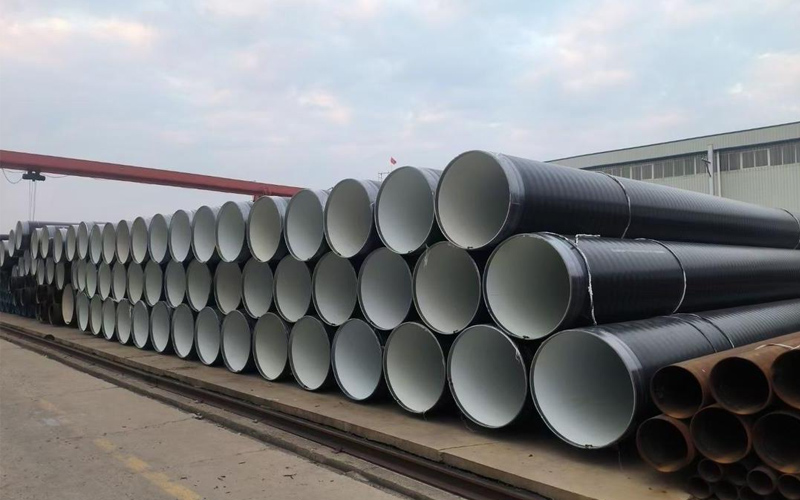
Steel Density Analysis: Core Differences between Mild and Medium Carbon Steels and Industrial Applications
The density of steel is one of the key parameters that determine its physical properties and industrial applications. Theoretical state of steel density...
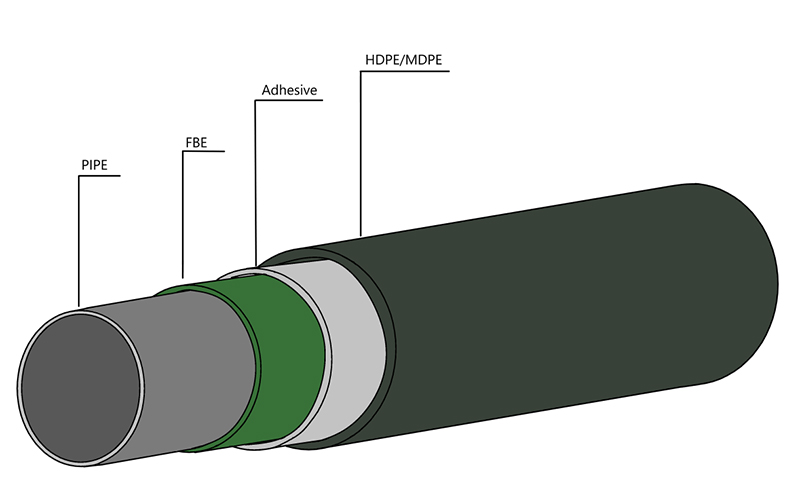
3LPE coated steel pipe: a solid barrier in the field of industrial corrosion protection
In the harsh environment of oil and gas, chemical industry, urban pipe network, etc., the long-term reliability and corrosion resistance of pipeline system...
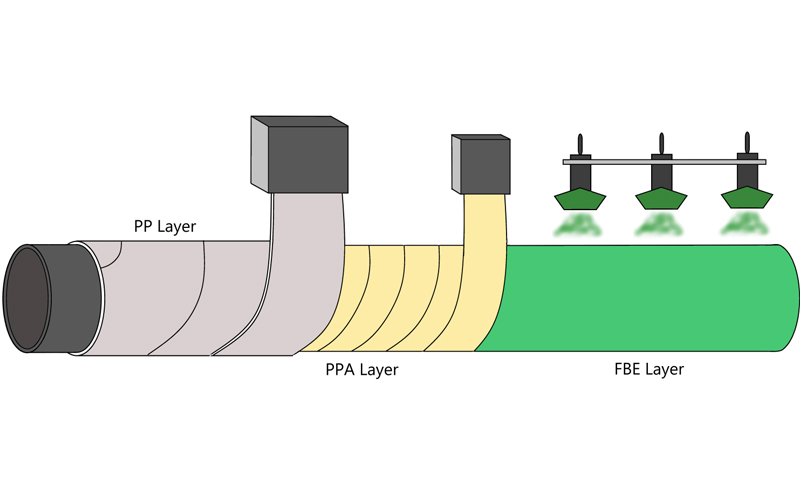
3LPP coated pipe: anti-corrosion guard in high temperature and high pressure environment
In some challenging special environments such as deep-sea oil and gas exploration and high-temperature crude oil transportation, traditional anti-corrosion coatings face significant challenges,...
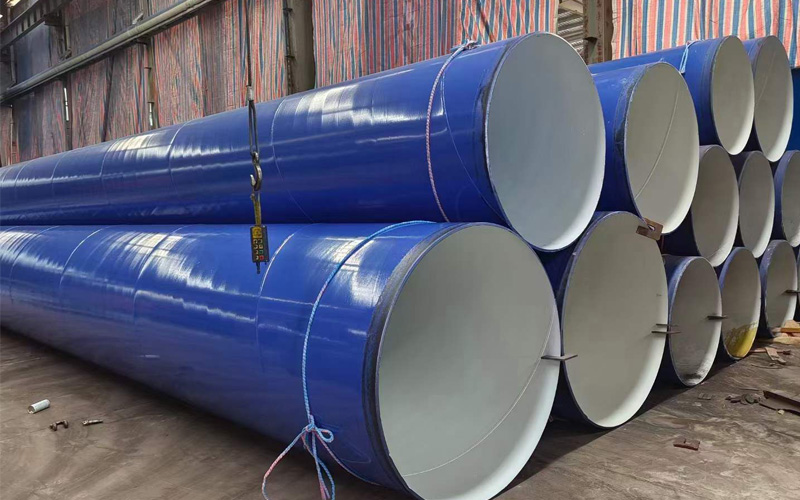
FBE steel pipe: the technological armor of the steel defense line
I In the icy waters beneath the Norwegian Sea pipeline, a section of FBE Lined Carbon Steel Pipe has been in service for 25...