









1. Introducción
Suministrar agua potable a ciudades de todo el mundo no es tarea fácil. Las redes de tuberías deben soportar la presión interna, las cargas del suelo y décadas de servicio. Un importante reto a largo plazo es la corrosión interna. Cuando se utilizan tuberías de acero sin protección, la superficie interior se oxida gradualmente, lo que da lugar al “agua roja”, causada por las partículas de hierro presentes en el agua. Y lo que es más importante, la corrosión provoca la formación de tuberculaciones —depósitos minerales que reducen la capacidad de caudal y pueden favorecer el crecimiento bacteriano—.
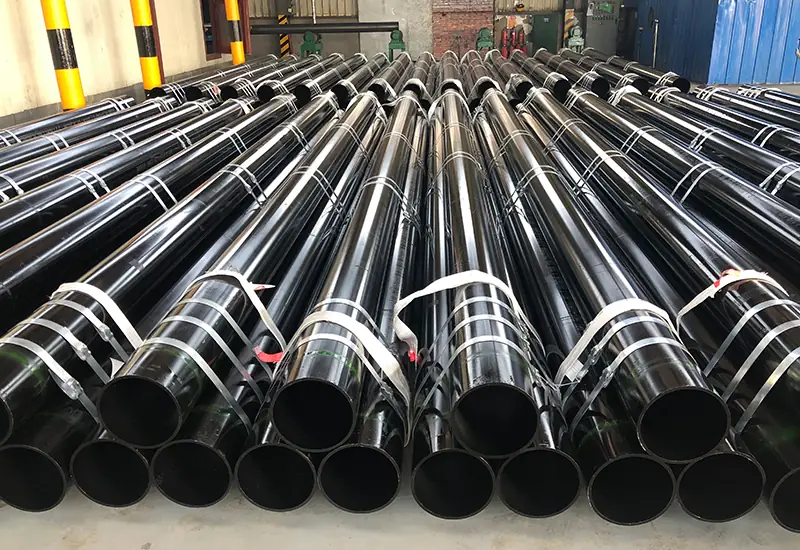
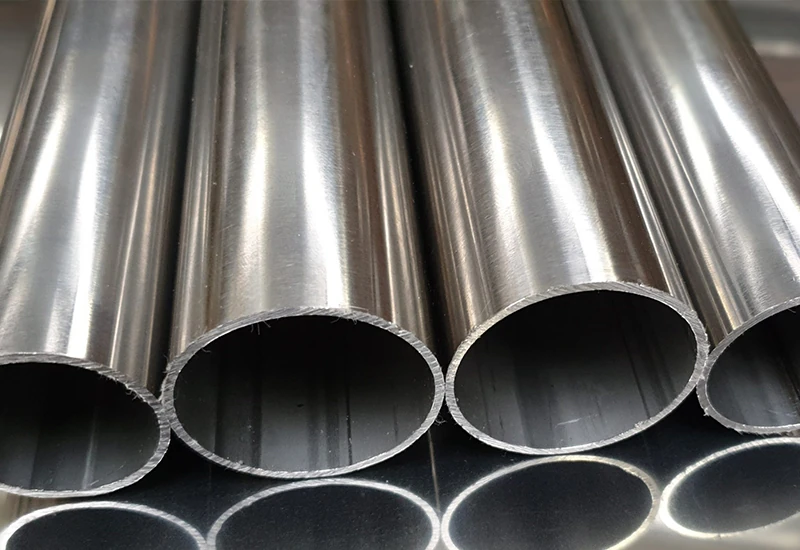
Para controlar este riesgo, los revestimientos internos son esenciales. El revestimiento de mortero de cemento y el revestimiento epoxi líquido son las dos soluciones más utilizadas, cada una de ellas adecuada para diferentes tamaños de tubería y condiciones de funcionamiento. La eficacia de cualquier revestimiento depende también de la calidad de la tubería. Las tuberías de acero LSAW y SSAW fabricadas con precisión, como las que suministra Hebei Allland Steel Pipe Manufacturing Co., Ltd., proporcionan la base estructural. Un fiable Tubos de acero LSAW fabricante garantiza el cumplimiento de las normas y el rendimiento a largo plazo de la red de tuberías.
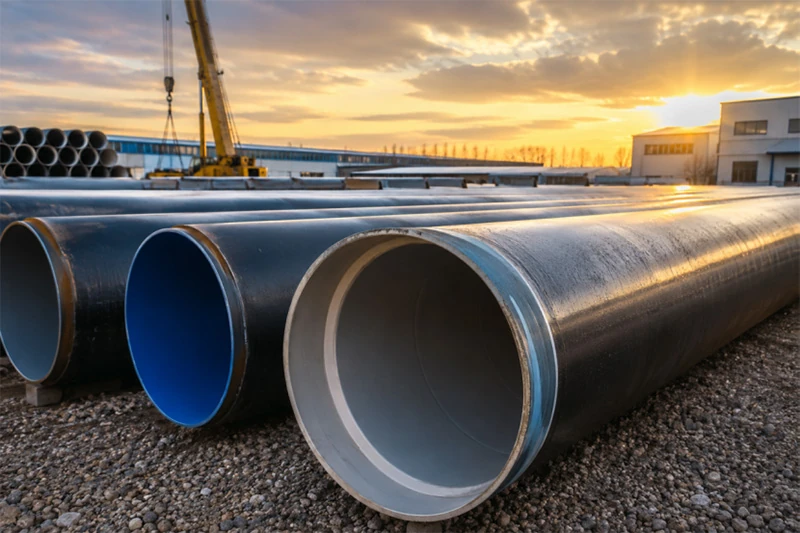
2. Revestimiento de mortero de cemento (CML): el escudo de pasivación química
El revestimiento de mortero de cemento se lleva utilizando en las tuberías de agua desde hace más de un siglo. Su eficacia se debe a dos mecanismos, no a uno solo.
En primer lugar, el propio revestimiento constituye una barrera física. Una capa de mortero de cemento separa el acero del agua. Pero el mortero de cemento también proporciona protección química. A medida que el cemento se hidrata, crea un entorno altamente alcalino. El pH en el interior de la tubería puede alcanzar valores de entre 12 y 13. A este pH, se forma una fina capa de óxido sobre la superficie del acero. Esta capa pasiva el acero. Incluso si pequeñas cantidades de humedad llegan al acero a través de poros microscópicos, las condiciones alcalinas impiden la corrosión activa.
El segundo mecanismo es exclusivo de los revestimientos a base de cemento. Cuando se producen pequeñas grietas capilares en el revestimiento de cemento, el material puede autorrepararse parcialmente al estar expuesto al agua. A esto se le denomina «reparación autógena». Cuando el agua entra en contacto con las partículas de cemento no hidratadas del mortero, dichas partículas continúan hidratándose. Los productos de la reacción rellenan las fisuras. No se trata de una curiosidad de laboratorio. Diversos estudios han demostrado que las fisuras menores pueden sellarse gradualmente tras una exposición prolongada al agua. El revestimiento de mortero de cemento se aplica normalmente con espesores que van desde unos 6 mm hasta 20 mm o más, y las tuberías de mayor diámetro reciben revestimientos más gruesos.
Este revestimiento resulta más rentable en conductos de transporte de gran diámetro. Para una empresa municipal de abastecimiento de agua que transporta grandes volúmenes de agua a largas distancias, el revestimiento de mortero de cemento ofrece un equilibrio práctico entre coste y protección.
3. Revestimiento epoxi líquido: la barrera de alto rendimiento
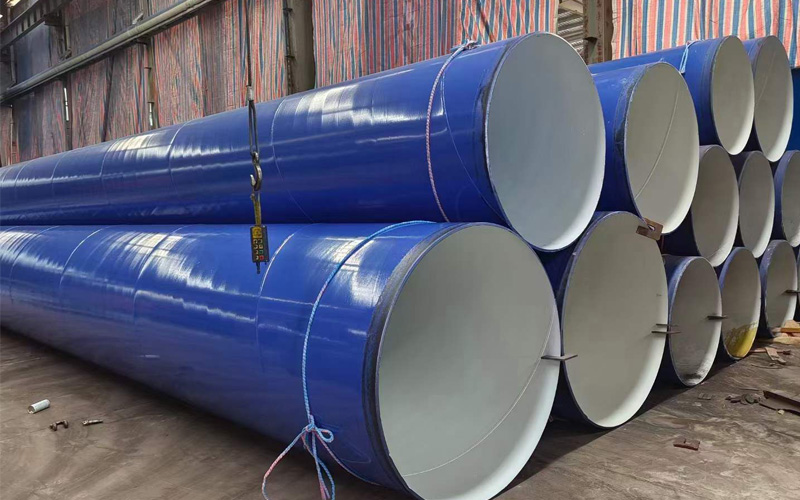
El revestimiento epoxi líquido funciona de forma diferente. En lugar de crear un entorno alcalino, forma una película inerte continua. El revestimiento epoxi líquido se pulveriza sobre la superficie interior limpia de la tubería. Una vez curado, el epoxi crea una barrera sólida que separa completamente el acero del agua.
Este método presenta varias ventajas. La superficie de un revestimiento epoxi endurecido es extremadamente lisa. Para los operadores de tuberías, esto se traduce en menores costes de bombeo. La superficie lisa reduce la fricción entre el agua y la pared de la tubería. Los revestimientos epoxi suelen alcanzar un valor C de Hazen-Williams de entre 140 y 150. Para tuberías de transporte de alta presión, la reducción de la fricción puede reducir considerablemente el consumo energético del bombeo.
También hay un beneficio en cuanto a la calidad del agua. El interior rugoso o corroído de una tubería favorece la formación de biopelícula. Las bacterias pueden adherirse a la superficie y multiplicarse. La superficie lisa e inerte de un revestimiento epoxi impide la adhesión bacteriana y dificulta que los microorganismos se asienten.
La certificación sanitaria es un requisito imprescindible para cualquier material que entre en contacto con el agua potable. Los revestimientos epoxi líquidos deben cumplir normas como la NSF/ANSI 61. Esta norma exige la realización de ensayos de lixiviación química para garantizar que no se filtren sustancias nocivas del revestimiento al agua. Un revestimiento epoxi aplicado correctamente y con el espesor adecuado no afecta al sabor ni a la seguridad del agua.
Algunas tuberías combinan varios tipos de protección. Por ejemplo, una protección interna Recubrimiento de tuberías FBE puede utilizarse junto con recubrimientos externos como el 3LPE. Un tubo de acero LSAW con recubrimiento epoxi de Allland puede tener epoxi líquido en el interior y un recubrimiento de polietileno de tres capas en el exterior. Esta combinación protege al mismo tiempo contra la corrosión interna y la corrosión externa por el suelo.
4. Cumplimiento de estrictas normas de conformidad: AS/NZS 1579 y certificaciones internacionales
Los proyectos de infraestructura hidráulica del Gobierno no admiten cualquier tipo de tubería. La tubería debe cumplir unas normas estrictas en cuanto a materiales y dimensiones. Lo mismo se aplica a los revestimientos.
AS/NZS 1579 Es una norma fundamental para tuberías y accesorios de acero soldados por arco destinados a aplicaciones de agua y aguas residuales en Australia y Nueva Zelanda. Abarca tuberías con un diámetro nominal de DN 100 y superior, diseñadas para presiones de hasta 6,8 MPa. La norma aborda la calidad de la soldadura, las tolerancias dimensionales y la compatibilidad de la tubería con los recubrimientos protectores. Allland cumple con esta norma en todos sus productos para redes de abastecimiento de agua.
La norma establece tolerancias específicas. Por ejemplo, las tolerancias del núcleo incluyen una tolerancia del diámetro interior de más o menos 1 milímetro, una tolerancia del diámetro exterior de más o menos el 1 por ciento y una tolerancia del espesor de la pared de entre más o menos el 10 y el 12 por ciento. Los ingenieros deben verificar la calidad del acero, el espesor de la pared, las tolerancias dimensionales y las certificaciones API o del proyecto aplicables durante la selección de las tuberías.
En lo que respecta a la calidad del agua, las normas de certificación sanitaria son igualmente importantes. La norma NSF/ANSI 61 es la norma nacional estadounidense para los componentes de los sistemas de agua potable. Establece criterios relativos a los efectos sobre la salud de los materiales que entran en contacto con el agua potable. Cualquier tuberías resistentes a la corrosión Los productos destinados al suministro de agua potable deben estar certificados según esta norma.
Otras regiones aplican normas similares. Australia y Nueva Zelanda utilizan la norma AS/NZS 4020 para los productos que entran en contacto con el agua potable. Europa aplica las normas EN. China aplica la norma GB/T 17219. Un fabricante capaz de suministrar tuberías que cumplan con varias normas está mejor posicionado para participar en proyectos internacionales.
5. Tabla comparativa: mortero de cemento frente a revestimientos epoxi líquidos
La tabla siguiente resume las diferencias técnicas entre los dos sistemas de revestimiento.
| Parámetros técnicos | Revestimiento de mortero de cemento (CML) | Revestimiento epoxi líquido |
| Mecanismo de protección contra la corrosión | Pasivación química activa (un pH alcalino de 12-13 forma una película protectora sobre el acero) | Barrera física pasiva (aisla el acero del fluido) |
| Espesor típico del revestimiento | ≥6 mm a 12+ mm (varía en función del diámetro de la tubería) | ≥250 μm (normalmente entre 300 y 500 μm) |
| Rugosidad superficial (Hazen-Williams C) | C ≈ 130–140 | C ≈ 140–150 (menor fricción, mayor eficiencia de flujo) |
| Ventaja clave en ingeniería | Autocuración de microfisuras (curación autógena); rentable para diámetros grandes | Baja fricción; evita la formación de incrustaciones; reduce la energía necesaria para el bombeo; sin límites de velocidad de flujo |
| Sustratos adecuados de tubos de acero | Tubos de acero al carbono LSAW, SSAW y DSAW | Tubos de acero LSAW, DSAW y ERW |
| Normas del sector | AS/NZS 1281, AWWA C205, ISO 7085 | AS/NZS 4020, NSF/ANSI 61, AWWA C210 |
Cabe señalar que los valores de espesor difieren significativamente entre ambos sistemas, pero tienen finalidades distintas. El mortero de cemento aporta espesor para la protección mecánica y la pasivación química. El epoxi proporciona una barrera fina pero completa, resistente a los productos químicos y extremadamente lisa.
6. Capacidades de fabricación y recubrimiento de Allland Pipes
El rendimiento del revestimiento interno sigue dependiendo en gran medida de la calidad del sustrato de acero. El sustrato de acero debe fabricarse con tolerancias estrictas y estar libre de defectos. Hebei Allland Steel Pipe Manufacturing Co., Ltd. produce dos tipos principales de tubo de acero soldadoque sirven de base para estos revestimientos. Como fabricante con amplia experiencia en tubos de acero SSAW y fábrica de tubos de gran diámetro, Allland suministra productos para proyectos de infraestructura exigentes.
Los tubos LSAW se fabrican a partir de chapas de acero que se doblan y se sueldan a lo largo de una única costura longitudinal. Este método es adecuado para tubos que deben soportar presiones más elevadas. Los tubos SSAW se fabrican enrollando en espiral una banda de acero y soldándola a lo largo de una costura helicoidal continua. Este proceso permite fabricar de forma eficiente tubos de diámetros muy grandes. Ambos tipos se utilizan en el transporte de agua, en función de la presión nominal y del diámetro necesarios.
En SSAW fabricante de tubos de acero con Las líneas de producción modernas pueden alcanzar la precisión dimensional y la calidad de soldadura exigidas por la norma AS/NZS 1579. La producción de Allland incluye pruebas hidrostáticas al 100 %. Cada tubería se llena de agua y se somete a una presión superior a su presión de trabajo nominal para comprobar que no haya fugas ni deformaciones.
Además de la fabricación de tuberías, Allland ofrece servicios de recubrimiento en sus propias instalaciones. Sus líneas de recubrimiento automatizadas pueden aplicar revestimientos internos de mortero de cemento, revestimientos internos de epoxi líquido y recubrimientos externos como el 3LPE, 3LPP, y FBE. Un proveedor de tubos de acero negro que ofrece un recubrimiento integrado elimina los problemas de coordinación entre distintos fabricantes.
7. Preguntas frecuentes (FAQ)
P1: ¿Cuál es la principal diferencia entre los revestimientos internos y los recubrimientos externos de una tubería de agua potable?
R: Los revestimientos internos, como el mortero de cemento y el epoxi líquido, están en contacto directo con el agua. Su función principal es evitar la corrosión interna y garantizar que el agua siga siendo apta para el consumo. Los recubrimientos externos, como el polietileno de tres capas (3LPE) o el epoxi fusionado (FBE), no entran en contacto con el agua. Protegen la tubería de la corrosión causada por el suelo, las aguas subterráneas y los daños mecánicos durante la instalación. Una estrategia completa de protección de las tuberías abarca tanto las superficies internas como las externas.
Pregunta 2: ¿Por qué es fundamental la norma AS/NZS 1579 para los proyectos de infraestructura municipal de agua?
R: La norma AS/NZS 1579 establece los requisitos para las tuberías de acero soldadas por arco utilizadas en redes de agua y aguas residuales. Garantiza que la tubería tenga una calidad de soldadura adecuada, un espesor de pared adecuado y una resistencia suficiente para la presión nominal prevista. Una tubería que cumpla esta norma no fallará prematuramente debido a defectos de soldadura o a que no cumpla las especificaciones. Cuando el sustrato de acero es sólido, el revestimiento interno puede desempeñar su función prevista sin agrietarse ni deslaminarse debido a la deformación de la tubería bajo presión.
Pregunta 3: ¿Se puede LSAW ¿Se pueden utilizar indistintamente las tuberías SSAW y las de otro tipo para las tuberías principales de agua potable?
R: Se pueden seleccionar en función de los requisitos del proyecto. Los tubos LSAW tienen una sola soldadura longitudinal. Suelen elegirse para aplicaciones con mayores exigencias de presión o condiciones de esfuerzo específicas. Los tubos SSAW tienen un patrón de soldadura en espiral. Son muy adecuados para diámetros muy grandes y líneas de transporte de larga distancia, donde el proceso de producción continuo ofrece una ventaja en cuanto a costes. Un experto proveedor de tubos de gran diámetro puede asesorarle sobre la mejor opción para un diámetro, una presión nominal y un presupuesto determinados.
Pregunta 4: ¿Cómo eligen los ingenieros de tuberías el tipo de tubo y el espesor de pared adecuados?
R: Los ingenieros deben tener en cuenta varios factores. Entre ellos se incluyen la presión máxima de funcionamiento del sistema de agua, la posibilidad de que se produzcan picos de presión transitorios (golpes de ariete) y las cargas externas procedentes del suelo y del tráfico. Las tablas de referencia proporcionadas por los fabricantes de tuberías industriales ofrecen valores normalizados de espesor de pared para cada diámetro de tubería. A continuación, se utilizan el límite elástico de la tubería de acero y las dimensiones de la tubería de acero al carbono en los cálculos de tensión para determinar el espesor mínimo de pared requerido.
8. Conclusión: Diseñar el futuro de las infraestructuras de agua potable
La elección entre el revestimiento de mortero de cemento y el revestimiento epoxi líquido depende de las necesidades específicas de un proyecto de tubería de transporte de agua. El revestimiento de mortero de cemento ofrece pasivación química y regeneración autónoma a un menor coste de material. Es muy adecuado para tuberías de transporte de gran diámetro. El revestimiento de epoxi líquido ofrece una barrera lisa e inerte que reduce los costes de bombeo y resiste el crecimiento biológico. Suele elegirse para diámetros pequeños y medianos, así como para proyectos en los que la eficiencia energética es una prioridad fundamental.
A pesar de sus diferencias, ambos sistemas de revestimiento están diseñados para garantizar una protección duradera contra la corrosión en las redes de agua potable. Evitan la aparición de agua rojiza. Impiden la formación de tuberculaciones. Protegen la salud pública.
Cumplir con los requisitos de la norma AS/NZS 1579 y con las normas de certificación sanitaria, como la NSF/ANSI 61, no es opcional en los proyectos de infraestructura de envergadura. Un tubo de acero fabricado a medida según estas especificaciones proporciona una base fiable. Un LSAW fabricante de tubos de acero con una capacidad de recubrimiento contrastada pueden ofrecer una solución completa —tubería, revestimiento interior y recubrimiento exterior— en un único paquete de suministro integrado.

ASTM A53 frente a API 5L: Guía de selección y aplicación
En el campo de las tuberías industriales, ASTM A53 y API 5L son dos normas clave muy utilizadas, pero con posiciones muy diferentes. ASTM...

Introducción:Las diferencias tecnológicas determinan el éxito o el fracaso, y la selección debe ser “precisa”
En la transmisión de petróleo y gas, las infraestructuras municipales y otros grandes proyectos, la elección razonable del proceso de soldadura de tubos de acero afecta directamente al proyecto...
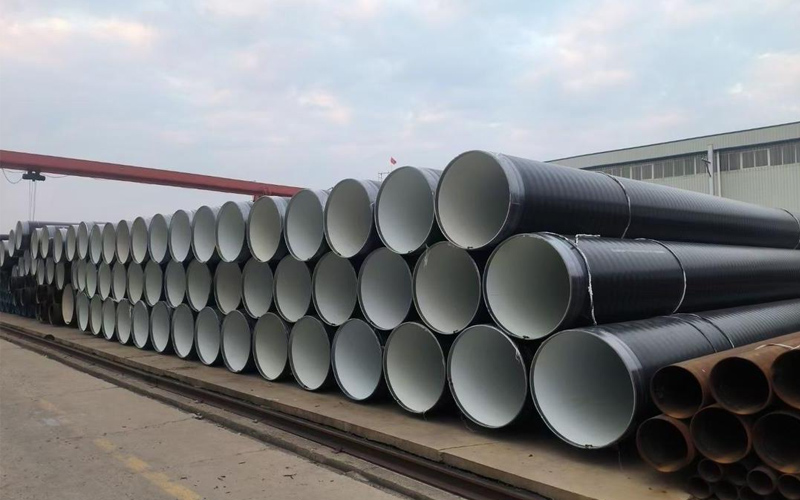
Análisis de la densidad del acero: Diferencias fundamentales entre aceros al carbono suaves y medios y aplicaciones industriales
La densidad del acero es uno de los parámetros clave que determinan sus propiedades físicas y aplicaciones industriales. Estado teórico de la densidad del acero...
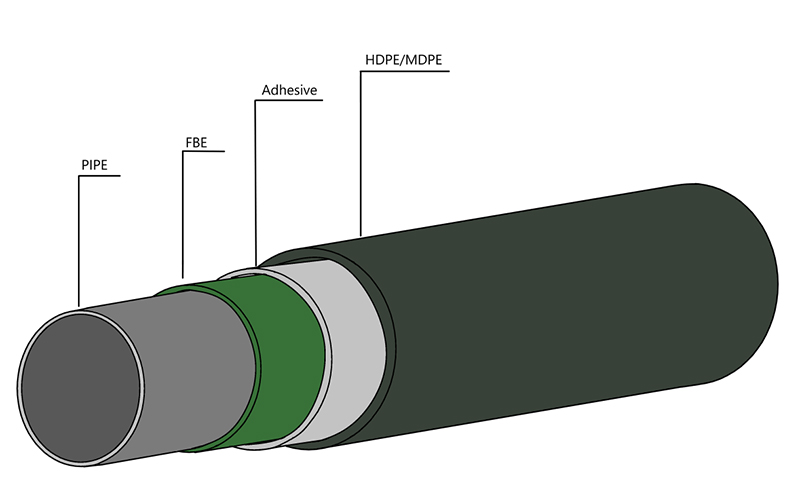
Tubos de acero revestidos con 3LPE: una barrera sólida en el campo de la protección contra la corrosión industrial
En el duro entorno del petróleo y el gas, la industria química, la red de tuberías urbanas, etc., la fiabilidad a largo plazo y la resistencia a la corrosión del sistema de tuberías...
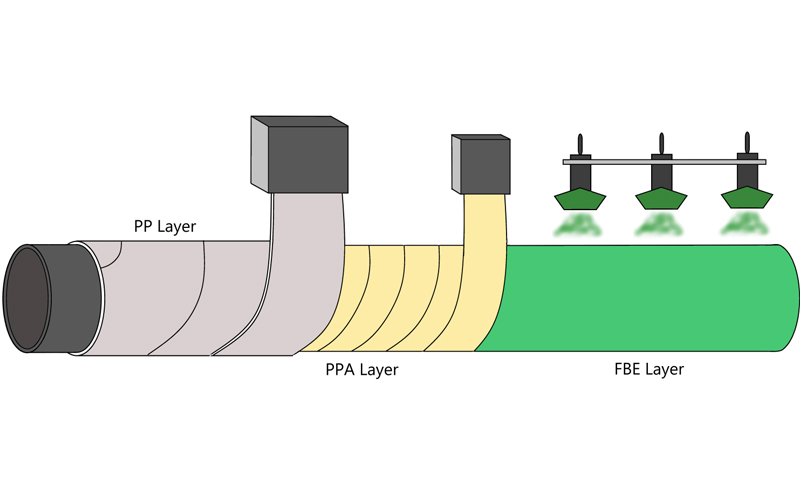
Tubo con revestimiento 3LPP: protección anticorrosión en entornos de alta temperatura y alta presión
En algunos entornos especiales difíciles, como la prospección de petróleo y gas en aguas profundas y el transporte de crudo a altas temperaturas, los revestimientos anticorrosión tradicionales se enfrentan a...
Tubos de acero FBE: el blindaje tecnológico de la línea de defensa del acero
I En las gélidas aguas bajo el oleoducto del Mar de Noruega, una sección de tubería de acero al carbono con revestimiento FBE ha estado en servicio durante 25...