






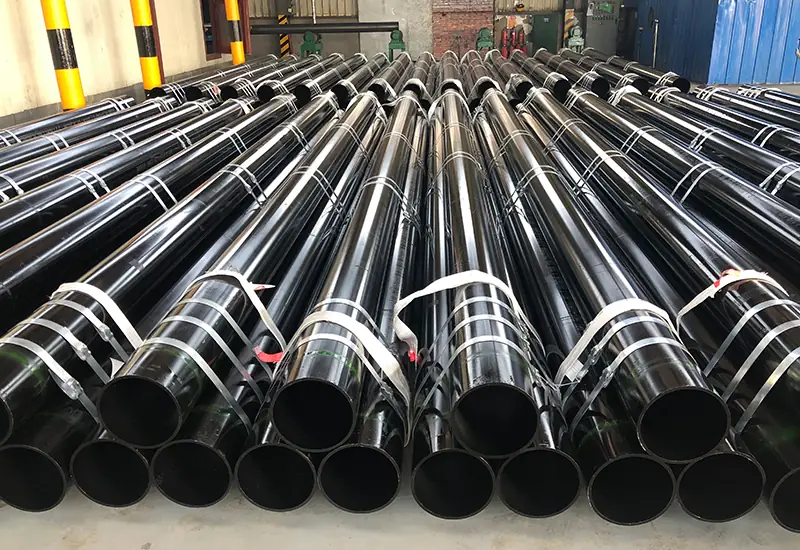
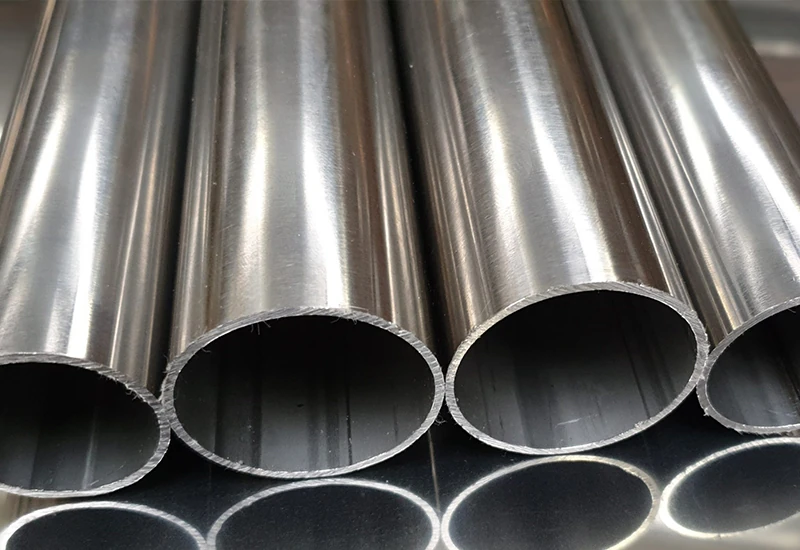

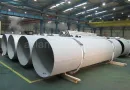
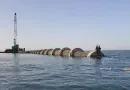
Pour tube en acier La préparation des extrémités des tuyaux est très importante. Pour les ingénieurs de projet, les chefs de chantier, les techniciens en soudage et les équipes d'achat, connaître les différences entre les extrémités biseautées, plates et filetées permet d'éviter des retards coûteux, de garantir l'intégrité structurelle et de faire correspondre les extrémités de tuyaux avec le produit adéquat. tube en acier à votre projet. Ce guide détaille les éléments clés qui vous permettront de prendre des décisions en toute connaissance de cause.
Plus qu'un simple point d'arrivée : L'importance de la préparation des extrémités des tuyaux
L'extrémité de la canalisation peut sembler petite, mais elle détermine le mode de raccordement, la résistance et l'efficacité de l'installation de la canalisation. tube en acier. Une mauvaise extrémité de la tuyauterie haute pression peut entraîner une fuite ou un danger ; une conception excessive d'un système basse pression fait perdre du temps et de l'argent. Une bonne préparation élimine les risques : elle permet d'intégrer les éléments suivants tube en acier avec les raccords et les vannes, réduit la main d'œuvre (pour les équipes qui n'ont pas de compétences en soudage) et garantit des performances à long terme.
La forme la plus simple : L'extrémité lisse (PE)
Les extrémités plates (PE) sont les plus basiques : une coupe lisse sur la surface du sol. tube en acier sans rainures, filetages ou angles. Leur simplicité convient aux applications à faible contrainte.
Quand utiliser les extrémités simples ?
Le PE est le choix idéal pour les environnements à basse pression où un joint simple et efficace est nécessaire sans préparation complexe.
Transmission de fluides à basse pression : conduites d'eau municipales non principales, condensats de chauffage, de ventilation et de climatisation ou systèmes chimiques à faible viscosité. PE tube en acier éviter les dépenses supplémentaires à des fins particulières.
- Soudure par emboîtement (SW) : PE tube en acier (≤ 2 pouces) se glisse dans le raccord concave du tuyau ; les joints sont soudés de l'extérieur pour former un joint étanche.
- Brides à emboîter : Se glissent sur les extrémités en PE, fixées par des boulons/joints - faciles à aligner pour l'air comprimé ou les lignes industrielles légères.
La norme pour le soudage : Extrémité en biseau (BE)
Bevel (BE) est l'étalon-or de la haute résistance. tube en acier les connexions. Lorsque deux tubes BE sont alignés, une “rainure en forme de V” se forme en coupant à un angle oblique de 30-35 degrés, ce qui en fait des pièces essentielles pour les applications critiques.
Le rôle critique de la “rainure en V” dans le soudage bout à bout
Le soudage bout à bout dépend de la rainure en V : elle contient le matériau d'apport et permet aux soudeurs d'obtenir une “pénétration complète” (soudage à travers toute la surface de la pièce). tube en acier paroi). La soudure est ainsi aussi résistante que la canalisation elle-même, ce qui élimine les faiblesses. Un mauvais plan incliné (peu profond ou irrégulier) entraînera une pénétration partielle, ce qui provoquera des fissures.
Normes et applications communes
BE est conforme à la norme ASME B 16.25 (l'angle, la surface de la racine et la tolérance sont spécifiés). Allland tube en acier respecte également la norme API 5 l (Oil/Gas) relative aux tubes d'acier interchangeables de haute qualité. Les applications de BE comprennent :
- Oléoducs/gazoducs (onshore/offshore, pression/température extrêmes).
- Eau à haute pression (conduite d'eau principale, lignes d'eau et d'électricité).
- Ingénierie structurelle (ossatures de bâtiments, ponts).
- Traitement chimique (haute pression, liquides corrosifs).
Pour les connexions mécaniques : Extrémité filetée (TE)
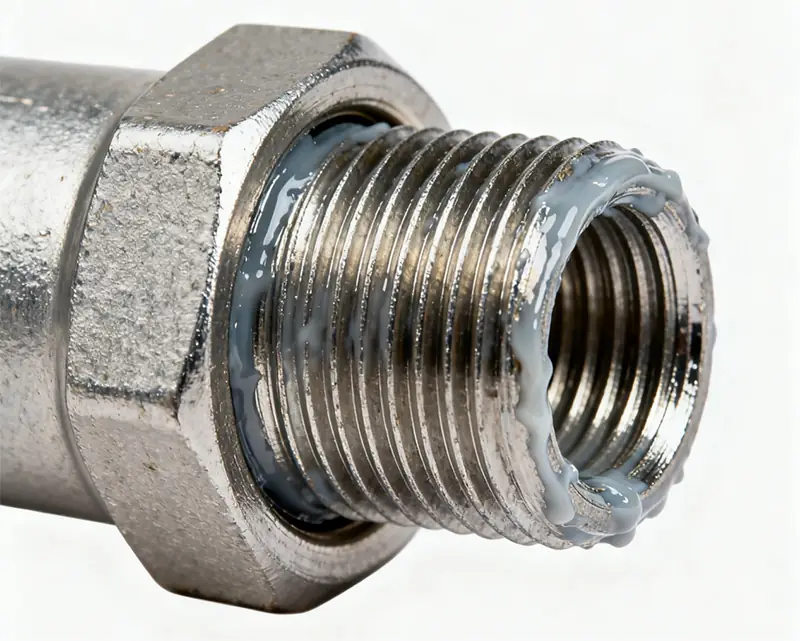
Les extrémités filetées (TE) assurent la connexion mécanique et ne nécessitent pas de soudure. Les rainures en spirale (filetage extérieur/filetage intérieur) sur le tube d'acier permettent de le visser dans l'embout fileté. raccords de tuyauterie. TE convient aux systèmes de petit diamètre, de moyenne et de basse pression.
Là où les connexions filetées brillent
Les avantages de la TE résident dans sa rapidité et sa simplicité (utilisation sans haute pression).
- Petit tube en acier (≤ 2 pouces) : Les tuyaux plus grands nécessitent des filetages difficiles à gérer.
- Pression faible à moyenne : Gicleurs d'incendie, plomberie résidentielle, petites conduites d'air comprimé.
- Pas de zone de soudage (risque d'incendie, mauvaise ventilation) : installer à l'aide d'une clé et d'un produit d'étanchéité (PTFE/ revêtement de tuyauterie).
- Systèmes temporaires/modulaires : faciles à démonter et à entretenir.
Comparaison rapide : Choisir la bonne extrémité pour votre projet
Afin de simplifier la sélection, Allland tube en acier a créé ce tableau pour faire correspondre votre projet à l'extrémité du tube d'acier appropriée:
| Fonctionnalité | Extrémité lisse (PE) | Extrémité en biseau (BE) | Extrémité filetée (TE) |
| Méthode de connexion | Brides à souder par emboîtement / brides à emboîter | Soudure bout à bout | Raccords vissés (avec produit d'étanchéité) |
| Pression nominale | Faible (jusqu'à 150 PSI) | Haute (150+ PSI, jusqu'à 10 000+ PSI pour les applications spécialisées) tube en acier) | Faible à moyen (jusqu'à 300 PSI) |
| Préparation sur place | Minimal (extrémité propre, raccord aligné) | Nécessite des soudeurs qualifiés ; retouches mineures du biseau | Appliquer le produit d'étanchéité ; serrer à l'aide d'une clé (aucune compétence particulière) |
| Meilleur pour... | Basse pression, petit diamètre tube en acier; systèmes non critiques | Pipelines critiques à haute intégrité (pétrole/gaz, conduites d'eau) ; utilisation structurelle | Zones non soudées, tuyaux en acier de petit diamètre ; systèmes temporaires |
| Principales spécifications | Coupe perpendiculaire à 90 | Angle de 30° - 37,5° selon ASME B16.25 | Filets NPT / BSP par API 5L |
Conclusion : Prendre rapidement la bonne décision
Choisir le bon embout de tuyau ne doit pas être compliqué. Utilisez ce cadre simple pour votre prochain projet :
- Pour les systèmes critiques à haute pression (pétrole/gaz, soudage structurel), la soudure à pénétration complète d'une extrémité en biseau (BE) est le choix obligatoire pour la sécurité et l'intégrité.
- Pour les conduites à basse pression et de petit diamètre (≤2 pouces) où le soudage est une option, l'embout lisse (PE) offre la solution la plus rentable et la plus simple pour les soudures à l'emboîture ou les brides à emboîter.
Pour les zones non soudées ou les systèmes temporaires nécessitant un assemblage facile, l'extrémité filetée (TE) offre une commodité inégalée pour les connexions mécaniques.

ASTM A53 vs. API 5L : Guide de sélection et d'application
Dans le domaine de la tuyauterie industrielle, l'ASTM A53 et l'API 5L sont deux normes clés largement utilisées, mais dont les positions sont très différentes. L'ASTM...

Introduction:Les différences technologiques déterminent le succès ou l'échec, et la sélection doit être “précise”
Dans le domaine du transport du pétrole et du gaz, des infrastructures municipales et d'autres projets majeurs, le choix raisonnable du processus de soudage des tuyaux en acier a une incidence directe sur le projet...
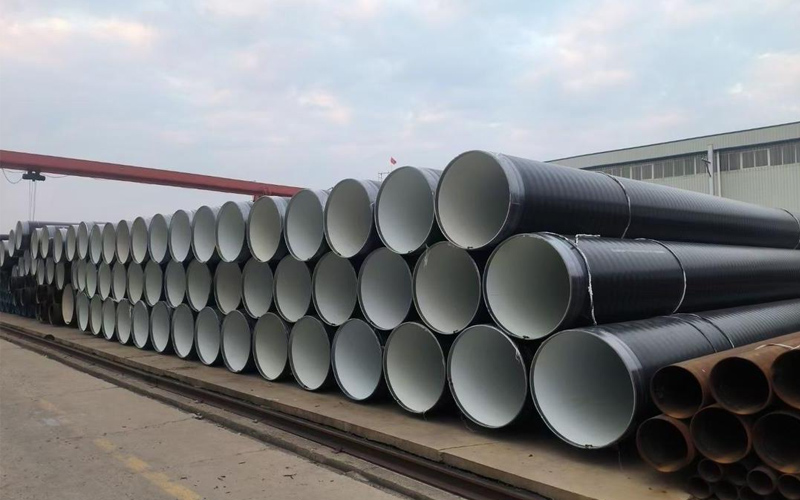
Analyse de la densité de l'acier : Différences fondamentales entre les aciers doux et moyens au carbone et applications industrielles
La densité de l'acier est l'un des paramètres clés qui déterminent ses propriétés physiques et ses applications industrielles. L'état théorique de la densité de l'acier...
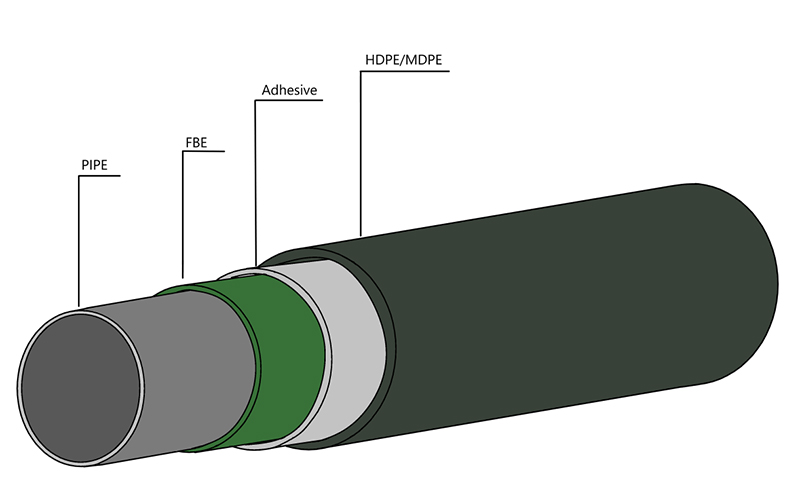
Tube d'acier revêtu de 3LPE : une barrière solide dans le domaine de la protection contre la corrosion industrielle
Dans l'environnement difficile du pétrole et du gaz, de l'industrie chimique, du réseau de canalisations urbaines, etc., la fiabilité à long terme et la résistance à la corrosion du système de canalisations...
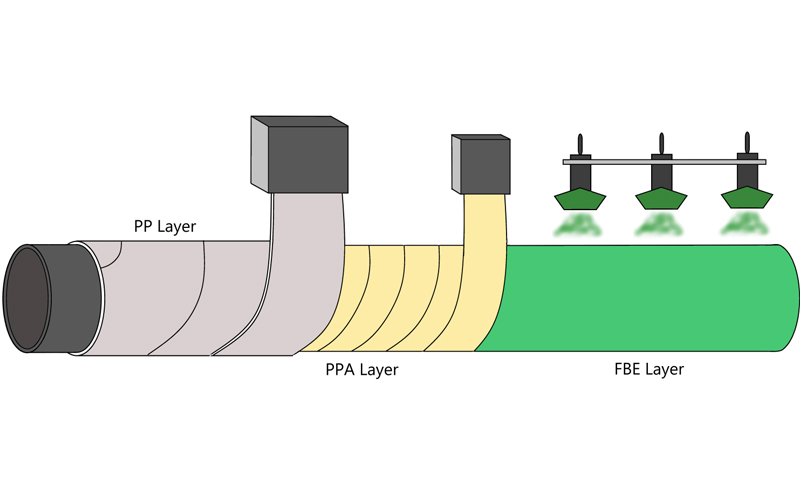
Tube revêtu de 3LPP : protection anticorrosion dans un environnement à haute température et à haute pression
Dans certains environnements spéciaux difficiles, tels que l'exploration pétrolière et gazière en eaux profondes et le transport de pétrole brut à haute température, les revêtements anticorrosion traditionnels sont confrontés à des défis importants,...
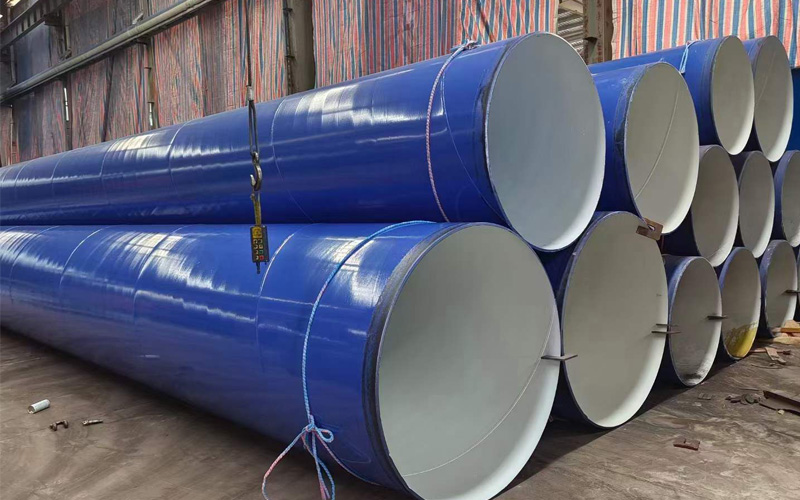
Tube d'acier FBE : l'armure technologique de la ligne de défense de l'acier
I Dans les eaux glacées du pipeline de la mer de Norvège, une section de tube en acier au carbone revêtu FBE est en service depuis 25...