







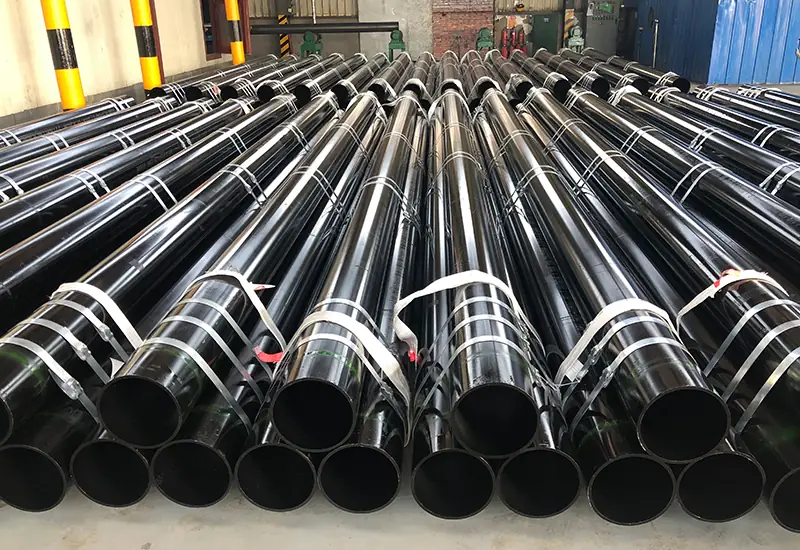
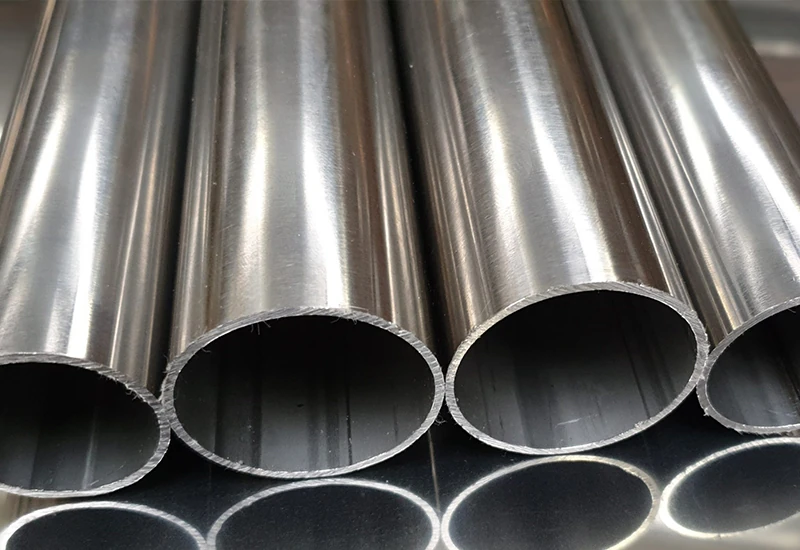

Para tubo de acero sistemas de tuberías, la preparación del extremo de la tubería es muy importante. Para los ingenieros de proyectos, jefes de obra, técnicos de soldadura y equipos de compras, conocer las diferencias entre extremos biselados, extremos planos y extremos roscados puede evitar costosos retrasos, garantiza la integridad estructural y coincide con la correcta. tubo de acero a su proyecto. Esta guía desglosa los detalles clave para tomar decisiones con conocimiento de causa.
Más que un simple extremo: Por qué es importante preparar el extremo de la tubería
El extremo de la tubería puede parecer pequeño, pero determina el modo de conexión, la resistencia y la eficacia de la instalación del tubo de acero. Un extremo incorrecto de la tubería de alta presión podría provocar fugas o peligros; diseñar en exceso un sistema de baja presión hace perder tiempo y dinero. Una preparación adecuada elimina riesgos: ayuda a integrar tubo de acero con racores/válvulas, reduce la mano de obra (para equipos sin conocimientos de soldadura) y garantiza el rendimiento a largo plazo.
La forma más sencilla: Extremo liso (PE)
Los extremos planos (PE) son los más básicos: un corte liso en tubo de acero sin ranuras, roscas ni ángulos. Su simplicidad es adecuada para aplicaciones de baja tensión.
Cuándo utilizar extremos lisos
El PE es la elección ideal para entornos de baja presión en los que se requiere un sellado sencillo y eficaz sin una preparación compleja.
Transmisión de fluidos a baja presión: tuberías de agua municipales no principales, condensados de HVAC o sistemas químicos de baja viscosidad. PE tubo de acero evitar gastos adicionales para fines especiales.
- Soldadura por encastre (SW): PE tubo de acero (≤ 2 pulgadas) se desliza en el accesorio de tubería cóncava; Las juntas se sueldan desde el exterior para formar un sello a prueba de fugas.
- Bridas deslizantes: Se deslizan sobre los extremos de PE, se fijan con pernos/juntas-fáciles de alinear para líneas de aire comprimido o industriales ligeras.
La norma para soldar: Extremo Biselado (BE)
Bevel (BE) es el estándar de oro de la alta resistencia tubo de acero conexiones. Cuando se alinean dos tubos BE, se forma una “ranura en forma de V” cortando en un ángulo oblicuo de 30-35 grados, lo que los convierte en piezas esenciales para aplicaciones críticas.
El papel fundamental de la “ranura en V” en la soldadura a tope
La soldadura a tope depende de la ranura en V: contiene el material de aportación y permite a los soldadores lograr una “penetración total” (soldar a través de toda la ranura en V). tubo de acero pared). Esto hace que la soldadura sea tan fuerte como la propia tubería, eliminando los puntos débiles. Un plano inclinado deficiente (poco profundo/impar) dará lugar a una penetración parcial, que provocará grietas.
Normas y aplicaciones comunes
BE cumple la norma ASME B 16.25 (se especifica el ángulo, la superficie de la raíz y la tolerancia). Allland tubo de acero también cumple la norma API 5 l (Petróleo/Gas) de tuberías de acero intercambiables de alta calidad. Las aplicaciones de BE incluyen:
- Oleoductos y gasoductos (terrestres y marítimos, presión y temperatura extremas).
- Agua a alta presión (tubería principal de agua, líneas de agua y electricidad).
- Ingeniería estructural (estructuras de edificios, puentes).
- Tratamiento químico (alta presión, líquidos corrosivos).
Para conexiones mecánicas: Extremo roscado (TE)
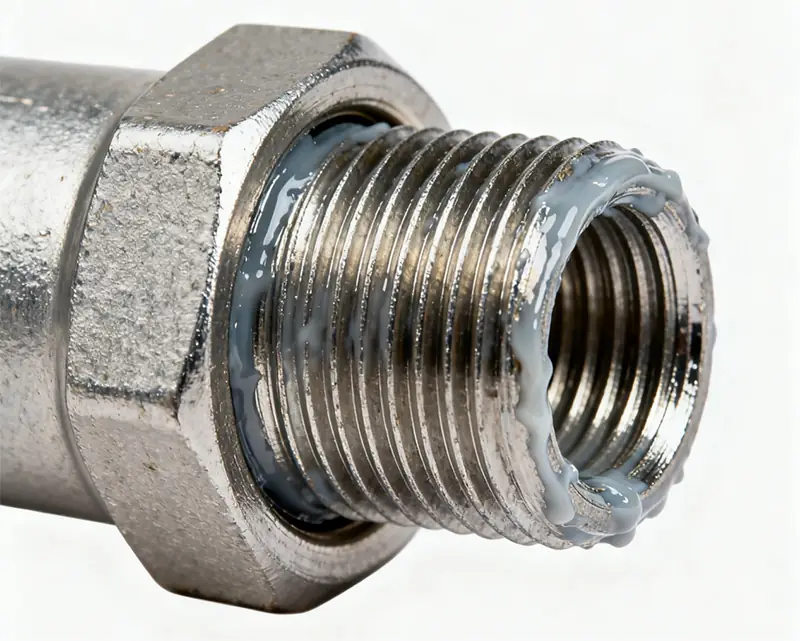
Los extremos roscados (TE) soportan la conexión mecánica y no necesitan soldadura. Las ranuras en espiral (rosca exterior/rosca interior) del tubo de acero permiten enroscarlo en el accesorios de tubería. TE es adecuado para sistemas de pequeño diámetro, media y baja presión.
Donde brillan las conexiones roscadas
Las ventajas de la TE residen en su rapidez y sencillez (uso sin alta presión).
- Pequeño tubo de acero (≤ 2 pulgadas): Los tubos más grandes requieren roscas difíciles de manejar.
- Presión de baja a media: Rociadores contra incendios, fontanería residencial, pequeñas líneas de aire comprimido.
- Sin zona de soldadura (peligro de incendio, mala ventilación): instalar con una llave y sellador (revestimiento de PTFE/tubería).
- Sistemas temporales/modulares: fáciles de desmontar y mantener.
Comparación rápida: Cómo elegir el extremo adecuado para su proyecto
Para simplificar la selección, Allland tubo de acero creó esta tabla para hacer coincidir su proyecto con el extremo de tubo de acero correcto:.
| Característica | Extremo liso (PE) | Extremo biselado (BE) | Extremo roscado (TE) |
| Método de conexión | Soldadura por encastre / Bridas deslizantes | Soldadura a tope | Racores roscados (con sellador) |
| Presión nominal típica | Bajo (hasta 150 PSI) | Alta (150+ PSI, hasta 10.000+ PSI para aplicaciones especializadas) tubo de acero) | Bajo a medio (hasta 300 PSI) |
| Preparación in situ | Mínimo (extremo limpio, ajuste alineado) | Necesita soldadores cualificados; pequeños retoques de biselado | Aplique el sellador; apriételo con una llave (sin conocimientos especiales) |
| Lo mejor para... | Baja presión, pequeño diámetro tubo de acero; sistemas no críticos | Tuberías críticas de alta integridad (petróleo/gas, conducciones de agua); uso estructural | Zonas no soldadas, tuberías de acero de pequeño diámetro; sistemas temporales |
| Especificaciones | Corte perpendicular de 90 | Ángulo de 30° - 37,5° según ASME B16.25 | Roscas NPT / BSP por API 5L |
Conclusión: Tomar rápidamente la decisión correcta
Elegir el extremo de tubo correcto no tiene por qué ser complicado. Utilice este sencillo marco para su próximo proyecto:
- Para sistemas críticos de alta presión (petróleo/gas, soldadura estructural), la soldadura de penetración total de un extremo biselado (BE) es la opción obligatoria para la seguridad y la integridad.
- Para líneas de baja presión y pequeño diámetro (≤2 pulgadas) en las que la soldadura es una opción, el extremo liso (PE) ofrece la solución más rentable y sencilla para soldaduras por encastre o bridas deslizantes.
Para zonas no soldadas o sistemas temporales que requieren un montaje sencillo, el extremo roscado (TE) ofrece una comodidad inigualable para las conexiones mecánicas.

ASTM A53 frente a API 5L: Guía de selección y aplicación
En el campo de las tuberías industriales, ASTM A53 y API 5L son dos normas clave muy utilizadas, pero con posiciones muy diferentes. ASTM...

Introducción:Las diferencias tecnológicas determinan el éxito o el fracaso, y la selección debe ser “precisa”
En la transmisión de petróleo y gas, las infraestructuras municipales y otros grandes proyectos, la elección razonable del proceso de soldadura de tubos de acero afecta directamente al proyecto...
Análisis de la densidad del acero: Diferencias fundamentales entre aceros al carbono suaves y medios y aplicaciones industriales
La densidad del acero es uno de los parámetros clave que determinan sus propiedades físicas y aplicaciones industriales. Estado teórico de la densidad del acero...
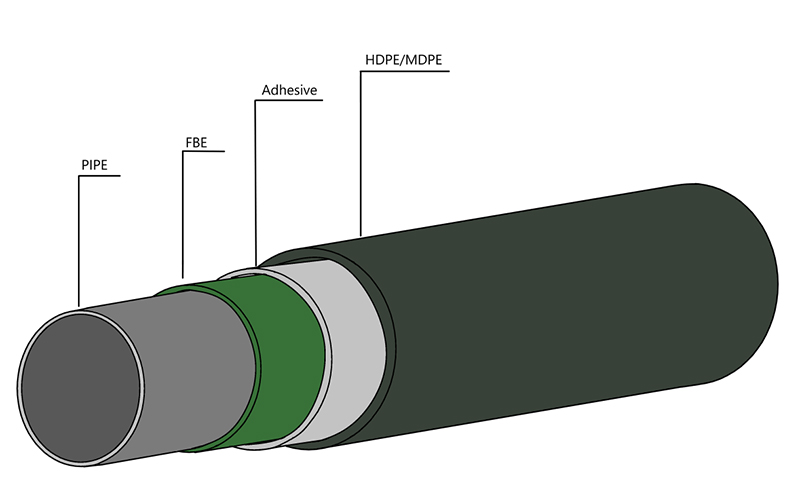
Tubos de acero revestidos con 3LPE: una barrera sólida en el campo de la protección contra la corrosión industrial
En el duro entorno del petróleo y el gas, la industria química, la red de tuberías urbanas, etc., la fiabilidad a largo plazo y la resistencia a la corrosión del sistema de tuberías...
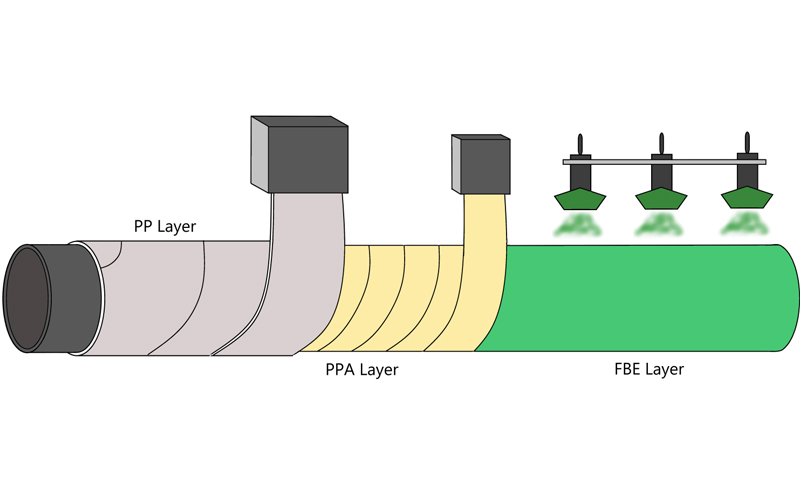
Tubo con revestimiento 3LPP: protección anticorrosión en entornos de alta temperatura y alta presión
En algunos entornos especiales difíciles, como la prospección de petróleo y gas en aguas profundas y el transporte de crudo a altas temperaturas, los revestimientos anticorrosión tradicionales se enfrentan a...
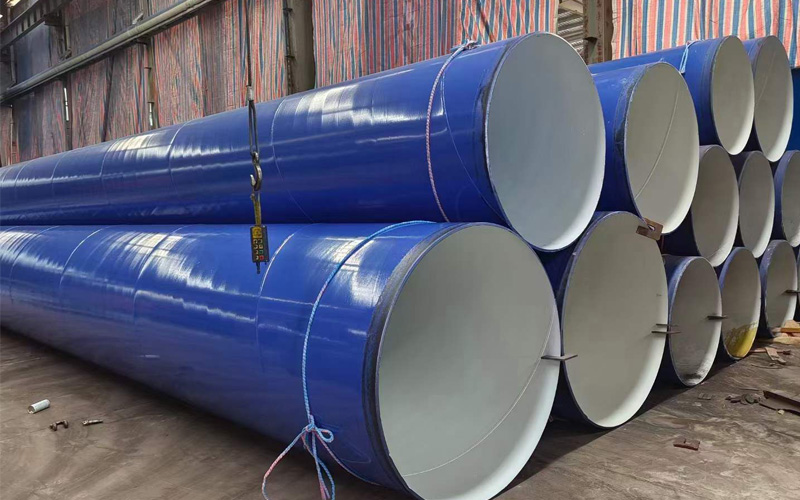
Tubos de acero FBE: el blindaje tecnológico de la línea de defensa del acero
I En las gélidas aguas bajo el oleoducto del Mar de Noruega, una sección de tubería de acero al carbono con revestimiento FBE ha estado en servicio durante 25...