







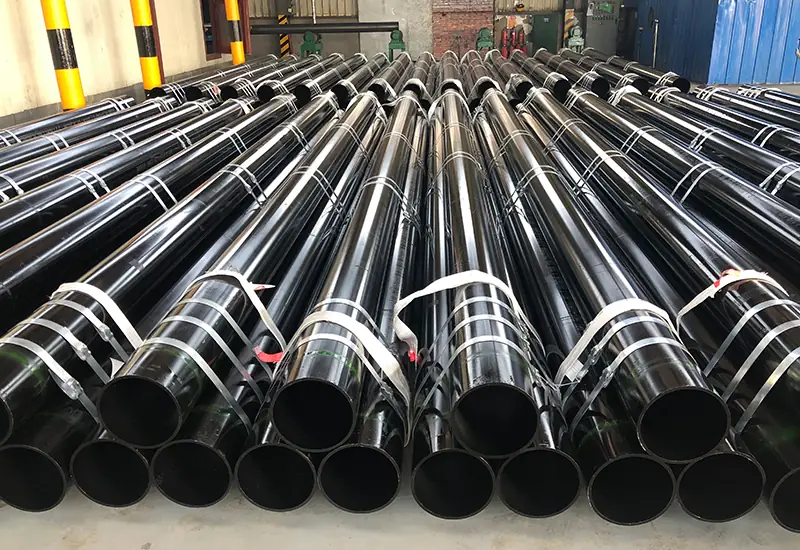
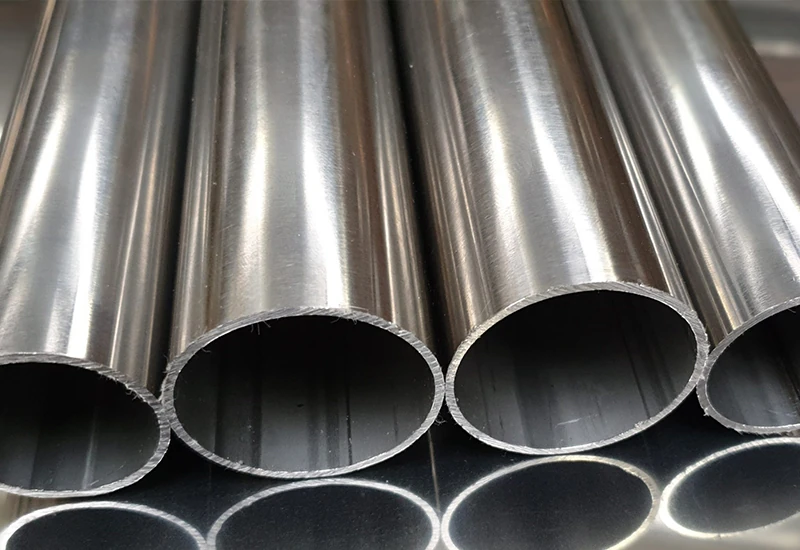


Heavy steel structure projects-from large bridges across rivers to skyscrapers running through the city skylines and huge industrial warehouses for storing heavy machinery-require materials to balance strength, durability and reliability. The structural integrity of these projects depends entirely on the quality of the materials used, especially the load-bearing members. Among the various standards governing structural materials, ASTM A500 stands out as the leading specification for structural steel pipe, setting the benchmark for cold-formed welded and seamless carbon steel pipe in heavy-duty applications. This standard ensures that structural support pipe meets strict performance standards, making it an indispensable tool for engineers, contractors and project managers in their efforts to deliver safe, durable and cost-effective heavy steel structures.
In an industry where tiny material defects can lead to catastrophic failures, ASTM A500 provides a consistent framework for manufacturing structural steel pipe. Unlike generic pipe, ASTM A500-compliant pipes are engineered to withstand extreme loads and harsh conditions in heavy steel construction. From supporting multi-story buildings to resisting bridge traffic forces, they deliver the stability modern construction demands, making them the top choice for industry professionals.
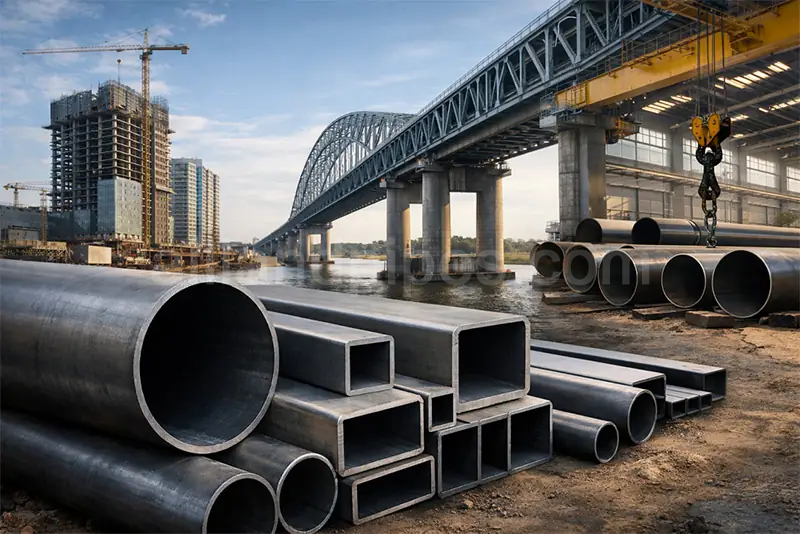
What is ASTM A500? Understanding the Basics
The core of ASTM A500 is a standard specification developed by the American Society for Testing and Materials (ASTM), which is used to manage the cold-formed welding and the production of seamless carbon steel structural pipes. This standard is specially designed for structural applications, not pressure-bearing applications, which makes it an ideal choice for load-bearing components in heavy steel structure engineering. ASTM A500 pipes are available in round, square, and rectangular shapes, catering to the diverse design needs of modern construction, and are manufactured using high-quality carbon steel with strict controls on chemical composition and mechanical properties.
A key term related to ASTM A500 is HSS (Hollow Structural Section), that is, a tubular section with a hollow cross-section, just as it covers circular, square and rectangular pipes. Engineers prefer HSS because it has an excellent strength-to-weight ratio, uniform load distribution and excellent torsional performance. HSS is light and strong, which reduces structural weight without sacrificing strength. The hollow design simplifies welding and integration into complex systems, making HSS conforming to the ASTM A500 standard an ideal choice for load-bearing parts.
ASTM A500 is divided into three main grades-Grade A, Grade B and Grade C-each grade has different yield strength, tensile strength and ductility, and the main difference lies in the yield strength of steel pipes. Yield strength is the maximum stress that a material can bear before permanent deformation, which is a key factor in load-bearing structures. The load-bearing structures must keep their shape and integrity under heavy loads. Grade A has the lowest minimum yield strength at 39,000 psi (269 MPa), and is suitable for light to medium structural loads, such as small industrial frames or non-critical supporting components. Grade B is the most common designated grade, with a minimum yield strength of 46,000 psi (317 MPa) for shaped tubing and 42,000 psi (290 MPa) for round tubing, balancing strength and formability. It is an ideal choice for general heavy steel structure applications, including building columns and bridge supports. Grade C offers a higher minimum yield strength of 50,000 psi (345 MPa) for shaped tubing and 46,000 psi (317 MPa) for round tubing, making it ideal for heavy structural loads, such as high-rise building frames and large-span bridge components. Choosing the correct grade depends on the specific load requirements of the project, and the engineer chooses the grade that provides the necessary strength while optimizing cost and constructability.
Main Advantages of ASTM A500 in Structural Applications
One of the greatest advantages of ASTM A500 structural steel pipe is its high strength-to-weight ratio. In a heavy steel structure, it is very important to reduce the weight of structural components, which can reduce the foundation costs, simplify transportation and installation, and reduce the overall load on the structure. The ASTM A500 pipe achieves this balance by using cold-formed carbon steel, which improves the strength of the material without increasing unnecessary weight. Compared to solid steel sections, ASTM A500 HSS pipes can support the same or greater loads while being significantly lighter. For example, a square ASTM A500 pipe can replace a solid steel beam in a building frame, and reduce the weight of the beam by 50% while maintaining the same load-bearing capacity. This benefit is particularly valuable in large-span structures, such as bridges and stadiums, where minimizing weight is essential to ensuring structural stability and reducing construction costs.
Weldability and formability are the other two important advantages of ASTM A500 structural steel pipe. In heavy steel structure engineering, the connection of structural members often requires on-site welding, and the difficulty of welding directly affects the efficiency and quality of construction. As a professional welded steel pipe manufacturer, we ensure that our ASTM A500 pipes are manufactured with low carbon content (0.26% at most), which improves the weldability by preventing the formation of brittle welds and reducing the risk of cracking during welding. Additionally, the cold-formed manufacturing process of ASTM A500 pipes improves their formability, allowing them to be bent, cut, and shaped to meet the specific design requirements of a project without compromising strength. This flexibility is very important for complex structural designs, such as curved bridge supports or customized industrial frames. In these cases, the standard pipe shapes may not be enough. Whether welding in a factory or on a construction site, ASTM A500 pipes consistently deliver reliable, high-quality welds that ensure structural integrity.
In addition to performance, ASTM A500 structural steel pipe also provides aesthetic attraction for modern designs. The simple lines of round, square and rectangular HSS complement the modern styles, whether it is exposed or hidden components. Exposed ASTM A500 pipes create open internal space in commercial buildings and a modern appearance in bridges, while square/rectangular pipes are suitable for facades and handrails, and circular pipes are good at being used as columns. This combination of performance and aesthetics makes ASTM A500 have many uses in functional and decorative applications.
Key Specifications and Dimensions of Heavy Projects
In a heavy steel structure, it is non-negotiable to meet ASTM A500 standards and other related carbon steel pipe specifications, because it directly affects the safety and life of the structure. ASTM A500 puts forward strict requirements for chemical composition, mechanical properties and manufacturing technology to ensure that each structural steel pipe meets consistent quality standards. For example, the standard specifies the maximum content of carbon, phosphorus and sulfur in the steel, because these elements will affect the strength, ductility and weldability of the material. In addition, ASTM A500 requires strict testing of each batch of pipes, including tensile tests, yield strength tests and welding quality inspection, so as to ensure compliance. Non-compliant pipes can lead to structural failures, costly rework, and potential safety hazards, which is why engineers and contractors insist on ASTM A500-compliant materials for heavy projects.
Understanding the pipe wall thickness chart and steel pipe dimensions is essential for selecting the right ASTM A500 structural steel pipe for a heavy project. The wall thickness of a pipe directly impacts its load-bearing capacity—thicker walls can support greater loads, while thinner walls are suitable for lighter applications. The chart of pipe wall thickness provides a quick reference for selecting the appropriate wall thickness according to pipe diameter and the expected load. For example, a large-diameter ASTM A500 pipe used in a bridge support may require a wall thickness of 0.5 inches or more, while a smaller pipe used in an industrial frame may require a wall thickness of only 0.25 inches. The size of the steel pipe, including outer diameter, inner diameter and length, also plays an important role in design. ASTM A500 pipes are available in a variety of sizes, ranging from small square pipes (2 x 2 inches) to large round pipes (12 inches in diameter or larger), allowing engineers to choose the most suitable size for their specific application. By referring to the wall thickness diagram and steel pipe size, buyers can ensure that they choose the correct structural steel pipe to meet the load requirements and design specifications of the project.
Large-diameter steel pipe option makes ASTM A500 an ideal choice for heavy-duty and large-span projects. Large diameter steel pipe (more than 10 inches) supports the maximum loads of piers, foundation piles and industrial columns. It serves as a bridge supporting piles and industrial columns for heavy cranes, and it can resist the harsh marine environment in offshore construction. ASTM A500 large-diameter pipe meets strict quality standards, ensuring reliability for high-load applications.
General Application of ASTM A500 Structural Pipe
Infrastructure projects are one of the most common applications for ASTM A500 structural steel pipe because they need materials that can withstand heavy loads, bad weather and continuous use. Bridges are a typical example-ASTM A500 pipes are used for bridge supports, columns and supporting beams, providing the strength and stability needed to withstand the pressures of vehicles, pedestrians and the environment (such as wind and earthquakes). Highway signs and lampposts also rely on ASTM A500 pipes because their durability and corrosion resistance (when properly coated) ensure that they can withstand years of exposure. In addition, ASTM A500 pipes are used in tunnel supports, retaining walls and other infrastructure components and their strength and formability make them an ideal choice for complex load-bearing applications.
Industrial buildings, including warehouses, factories and manufacturing facilities, rely heavily on ASTM A500 structural steel pipe as their frames and supporting systems. Especially the warehouse frames need light and strong materials to support large roof loads and heavy equipment, and ASTM A500 HSS pipe is very suitable for this purpose. The square and rectangular shapes of ASTM A500 pipe make it easy to assemble into rigid frames, and its high strength-to-weight ratio reduces the total weight of the building. Crane rails are another common application. ASTM A500 pipes are used to manufacture rails supporting overhead cranes, because their strength and durability can withstand the continuous movement and heavy loads of cranes. Additionally, ASTM A500 pipes are used in industrial machinery supports, platform frames, and conveyor systems, where their reliability and formability ensure long-term performance in harsh industrial environments.
Offshore and specialized construction projects also benefit from the versatility and durability of ASTM A500 structural steel pipes. In offshore construction, ASTM A500 pipe is used as an auxiliary structure of offshore pipe systems and offshore platforms to provide support for pipes, equipment and personnel. These applications require materials that can withstand salt water corrosion, extreme temperatures and strong winds, and ASTM A500 pipes coated with anti-corrosion solutions (such as 3LPE steel pipe coating) can meet these challenges well. Three-layer steel pipe coating (three-layer polyethylene) provides a solid anti-corrosion barrier, which prolongs the service life of ASTM A500 pipe in the marine environment. Additionally, ASTM A500 pipes are used in specialized construction projects such as stadiums, airports, and high-rise buildings, where their strength, formability, and aesthetic appeal make them a preferred choice for complex structural designs.
Choosing the Right Structural Steel Pipe Supplier
It is very important to choose a reliable pipe manufacturing company to ensure the quality and performance of ASTM A500 structural steel pipe in heavy steel structure engineering. A qualified supplier should adhere to strict quality control standards throughout the manufacturing process, from the selection of raw material to final testing. This includes testing the chemical composition and mechanical properties of the steel, checking the welding quality of pipes and ensuring compliance with ASTM A500 and other related standards. Additionally, a reputable pipe manufacturing company should have the necessary certifications, such as ISO 9001, to demonstrate its commitment to quality. Quality control is essential because even minor defects in structural steel pipe can lead to catastrophic failures in heavy projects, making it critical to choose a supplier that prioritizes quality and consistency.
Global export capacity is another important factor to be considered when selecting suppliers of structural steel pipe, especially for large international construction projects. Allland Pipes is a leading steel pipe exporter, providing comprehensive ASTM A500 structural steel pipe, and has the experience and infrastructure to provide high-quality products to projects all over the world. With an annual production capacity of 250,000 tons and many international certifications (API/ASTM/EN/ISO/JIS), Allland Pipes ensures that their products meet the most stringent quality standards and can be delivered on time, no matter where the project is located. Whether you need ASTM A500 pipes for a bridge in Europe, an industrial facility in Asia or a high-rise building in North America, Allland Pipes has global influence and expertise to meet your needs.
Buying directly from a structural steel pipe factory can save on middlemen and provide a better price list and quality control of structural steel pipes. It also allows direct communication with manufacturers to customize structural steel pipe (size, coating) to meet unique project requirements. Allland Pipes is a factory that directly produces structural steel pipe, offering competitive prices and customized solutions, which is an ideal choice for heavy steel projects.
Anti-Corrosion Solutions for Longevity
In order to prolong the service life of ASTM A500 structural steel pipe, especially in a harsh environment, anti-corrosion solutions are very important. Two of the most effective anti-corrosion solutions for structural steel pipe are Hot-Dip Galvanizing (HDG) and advanced Zinc-rich Epoxy primer systems. FBE coating is a kind of thermosetting epoxy powder, which is coated on the surface of the pipe to form a hard and durable barrier to resist corrosion, chemicals and environmental pressure. FBE coating is an ideal choice for underground and industrial applications, because it provides excellent adhesion and resistance to soil chemicals and water. 3LPE coating, on the other hand, consists of three layers: a base layer of FBE, a middle layer of adhesive, and an outer layer of polyethylene. This multi-layer coating provides excellent corrosion resistance, impact resistance and ultraviolet protection, making it an ideal choice for marine, offshore and outdoor applications. Both FBE and 3LPE coatings can extend the service life of ASTM A500 structural steel pipe for decades, reducing maintenance costs and ensuring the long-term structural integrity of the project. Allland Pipes provides FBE and 3LPE coating options for its ASTM A500 pipes, ensuring that they can withstand the harshest environments.
Conclusion
ASTM A500 is the cornerstone of modern heavy steel construction, providing a reliable, consistent standard for structural steel pipe that meets the rigorous demands of bridges, skyscrapers, industrial facilities, and offshore projects. Its high strength-to-weight ratio, excellent weldability and formability and various sizes and shapes make it the first choice for engineers and contractors around the world. From the basic definition and grade distinctions to its main advantages, key specifications and wide applications, ASTM A500 provides the performance and reliability required by heavy steel structures. By complying with ASTM A500 standards and selecting a reputable supplier like Allland Pipes, project managers can ensure that their structural support pipes have the highest quality and provide a safe, durable and cost-effective foundation for their projects.

ASTM A53 vs. API 5L: A Guide to Selection and Application
In the field of industrial piping, ASTM A53 and API 5L are two key standards that are widely used, but have very different positions. ASTM...

Introduction:Technology differences determine success or failure, and selection needs to be “precise”
In oil and gas transmission, municipal infrastructure and other major projects, the reasonable choice of steel pipe welding process directly affects the project...
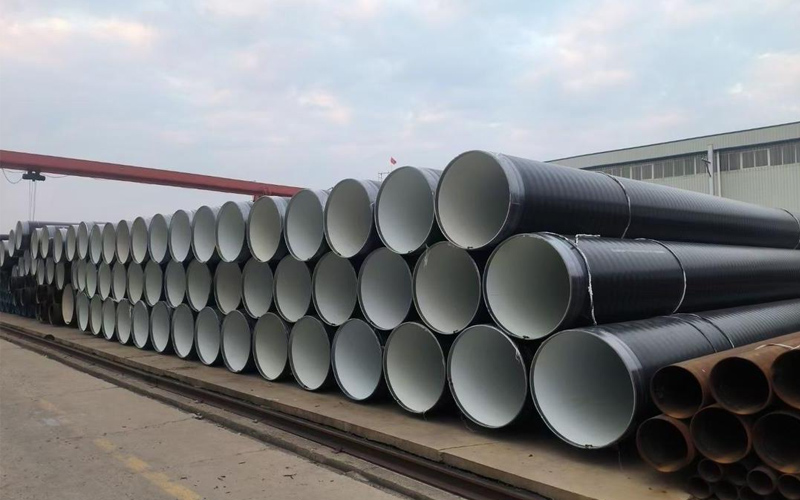
Steel Density Analysis: Core Differences between Mild and Medium Carbon Steels and Industrial Applications
The density of steel is one of the key parameters that determine its physical properties and industrial applications. Theoretical state of steel density...
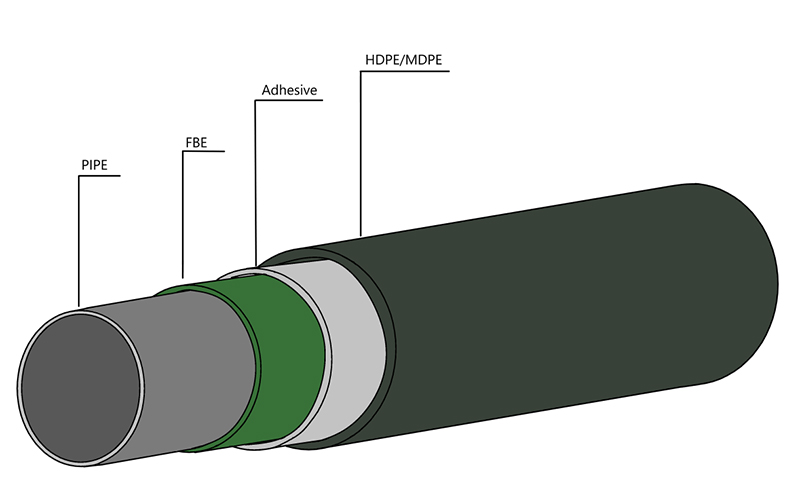
3LPE coated steel pipe: a solid barrier in the field of industrial corrosion protection
In the harsh environment of oil and gas, chemical industry, urban pipe network, etc., the long-term reliability and corrosion resistance of pipeline system...
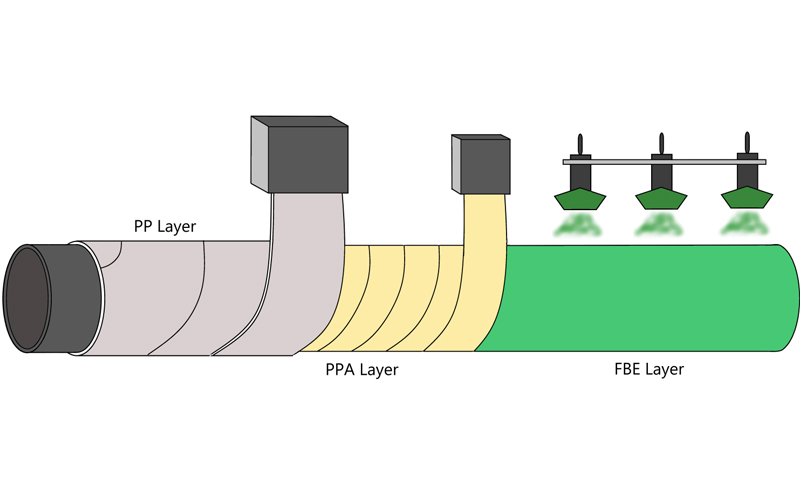
3LPP coated pipe: anti-corrosion guard in high temperature and high pressure environment
In some challenging special environments such as deep-sea oil and gas exploration and high-temperature crude oil transportation, traditional anti-corrosion coatings face significant challenges,...
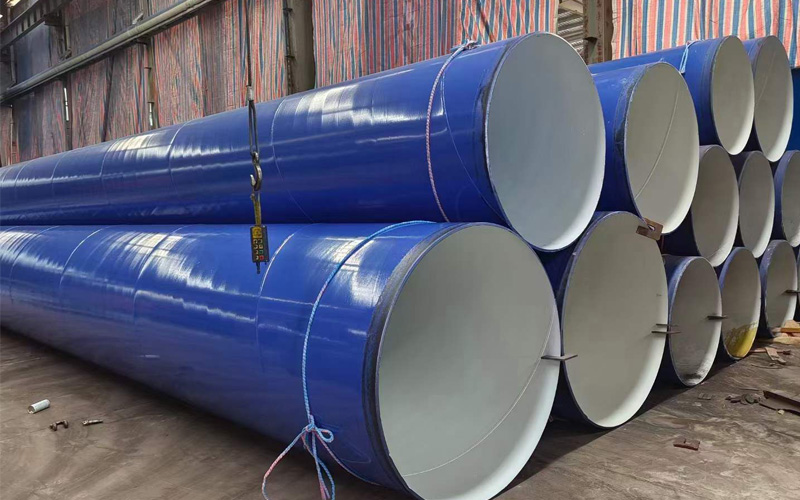
FBE steel pipe: the technological armor of the steel defense line
I In the icy waters beneath the Norwegian Sea pipeline, a section of FBE Lined Carbon Steel Pipe has been in service for 25...