







Introduction: Why galvanized steel pipe is still the industry standard
Because of hot-dip galvanizing, galvanized steel pipe is very important for construction, pipe and industrial use. This process creates a protective zinc layer that resists corrosion, outperforming uncoated steel. It is durable and cost-effective for residential water supply, commercial fire sprinklers, and light industrial fluid transportation. Unlike plastic pipes, it maintains structural integrity in harsh, high-moisture environments.
Many buyers focus heavily on the specifications of galvanized steel pipe. Choosing the wrong size, schedule or accessories will lead to expensive problems: installation delay, leakage, waste of materials or premature failure. A residential plumber may choose pipe that is too small for the water demand (low pressure), while an industrial buyer may choose pipes that are too thick, increasing weight and cost. Success depends on understanding of steel pipe size chart and Schedule 40 (the most common option) and cooperation with a reputable steel pipe manufacturer.
Decoding the Specs: Understanding the Galvanized Steel Pipe Size Chart
The Basics: NPS vs. OD
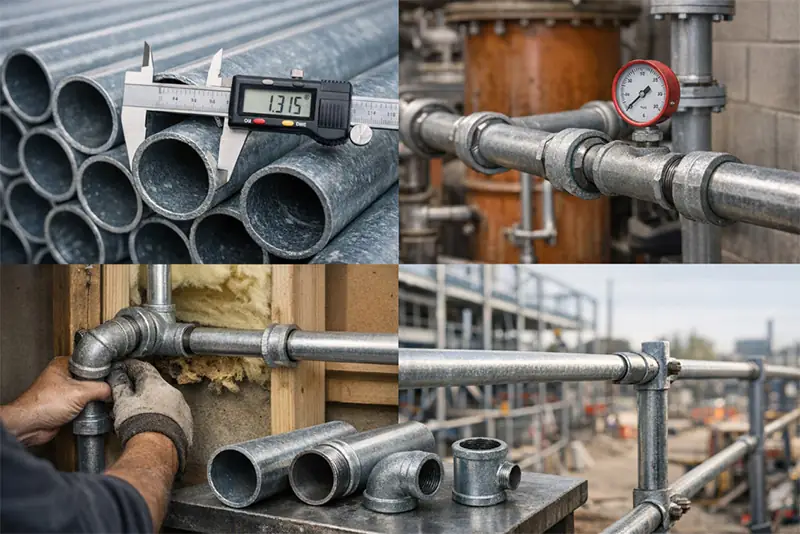
In order to choose the right pipe, we should know the Nominal Pipe Size (NPS) and outside diameter that doesn’t match the actual diameter—e.g., NPS 1 has an OD of 1.315 inches. NPS originates from the inner diameter of the old thin-walled pipe; Since the walls are thickened due to pressure, the outer diameter remains unchanged due to the compatibility of fittings.
The external diameter is the actual external dimension of the pipe, which is fixed according to the NPS size to ensure the compatibility of fittings. For example, the outer diameter of all NPS 2 pipes is 2.375 inches, regardless of the schedule.
How to Read Allland‘s Galvanized Steel Pipe Size Chart
A reliable steel pipe size chart is an indispensable tool for any project involving galvanized steel pipe, and Allland’s chart is designed to be clear, comprehensive, and user-friendly. Our chart organizes key information by NPS size, including outside diameter, inside diameter (ID), wall thickness (based on schedule) and weight per foot, all of which are important details for planning, budgeting and installation.
In order to use the chart effectively, firstly, determine the requirements of the project: the expected use (water supply, fire fighting, etc.) and required flow or pressure. Locate the matching NPS size—NPS ½ to 1 for residential water lines, NPS 2+for larger commercial projects. Cross-reference NPS and schedule to find out the wall thickness and inner diameter, and calculate the transportation cost and structural capacity using the weight per foot.
Expert Tip: Why ID vs. OD Matters for Flow Design
Confusing the inner diameter and the outer diameter will damage the project performance, especially for fluid transportation. ID is the fluid flow space, directly affecting flow rate and pressure. The smaller the inner diameter, the smaller the flow and the lower the pressure; A bigger ID is unnecessary and expensive.
For example, the inner diameter of NPS Schedule 40 pipe is 0.824 inch, which is enough for most households. A Schedule 80 pipe (thicker wall) has a 0.742-inch ID, reducing flow and risking low pressure. A trusted steel pipe manufacturer will match the inner diameter with the flow demand.
The Workhorse: Why Schedule 40 Galvanized Steel Pipe is the Go-To Choice
What’s schedule 40?
Schedule refers to the wall thickness of a galvanized steel pipe, and Schedule 40 is the most widely used grade in the industry, often considered the “workhorse” of galvanized steel pipes. It is defined by a balanced combination of strength, weight and cost, making it suitable for a wide range of applications. Unlike thin schedules that are light but not durable (such as Schedule 10 or 20) or thick schedules that are heavy but expensive (such as Schedule 80 or 120), Schedule 40 provides a perfect balance for most residential, commercial and light industrial projects.
The wall thickness of Schedule 40 varies by NPS: the wall thickness of NPS 1 pipe is 0.133 inch, while that of NPS 4 pipe is 0.237 inch. This ensures that there is enough strength for each size without increasing weight or cost. From a reputable steel pipe manufacturer, Schedule 40 steel pipe meets strict quality standards, and can maintain consistent quality in various projects.
Schedule 40 Applications of Galvanized Steel Pipe
Schedule 40 is suitable for residential use: indoor/outdoor water pipes, sprinklers and drainage pipes. Its corrosion resistance makes it ideal choice for underground facilities, which can resist humidity and soil chemicals.
Schedule 40 is applicable to commercial/light industrial requirements: fire fighting, compressed air pipe and mild chemical transportation. Because of its strength, it is also suitable for lightweight structures such as handrails and scaffolding.
Schedule 40 Advantages of Galvanized Steel Pipe
There are three main advantages that make Schedule 40 galvanized steel pipe the first choice for most projects: super compressive strength, excellent corrosion resistance and high installation standardization.
Schedule 40 can easily withstand standard system pressures (which typically operate around 150 psi in residential/commercial settings), with a pipe burst strength that goes much higher.
Secondly, the hot-dip galvanizing process for Schedule 40 pipe provides a uniform and durable zinc coating, which can prevent corrosion and rust. Unlike paint or other coatings, which can chip or peel over time, the zinc coating bonds with the steel, creating a barrier that resists moisture, chemicals, and environmental wear. In most environments, this extends the service life of the pipe to 50 years or more, and reduces the maintenance and replacement costs.
Third, Schedule 40 galvanized steel pipes are highly standardized, meaning they are compatible with a wide range of fittings and accessories from any steel pipe manufacturer. This standardization simplifies installation, as contractors can easily find compatible elbows, tees, couplings, and valves, reducing the risk of ill-fitting components. In addition, replacement parts can be purchased more easily if necessary, ensuring the shortest downtime for maintenance or upgrade.
Don’t Forget the Details: The Role of Galvanized Steel Pipe Parts
Compatibility: Matching Fittings to Schedule and Size
Even the highest-quality galvanized steel pipe will fail if paired with incompatible fittings. Fittings-including elbows, tees, joints and valves-must match the NPS size and schedule of the pipe to ensure a tight and leak-proof sealing. For example, a Schedule 40 pipe can not be paired with Schedule 80 pipe, because the thicker wall of the Schedule 80 pipe will not be aligned with the outer diameter of the Schedule 40 pipe, resulting in gaps and leakage.
Allland Advantage: Matching Galvanized Fittings for Seamless Performance
As a trusted steel pipe manufacturer, Allland understands the importance of compatible fittings, which is why we offer a complete line of galvanized steel pipe fittings designed to work seamlessly with our Schedule 40 (and other Schedule) galvanized pipes. Our fittings are made from the same high-quality steel as our pipes and undergo the same hot-dip galvanization process, ensuring that the entire system—pipes and fittings—has consistent corrosion resistance.
Our precision-made fittings meet strict dimensional standards and are used to maintain tight and leak-proof sealing of pressure grade. We provide all the necessary accessories-elbows, tees, joints, reducers, valves-so you can buy everything in one place. Allland fittings have eliminated electrochemical corrosion, because they match the galvanized material of our pipe, which is beneficial to the integrity and life of the system.
Best Practice: One-Stop Shopping for Pipes and Fittings
A key best practice for any galvanized steel pipe project is to purchase both pipes and fittings from the same steel pipe manufacturer—a one-stop shopping approach that offers numerous benefits. First of all, it ensures perfect compatibility between pipes and fittings, because they work together in design and manufacture. This eliminates the risk of mismatch in sizes or schedules, which can lead to installation delay and leakage.
Make a one-stop purchase from a steel pipe manufacturer to ensure compatibility, avoid tolerance problems and simplify budget/logistics by ordering all materials at once.
Allland’s Precision Advantage: Quality and Logistics
Quality Assurance: Strict Hot-Dip Galvanization Standards
Priority is given to quality in Allland: we use high-quality carbon steel and check the defects before galvanizing. Our hot dip plating process ensures a uniform zinc coating of 85 microns with excellent corrosion resistance.
Unlike low-quality galvanized pipes with thin and uneven coating, our galvanized pipe has a zinc coating of at least 85 microns and has excellent corrosion resistance. We test the coating adhesion and dimensional accuracy of each batch of products to ensure that they meet the specifications of our steel pipe size chart, thus ensuring the durability of the pipe.
Customization: Precision Cutting for Specific Project Needs
Although standard Schedule 40 galvanized steel pipes suit most projects, some applications require customized lengths or configurations. As a flexible steel pipe manufacturer, Allland provides accurate cutting services to meet the unique needs of your project. Our state-of-the-art cutting equipment ensures that the pipe is cut to a precise length (from a few inches to 20 feet or more), and the edge is clean and straight, thus reducing the need for on-site cutting and minimizing waste.
We provide custom thread and bevel for special connections. Our experts provide precise solutions to keep your project efficient.
Logistics: Protecting Pipes During Long-Distance Shipping
As a global steel pipe manufacturer, we understand the challenges of transporting galvanized steel pipes over long distances, especially overseas. The zinc coating is very fragile, and if it is not properly packaged, it can be damaged during transportation, thus affecting the corrosion resistance of pipes. This is why we use special packaging technology to protect our pipe during transportation.
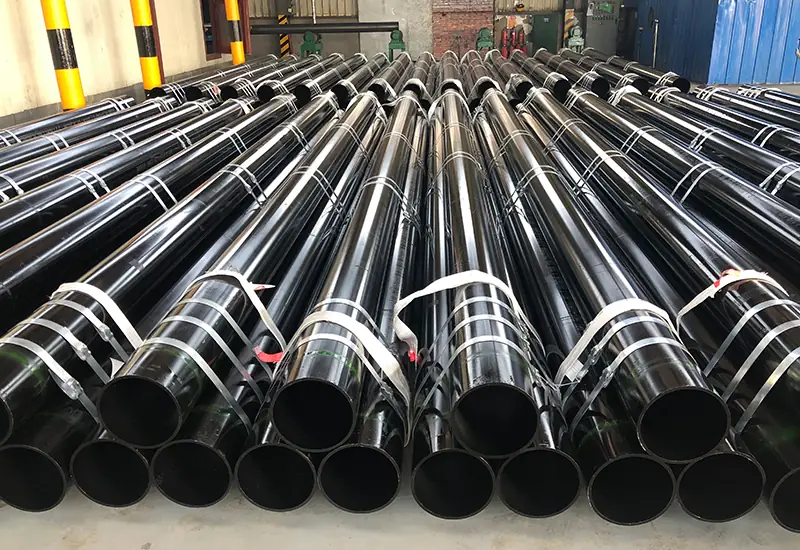
Our pipes are wrapped in protective plastic, bound with steel belts, and boxed with strong wood to prevent damage during transportation. A clear label ensures easy identification, so your pipe arrives in perfect condition and can be installed at any time.
Comparison: Schedule 40 and Other Standards
Although Schedule 40 is the most common option for most projects, it is very important to know how it compares to other schedules, especially Schedule 80, which is the second most common rating. The following chart highlights the main differences between Schedule 40 and Schedule 80 galvanized steel pipes, which will help you to choose the appropriate steel pipes for your project.
| Feature | Schedule 40 Galvanized Steel Pipe | Schedule 80 Galvanized Steel Pipe |
| Wall Thickness | Standard thickness; balances strength and weight | Thicker than Schedule 40; heavier and more durable |
| Pressure Rating | Moderate to high (up to 150 psi for most sizes) | Higher than Schedule 40 (up to 200 psi for most sizes) |
| Inner Diameter (ID) | Larger ID; better flow rate for fluid transport | Smaller ID; lower flow rate due to thicker wall |
| Weight | Lightweight; easier to handle and install | Heavier; requires more labor and equipment for installation |
| Cost | More affordable; cost-effective for most projects | More expensive; higher material and installation costs |
| Applications | Residential water supply, fire protection, light industrial fluid transport, light structural use | High-pressure applications, industrial fluid transport, harsh environments, heavy structural use |
Other Schedules have specific purposes: Schedule 10 is lightweight low-pressure/decorative use; For high-pressure industrial applications, Schedule 120 steel pipe is very thick, but it is expensive. A reputable steel pipe manufacturer is helpful to choose the correct schedule.
Conclusion
Choosing the right galvanized steel pipe needs to understand your project requirements, the steel pipe size chart and Schedule 40 (most common). Success also depends on compatible pipe fittings and a reliable steel tube manufacturer.
In a word, a successful project needs accurate size (through the steel pipe size chart), a suitable schedule (most common one is schedule 40) and high-quality compatible accessories, so as to avoid costly mistakes and ensure long-term performance.Planning your piping project? Check our steel pipe size chart, or contact Allland pipe companies to obtain Schedule 40 quotation and compatible accessories. As a trustworthy steel pipe manufacturer, we provide high-quality products and expert advice for the success of the project.

ASTM A53 vs. API 5L: A Guide to Selection and Application
In the field of industrial piping, ASTM A53 and API 5L are two key standards that are widely used, but have very different positions. ASTM...

Introduction:Technology differences determine success or failure, and selection needs to be “precise”
In oil and gas transmission, municipal infrastructure and other major projects, the reasonable choice of steel pipe welding process directly affects the project...
Steel Density Analysis: Core Differences between Mild and Medium Carbon Steels and Industrial Applications
The density of steel is one of the key parameters that determine its physical properties and industrial applications. Theoretical state of steel density...
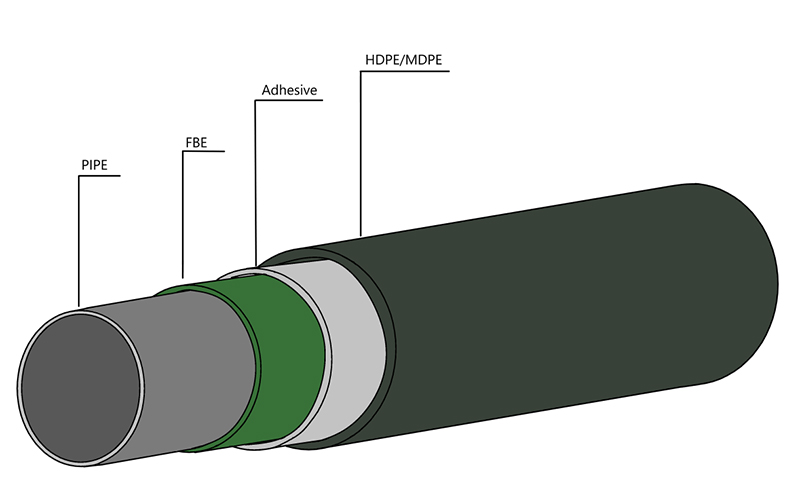
3LPE coated steel pipe: a solid barrier in the field of industrial corrosion protection
In the harsh environment of oil and gas, chemical industry, urban pipe network, etc., the long-term reliability and corrosion resistance of pipeline system...
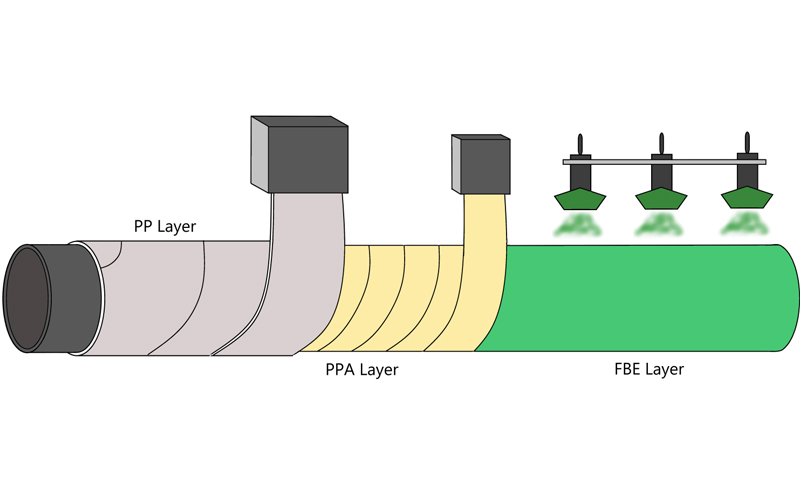
3LPP coated pipe: anti-corrosion guard in high temperature and high pressure environment
In some challenging special environments such as deep-sea oil and gas exploration and high-temperature crude oil transportation, traditional anti-corrosion coatings face significant challenges,...
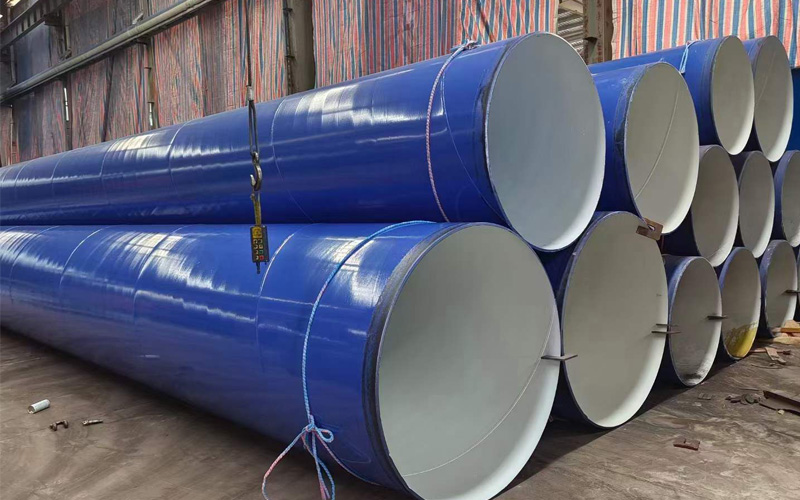
FBE steel pipe: the technological armor of the steel defense line
I In the icy waters beneath the Norwegian Sea pipeline, a section of FBE Lined Carbon Steel Pipe has been in service for 25...