




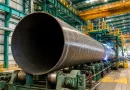
Marine environments pose severe challenges to steel pipe infrastructure. Saltwater, moisture, and environmental forces accelerate corrosion and reduce the structural integrity. Steel pipes in offshore oil and gas, coastal infrastructure and marine renewable energy are exposed to three critical zones: the tidal zone, splash zone, and submerged zone, and each area has unique corrosion risks. For engineers, accurate assessment of remaining life is a strategic need to reduce operating costs, prevent failures and optimize assets. This guide outlines a practical remaining life assessment (RLA) method for marine steel pipes, covering core challenges, indicators, processes and risk mitigation solutions.
Ignoring RLA will lead to expensive failures: corrosion-induced leakage will cause environmental damage, shutdown and huge fines. Carrying out RLA before design life can enable engineers to find problems early, give priority to maintenance and reduce long-term costs, so that they can evaluate the remaining life in harsh ocean conditions.
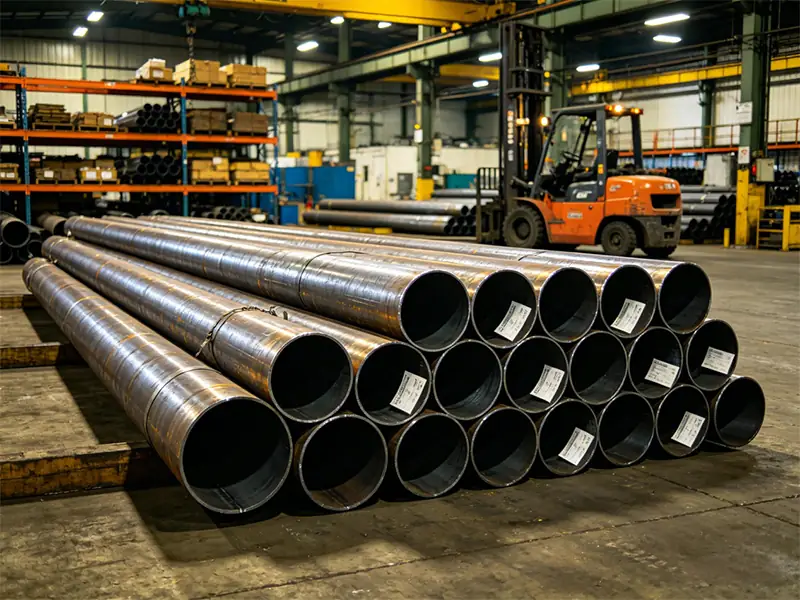
Invisible Corrosion Threats to Steel Pipes in Seawater
The high salinity, dissolved oxygen and varied pH value of seawater create ideal conditions for electrochemical corrosion. Unlike uniform corrosion, marine environments trigger insidious, hard-to-detect localized corrosion—critical to RLA, as it directly impacts pipe degradation rates and remaining life.
Pitting corrosion is a common destructive local problem in offshore steel pipes. It forms small, hidden pits that penetrate deep, worsened by splash zones’ wet-dry cycles and submerged zones’ chloride ions, which break down the steel’s passive oxide layer. These pits are usually hidden under corrosion products or coatings, and are not discovered until significant loss of wall thickness occurs.
Crevice corrosion occurs in gaps between pipe components (flanges, welds), which traps seawater and forms local corrosion batteries that weaken key joints. Microbiologically Induced Corrosion (MIC) stems from marine microorganisms (bacteria, fungi) whose metabolic acids accelerate corrosion, targeting poorly ventilated or stagnant areas like submerged pipe bottoms or sediment-covered sections.
The selection of steel pipe material plays a key role in reducing these corrosion risks. In marine projects, selecting API 5L steel pipes—known for their superior material uniformity and crack resistance—is far more effective than using standard ASTM A53 Grade B pipes, which are designed for general-purpose applications and lack the durability required for harsh marine conditions. The following table highlights the key differences between ASTM A53 and API 5L (PSL2) pipes, illustrating why API 5L is the preferred choice for marine environments.
| Metrics | ASTM A53 | API 5L (PSL2) |
| Chemical Composition Stability | Basic carbon steel composition with limited control over impurities; prone to inconsistencies that increase corrosion susceptibility. | Strict control over chemical composition, with reduced impurities and added alloying elements (e.g., chromium, nickel) to enhance corrosion resistance and material uniformity. |
| Toughness Testing | Minimum toughness requirements for general use; not optimized for dynamic marine conditions (e.g., ocean current impact, temperature fluctuations). | Stringent toughness testing (including impact testing at low temperatures) to ensure resistance to crack propagation under dynamic loads and harsh environmental conditions. |
| Marine Environment Suitability | Not designed for prolonged exposure to saltwater; high corrosion rate in marine settings, requiring frequent maintenance. | Engineered for offshore and marine applications; enhanced resistance to pitting, crevice corrosion, and MIC, reducing long-term maintenance needs. |
For RLA, engineers must recognize the limitations of ASTM A53. An inappropriate initial material selection can lead to accelerated corrosion, so it is very important to evaluate the adaptability of materials to marine environment.
Core Indicators of Remaining Life Assessment
Accurate RLA depends on three core indicators that directly reflect the structural integrity and corrosion status of offshore pipelines: wall thickness measurement, integrity of protective coating and effectiveness of cathodic protection (CP). These indicators provide quantitative data used by engineers to calculate corrosion rates, identify potential faults and estimate remaining life.
Wall Thickness Measurement
Wall thickness loss directly reduces load-bearing capacity and increases rupture risk. Ultrasonic testing (UT) is the main method in the marine environment; Advanced phased array ultrasonic testing (PAUT) is used for thick-walled pipes (over 50.8 mm) to improve accuracy. Engineers scan key areas (splash zones, weld seam, and corrosion-prone areas) to detect thinning caused by pitting, cracks or uniform corrosion.
Focus on high-risk areas: tidal areas (high corrosion caused by dry-wet cycles) and welds (crevice corrosion is easy to occur) By comparing current and original wall thickness, engineers can calculate total loss and average annual corrosion rate-this is the key to RLA.
Integrity Check of Protective Coating
Protective coatings are the first line of defense against marine corrosion, acting as a barrier between the steel pipe and the corrosive seawater environment. The integrity of these coatings directly determines the corrosion rate of pipes-even small defects (such as pinholes or cracks) can allow seawater to penetrate to the steel surface, causing local corrosion. Two of the most common protective coatings used on marine steel pipes are 3LPE (Three-Layer Polyethylene) and FBE (Fusion-Bonded Epoxy) coatings, each with unique properties and inspection requirements.
3LPE coatings (primer, adhesives, polyethylene) provide excellent mechanical and corrosion protection for underwater/tidal areas. FBE pipe coatings (single layer epoxy resin) is firmly bonded to steel, but it is more vulnerable to mechanical damage.
Visual inspection (cracks, peeling), spark test (pinholes) and adhesion test (bonding strength) are used for coating inspection. Poor adhesion can lead to premature coating failure, exposing the pipes to corrosion and shortening its life.
Cathodic Protection (CP) Effectiveness Analysis
Cathodic protection is an auxiliary corrosion control method, which is used in combination with protective coatings to further reduce corrosion rates. Its working principle is to make the steel tube become the cathode of the electrochemical cell, thus preventing the metal oxidation (corrosion). Marine steel pipes usually use a sacrificial anode cathodic protection systems (SACP) (e.g. zinc or aluminum anodes) or impressed current cathodic protection systems (ICCP). The effectiveness of these systems is very important to RLA, because even if the protective coating is intact, the faulty cathodic protection system will accelerate corrosion.
For offshore pipelines, sacrificial anode systems is widely used because of its simplicity and low maintenance requirements. However, these anodes will deteriorate with time, and their effectiveness can be affected by environmental factors, such as seawater resistivity and temperature. Checking the effectiveness of cathodic protection includes measuring the potential of the pipes relative to a reference electrode, and the potential of -0.85 V (relative to a copper-copper sulfate electrode, CSE) is generally considered as the minimum value of effective protection. For underwater pipes, especially those buried in seabed sediment, ROV may be used to visually inspect the condition of sacrificial anode and measure protection potentials, because it is often difficult to directly enter.
Engineers also check the cathodic protection components (anode connections, cables, rectifiers) to ensure that they are functioning properly. The failure of cathodic protection system will accelerate corrosion and shorten the service life of pipes.
From Data to Decision: The RLA Process
Carrying out a comprehensive RLA involves a systematic and data-driven process, which transforms the original detection data into operational decisions. The process consists of three key stages: data collection, corrosion rate modeling and safety factor reduction, and each stage is very important to ensuring the accuracy and reliability of residual life estimation.
Data Collection
RLA requires three types of data: original design/material data (design thickness, specifications, MTCs), historical inspection data and current inspection data-all of which are essential for accurate corrosion assessment.
Historical inspection data (previous reports on thickness, coating and cathodic protection) tracks corrosion trends, while current data comes from ultrasonic flaw detection, coating and cathodic protection tests. Together, these data sets provide a complete picture of the pipe’s condition and degradation history, enabling accurate RLA.
Corrosion Rate Modeling
Once data is collected, engineers calculate the average annual corrosion rate (in mm/year) using the formula: Annual Corrosion Rate = (Original Wall Thickness – Current Wall Thickness) /Service Life. This simple formula provides a baseline estimate of corrosion rate, but it is also important to consider the change of corrosion intensity across different areas (e.g., splash zones and submergence zones). For example, due to the dry-wet cycle, the corrosion rate of splash zones may be 2-3 times higher than that of immersion zones.
Advanced methods such as linear regression explain the long-term changes (e.g., coating degradation). Remaining life is estimated as (current thickness-minimum allowable thickness) /annual corrosion rate, and the minimum thickness is based on design pressure and safety.
Safety Factor Adjustment
A critical step in the RLA process is accounting for safety factors, which are reduced to reflect the effects of long-term service and dynamic marine conditions. Offshore pipelines are subjected to impacts from ocean currents, wave action and geological changes (e.g. seabed movement), which can lead to fatigue and reduce the structural integrity of the pipes as time goes by. Even if the wall thickness of the pipes exceeds the minimum allowable limit, fatigue can increase the risk of failure.
When reducing safety factors, engineers will consider service life, the degree of bad environment and pre-existing defects. The adjustment coefficient can ensure that all failure risks are taken into account in the realistic remaining life estimates.
Mitigating Risks Through Upgraded Solutions (Allland Pipes Solutions)
If the RLA indicates that the pipes are approaching their critical limits, it is an obvious signal that the original material or protection system may no longer be suitable for the marine environment. In this case, upgrading to a more durable and corrosion-resistant solution is essential to extend the life of assets and reduce the risk of failure. This section outlines the main upgrade suggestions and how Allland Pipes, a trusted SSAW pipe manufacturer, can provide customized solutions to meet the requirements of harsh marine environment.
Upgrading from Structural Pipes to Dedicated Pipes
Many marine projects originally used ASTM A252 pile pipes, which were designed for structural applications (e.g., bridge piles, offshore platforms), but it lacks the corrosion resistance required for long-term pipes service. ASTM A252 pipes are usually made from low-alloy steel, and may have basic protective coatings. Over time, they are vulnerable to marine corrosion. upgrading to specialized corrosion-resistant pipes, such as API 5L PSL2 pipes, can significantly improve durability and corrosion resistance.
API 5L PSL2 pipes are specifically designed for pipeline applications and feature strict quality control, multiple grades (X52, X65), and advanced coatings (3LPE, FBE). They are better than ASTM A252 in toughness, crack resistance and ocean resistance, and are ideal for upgrading.
Allland Pipes’ Customized Protection for the Marine Environment
As a leading pipes manufacturer of SSAW, Allland Pipes specializes in providing high-quality customized steel pipes for offshore and marine applications. Our commitment to quality is reflected in our strict manufacturing and quality control processes, which ensure that our pipes meet or exceed API 5L PSL2 standards. We understand the unique challenges of marine corrosion, and we provide tailor-made solutions to meet the specific needs of each project.
Our advanced coating technology uses state-of-the-art spray lines for 3LPE/FBE, ensuring consistent thickness and strong adhesion in extreme temperatures. Strict quality checks (adhesion, spark testing) and zone-specific coatings optimize corrosion resistance.
Allland Pipes also provides full support for offshore pipeline inspection, and works closely with engineers to ensure that our pipes are inspected and maintained according to the highest standards. We provide detailed MTCs and design documents to support the work of RLA, and our technical team can assist with material selection, corrosion rate modeling and upgrading suggestions. Our goal is to help engineers extend the remaining life of their subsea pipeline assets, while reducing operation and maintenance costs.
Maintenance and Preventive Strategies
Although RLA and upgrade are essential to manage existing pipes assets, proactive maintenance and prevention are equally important to extend the remaining life of pipes. The following suggestions are aimed at helping engineers to minimize corrosion and maximize the life of marine steel pipes.
Establish a Regular Non-Destructive Testing (NDT) Program
Early corrosion can be detected by periodic inspection of offshore pipes through NDT (UT, PAUT). The automatic ultrasonic flaw detection systems can withstand harsh conditions, and the test plan should give priority to high-risk areas (splash area and weld) according to the service life and environment.
Match Material and Specifications During Local Repairs
When carrying out local maintenance (e.g., to replace corroded parts or repair coating defect), it is very important to use materials and specifications that match the original pipes. Using incompatible materials (e.g., ASTM A53 for repairing API 5L PSL2 pipe) can create galvanic corrosion and accelerate localized degradation and accelerate the corrosion in the maintenance area. In addition, repairs of protective coatings should use the same type and thickness as the original coating, and strict quality control should be carried out to ensure adhesion and integrity. Engineers should refer to the original design specifications and MTCs to ensure compatibility when selecting maintenance materials.
Monitor and Maintain Cathodic Protection Systems
Conventional cathodic protection monitoring includes potential measurements and anode inspection (by ROV through underwater pipes). Adjust CP systems to consider environmental changes or coating degradation, so as to maintain its effectiveness.
Conclusion
Residual life assessment (RLA) of steel pipes in marine environment is a key process to optimize asset utilization, reduce operating costs and prevent catastrophic failures. By understanding the corrosion mechanisms at work, measuring key indicators (wall thickness, coating integrity and cathodic protection effectiveness), and following the system evaluation process, engineers can accurately estimate the remaining life of pipes assets and make informed decisions about maintenance, repair or upgrading.
RLA is a strategic tool, not just a compliance tool—proactively managing risk to extend asset life. Upgrading to high-quality corrosion-resistant pipes, cooperating with reliable SSAW pipes manufacturer (such as Allland Pipes) and implementing active maintenance are the keys to reduce marine corrosion.

ASTM A53 vs. API 5L: A Guide to Selection and Application
In the field of industrial piping, ASTM A53 and API 5L are two key standards that are widely used, but have very different positions. ASTM...

Introduction:Technology differences determine success or failure, and selection needs to be “precise”
In oil and gas transmission, municipal infrastructure and other major projects, the reasonable choice of steel pipe welding process directly affects the project...
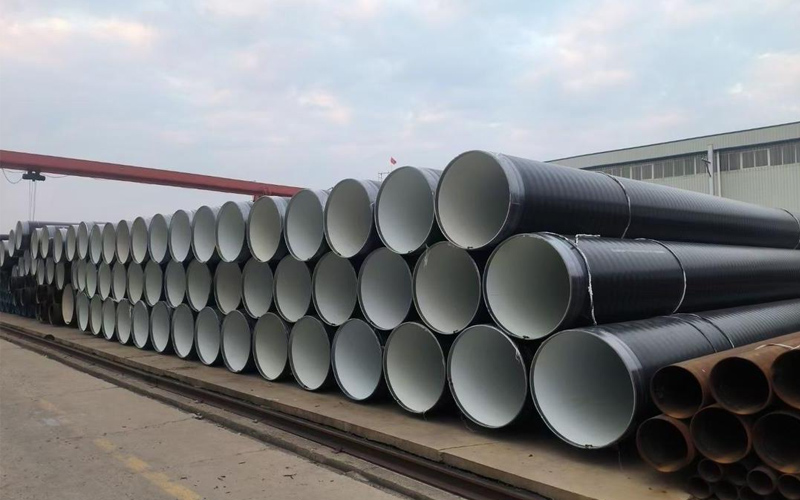
Steel Density Analysis: Core Differences between Mild and Medium Carbon Steels and Industrial Applications
The density of steel is one of the key parameters that determine its physical properties and industrial applications. Theoretical state of steel density...
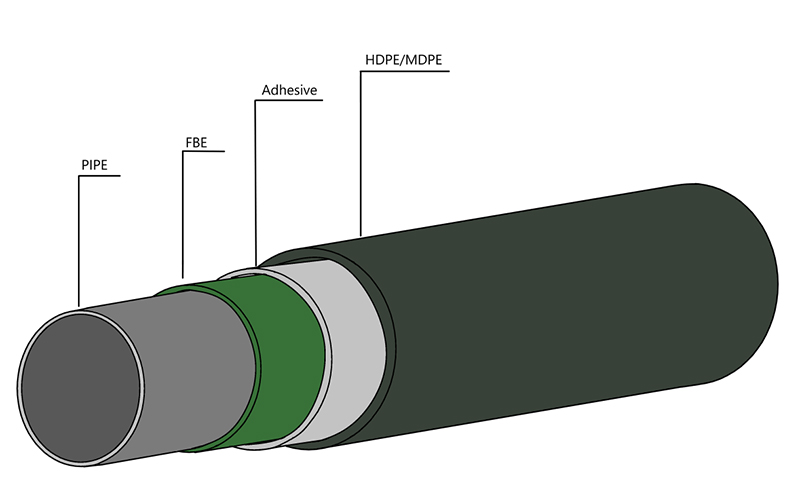
3LPE coated steel pipe: a solid barrier in the field of industrial corrosion protection
In the harsh environment of oil and gas, chemical industry, urban pipe network, etc., the long-term reliability and corrosion resistance of pipeline system...
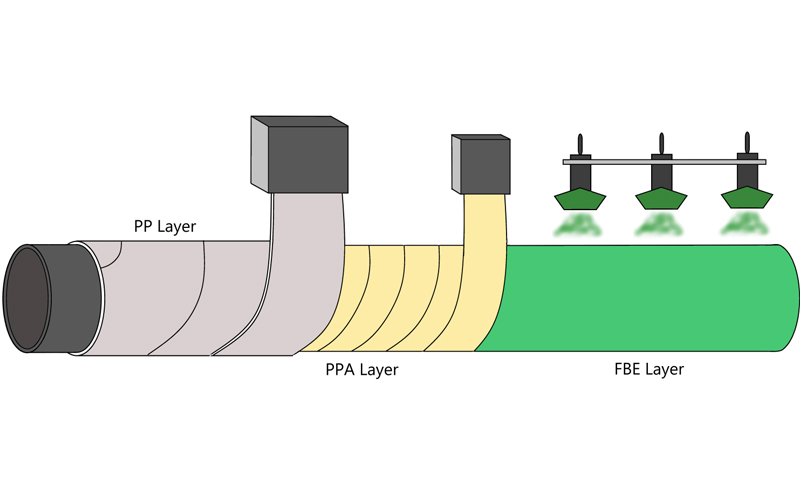
3LPP coated pipe: anti-corrosion guard in high temperature and high pressure environment
In some challenging special environments such as deep-sea oil and gas exploration and high-temperature crude oil transportation, traditional anti-corrosion coatings face significant challenges,...
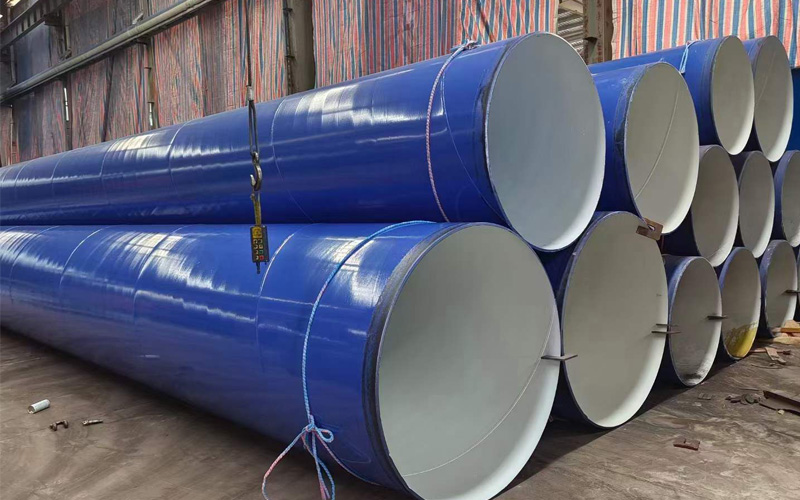
FBE steel pipe: the technological armor of the steel defense line
I In the icy waters beneath the Norwegian Sea pipeline, a section of FBE Lined Carbon Steel Pipe has been in service for 25...