








En el vasto panorama de la metalurgia y las infraestructuras industriales, hay un material que se erige como la espina dorsal indiscutible de la construcción moderna: el acero dulce. Desde las imponentes estructuras de los rascacielos comerciales hasta las extensas redes subterráneas de conducciones de agua, el acero dulce es el material al que recurren los ingenieros para equilibrar la integridad estructural con la rentabilidad.
Para los gestores de compras y los ingenieros de proyectos que especifican materiales para proyectos de pilotaje, estructurales o de transmisión de fluidos a gran escala, comprender las diferencias matizadas entre diversos calidades de acero dulce es fundamental. La selección de un grado incorrecto puede provocar dificultades de fabricación, sobrecostes presupuestarios o comprometer la seguridad estructural.
Esta completa guía desmitificará qué es el acero dulce, explorará los grados de acero dulce más comunes utilizados en la industria mundial de tuberías (incluidas las normas ASTM, API y EN) y explicará por qué este material es perfectamente adecuado para la fabricación de tuberías soldadas de gran diámetro en Allland Steel Pipe.
¿Qué es el acero dulce?
El acero es principalmente una aleación de hierro y carbono. El porcentaje de carbono determina directamente la dureza, la resistencia a la tracción y la ductilidad del metal.
El acero dulce se clasifica técnicamente como acero bajo en carbono. Para ser clasificado como acero dulce, el contenido de carbono oscila normalmente entre 0,05% a 0,25% en peso. Al carecer de una elevada huella de carbono o de grandes cantidades de otros elementos de aleación (como el cromo o el molibdeno que se encuentran en el acero inoxidable), el acero dulce no posee una dureza extrema.
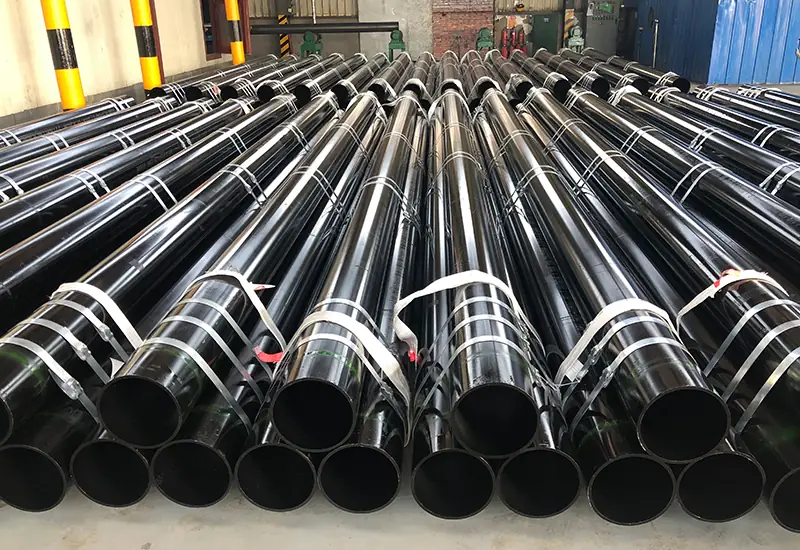
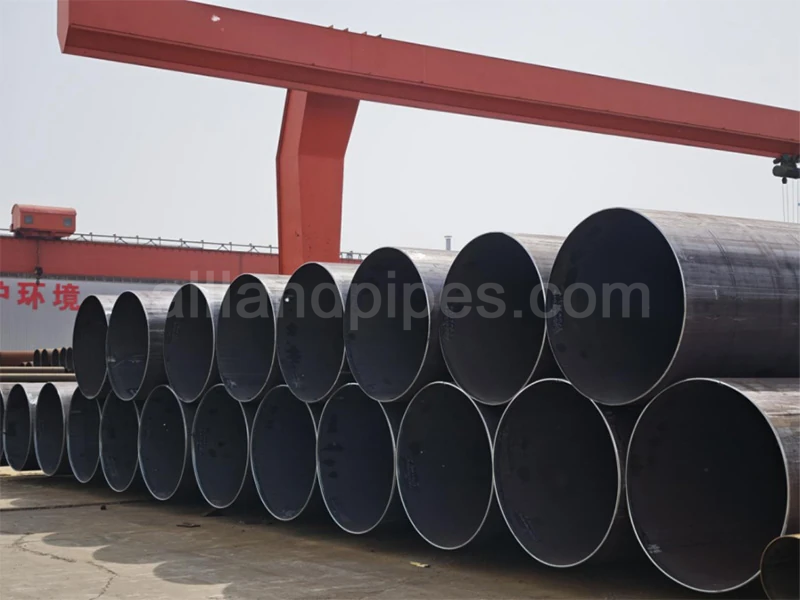
Sin embargo, lo que le falta en dureza superficial pura, lo compensa con creces en su extraordinaria combinación de alta ductilidad, excelente maquinabilidad y soldabilidad superior. Estas características lo convierten en el material definitivo para el conformado y la soldadura de componentes industriales macizos, como los de gran diámetro. Tubos de acero LSAW y tubos de acero SSAW.
Tuberías comunes de acero dulce Grados
Los ingenieros no piden simplemente “acero dulce”, sino grados exactos normalizados por organizaciones internacionales como ASTM (American Society for Testing and Materials), API (American Petroleum Institute) y EN (European Norms). He aquí un desglose de las calidades de acero dulce más importantes que encontrará en la ingeniería estructural y de tuberías:
| Grado | Especificación | Mínimo límite elástico | Aplicación principal |
| ASTM A36 | Acero estructural | 36.000 PSI | Pilotes, puentes, cimientos |
| ASTM A53 B | Transporte de fluidos | 35.000 PSI | Sistemas de agua y climatización |
| API 5L B | Tuberías | 35.500 PSI | Oleoductos y gasoductos terrestres |
| S235JR | EN 10025 | 235 MPa | Ingeniería civil europea |
1. ASTM A36: La norma estructural
ASTM A36 es posiblemente la calidad de acero dulce más famosa del mundo. Es el material por defecto para aplicaciones estructurales generales.
- Propiedades clave: Tiene un límite elástico mínimo de 36.000 PSI (250 MPa) y una resistencia última a la tracción que oscila entre 58.000 y 80.000 PSI (400 - 550 MPa).
- Aplicaciones de tuberías: Debido a sus excelentes características de conformabilidad y soldadura, el A36 se utiliza mucho en la fabricación de maquinaria pesada. Tubería estructural y Tubería de pilotaje para cimentaciones profundas, soportes de puentes y construcción de puertos.
2. ASTM A53 (Grado A y Grado B): El rey del transporte de fluidos
Cuando se trata de transportar agua, vapor o aire a baja presión, ASTM A53 es la norma mundial para tuberías de acero al carbono.
- Propiedades clave: ASTM A53 Grado B es la variante más robusta, ofreciendo un límite elástico mínimo de 35.000 PSI (240 MPa). Su composición química controlada garantiza que pueda soportar las tensiones de la presión de los fluidos y las fluctuaciones de temperatura.
- Aplicaciones de tuberías: Se utiliza ampliamente para Tuberías de agua potable (cuando están correctamente revestidos), sistemas de calefacción, ventilación y aire acondicionado, y Tubos de acero para aspersores en las redes de protección contra incendios.
3. API 5L Grado B: La base de las tuberías de energía
La especificación API 5L está diseñada específicamente para los tubos de conducción utilizados en la industria del petróleo y el gas. Aunque API 5L se extiende a aceros al carbono de alto rendimiento (como X65 o X80), su nivel de base, API 5L Grado B, entra de lleno en la categoría del acero dulce.
- Propiedades clave: Con un límite elástico mínimo de 35.500 PSI (245 MPa), sus especificaciones son muy similares a las de ASTM A53 Grado B, pero API 5L exige protocolos de ensayo más estrictos (como pruebas no destructivas precisas para los cordones de soldadura).
- Aplicaciones de tuberías: Este es el grado básico para presiones bajas y medias. Oleoductos terrestres y ciertos Oleoductos marítimos donde no es obligatorio un alto límite elástico extremo, pero se requiere una fiabilidad absoluta de la soldadura.
4. EN 10025 (S235JR, S275JR, S355JR): Los equivalentes europeos
En el mercado europeo, los aceros dulces estructurales se designan por su límite elástico en MPa.
- Propiedades clave: El S235JR ofrece un límite elástico de 235 MPa (similar al A36), mientras que el S355JR proporciona un sólido límite elástico de 355 MPa.
- Aplicaciones de tuberías: Estas calidades se especifican con frecuencia en licitaciones internacionales para proyectos de ingeniería civil pesada, y se utilizan ampliamente en tubos SSAW macizos para dragados portuarios y andamiaje estructural.
Propiedades mecánicas y ventajas del acero dulce
¿Por qué los grandes proyectos de infraestructuras recurren tanto al acero dulce en lugar de a alternativas con alto contenido en carbono? La respuesta está en el comportamiento del material en la fábrica y sobre el terreno.
- Soldabilidad inigualable: A medida que aumenta el contenido de carbono en el acero, el metal se vuelve propenso a agrietarse durante la soldadura debido al rápido enfriamiento y endurecimiento en la zona afectada por el calor (ZAT). El bajo contenido en carbono del acero dulce evita esta situación. Acepta perfectamente los arcos de soldadura, lo que permite a los fabricantes crear soldaduras por arco sumergido (SAW) de penetración total en tuberías sin microfracturas.
- Alta ductilidad y tenacidad: El acero dulce puede doblarse, retorcerse y deformarse bajo tensiones extremas antes de llegar a romperse. En zonas sísmicas o suelos movedizos, una tubería de acero dulce cederá y absorberá la energía geológica, evitando una fractura frágil catastrófica.
- Rentabilidad: Al requerir menos elementos de aleación costosos y ser más fácil de fundir y laminar, el acero dulce ofrece una relación resistencia/coste sin parangón, lo que lo hace económicamente viable para proyectos que requieren miles de toneladas de acero.
Recubrimientos anticorrosión para acero dulce
Si el acero dulce tiene un defecto, es su vulnerabilidad a la oxidación (herrumbre). Cuando se expone a la humedad, a suelos agresivos o a ambientes marinos, el acero dulce desnudo se corroe rápidamente.
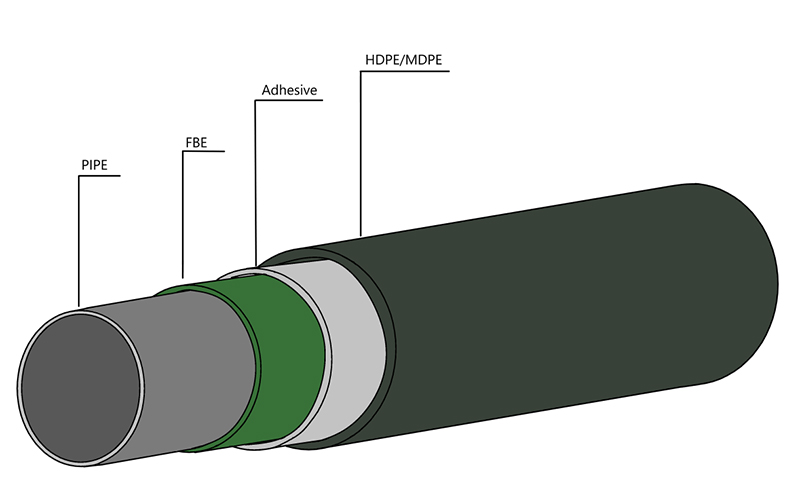
Para utilizar grados de acero dulce en tuberías enterradas o plataformas marinas, la industria recurre a revestimientos externos avanzados. Los sistemas aplicados en fábrica, como FBE (epoxi unido por fusión), 3LPE (polietileno de tres capas), y 3LPP (Polipropileno de tres capas) crean una barrera impenetrable alrededor de la tubería. Al combinar la resistencia mecánica y el bajo coste del acero dulce con un revestimiento de 3LPE de alta resistencia, los ingenieros pueden garantizar una vida útil de las tuberías superior a 50 años, incluso en los entornos más duros.
Tubos de acero Allland: Soluciones de acero dulce de calidad
Comprender los grados teóricos es importante, pero convertirlos en tubos industriales perfectamente redondos y resistentes requiere una fabricación de primera clase. En Allland Steel Pipe, transformamos bobinas y chapas de acero dulce de primera calidad en las arterias de la infraestructura mundial.
Desde nuestros avanzados centros de fabricación, nos especializamos en la producción de tubos de gran diámetro. LSAW y Tubos de acero SSAW. Nuestro amplio dominio de las calidades de acero dulce -desde ASTM A36 para aceros robustos Tuberías de pilotaje a API 5L Grado B para el transporte de energía crítica- nos convierte en el socio preferido de los contratistas EPC de todo el mundo.
La ventaja Allland:
- Abastecimiento estricto de materiales: Nuestras chapas de acero con bajo contenido en carbono proceden exclusivamente de acerías de primer nivel, lo que garantiza una trazabilidad y una conformidad química absolutas.
- Instalaciones integradas de revestimiento: No sólo damos forma al acero, también lo protegemos. Nuestras líneas de revestimiento automatizadas aplican sistemas FBE y 3LPE impecables inmediatamente después de la extrusión del tubo, bloqueando la corrosión.
- Control de calidad con cero defectos: Todos los tubos de acero dulce se someten a rigurosos ensayos no destructivos (END), incluidos los ensayos ultrasónicos (UT) en línea 100% y los ensayos de presión hidrostática, que garantizan que el cordón de soldadura sea tan resistente como el metal base.
Cuando su proyecto exige el equilibrio perfecto entre conformabilidad, integridad de la soldadura y rentabilidad, el acero dulce es la respuesta. Y cuando necesite que ese acero dulce se transforme en soluciones de tuberías de primera clase, Allland Steel Pipe es su fabricante mundial de confianza.
Póngase en contacto con Allland equipo de ingenieros hoy para hablar de las calidades de acero dulce óptimas para su próximo proyecto de pilotaje, estructural o de transmisión de fluidos, y recibir un presupuesto altamente competitivo.
FAQ
P: ¿Es lo mismo el acero dulce que el acero al carbono?
R: Sí, es una subcategoría conocida como acero bajo en carbono.
P: ¿Se pueden galvanizar los tubos de acero dulce?
R: Sí, el galvanizado es una forma habitual de evitar la oxidación mencionada en la guía.

ASTM A53 frente a API 5L: Guía de selección y aplicación
En el campo de las tuberías industriales, ASTM A53 y API 5L son dos normas clave muy utilizadas, pero con posiciones muy diferentes. ASTM...

Introducción:Las diferencias tecnológicas determinan el éxito o el fracaso, y la selección debe ser “precisa”
En la transmisión de petróleo y gas, las infraestructuras municipales y otros grandes proyectos, la elección razonable del proceso de soldadura de tubos de acero afecta directamente al proyecto...
Análisis de la densidad del acero: Diferencias fundamentales entre aceros al carbono suaves y medios y aplicaciones industriales
La densidad del acero es uno de los parámetros clave que determinan sus propiedades físicas y aplicaciones industriales. Estado teórico de la densidad del acero...
Tubos de acero revestidos con 3LPE: una barrera sólida en el campo de la protección contra la corrosión industrial
En el duro entorno del petróleo y el gas, la industria química, la red de tuberías urbanas, etc., la fiabilidad a largo plazo y la resistencia a la corrosión del sistema de tuberías...
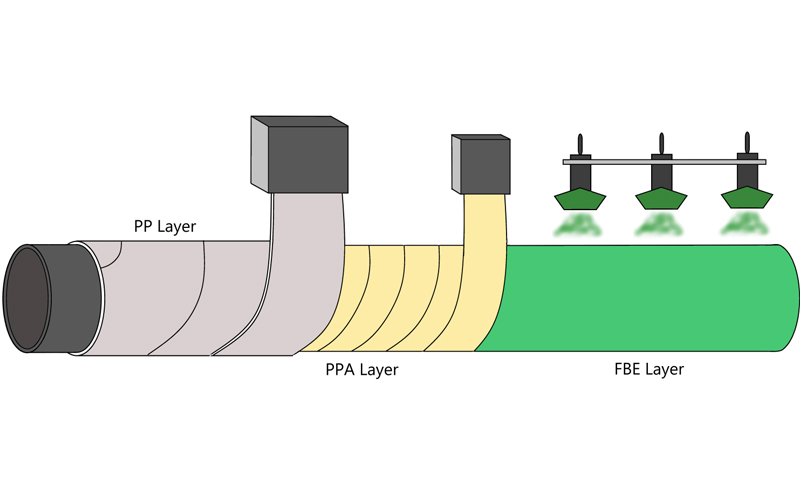
Tubo con revestimiento 3LPP: protección anticorrosión en entornos de alta temperatura y alta presión
En algunos entornos especiales difíciles, como la prospección de petróleo y gas en aguas profundas y el transporte de crudo a altas temperaturas, los revestimientos anticorrosión tradicionales se enfrentan a...
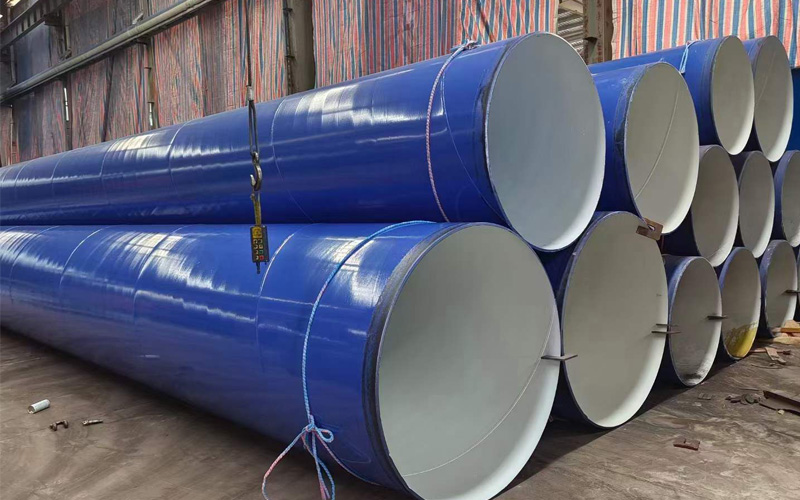
Tubos de acero FBE: el blindaje tecnológico de la línea de defensa del acero
I En las gélidas aguas bajo el oleoducto del Mar de Noruega, una sección de tubería de acero al carbono con revestimiento FBE ha estado en servicio durante 25...