





Introducción
Cost control is very important in infrastructure and industrial projects. When evaluating the price options of carbon steel pipes, choosing the cheapest alternative to cut down the upfront costs often leads to greater long-term losses. Many managers overlook the systemic risks of low-cost pipes—pipe failure brings crippling downtime, environmental penalties, and safety hazards. It is a strategic investment in project safety and budget to cooperate with well-known steel pipe suppliers specializing in high-pressure pipe and gasoducto en alta mar solutions.
The pipe systems are the lifeline of the industry, and a fault will affect the whole operation. The true cost of pipe failure goes beyond replacement, encompassing hidden expenses that derail projects, harm the environment, and risk lives. Understanding these costs helps managers to balance short-term savings and long-term sustainability.
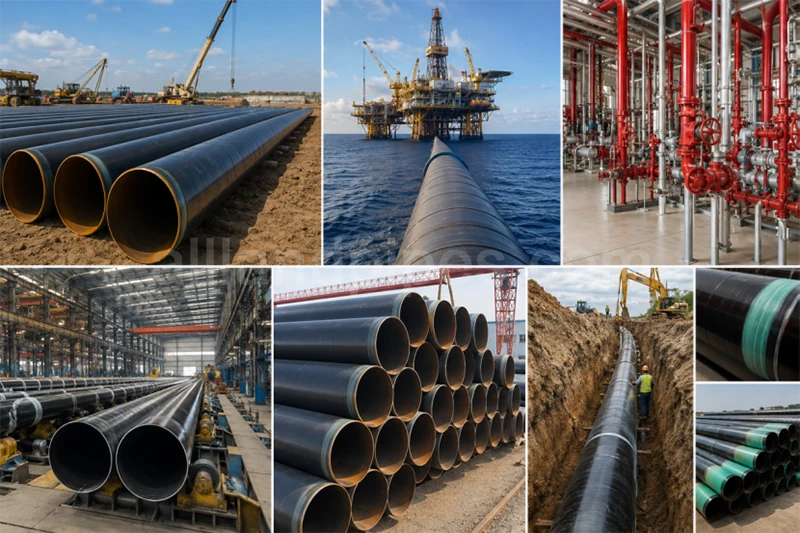
The Hidden Costs of Pipe Failure: A Comprehensive Analysis
Pipe failure rarely occurs in isolation, and its influence is rarely limited to the direct area of the fracture. The hidden costs can be divided into three main aspects: maintenance and replacement costs, safety and environmental responsibilities and system efficiency reduction, all of which far exceed the cost saved by choosing low-cost pipes.
1. Maintenance and Replacement Costs: not Just a New Pipe
When the pipe fails, the first visible cost is to replace the damaged pipe. However, this is only the tip of the iceberg. For underground or gasoducto en alta mar systems, repair requires a lot of excavation or underwater operations, which is labor-intensive and time-consuming. In an industrial environment, this usually means closing the production lines, resulting in heavy loss of productivity. A study by Pipekom Company found that saving 5% of the material cost can lead to an increase of 30-50% in the operation and maintenance costs after 10 years, which highlights the long-term risks of cutting corners on pipe quality.
Low-cost pipes break down more frequently, require repeat maintenance cycles, disrupt schedules, and erode savings. Gasoducto terrestre maintenance projects are facing the cost increase caused by repeated interventions, while offshore pipeline maintenance technology increases the complexity and cost of offshore maintenance.
2. Safety and Environmental Liabilities: The High Price of Non – Compliance
The highest hidden cost of pipe failure includes safety and environmental harm. In conducciones de agua potable or offshore oil pipelines, tiny leaks can cause catastrophic damage, polluting water sources, destroying ecosystems, hurting wildlife, and resulting in huge regulatory fines.
For example, in 2023, Belle Fourche and Bridger Pipeline Company paid a fine of $ 12.5 million for oil spills, highlighting the economic loss of pipeline failure. In addition to fines, enterprises also face long-term reputation damage and legal proceedings. Investing in corrosion-resistant pipes can help them withstand harsh conditions and prevent leakage, thus mitigating these risks.
3. Decrease of System Efficiency: Hidden Consumption of Resources
Low-cost pipes use unqualified materials, which leads to poor quality control, resulting in internal corrosion and accumulation. This increases flow resistance, forces the equipment to work harder, and raises energy costs-these costs usually exceed initial savings during the life of the pipeline.
Corrosion will also reduce the pipe capacity, resulting in production bottlenecks, thereby reducing profits. Corrosion-resistant pipes can prevent internal degradation and keep the systems running at maximum efficiency.
Technical Compliance: The First Line of Defense for Pipe Failure
In order to avoid the hidden costs of pipe failure, it is non-negotiable to meet the international standards technically. Standards such as API 5L and ISO 3183 aim to ensure that steel pipes meet strict requirements for strength, durability and performance, especially under high pressure and harsh environments. These standards govern every aspect of pipe manufacturing, from the selection of raw materials to the welding and coating processes, ensuring that pipes can withstand the demands of their intended application.
The importance of API 5L and ISO 3183
API 5L and ISO 3183 are global standards for oil, natural gas and water pipes. ISO 3183:2019 harmonizes specifications and complements API 5L, setting requirements for LSAW Pipe and SSAW pipe, including strength and weld quality.
High-quality LSAW Pipe and SSAW pipe meeting these standards undergo rigorous testing (hydrostatic, ultrasonic, chemical analysis) to withstand high pressure and harsh conditions—testing low-cost pipes skips to cut costs. ISO 3183’s PSL 2 standard is required for severe environments, ensuring enhanced safety.
The Role of Protective Coatings in Extending Pipe Lifespan
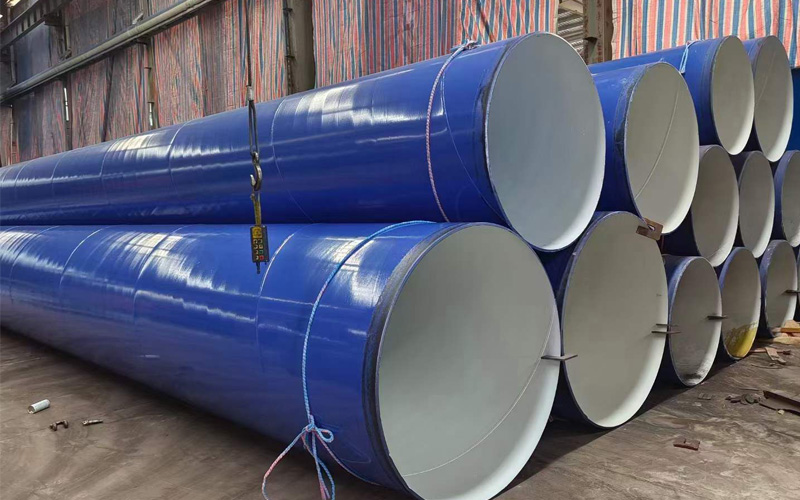
In addition to meeting API 5L and ISO 3183 standards, protective coatings are very important to prevent corrosion and extend the service life of steel pipes, especially in extreme environments, such as marine or underground applications. Three common types of protective coatings are Tubo recubierto con 3LPE (Three-Layer Polyethylene), Tubería de acero FBE (Fusion Bonded Epoxy), and 3LPP coating (Three – Layer Polypropylene), each with unique advantages for specific applications.
FBE steel pipe has strong adhesion and chemical resistance, and is suitable for water and light oils. 3LPE-coated pipes provide corrosion resistance and flexibility for onshore pipelines, while 3LPP coating performs well in the ocean and extreme temperatures. Low-cost pipes use minimal or no coating, resulting in rapid corrosion.
Comparison: Certified Steel Pipes vs. Low-Cost Pipes
The following table emphasizes the main differences between certified steel pipes (manufactured according to API 5L/ISO 3183) and ordinary low-cost steel pipes, and proves why the investment quality is rewarding in the long run:
| Comparison Criteria | Certified Steel Pipes (API 5L/ISO 3183) | Low-Cost Steel Pipes |
| Vida útil | 30-50+ years | 5-10 years (prone to corrosion) |
| Pressure Resistance | High, compliant with tubo de acero de alta presión standards | Low, unstable pressure rating |
| Maintenance Frequency | Low (low O&M costs) | High (high risk of frequent leaks) |
| Seguridad | Reliable, reduces gasoducto en alta mar accidents | Poor (risk of pipe burst) |
| Protección contra la corrosión | 3LPE/FBE coating coverage | Simple paint or no protection |
How to Choose a “Durable” Pipe Solution for Your Application
Choosing the correct pipe depends on the environment, pressure and system requirements. Matching the pipe type with the project requirements can maximize service life, reduce maintenance and avoid failure costs.
Offshore and Harsh Environments
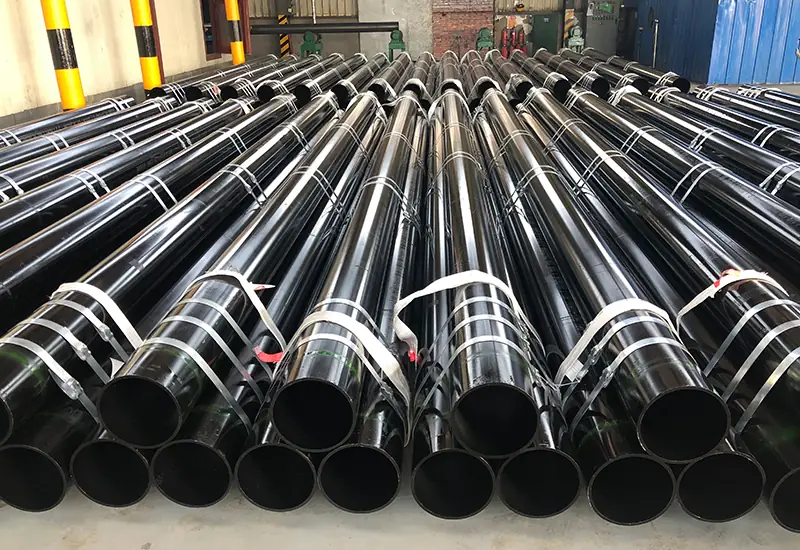
For offshore pipelines and harsh environments, Tubos de acero LSAW with 3LPE coating is an ideal choice: it provides high welding accuracy and corrosion resistance. Allland Pipes, a leading steel pipe manufacturer, produces LSAW steel pipe meeting API 5L/ISO 3183 standards through JCOE technology; 3LPP coating is preferred for extreme temperatures.
Fire Sprinkler Systems and Structural Applications
Steel pipe used in fire sprinkler systems (also called tubería de rociadores contra incendios) is required to strictly meet the safety standards to ensure reliability in case of fire emergencies. These pipes must be able to withstand high temperatures and pressure, and can resist corrosion, so as not to affect their performance. Structural steel pipe used in building and infrastructure projects also requires high strength and durability, making certified steel pipes the only viable option. Choosing low-cost pipes for these applications could have disastrous consequences, because failure during a fire or structural stress could lead to property damage and loss of life.
Pressure and Specifications: Schedule 40 and the Role of Wall Thickness
The pressure grade of the pipe depends on the wall thickness of the pipe and higher schedule sizes like Schedule 80 or Schedule 160. These heavy-wall pipes have standardized thicknesses to ensure structural integrity; Guide the selection of the pipe wall thickness diagram. High-pressure hydraulic lines and large-diameter steel pipes need thicker walls.
Quality Traceability: the Importance of the Factory Test Certificate (MTC)
A Mill Test Certificate (MTC) is critical for pipe quality traceability, certifying chemical and physical properties to meet API 5L/ISO 3183 standards, giving managers confidence in pipe quality.
Work with a steel pipe manufacturer with in-house pipe manufacturing (not a middleman) to get a valid MTC. MTCs are provided by reputable steel pipe manufacturers and carbon steel accesorios de tubería suppliers. Allland Pipes, a leading steel pipe manufacturer in China, provides a one-stop solution from tubo de pilotaje to grooved pipes and joints.
FAQ: Common Questions About High-Quality Steel Pipes
The following are answers to some of the most common questions about high-quality steel pipes to help project managers make informed decisions.
Q: Why is 3LPE coating better for subsea pipelines?
A: 3LPE provides excellent mechanical protection and long-term corrosion resistance for offshore pipelines. Its three-layer structure (epoxy resin, adhesive and polyethylene) forms a barrier to prevent moisture, salt water and other corrosive elements, prolongs the life of subsea pipelines and reduces maintenance costs.
Q: How does wall thickness affect the pressure rating of a pipe?
A: For high-pressure gas pipelines, the thickness of the pipe wall is very important. A thicker pipe wall ensures structural integrity in the stress state because it effectively reduces the internal hoop stress, allowing the pipe to withstand much higher internal pressures without yielding. Thin walls are more likely to break or leak under high pressure, thus increasing the risk of failure.
Q: What are the advantages of longitudinal submerged arc welding compared with SSAW welded pipe?
A: LSAW steel pipe has higher welding accuracy and is usually the first choice for key high-pressure transportation pipelines. Unlike SSAW pipe, which uses a spiral welding process, LSAW Pipe is welded longitudinally, resulting in straighter weld seams and greater structural integrity for high-pressure applications. The wall thickness of longitudinal submerged arc welded pipe is also thicker than that of SSAW welded pipe, which makes it suitable for a harsher environment.
Q: Are there specific standards for fire sprinkler pipe?
A: Yes, fire sprinkler pipes must meet strict safety standards to ensure their reliability in case of fire emergencies. These standards specify requirements for material strength, corrosion resistance, and pressure rating, ensuring that the pipes can deliver water effectively during a fire.
Q: How to guarantee the quality of carbon steel pipes from China?
A: Be sure to verify whether the fabricante de tubos de acero meets international standards, such as API 5L, ASTM A53 or ISO 3183. Request a valid Mill Test Certificate (MTC) to confirm the pipe’s chemical and physical properties, and work with reputable suppliers that have a proven track record of delivering high-quality products, such as Allland Pipes.
Conclusión
The hidden cost of pipe failure exceeds the savings of low-cost pipes. Investing in high-pressure steel pipes certified by API 5L/ISO 3183 can protect the projects, budgets and reputation. Working with a reputable proveedor de tubos de acero ensures a durable, compliant system.
Allland Pipes is a leading manufacturer in China, which produces high-quality steel pipes that meet global standards, including Tubos de acero LSAW, SSAW steel pipes, 3LPE coated steel pipes, FBE steel pipes and large-diameter steel pipes. It’s a one-stop solution, from piling pipe to carbon steel fittings, that ensures quality and reliability for all pipeline requirements.

ASTM A53 frente a API 5L: Guía de selección y aplicación
En el campo de las tuberías industriales, ASTM A53 y API 5L son dos normas clave muy utilizadas, pero con posiciones muy diferentes. ASTM...

Introducción:Las diferencias tecnológicas determinan el éxito o el fracaso, y la selección debe ser “precisa”
En la transmisión de petróleo y gas, las infraestructuras municipales y otros grandes proyectos, la elección razonable del proceso de soldadura de tubos de acero afecta directamente al proyecto...
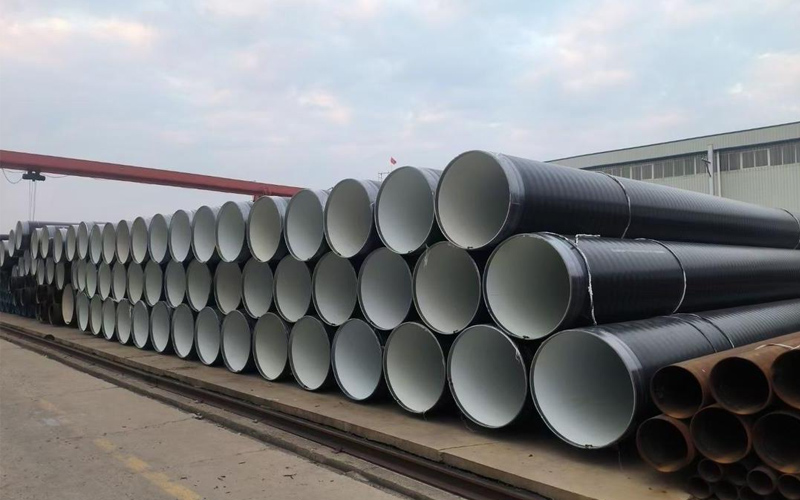
Análisis de la densidad del acero: Diferencias fundamentales entre aceros al carbono suaves y medios y aplicaciones industriales
La densidad del acero es uno de los parámetros clave que determinan sus propiedades físicas y aplicaciones industriales. Estado teórico de la densidad del acero...
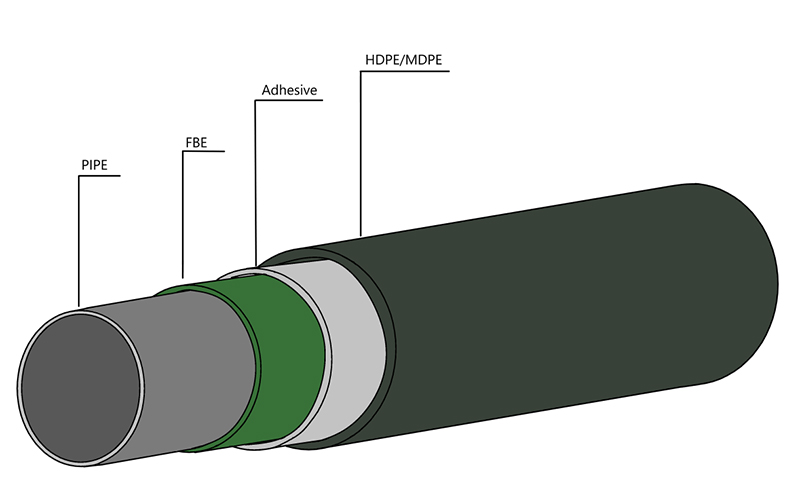
Tubos de acero revestidos con 3LPE: una barrera sólida en el campo de la protección contra la corrosión industrial
En el duro entorno del petróleo y el gas, la industria química, la red de tuberías urbanas, etc., la fiabilidad a largo plazo y la resistencia a la corrosión del sistema de tuberías...
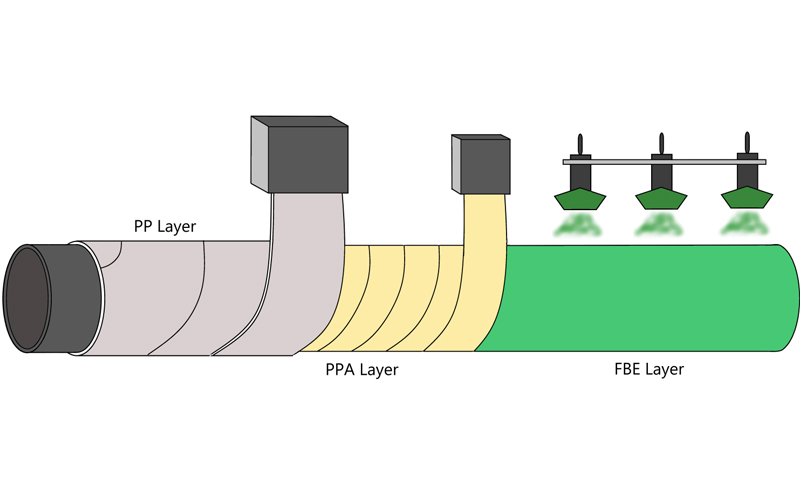
Tubo con revestimiento 3LPP: protección anticorrosión en entornos de alta temperatura y alta presión
En algunos entornos especiales difíciles, como la prospección de petróleo y gas en aguas profundas y el transporte de crudo a altas temperaturas, los revestimientos anticorrosión tradicionales se enfrentan a...
Tubos de acero FBE: el blindaje tecnológico de la línea de defensa del acero
I En las gélidas aguas bajo el oleoducto del Mar de Noruega, una sección de tubería de acero al carbono con revestimiento FBE ha estado en servicio durante 25...