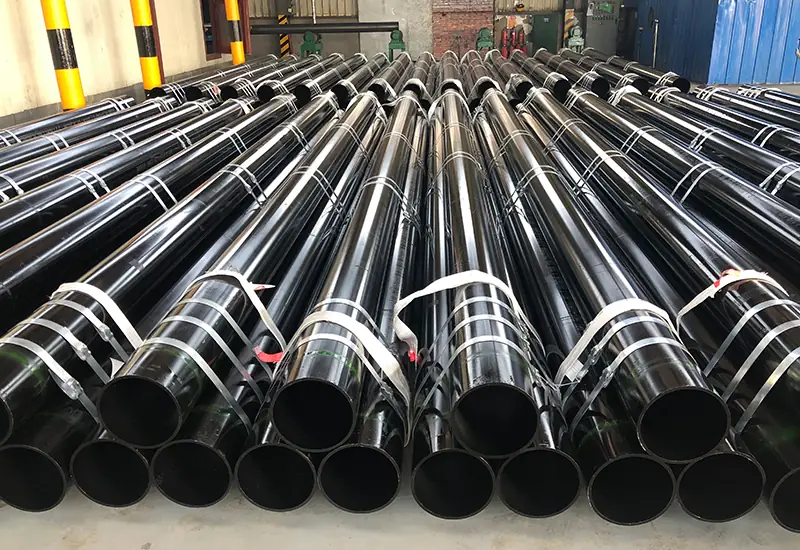
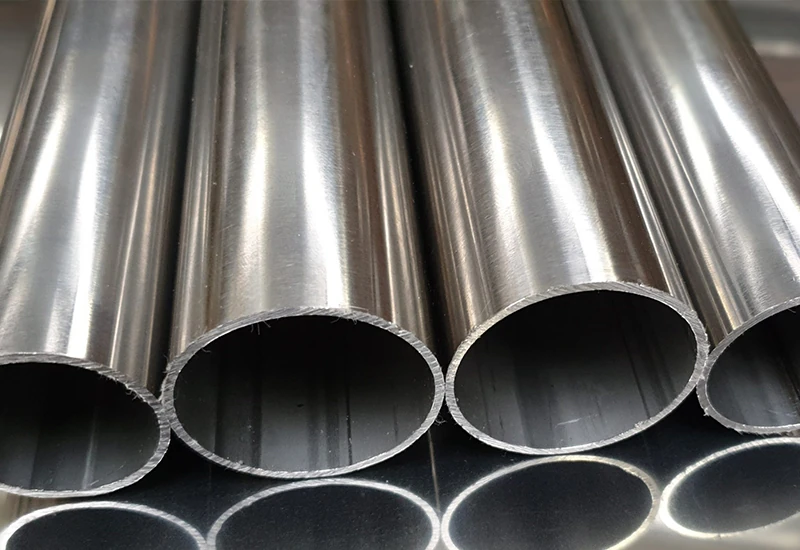
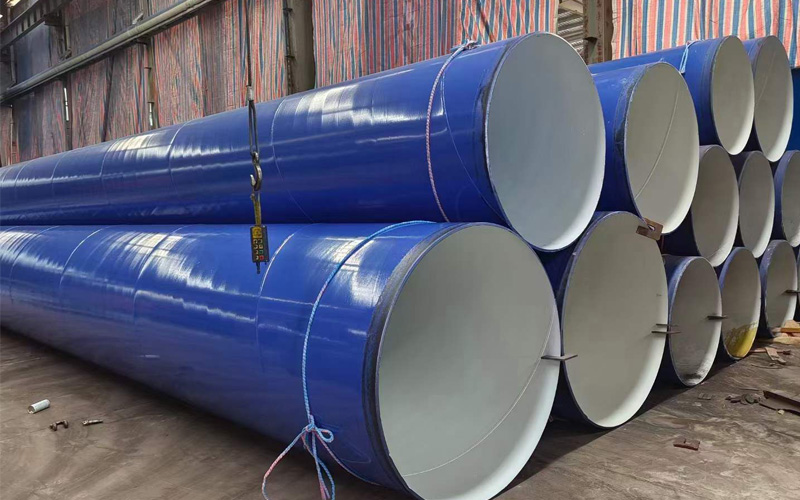
Have you ever noticed that the tap water flowing from your faucet every day, the hot water circulating in the heating pipes in winter, the natural gas burning in your stove when cooking, and the tall buildings you see on the street all rely on the same thing? It’s not steel bars, not cement, but ordinary-looking steel pipes—carbon steel pipes. What exactly are carbon steel pipes? Why are they so widely used? How do you choose the right carbon steel pipe? Today, let’s talk about this extraordinary carbon steel pipe.
1. What is carbon steel pipe?
Carbon steel pipe, as the name suggests, is a steel pipe made from carbon steel, with carbon and iron as its main components. The carbon content of carbon steel pipe is generally between 0.05% and 0.50%. Based on the carbon content, it can be roughly divided into: low-carbon steel (C≤0.25%), medium-carbon steel (C≈0.25–0.50%), and high-carbon steel (C>0.50%). When iron and carbon combine, the atoms form microstructures with different compositions, and its properties vary depending on the amount of carbon added. The higher the carbon content, the harder and more brittle the steel.
2. Carbon steel pipe: seamless or welded?
Carbon steel pipes can be classified into two types according to their manufacturing process: seamless pipes and welded pipes.
2.1 Seamless steel pipe
Seamless steel pipes have no weld seams and are made by heating a whole steel ingot or billet and piercing it to form a hollow tube. This process eliminates the weak points of weld seams, so they have a stronger pressure resistance and are usually used in high-temperature and high-pressure environments, such as oil pipelines, power plants, and chemical plants.
2.2 Welded steel pipes
Welded pipe is made by rolling flat steel sheets into a cylinder and then welding them together along the seam. Welded pipe is more economical and can be produced in larger diameters than seamless pipe. It comes in two types:
Electric Resistance Welded (ERW): Uses high-frequency current to form a strong weld. It is accurate in size and low in cost, and is mainly used for pipeline water supply, etc.
Longitudinal Submerged Arc Welded (LSAW): Produced by pressing a steel plate into a U or O shape and welding it with a single straight seam. It is known for its high strength and thick walls, making it the top choice for high-pressure oil and gas pipelines and heavy structural engineering.
Spiral Submerged Arc Welded (SSAW): The steel plate is rolled at an angle, and the weld resembles a thread. It is suitable for making large-diameter, long-distance conveying pipes, mainly used for municipal water supply pipes, industrial pipelines, etc.
3. Why are carbon steel pipes so popular?
The popularity of carbon steel pipes across industries worldwide is not due to luck, but to their inherent performance.
High strength
Carbon steel itself has high strength and can withstand high pressure and extreme temperature environments. Taking the most common 20# seamless steel pipe as an example: its yield strength is ≥245MPa, which means it can withstand a tensile force of approximately 24 kg per square millimeter. If even stronger strength is required, there are also high-grade steel options such as X70 and X80, with yield strengths exceeding 555 MPa.
Good weldability
Commonly used carbon steel pipes generally have good weldability, especially low carbon steel, which is naturally easy to weld and can be welded with ordinary welding rods on the construction site.
Economical
Compared to stainless steel, copper, or plastic pipes, carbon steel pipes are cheaper, suitable for large projects, and the low cost does not sacrifice the quality of carbon steel pipes.
Multifunctionality
Carbon steel pipes can be cut, welded, bent, and threaded, basically meeting any design or installation requirements. Carbon steel pipes are easy to manufacture into fittings, flanges, supports, etc., therefore they can be used not only for pipeline transportation but also for machinery and building structures.
4. Where are the carbon steel pipes located?
Carbon steel pipes are used more widely than you might imagine; they are practically everywhere.
Oil and natural gas: From natural gas pipelines in cities to oil fields, the main pipes are carbon steel pipes, especially for long-distance pipelines that are hundreds of kilometers long, which use high-grade X70 and X80 spiral welded pipes.
Urban infrastructure: The water flowing from the tap, the hot water for heating in the house in winter, and the natural gas for the gas stove are all delivered through carbon steel pipes.
Skyscrapers: skyscrapers with dozens of floors, first require driving steel pipe piles tens of meters deep into the ground, and most of these steel pipe piles are made of carbon steel pipes.
Mechanical manufacturing: Used in machinery, automotive parts and industrial equipment, such as hydraulic cylinders for excavators, drive shafts for automobiles, and conveyor rollers in factories.
5. Carbon steel pipe vs. stainless steel pipe: which one should you choose?
Do you have these questions when choosing steel pipes: carbon steel is cheaper, stainless steel is more rust-resistant, which one is better? Now let’s compare carbon steel pipes and stainless steel pipes, analyzing them one by one from the aspects of cost, performance, and application, so that you know how to choose.
Characteristic
Carbon Steel Pipe
Stainless Steel Pipe
Selection Recommendations
Material costs
Low
high
If budget is tight, carbon steel pipes should be considered first.
Mechanical properties
High strength, pressure-resistant
Slightly lower strength, but good toughness.
High-voltage carbon steel
Corrosion resistance
Low, requires anti-corrosion treatment.
Excellent, inherently corrosion resistant
Stainless steel pipes for chemical, marine or acid/alkali environments
Solderability
Good
Good, but the welding cost is high and requires special welding wire.
The project requires a large number of welded carbon steel pipes, which would be better.
Processability
Easy to cut, bend, flanging, threading
The processing is difficult and requires specialized equipment.
Carbon steel pipes for structural processing or custom fittings
Service life
With proper preservation, it can last for 15–30 years.
Long lifespan, corrosion resistant, lasting up to 50 years or more.
Stainless steel is more suitable for environments with severe corrosion.
Application areas
Oil and gas pipelines, buildings, and mechanical structures
Choose the most suitable one based on the environment.
6. How much further can carbon steel pipes go?
Some people might wonder, with so many new materials available now, will carbon steel pipes become obsolete?
The answer is: No. The reason is simple: carbon steel pipes are sturdy and durable, affordable, and widely used. Moreover, carbon steel pipes are constantly being improved, with higher steel grades, better corrosion resistance, and lower carbon emissions.
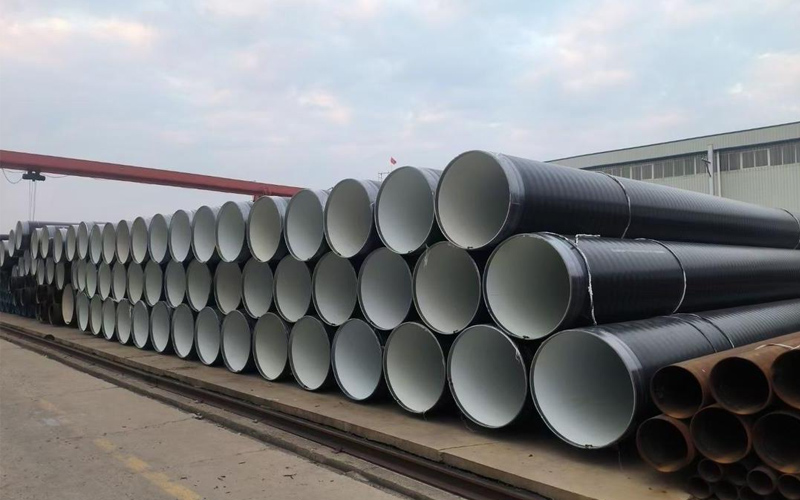
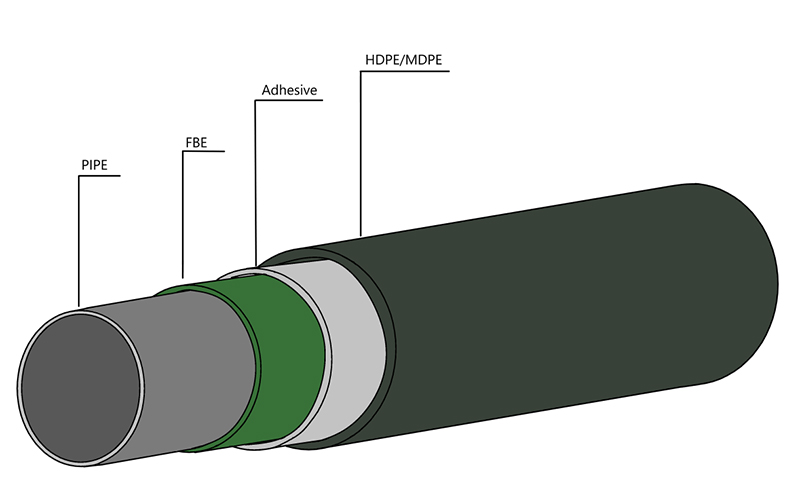
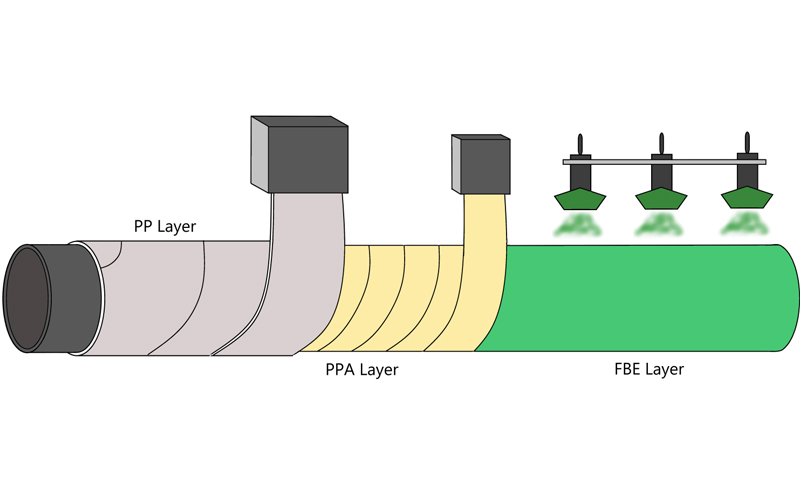
From the buildings beneath our feet to the distant oil fields, from the taps in our homes to the production lines in factories, this unassuming carbon steel pipe has always been there. Carbon steel pipe remains a key component in many modern industries and daily lives. The future of carbon steel pipe will evolve: higher strength, moving from X80 to X100 and X120, using less steel to withstand greater pressure; and greater corrosion resistance, extending its lifespan from a dozen years to several decades through high-performance coatings (3PE, FBE).
If you have any needs for carbon steel pipes, whether for engineering projects or equipment manufacturing, feel free to contact us anytime. ALLLAND has been in the steel pipe business for over a decade, handling everything from raw materials to finished products, from bare pipes to corrosion protection—a one-stop solution for your peace of mind.
Provide us with your project details (like application, specifications, quantity). Our experienced team will respond with a tailored solution and competitive quote within 24 business hours.
In oil and gas transmission, municipal infrastructure and other major projects, the reasonable choice of steel pipe welding process directly affects the project...
The density of steel is one of the key parameters that determine its physical properties and industrial applications. Theoretical state of steel density...
In the harsh environment of oil and gas, chemical industry, urban pipe network, etc., the long-term reliability and corrosion resistance of pipeline system...
In some challenging special environments such as deep-sea oil and gas exploration and high-temperature crude oil transportation, traditional anti-corrosion coatings face significant challenges,...