








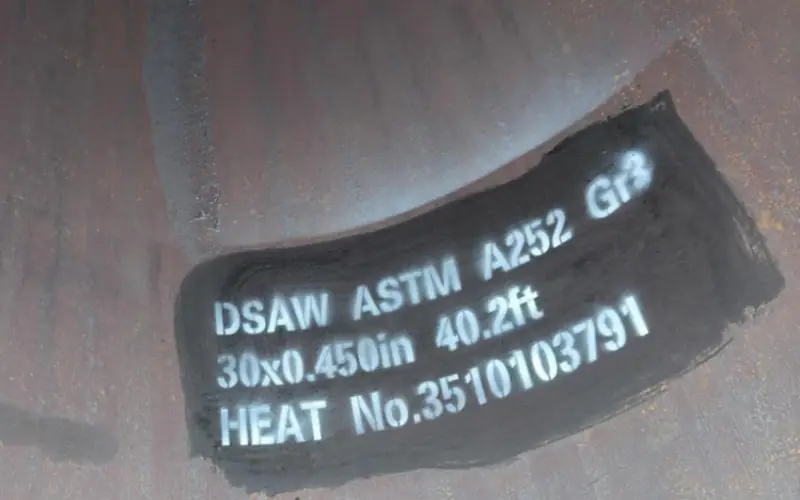
How to Read Steel Pipe Markings: A Traceability Guide
In the steel industry, every steel pipe has a specific mission. Whether it is ultimately used for transporting oil and gas, high-pressure boilers,...
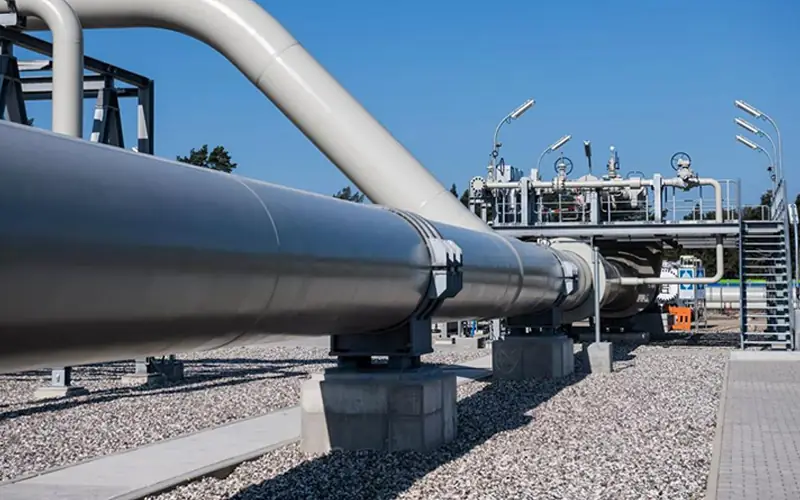
A Guide to Offshore Steel Pipe & Tubes for Subsea Projects
The vast expanse of our oceans hides a complex network of arteries vital to the global energy supply chain:offshore pipelines. These submerged lifelines,...
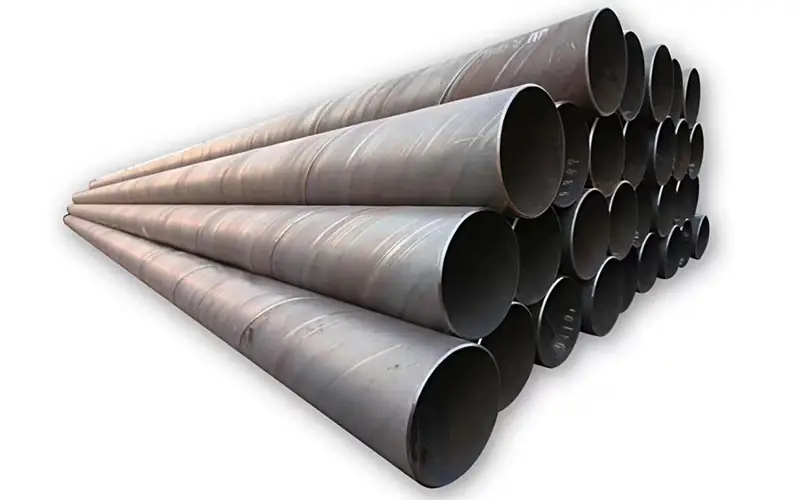
The Dance of Spiral Forming: How SSAW Steel Pipes Are Made
Ssaw steel pipes are a cornerstone of modern infrastructure, forming the backbone of vast networks that transport water, oil, and gas across continents. Their distinctive...
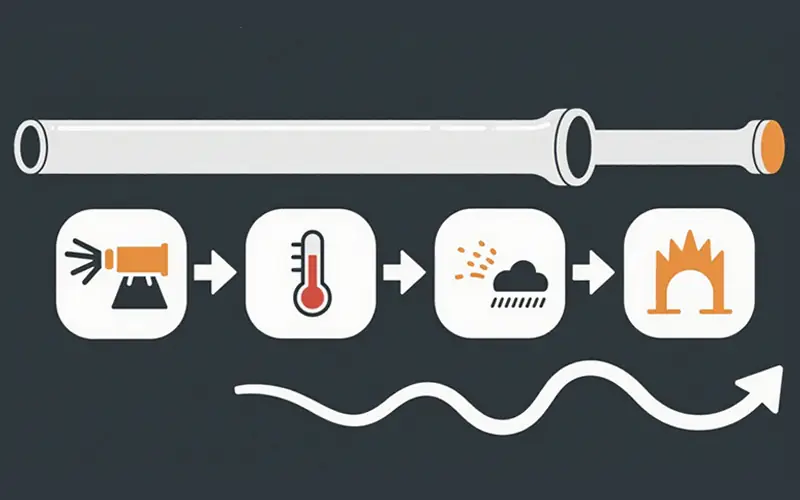
A Guide to ISO 21809: 3LPE & FBE Pipe Coating Standards
Steel pipes is the pillar of oil, natural gas, water supply and sewage treatment. However, the corrosion caused by moisture, chemicals substances and...
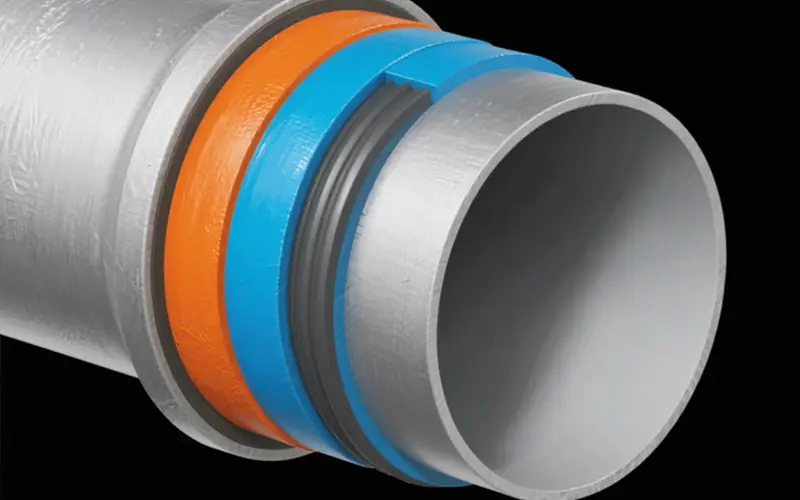
3PE Pipe Coatings: A Guide to Protection, Standards&Applications
In the field of pipeline infrastructure, corrosion is one of the biggest factors threatening life and safety. This is where advanced solutions come into...
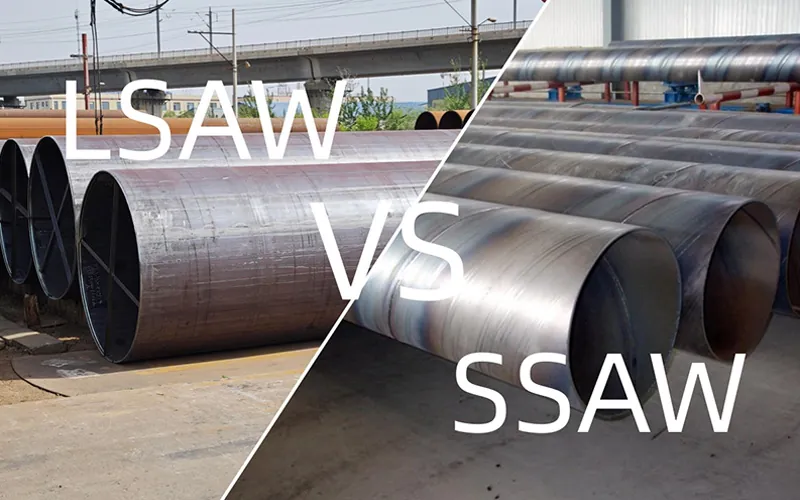
Weld Seam Integrity: A Deep Dive into LSAW vs. SSAW Pipe
Introduction Every industrial pipeline is a steel artery, meant to hold up under a thousand or more pounds of pressure for decades on...
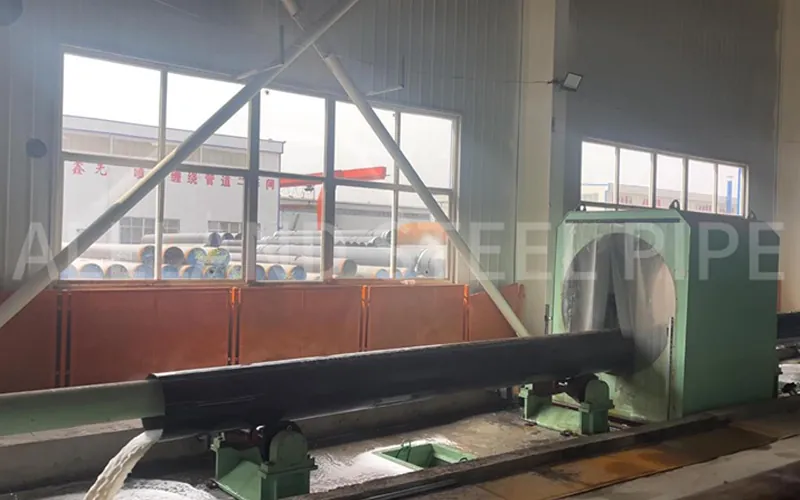
The Hydrostatic Test: Why It’s the Final Defense for API 5L Pipe Integrity
Introduction The steel pipes made for high-pressure pipelines need to last for a long time. The steel pipe starts as a plate. It is then...
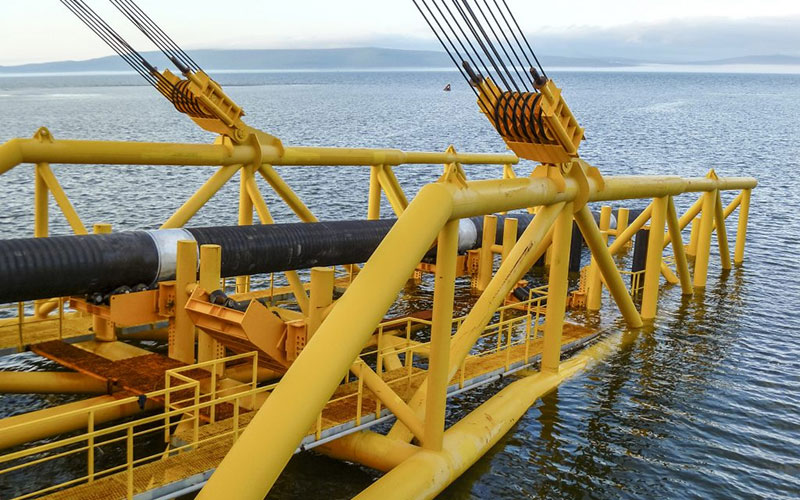
API 5L Grades Explained: X52, X65 & X70 Meaning?
In industries such as oil, gas and long-distance pipelines, the API 5L standard (American Petroleum Institute Pipeline Specification) is globally recognized as the...
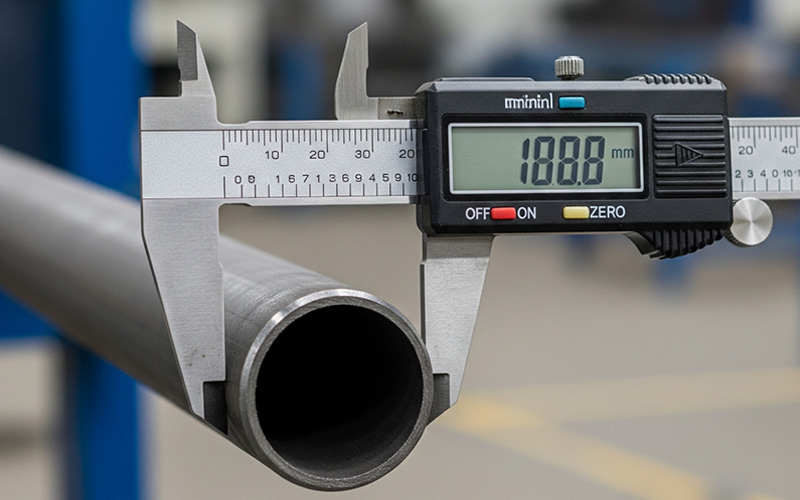
Steel Pipe Sizing Errors? DN vs. OD Explained for Buyers
In fact, the actual outer diameter of a DN150 steel pipe is not 150 millimeters but approximately 168.3 millimeters (under the American standard)....
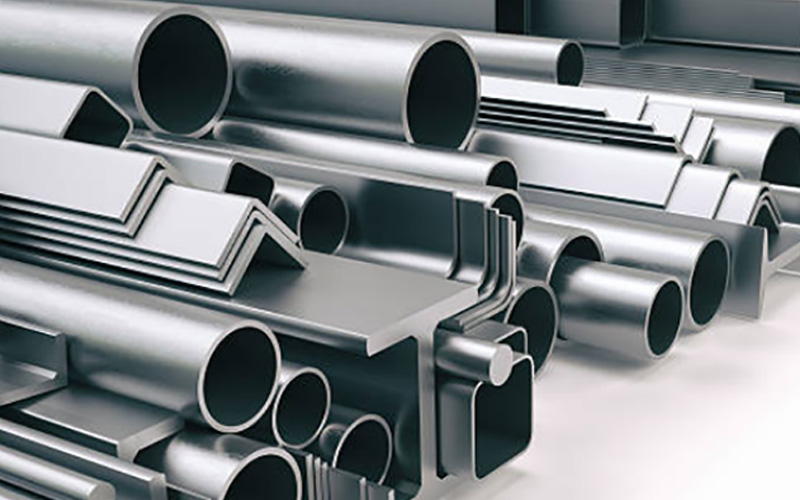
A Guide to Structural Pipe: ASTM A500vsEN10219
Ⅰ. Structural pipes: the core support of engineering Structural pipe is steel pipe used to withstand axial pressure, tension or bending moment. Their function is to...